
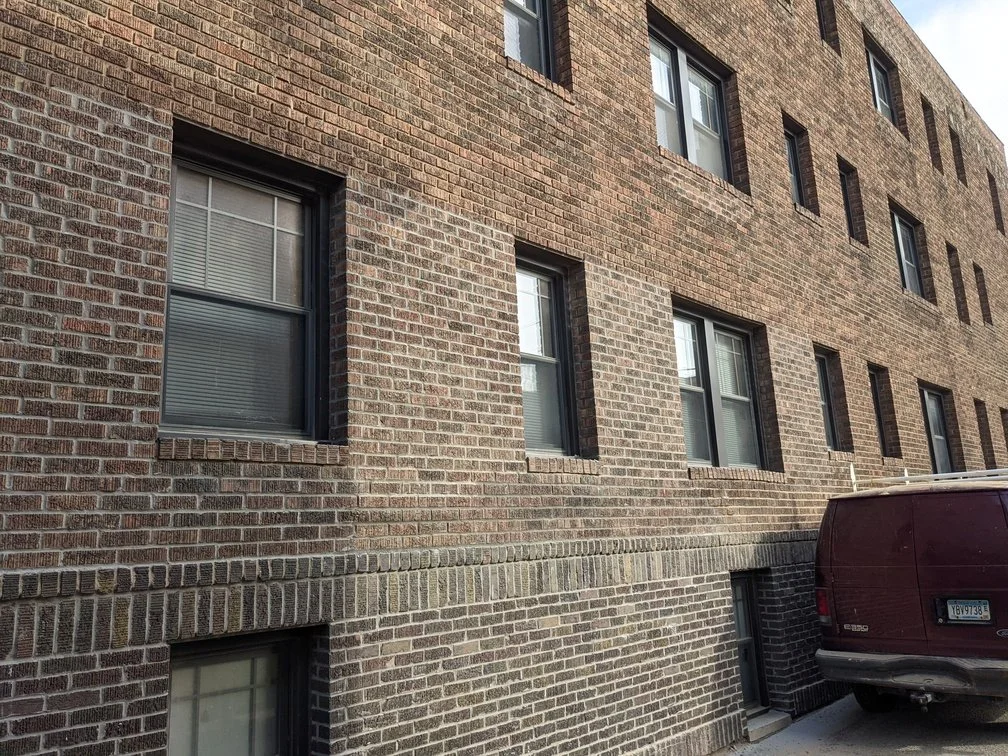
Our Masonry Blog
Signs Your Retaining Wall Is Failing (And What They Mean)
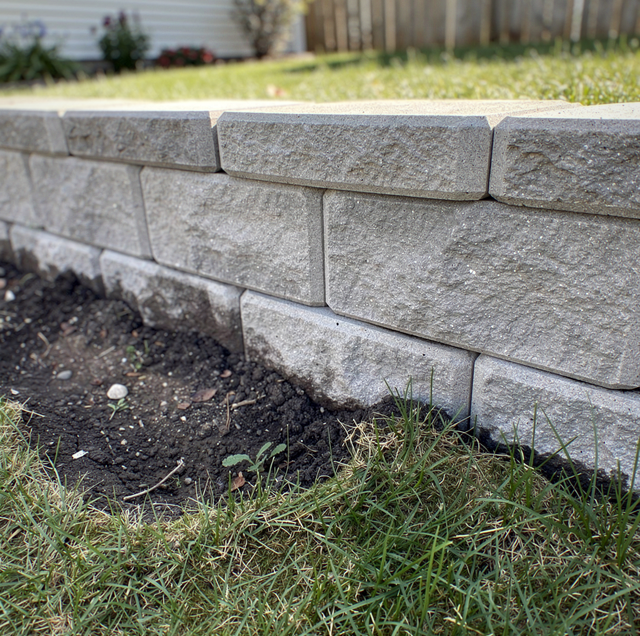
A retaining wall does not fail all at once. By the time a section leans far enough to notice from across the yard, or a block breaks loose and topples into the space below it, the real problem has usually been building for months or longer.
Foundation Cracks vs. Normal Settling: How to Tell
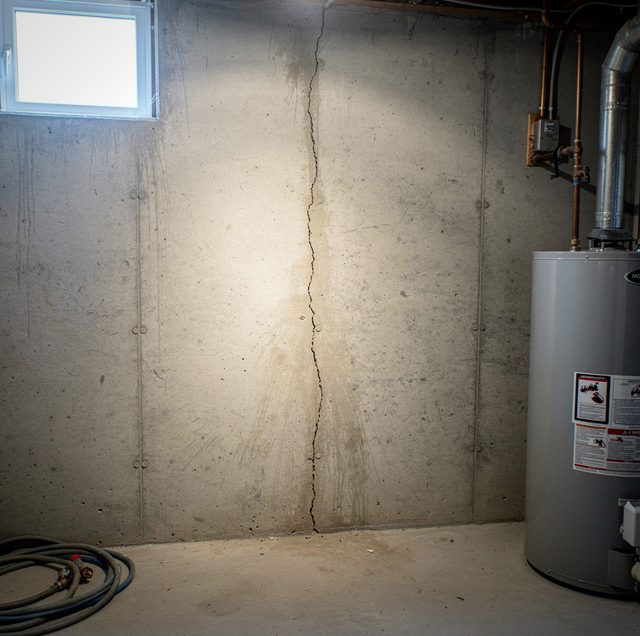
A thin line running up the basement wall behind the water heater is easy to miss for months, until the day the light hits it just right and you can't stop noticing it.
Why Retaining Walls Lean or Bulge: 5 Hidden Causes
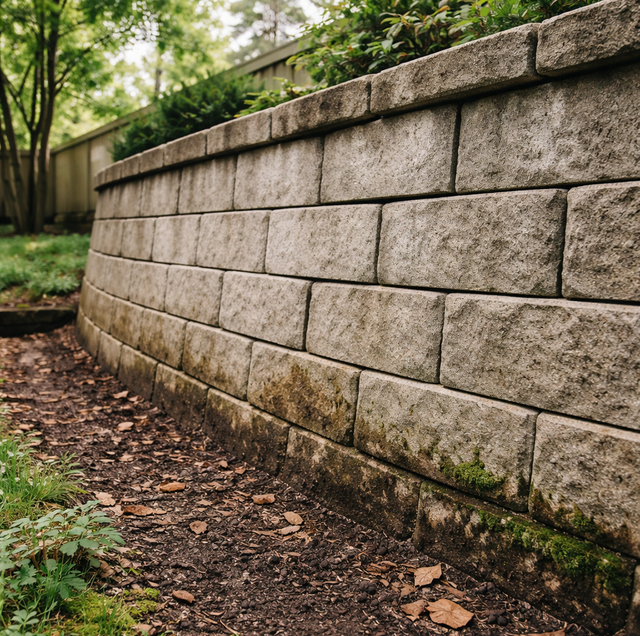
A retaining wall has one job: hold back a slope of soil that would otherwise slide downhill.
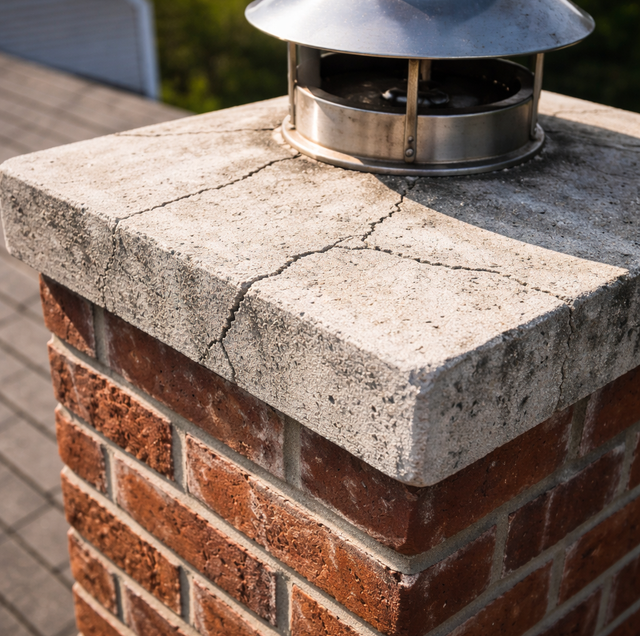
Why Chimneys Leak: 6 Water Entry Points to Find First
A chimney is the one part of a house that stands up above the roofline and takes weather on every side at once.
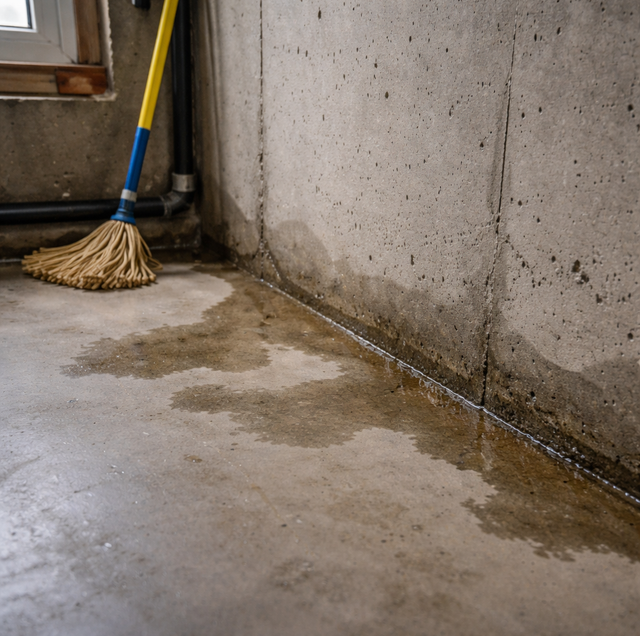
Basement Leaking Where Wall Meets Floor? The Cove Joint Cause
You mop up the puddle along the base of the wall, and a few days later it is back in the same line.
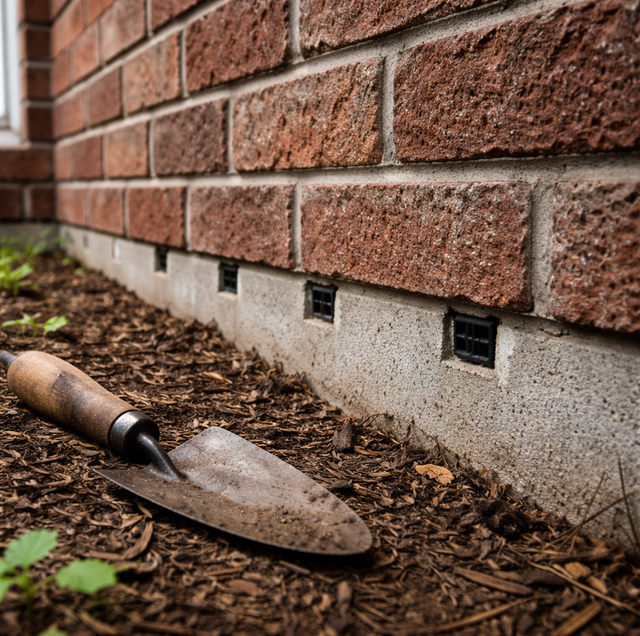
Weep Holes in Brick: The Gaps You Should Never Seal
Walk along the bottom course of almost any brick house, and you will spot them: small openings spaced evenly near the foundation, sometimes empty, sometimes fitted with a little plastic grate.
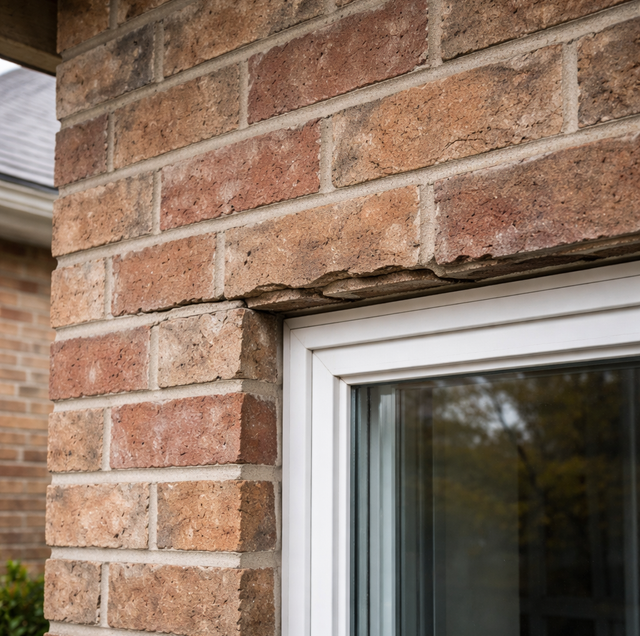
Cracks Above a Brick Window? Blame the Lintel
A crack running above a window is easy to write off as a house being a house.
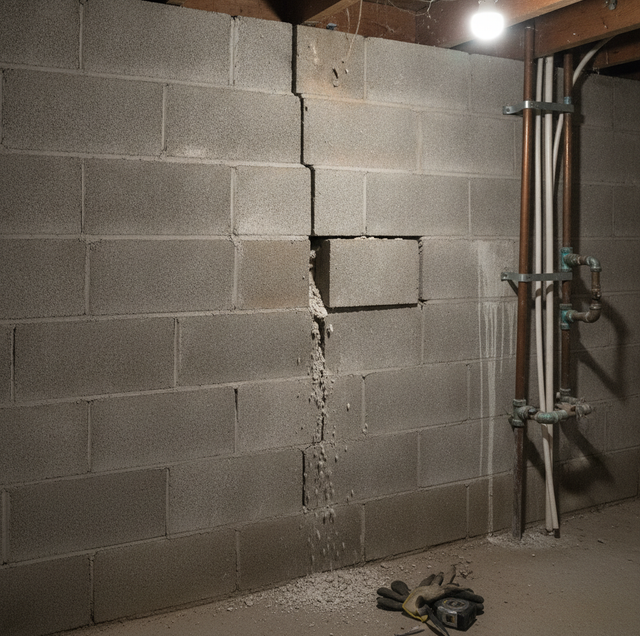
Why Are My Basement Walls Bowing or Leaning? The 5 Causes
A basement wall is holding back a small mountain. On the other side of that concrete or block is several feet of packed soil, and all of it is leaning on the wall around the clock. Most of the time, the wall wins that contest quietly, year after year, and you never think about it. When it starts to lose, it does not fall over in a night. It gives ground slowly, curving inward at the middle or tipping in at the top, and the first hint is usually a crack you almost walk past. Reading that early warning correctly is the difference between a manageable repair and a wall that has to come out.
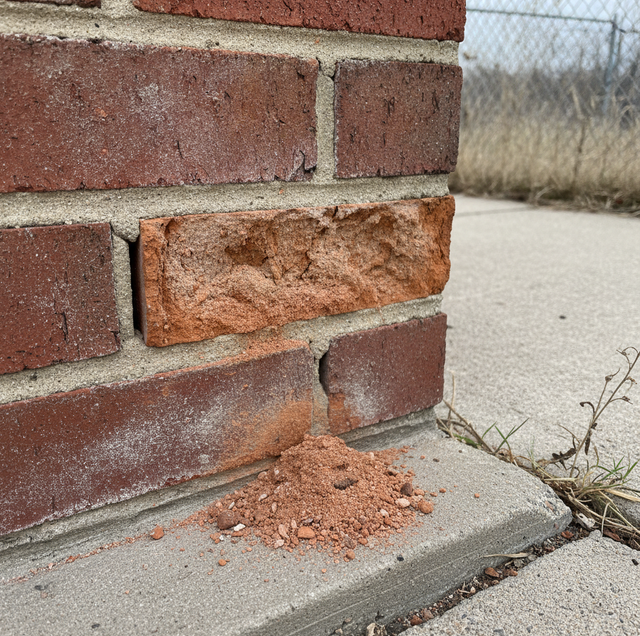
What Causes Brick Spalling and Can It Actually Be Fixed?
If chips, flakes, or crumbling faces are appearing on your brick, you are looking at spalling. It shows up as thin scales peeling off, a chalky powder collecting at the base of a wall, or whole face pieces popping off to reveal the rough, unfired-looking interior underneath. It looks like the brick is simply wearing out, but that is almost never the real story. Spalling is a moisture problem wearing a masonry coating, and once you see the mechanism, both the cause and the repair make sense.
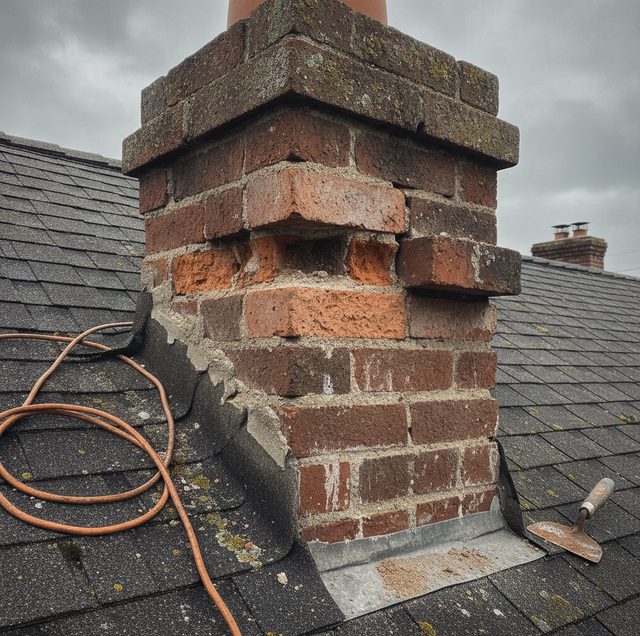
Signs Your Chimney Needs to Be Rebuilt, Not Just Repaired
You find a chunk of brick in the flower bed below the chimney, look up, and notice the stack does not sit quite as straight as it used to, with crumbling mortar and a cracked top. The question is whether a mason can patch it or whether the whole thing needs to come down and go back up. That difference is significant, and getting it right matters because patching a chimney that needs rebuilding is money spent twice.
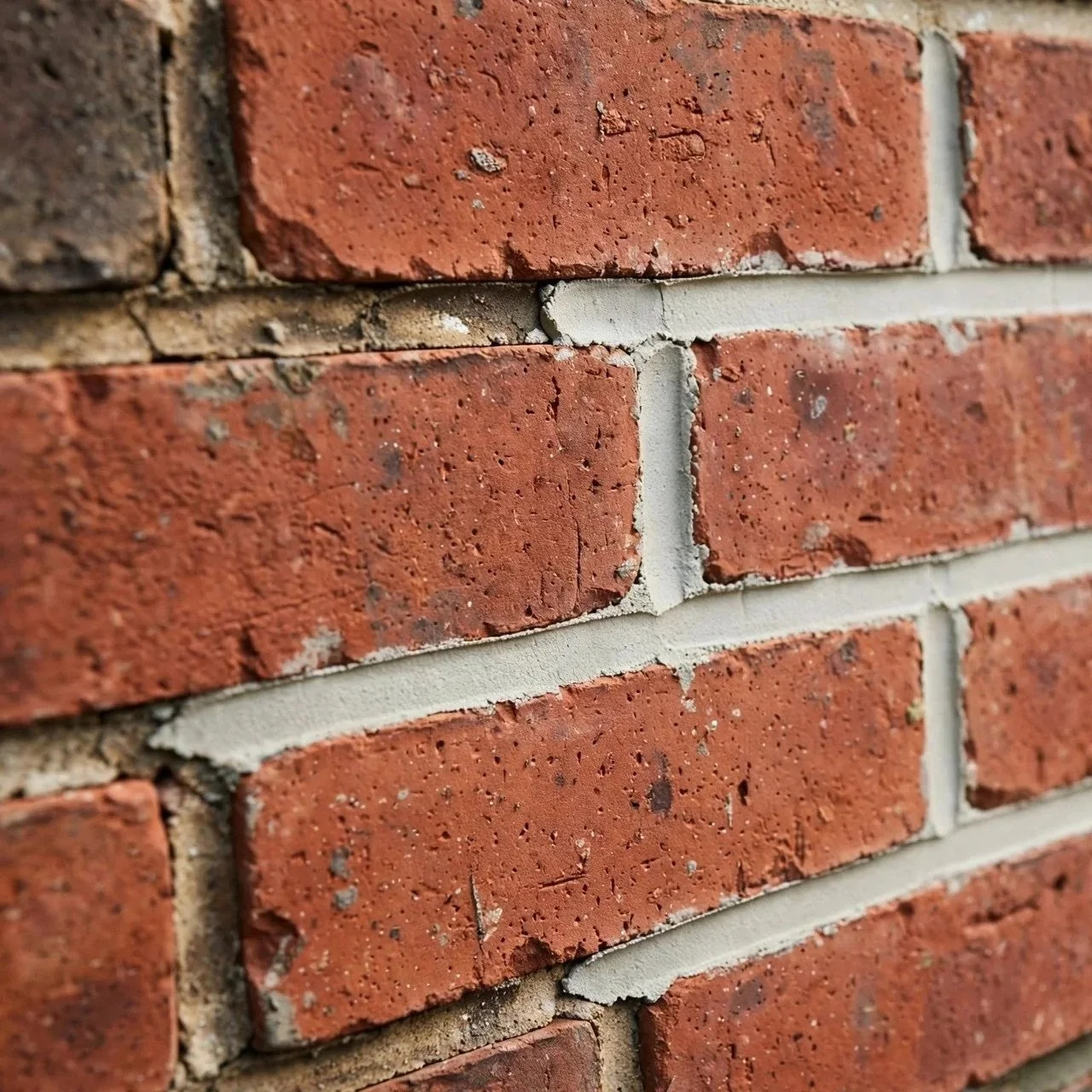
Interior vs. Exterior Tuckpointing: Which One Your Wall Actually Needs
Mortar is the material that holds a masonry wall together. Bricks and blocks are hard and durable, but the mortar joints between them are intentionally softer, so they take the hits, and the units around them do not. That trade-off is the whole reason tuckpointing exists.
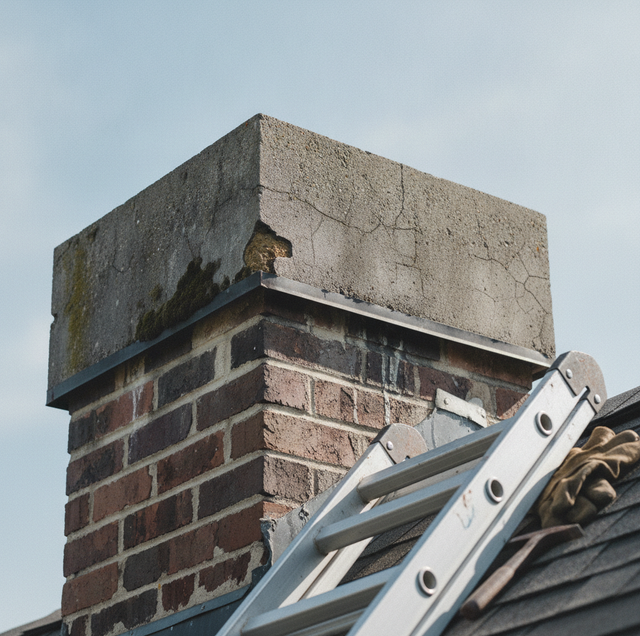
Chimney Cap vs. Chimney Crown: The Difference That Protects Your Home
Ask two homeowners to point at their "chimney cap," and you will often get two different fingers pointing at two different parts. One means the metal cage sitting over the flue opening; the other means the flat concrete slab across the whole top. Both parts exist; they do completely different jobs, and mixing them up is how people end up paying to fix one while the real problem sits untouched. If you have been told your chimney needs work up top, it helps to know exactly which piece anyone is talking about.
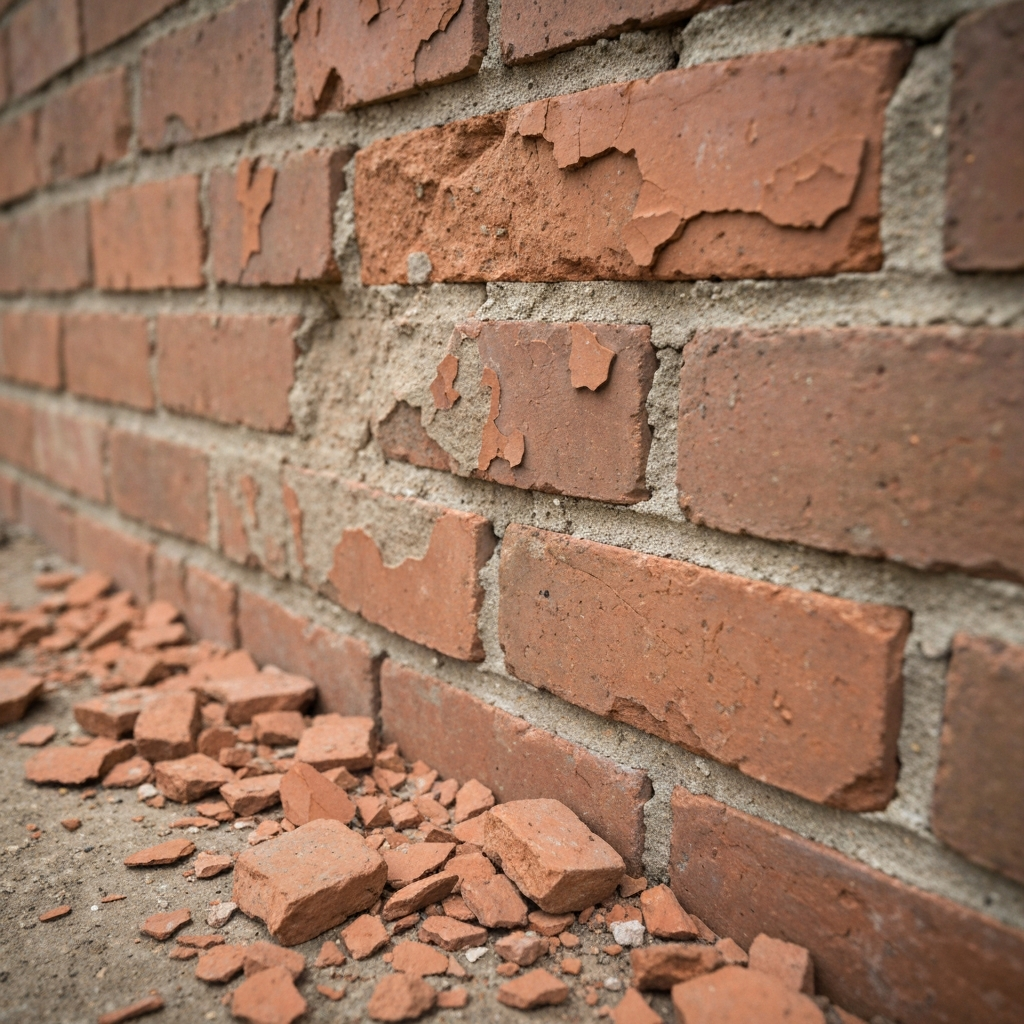
Why Do Bricks Crack and Flake Off in Winter?
If you've noticed the faces of your bricks cracking, flaking, or crumbling away after a hard winter, you're seeing a common and damaging process. It isn't random wear — it's the predictable result of water and cold working together on porous masonry. Understanding why it happens explains both how to slow it and why it shouldn't be ignored.
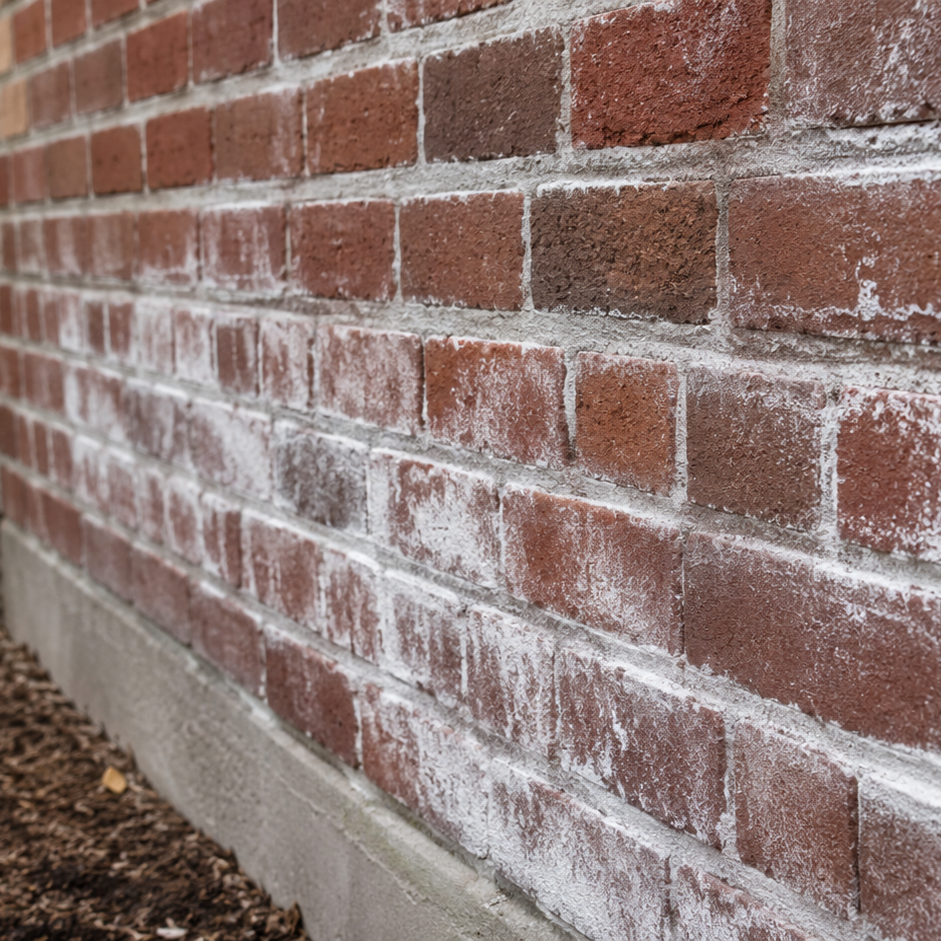
White Powder on Your Brick Walls? What Efflorescence Means
You notice it after a wet stretch or on a new wall: a hazy white bloom spreading across the brick like dried salt. It looks like the brick is breaking down, but efflorescence is usually a water story, not a damage story. The white isn't the brick failing — it's mineral salts that water carried out and left on the surface. Understanding how that happens tells you both how to clean it and how to keep it from coming back.
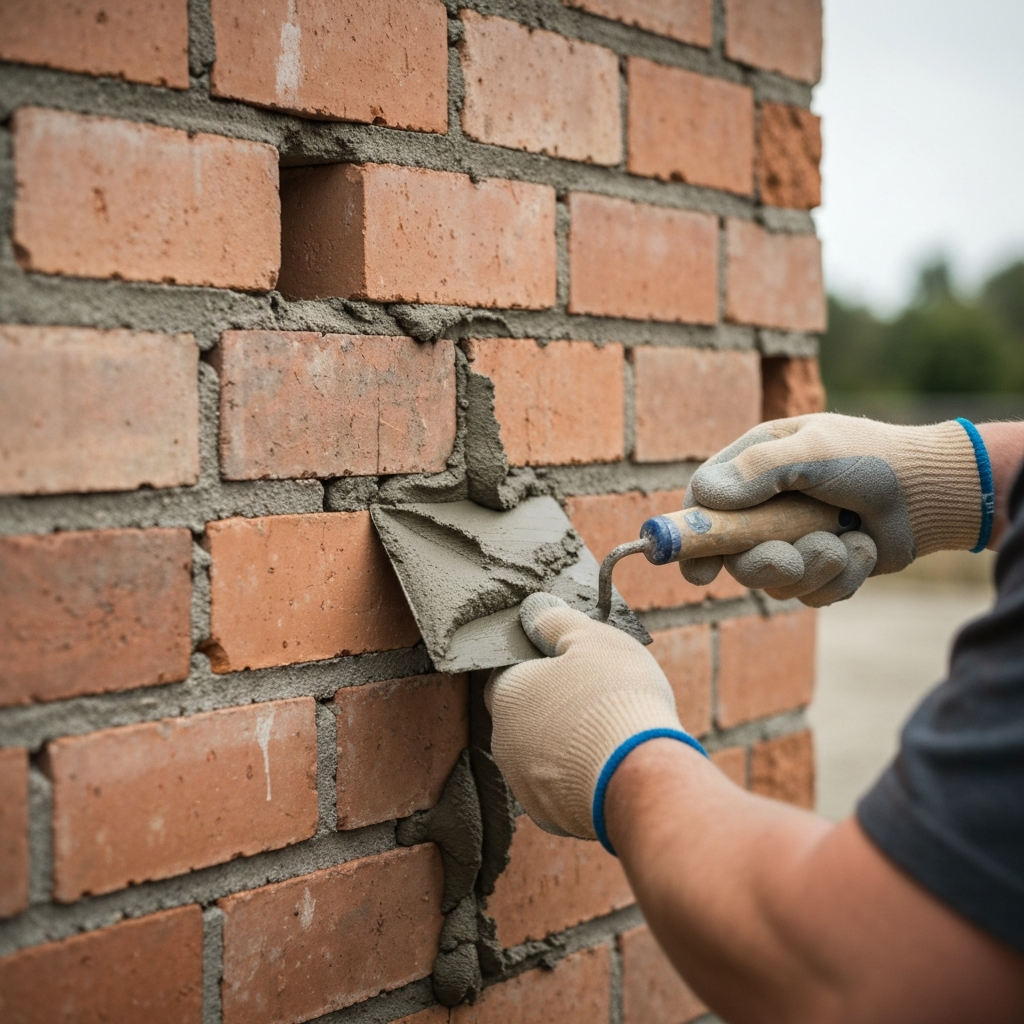
Tuckpointing vs Repointing: The Difference and Which You Need
You're running a finger along the brick by the front steps, and it comes back gritty, with a little pile of sand at your feet where the joint used to be. Maybe there's a hairline gap you can slip a coin into, or a chalky white bloom creeping across the wall. Two contractors come out, and one says "repointing," the other says "tuckpointing," and now you're not sure whether they quoted the same job. They probably did — but the words actually mean different things, and the difference is worth understanding before you hand over a check.
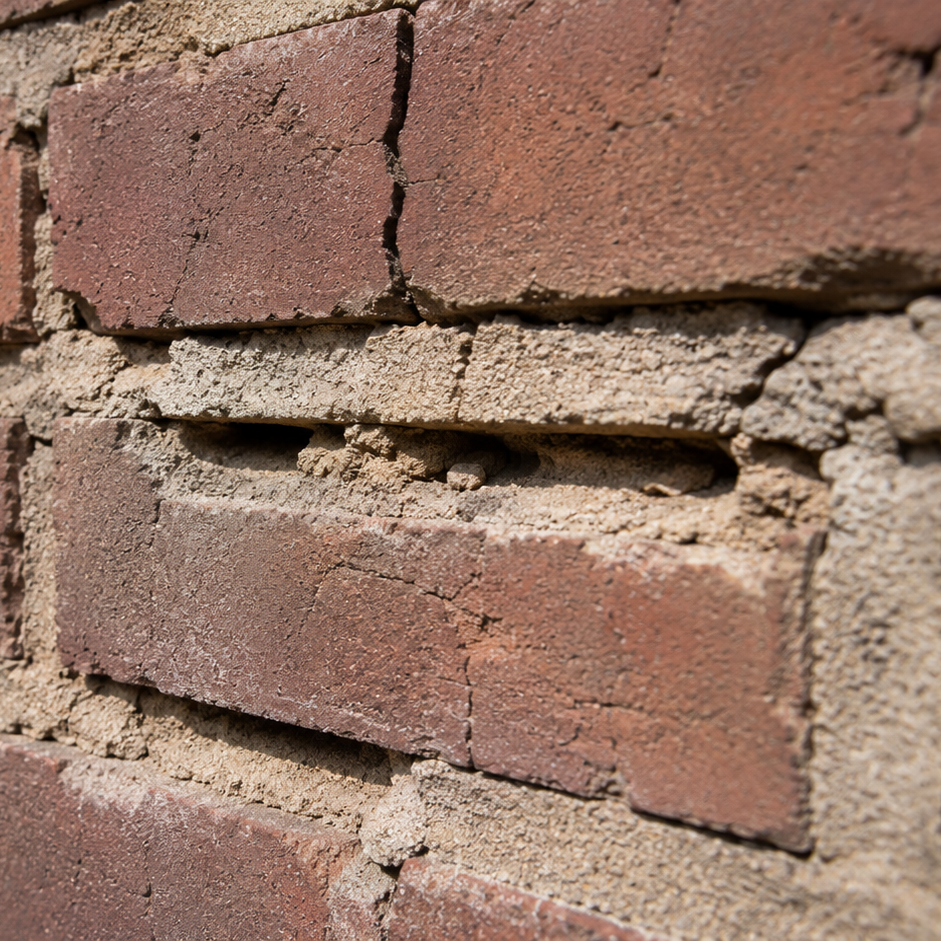
Signs Your Mortar Joints Need Repair Before Water Gets In
Mortar is the glue holding a brick wall together, but it's also the part that wears out first. Because it's softer and more exposed than the brick, mortar deteriorates over time, and when it does, it stops doing two critical jobs: holding the wall together and keeping water out. Knowing the signs that your mortar joints need repair lets you address them before water turns a maintenance issue into structural damage.
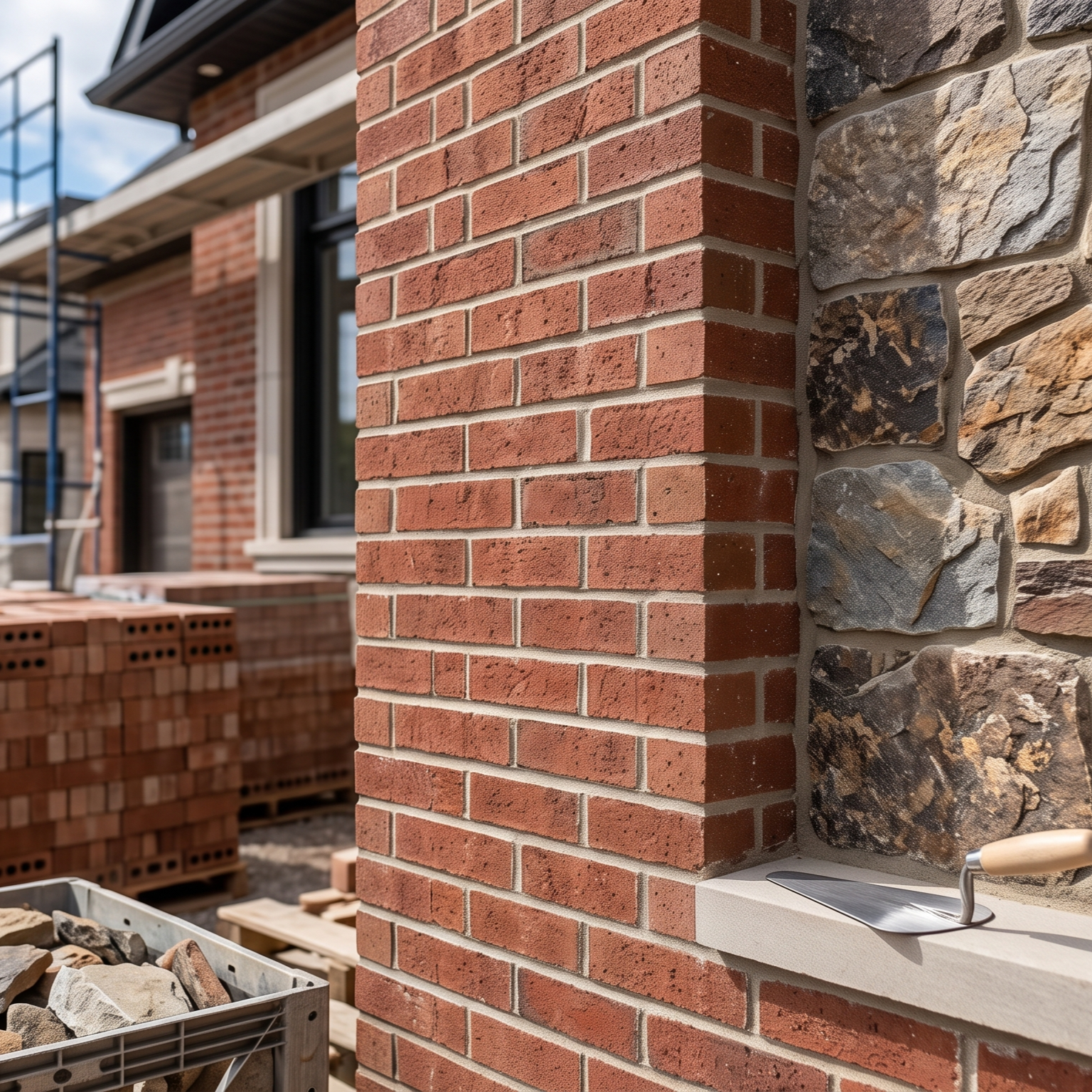
Brick vs Natural Stone Veneer: Which Is Right for You?
When you are choosing a masonry facade for a home, brick and natural stone veneer are two of the most popular and enduring options. Both deliver the timeless appeal and durability of masonry, but they create different looks and carry different considerations. Understanding how they compare helps you choose the one that fits your home's style and your priorities.

When It’s Time to Rebuild, Not Just Rekindle
When the bricks lean like a tired fence post, or the chimney crown looks like a broken cookie, repairs shift from being helpful to being downright futile.
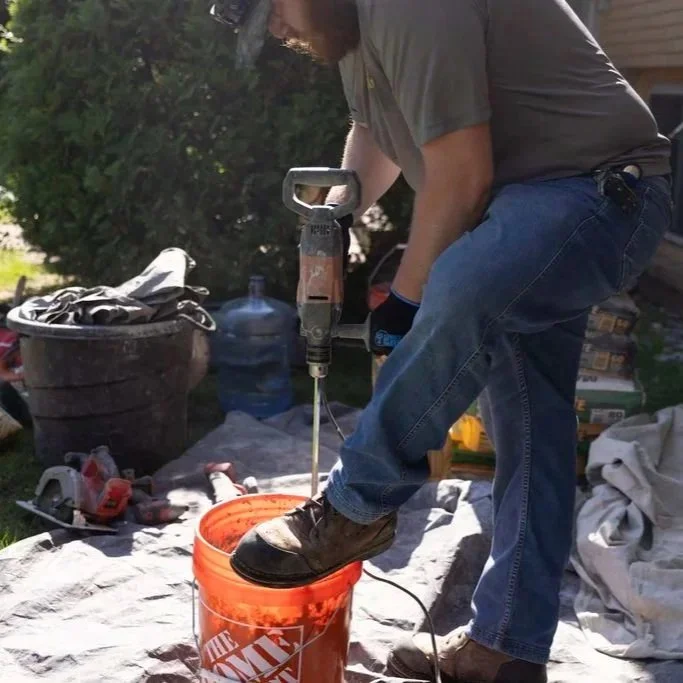
Laying the Groundwork for a Beautiful Finish
Professionals know that long-term beauty begins underground, and a rushed foundation is an open invitation to cracks, settling, and regret.

Garden Beds with Stone-Cold Personality
Pros approach planter construction with attention to proportion, elevation, and traffic flow.