
What to Expect During a Professional Chimney Inspection
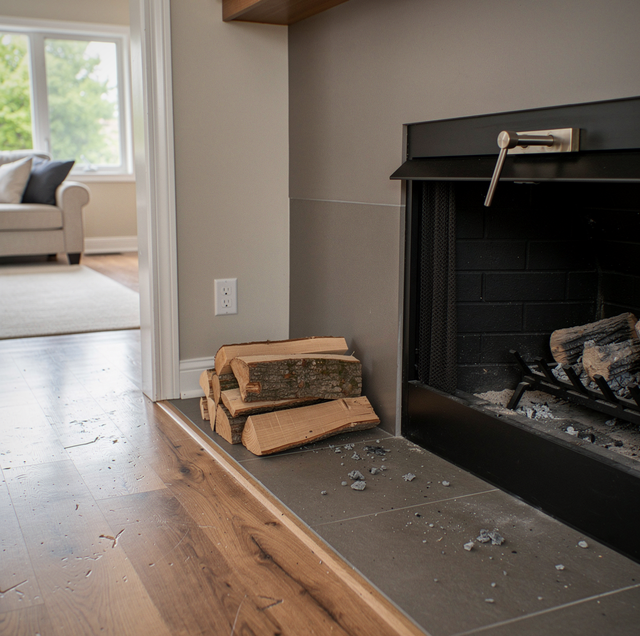
You probably only think about your chimney twice a year: once when you light the first fire of the season, and once when you notice something that makes you nervous, a smoky smell, a chunk of mortar in the gutter, a stain spreading across the ceiling near the flue. A professional inspection is built around neither of those moments. It is a systematic look at every part of the chimney system, from the crown at the very top down through the flue to the firebox, so that small problems get caught while they are still small and cheap to fix.
Most homeowners have never actually watched an inspection, so the process feels vague until someone is standing on a ladder with a flashlight. Knowing what an inspector checks, what they are trying to catch, and how they sort what they find into "watch it" versus "fix it now" makes the whole visit far less mysterious, and it helps you understand the report you get at the end.
Why Inspections Follow a Set Structure
A chimney is not one part. It is a stacked system: a crown or cap at the top, brick or stone running down the exterior, a flue liner inside carrying smoke and gases up and out, flashing where the chimney meets the roofline, and a firebox or hearth at the bottom where combustion actually happens. A failure in any one of those parts can affect the others, so a real inspection walks the whole system rather than glancing at whichever piece is visible from the ground.
Inspections are also graded by depth. A basic visual check covers everything that is reachable and visible without tools, which is enough for a chimney that has been maintained and used normally. A closer inspection involves looking inside the flue with a camera or scope, useful after any change to the system, an appliance swap, storm damage, or a chimney fire, or simply after a long stretch with no inspection at all. Knowing which level applies to your situation is usually decided in the first few minutes, once the inspector has seen the exterior and asked how the fireplace has been used.
The Exterior Masonry Check
The outside of the chimney takes the brunt of weather, so it is usually where an inspector starts. The crown, the sloped concrete or mortar cap that sheds water off the very top of the chimney, is checked first because a cracked crown lets water straight into the masonry below. Even a hairline crack here matters, since it sits at the highest, most exposed point of the whole structure and takes the worst of the freeze-thaw cycling that damages masonry over a normal cold season.
From there, the inspector works down the brick or stone face, looking at mortar joints for gaps, crumbling, or soft spots, and at the brick or stone itself for cracking, flaking, or surface crumbling. Flashing, the metal strips sealing the joint between the chimney and the roof, gets checked for gaps, rust, or separation, since flashing failures are among the most common causes of water intrusion at a spot that has nothing visibly wrong with the chimney itself. The inspector also looks for lean or bulge in the structure, any sign that the chimney has shifted or is pulling away from the house, which points toward a foundation or structural issue rather than a surface one.
The Interior Flue and Firebox Check
If the inspection calls for a closer look inside, the flue gets checked with a camera or scope run down its full length. This is where creosote buildup, cracked or separated liner sections, and gaps at the joints between flue tiles show up, none of which are visible from the ground or the roof. A cracked or gapped liner is a serious finding because it allows heat and combustion byproducts to reach the brick or framing around the flue rather than remain contained within the liner where they belong.
The firebox and damper get checked at the same time. Cracked firebrick, a damper that will not seal or fully open, and soot patterns suggesting smoke is not drafting properly are all noted here. A smoke test, where a controlled amount of smoke is released to watch how it draws up the flue, is sometimes used to confirm a draft problem an inspector suspects from the soot pattern or from something the homeowner has already described, a smell in the house or smoke pushing back into the room after lighting a fire.
What an Inspector Is Actually Trying to Catch
Every part of the inspection looks for a handful of specific signs because those signs indicate the stage of damage a chimney is at. Cracks matter because they are the entry point for water, and a crack that is dry and stable on a summer afternoon is not the same crack it will be after a winter of freezing and thawing inside it. Spalling, where the face of a brick pops off in flakes or chunks, means water has already soaked into the brick and frozen, physically breaking the surface apart from the inside. Once a brick has started spalling, the damage does not reverse; the question becomes how far it has spread and whether the brick needs to come out.
Efflorescence, the white, chalky deposit that sometimes shows up on brick or mortar, is not damage in itself but a signal. It is mineral salt left behind as water moves through masonry and evaporates at the surface, and its presence means moisture is getting into the material somewhere, even if no crack is visible yet. An inspector treats efflorescence as a prompt to look harder for the entry point, not as a problem to be solved by cleaning it off.
Structural movement is the finding that gets the most attention, because it usually points to something happening below the surface rather than on it: a shifting foundation, a base that was never built to the right depth, or long-term water damage that has softened the mortar enough for the whole stack to start leaning. A chimney that leans, separates from the house, or has stepped cracking running diagonally through several courses of brick is being flagged as a structural issue, not a cosmetic one, and that changes what kind of repair is recommended.
How Findings Get Prioritized: Cosmetic vs Urgent
Not every crack or stain calls for the same response, and part of an inspector's job is sorting findings into a rough order of urgency rather than treating everything as equally pressing. Cosmetic findings, hairline mortar cracks with no active water intrusion, light surface staining, or early efflorescence with no visible crack get flagged for monitoring or scheduled maintenance. These are worth fixing, since small issues are cheaper to address than large ones, but they are not putting the chimney or the house at immediate risk.
Findings that involve active water entry, a cracked crown, gapped flashing, or spalling brick that is actively shedding pieces move up the list because every season they go unaddressed adds more damage underneath the surface, largely out of sight. Findings tied to safety, a cracked or gapped flue liner, a damper that will not seal, heavy creosote buildup, or any sign of structural movement, get flagged as urgent, since these affect whether the chimney can be used safely at all rather than just how it looks. An inspector should be able to tell you, in plain terms, which category each finding falls into and why, not just hand over a list of problems with no sense of order.
What to Expect From the Process Itself
A typical visit starts with a conversation: how old the chimney is, how often the fireplace or appliance gets used, and whether anything specific prompted the inspection, a smell, a smoke problem, or visible damage after a storm. The exterior check usually comes next, often from both the ground and the roof, followed by the interior check if the situation calls for it. Photos get taken throughout, both to document what is found and to give you something concrete to look at rather than a verbal description of a crack you cannot easily see yourself.
The inspection ends with a walkthrough of the findings, in order of urgency, followed by a written report. A good report separates findings by category, explains what each one means in plain language, and gives you a sense of timeline: what needs attention before the next fire is lit, what can wait for a scheduled repair window, and what is fine to simply keep an eye on. If repairs are recommended, expect a follow-up conversation about scope, since a repointing job, a crown replacement, and a liner replacement are different projects with different timelines, and a report that lumps them together without distinction doesn't give you enough to make a decision. Fall and early spring tend to be the most useful times to schedule this kind of check, since a fall inspection catches problems before a full winter of freeze-thaw cycling gets to work on them, and a spring check reveals whatever that winter left behind.
Frequently Asked Questions
A standard visual inspection typically takes 30 to 60 minutes and covers the exterior masonry, flashing, crown, and an interior check of the firebox and accessible flue. Adding a full camera scan of the flue, or checking a chimney after storm damage or a known chimney fire, can extend the visit, since more of the system needs a closer look.
Being present is helpful, since an inspector will usually want to ask a few questions about how the fireplace or appliance gets used and walk you through findings on the spot rather than only in a written report afterward. It is not strictly required for the exterior portion, but the interior check does need access to the fireplace or appliance itself.
A visual inspection covers everything reachable and visible from the ground, roof, and firebox without special tools. A camera or scope inspection provides a full look inside the flue, catching cracked liner sections, gaps at tile joints, and creosote buildup that a visual check from either end cannot reach. Camera inspections are generally recommended after any change to the system or after an extended period without a check.
Not usually. A small, stable mortar crack with no active water intrusion is often a repointing job, patching or replacing the affected mortar rather than tearing down and rebuilding the structure. Rebuilding tends to come up only when damage has spread through multiple courses of brick, when there is visible lean or separation from the house, or when the underlying structure has been compromised by long-term water intrusion.
Cleaning removes the visible salt deposit but does not address the moisture that produced it, so efflorescence generally returns unless the source of water intrusion is found and fixed. Persistent efflorescence after cleaning is usually a sign that a crack, gap, or drainage issue somewhere in the system needs attention rather than the surface staining itself.
An annual inspection is the general standard for any chimney that gets regular use, timed for fall before the heating season starts or spring right after it ends. Chimneys that see heavy use, have known prior damage, or just went through a major storm or a chimney fire warrant a check outside the yearly schedule rather than waiting for the next routine visit.
Schedule a chimney inspection — get a clear, prioritized picture of your chimney's condition before the next fire gets lit. Golden Stones Masonry serves St. Paul and the Twin Cities. Call (612) 509-0718.
