

Masonry Contractor in Apple Valley
10 Years
Workmanship warranty, in writing

Nine in ten Apple Valley homes were built in 1970 or later, and the median one dates from 1990. There are about 1,900 houses in the whole city from the post-war period and roughly 240 older than that.
Which means the honest version of this page is short. A house of that age has less masonry on it than an older one, and most of what it does have is fine. We would rather tell you the order in which things arrive on a 1990 house than pad a service list to look busier.

The Order Things Arrive In On A 1990 House
First, somewhere around year forty: the top of the chimney
The slab on top of the stack is the component that reaches the end of its life ahead of everything else, and on the median Apple Valley house, that point is roughly now.
Around the same time, whatever is at ground level
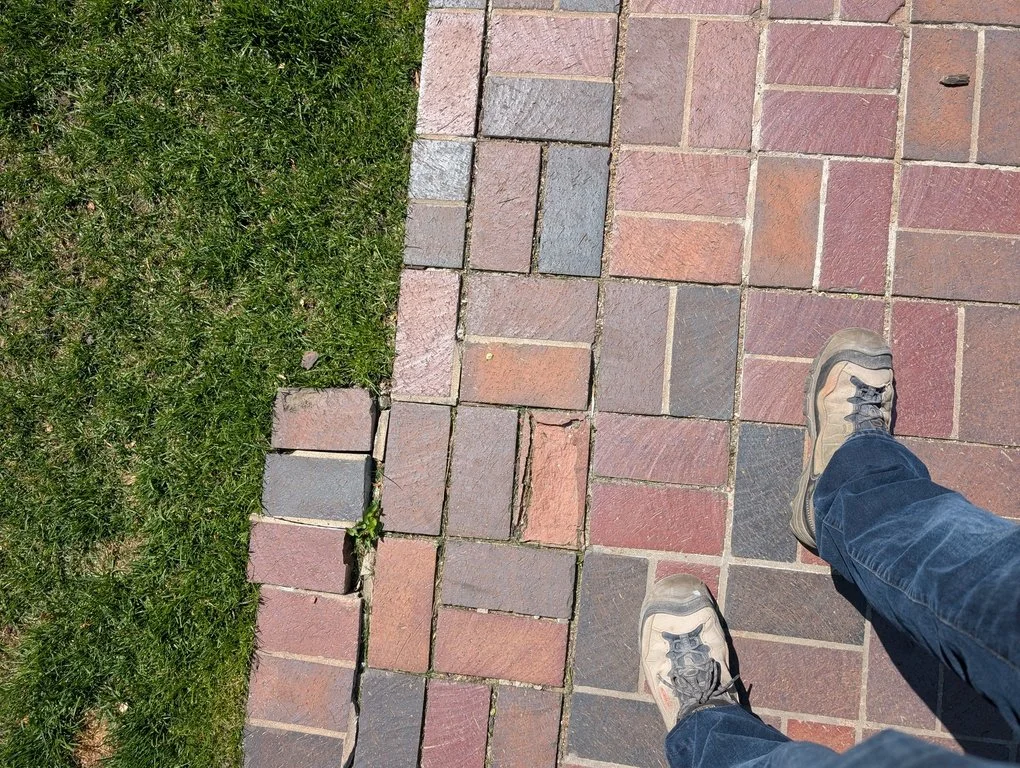
The front entry, and any wall holding back earth. Neither was given the footing the house itself got, so on a lot of this vintage they are the two things that go out of level first.
Later, the steel over wide openings
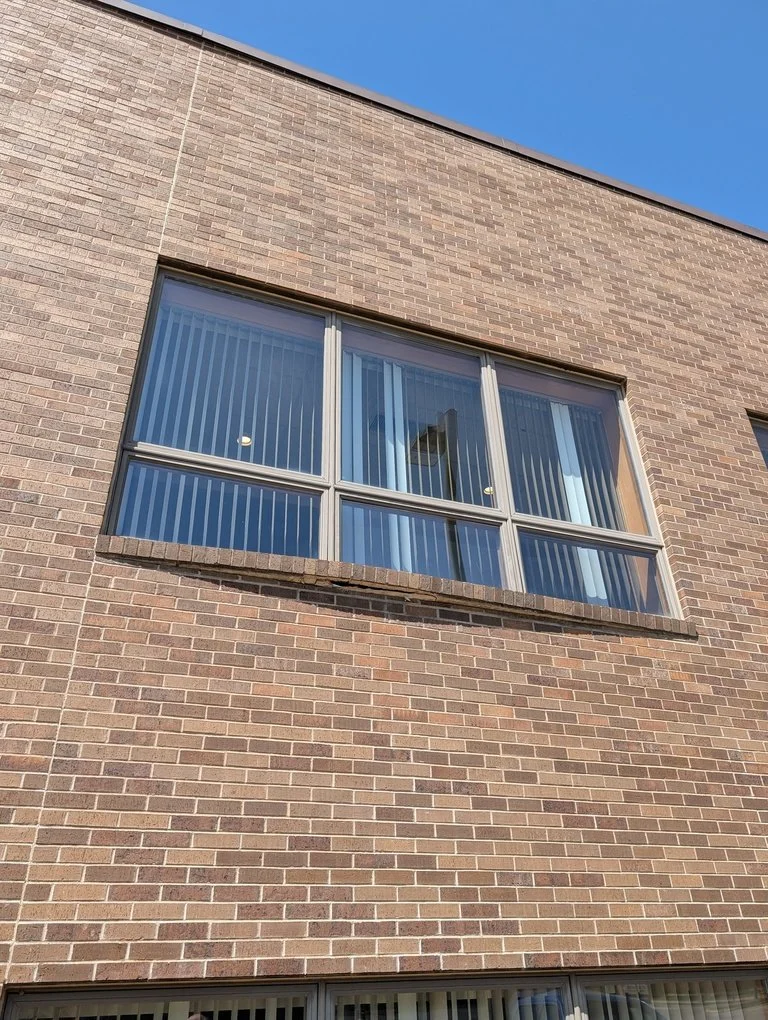
Garage doors and picture windows on housing of this era span on a steel angle. It rusts slowly, swells, and lifts the brick above it in a visible line.
Later still, or never, the wall itself
The brickwork on a house from 1990 is a face hung on a frame, laid in a modern mortar, and on the great majority of these houses it will outlast everyone reading this.
What We Do In Apple Valley
A short list, because on a house from 1990 a short list is the honest one. The last two are the ones people do not expect.
Crown work, and the judgment call that goes with it
Sealing a sound crown and rebuilding a broken one are two different jobs at two different prices, and on a stack from around 1990, it can genuinely go either way. Our crown page explains what each involves and what each costs. What matters in Apple Valley is that a house of this age is often still inside the window where sealing is the honest answer, and that window does not stay open.
Entry, stoop and step work
Rebuilt on footings taken to proper depth, because relaying the visible masonry on the same bed buys you a couple of winters at full price.
Natural stone retaining walls
Relaid using the stone already on the property where it is sound. Modular block systems are outside what we do, in either direction. In a suburb of this vintage, that is a real limit and worth knowing before you book anything.
Lintel replacement
Third on the timeline above, which, in most of this city, means it is a job for the next decade rather than this year. The corroded steel comes out, the masonry above is supported and put back.
The post-war pocket
About 1,900 Apple Valley homes date from 1940 to 1969, which is a different city within this one. Those have a brick skin held to the frame by metal fixings that have now had seventy years to rust, and when they go, the wall bellies outward. Crowns and lintels still apply to those houses. The timeline above does not. Say the year on the phone.
What we will tell you not to bother with
Free, at the visit, and on a house from 1990, this is the part that saves you money. The wall almost never needs work. Tuckpointing is usually being sold to somebody who does not need it. The sealer on the sound brick does nothing you are paying for. Sam will say so in person, which is the part of this you cannot get from a website.
The Ground Here Tells You Nothing, Which Is Itself Worth Knowing
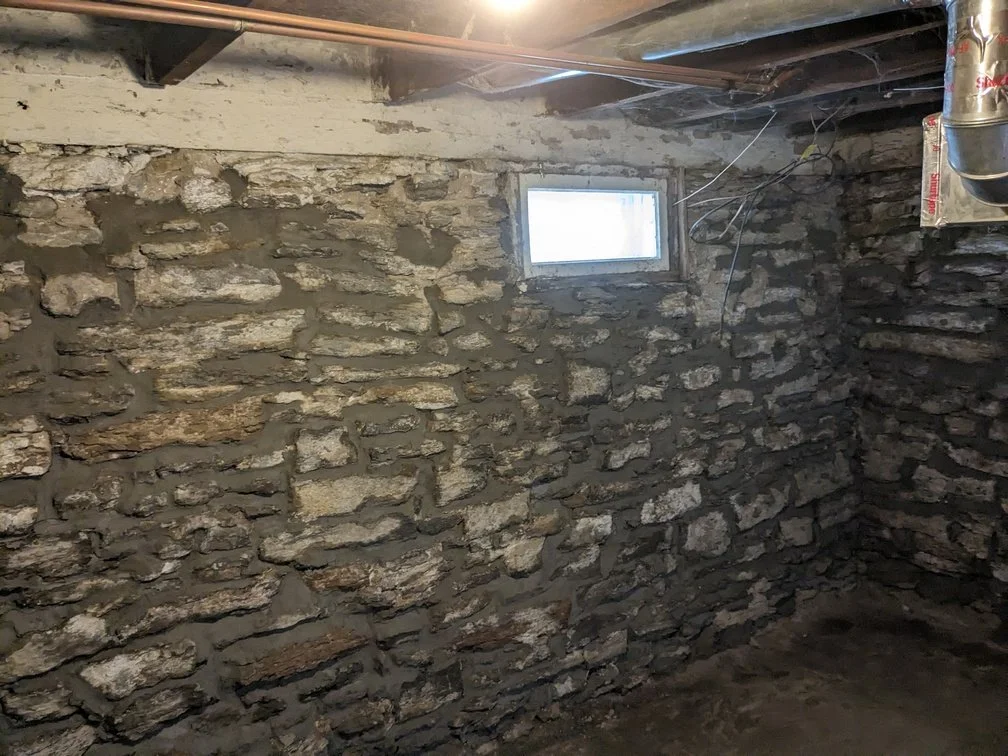
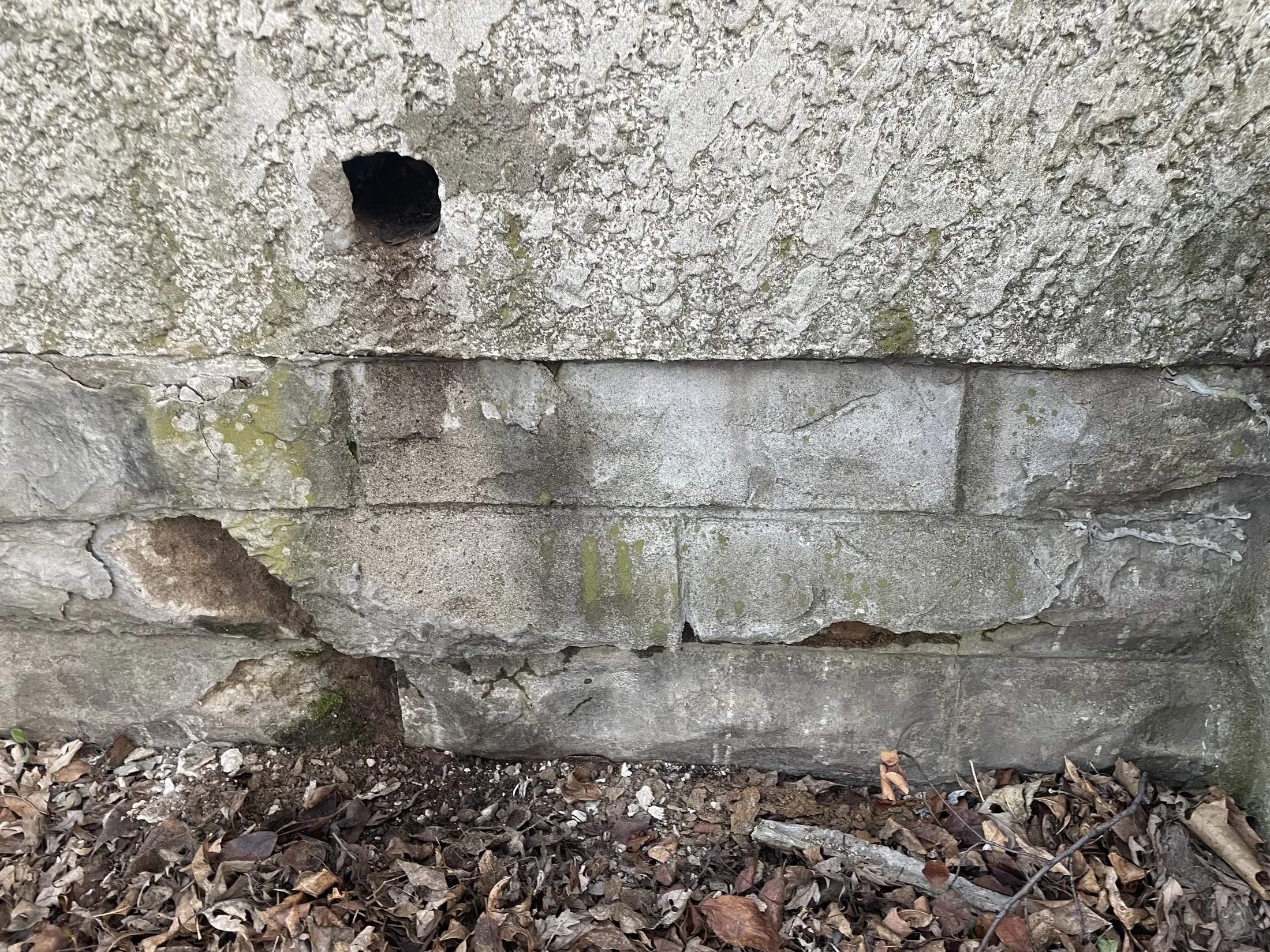
Platteville limestone is the stone that went into nineteenth-century foundations in Minneapolis and St. Paul, quarried inside those cities and used below grade where nobody had to look at it. Analysis of the state atlas mapping for Dakota County shows that of the four suburbs out this way, Apple Valley has the most Platteville at its bedrock surface, around 12 percent, against 0.1 percent under Eagan and none at all under Rosemount.
It was never available to anybody here. The rock surface across the city averages about 150 feet down; only about 3 percent of Apple Valley sits within fifty feet of rock of any kind, and there is not a single mapped outcrop. What lies nearest the surface across most of the city is St. Peter Sandstone, which is a poor building stone anywhere it is found and was certainly no use to anybody at that depth.
So the useful conclusion is negative, and we would rather give you that than dress it up. Nothing under an Apple Valley house tells you anything about the masonry on it. The year it was built tells you everything, and the rest of this page is written from that.

What It Costs
Same prices as everywhere else we work, no travel charge, and no minimum job size.
Crown work is the number most people here are after. A full rebuild runs around $5,500, and a seal on sound concrete comes in meaningfully below that, which is exactly why the judgment matters more than the price list. Repair to the stack itself opens near $3,500 on a single-story, and minor brick replacement from about $1,500.
Entries and walls do not get a published number here. What they are bedded on decides the price; that is invisible until it is opened, and a range printed on a website would be a guess.
Every one of those figures depends on square footage and on what we find when we look. They are rough guides to help you decide whether to call, not quotes. The exact number comes after the visit, and the visit is free.

What Customers Say
Apple Valley does not appear by name in any review we have been left. Writing a convincing local job that never happened would be easy and dishonest, so the live Google feed sits here instead.
Google review, September 2025Tell us what is going on with your masonry
Tell us what you are seeing and attach photos if you have them. Sam comes out himself, and you get the options priced in writing. No charge either way, and no service call fee.
Common Questions In Apple Valley
For the walls, almost certainly. For the top of the chimney, no. A crown from 1992 has now had thirty-odd winters, and on the timeline above that is the component that arrives first.
On a house from this period, it is unlikely. Repointing is what you do to old walls laid in lime-based mortar, and there are only about 240 houses that old in the entire city. Get a second opinion before you spend money on it.
There is, and more of it than under the other suburbs out this way. It sits around 150 feet down, which puts it out of reach of anybody who ever built a house here. The rock above it is a sandstone nobody would build with in any case.
No, and that is the useful answer. Everything about the masonry on an Apple Valley property is decided by the year it was built. Anyone telling you otherwise is decorating a quote.
No. Every wall we touch is natural stone, which in a suburb of this vintage rules out a fair number of the walls in the ground. Worth checking what yours is before you call anybody.
Yes, with no travel charge and no minimum. On a very small job, we might ask whether it can wait for other work in the area, and you are free to say no.
Get A Free Estimate In Apple Valley
One photograph of the chimney from the ground, and one of anything at ground level you have noticed. That is usually enough for us to tell you on the phone whether it is worth a visit.
If somebody has already quoted you, bring the quote to the visit. On a house of this age, the most useful thing we do is often to tell you that a job does not need doing.
Call (612) 509-0718 · Free estimate, in person · 10-year workmanship warranty