

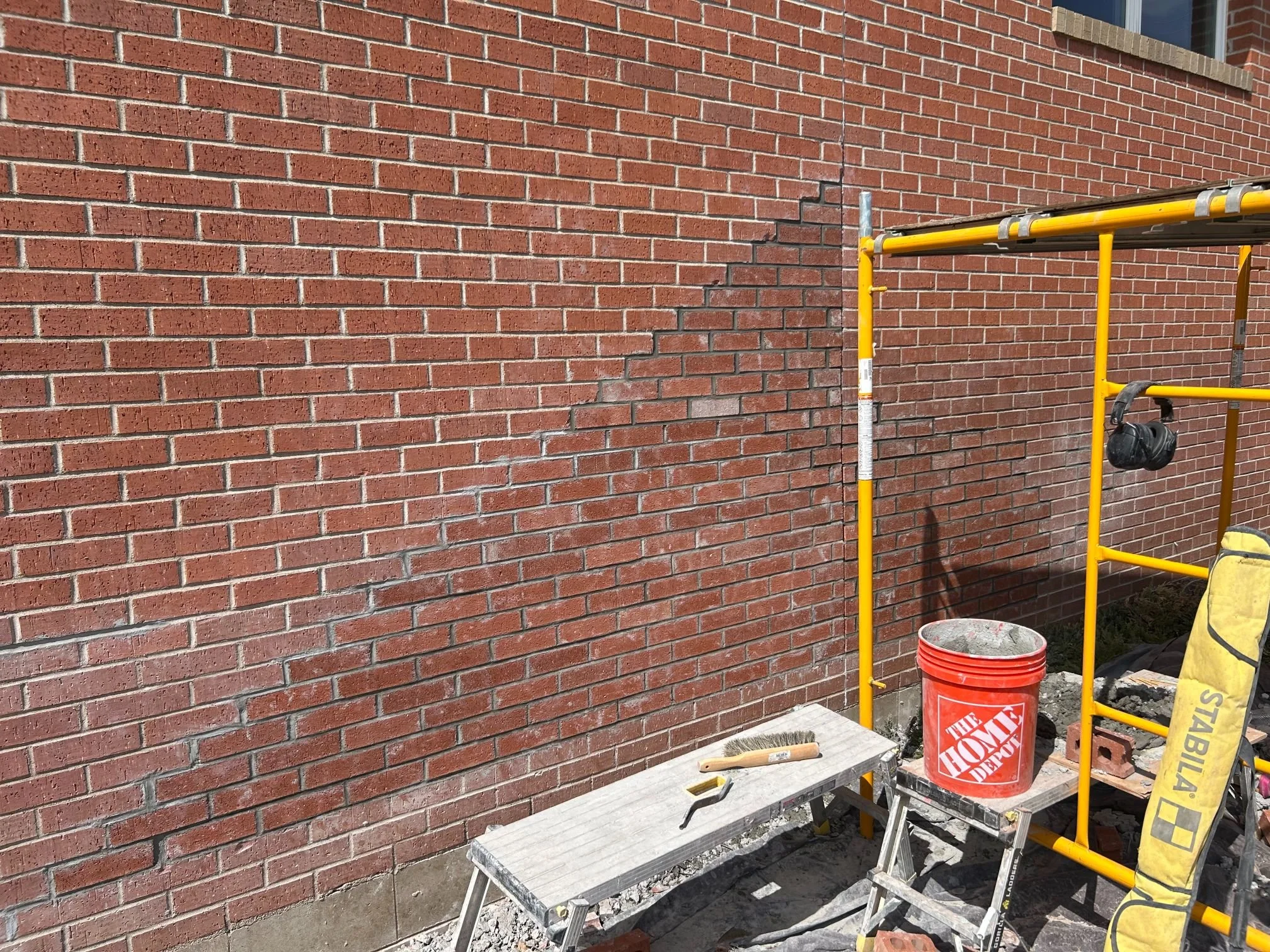
Tuckpointing in Cottage Grove
10 Years
Workmanship warranty, in writing
On a Cottage Grove brick front, each mortar joint was finished to a particular shape when the wall was laid. A repointed run tooled into a different shape appears as a stripe across the wall from the curb, even when its color is close.
Getting that shape right is part of repointing a front, alongside the mix. The grinding and the mortar choice follow our tuckpointing page, and the original joints around the repair set the shaping.
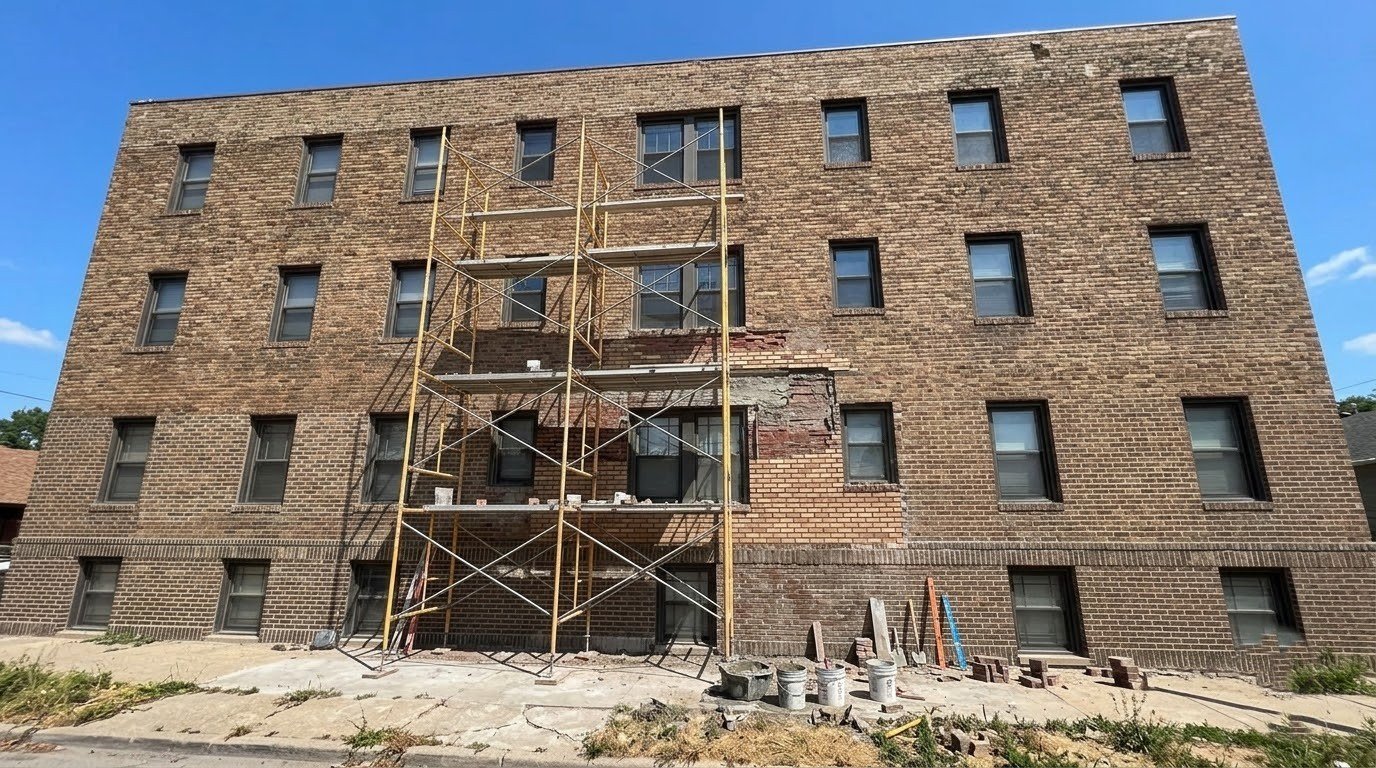
Cottage Grove Walls Old Enough to Need It
According to American Community Survey estimates, 3,029 homes were built in Cottage Grove between 1940 and 1969. Where they have brick, it has been through more than half a century of freezing and thawing. That is long enough for some joints to open and short enough that others are still sound.
On the 6,667 homes from the 1970s through the 1990s, a profile match is more likely to be a chimney job than a wall job.
The city also has 228 homes from before 1940. Brick that old can be softer, and the mortar for it is specified only after Sam has seen the wall.
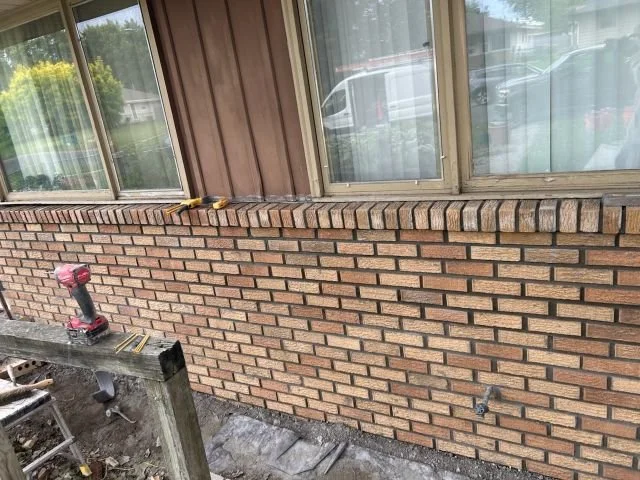
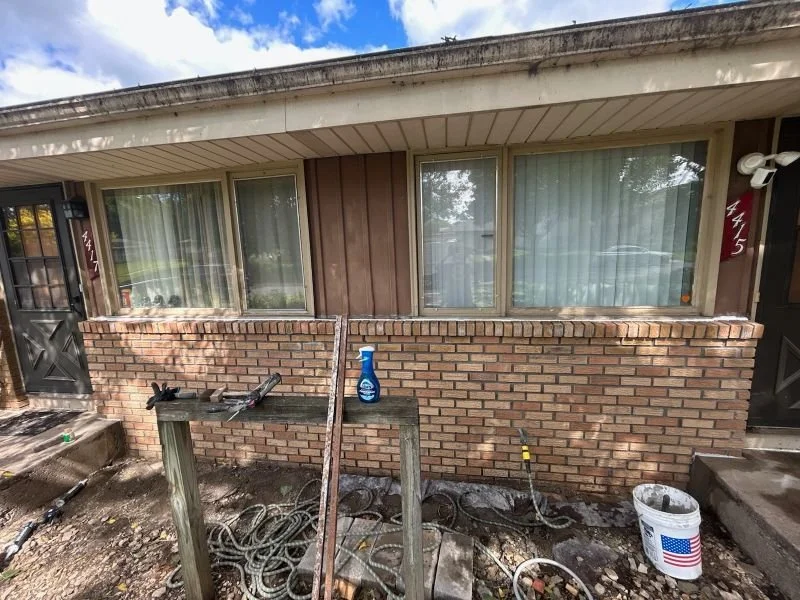
A Front Repointed to Its Own Profile
Reading the wall
At the free estimate, Sam notes the profile each wall was finished to and whether any earlier repair breaks it.
The written estimate
It names the runs to be repointed. Color is a separate choice: a standard mix or a custom blend at an added cost.
Grinding
With the beds and windows below covered, the grinder takes each failed joint to depth, following our tuckpointing page. A joint cut wider than its neighbors reads as wider, however carefully it is tooled, so the aim is to keep the cut to the original width.
Packing and tooling
New mortar goes in and is tooled to the profile the wall already has, at the stage our tuckpointing page describes.
Brushing down
Smears are brushed off before they harden, because mortar left on a brick edge blurs the line the tool has just cut, and the site is cleaned up before we go. Exterior mortar work is scheduled for weather mild enough for it to cure.
Matching the Shape of the Old Joints
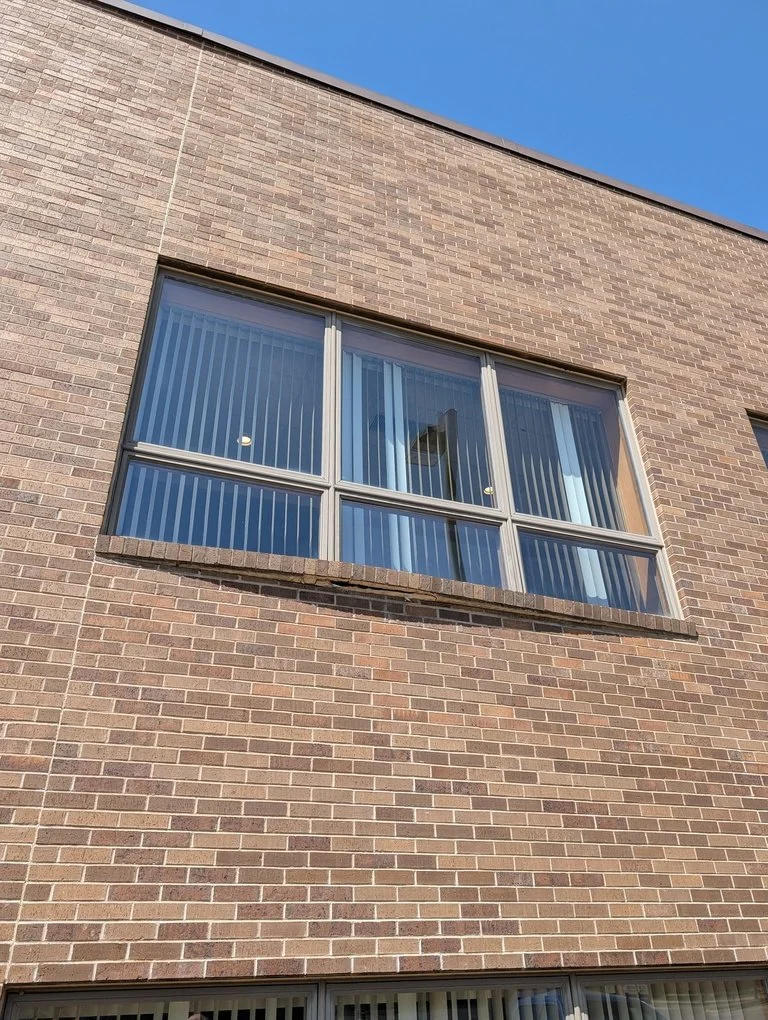
A mason finishes each joint with a tool while the mortar is still shapeable, leaving a profile behind. A concave joint is pressed into a shallow curve. A V joint is pressed into a groove that comes to a point. A flush joint is cut off level with the brick. A raked joint is scraped back so it sits in shadow behind the face. The profile known as a weathered joint slopes, set back under the brick above and flush at the bottom.
The profile decides how light falls on the wall. A concave or V joint holds a thin line of shadow, a raked joint a deep one, and a flush joint almost none, so more of the mortar shows. A patch tooled concave in a wall of raked joints shows as a pale band from the sidewalk, because the shadow lines stop where the patch begins.
Age changes the picture on a 1960s front. After more than 50 years, the old joints have softened at the surface, and the brick edges beside them may have rounded off. A new joint tooled crisp and full can look sharper and wider than the worn ones around it. The National Park Service's guidance on repointing suggests keeping new mortar slightly back from the face where brick edges have worn, so the joint does not read wider than it is. How far back is a judgment for each wall.
The profile matters for water as well as looks. The Brick Industry Association prefers concave and V joints on exterior brick because tooling them packs the mortar dense at the face. It advises against raked joints outside because they leave a ledge along the lower edge where water can collect. On a wall finished that way, matching keeps the look, and the trade-off is worth talking through at the estimate.
When the joint is tooled matters too, and our tuckpointing page explains why.
Where the Profile Work Applies
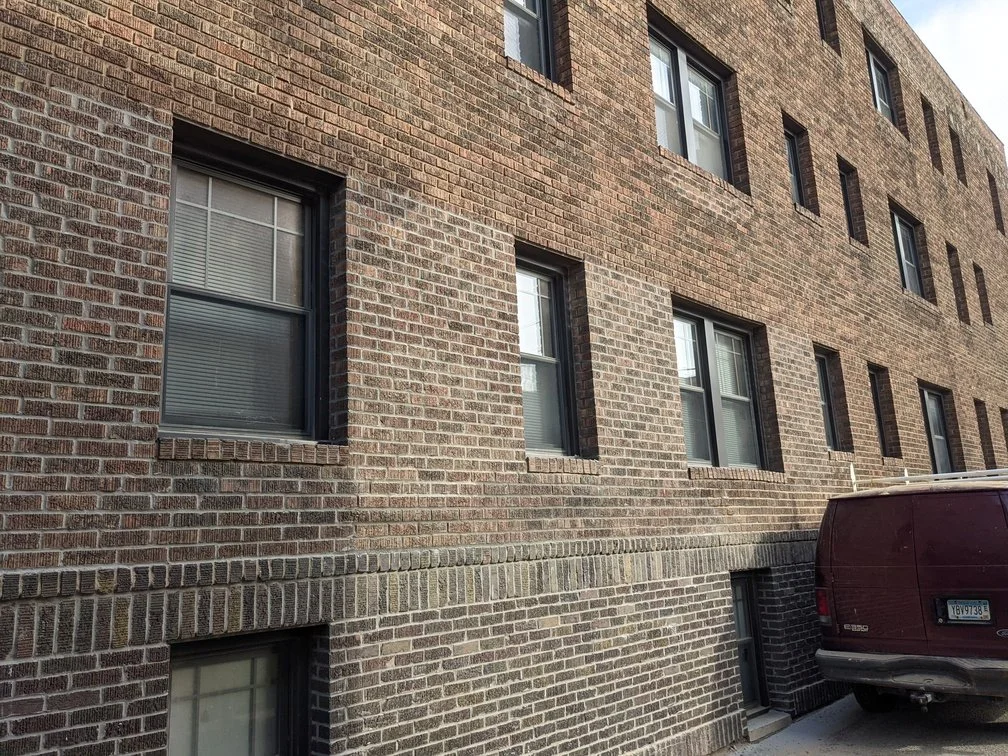
Brick fronts on 1960s houses
Failed runs repointed and tooled to the wall's own profile. Runs that have only weathered stay as they are.
Chimneys
The stack's joints are priced on our chimney repair lines and repointed alongside the rest of the chimney work. The stack itself is covered on our Cottage Grove chimney page.
Walls on the pre-1940 houses
Repointed with a mortar chosen for that brick. Officially designated historic buildings are referred out.
Garage and garden walls in brick
Repointed with the house, on one estimate, when their joints have failed.
Left out
Joints around spalled bricks, since those bricks have to be replaced first on our brick repair page. Caulk used in place of mortar. Paint or coatings on brick.
Figures for a Cottage Grove Wall
Tooling to the wall's existing profile is part of the repointing itself and carries no line of its own:
A small area, under roughly 10 by 10 feet: from about $2,800
An entire house wall, repointed: around $6,000 to $8,000
More walls, up to every side of the house: priced from there upward
The chimney: on our chimney repair price lines
A custom color blend raises the figure, and so do joints worn deep enough to take longer to cut back.
Every figure on this page depends on square footage and on what we find when we look. They are rough guides to help you decide whether to call, not quotes. The exact number comes after the visit, and the visit is free.
Joint Profiles: What People Want to Know
Why does our last repair stand out?+
Redoing it to match can go on the estimate as its own priced option, and if its joints are sound, it can also stay as it is. A repair gives itself away in three ways: color, joint width, and profile. A run ground wider than the original, or tooled flat in a wall of curved joints, keeps showing after its color has weathered in.
Do all four sides of the house need the same profile?+
Each wall is matched to the joints already on it. If a side wall was finished differently from the front, a repair on that side follows the side.
Is a pre-1940 wall matched any differently?+
The method is the same, though the reading takes longer. Older joints can be narrower or tooled into a different shape, and a narrow joint leaves less room for error when cut out.
Can the joints be changed to a different profile?+
On part of a wall, a change shows as a break in the shadow lines, so a new profile makes sense only where a whole wall or the whole house is being repointed. That is a decision to make with Sam at the estimate.
What Customers Say
What appears below is our live Google feed, not testimonials we picked out, so it shows whatever is genuinely on it.
Sunlight Across the Old Joints
What helps on the first call:
- Photograph a stretch of original joints that nobody has touched, with sunlight falling across the wall.
- Add any earlier patch, with the original joints around it in the frame.