

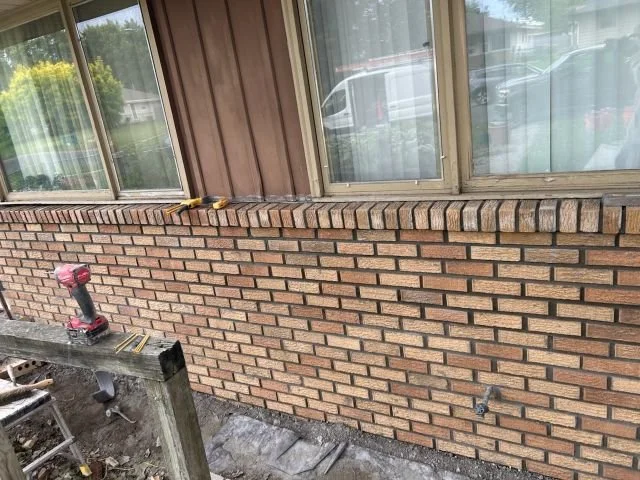
Tuckpointing in Apple Valley
10 Years
Workmanship warranty, in writing

From the end of the driveway, a mortar joint that has weathered and one that has failed look much alike. Up close, they are two different things, and on an Apple Valley house, the difference decides whether you need tuckpointing at all. Most Apple Valley houses date from 1970 onward, and on walls that young, weathered is the more likely finding.
Our Apple Valley page ranks wall repointing behind other work on these houses, and we stand by that here. When a joint has failed, we grind it out and pack new mortar in by the method on our tuckpointing page. When it has not, nothing goes on the estimate for it.
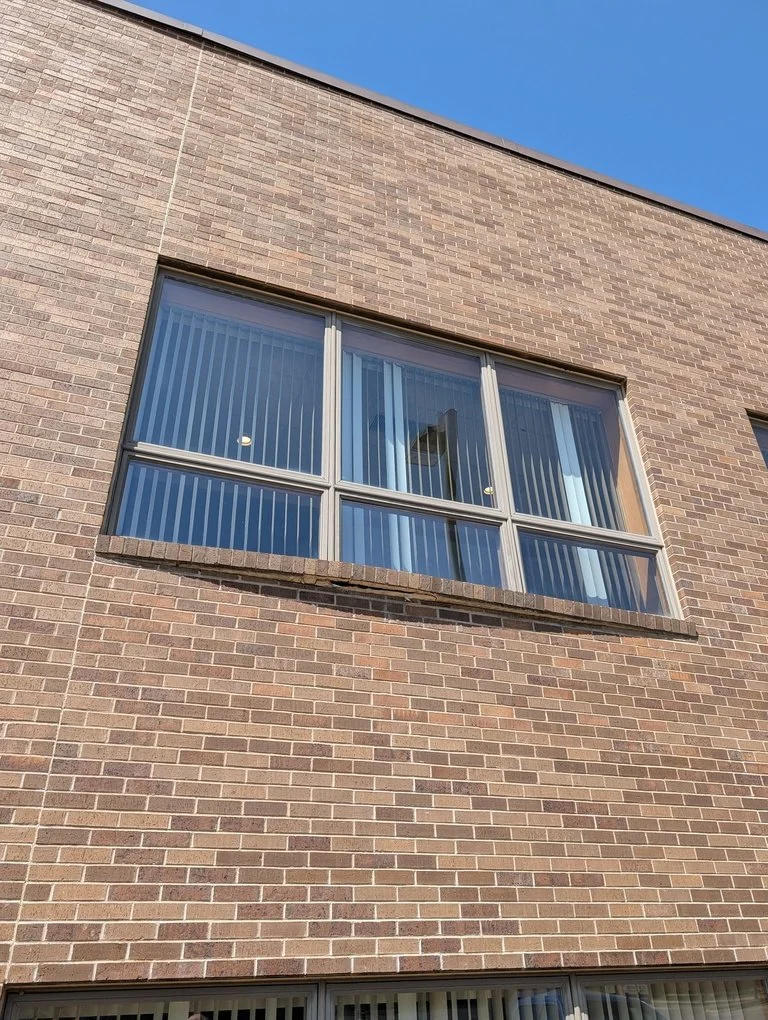
Weathered Joints and Failed Joints
Weathering is the slow wear every outside joint goes through. Rain takes the smooth skin off the mortar, leaving it rougher and sandier to the eye; its edges round over a little, and its color drifts. Under that surface, a weathered joint is still hard and still full, and it still keeps water out of the wall.
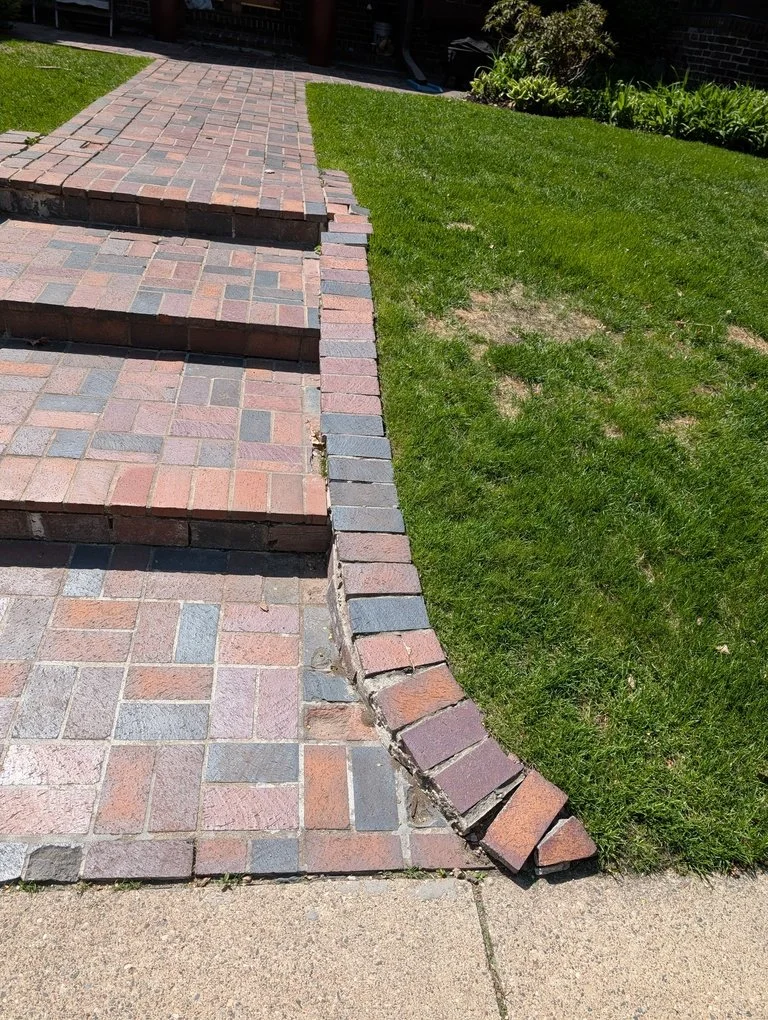
A failed joint has lost its binder deeper down. The mortar gives way as sand when something is drawn along it; it has dropped back from the brick far enough to hold water, or it has parted from the brick along an edge and opened into the wall. From there, each freeze works on it a little more, as our tuckpointing page explains.
The line between the two matters because grinding is not risk-free. Cutting out a joint that was still sound throws away good mortar, and every pass of the blade puts the brick edges beside it in play. A weathered joint is better left alone, and what matters on any wall is how much of it has crossed the line: one corner, a few courses beside the drive, the chimney above the roof or a whole side of the house.
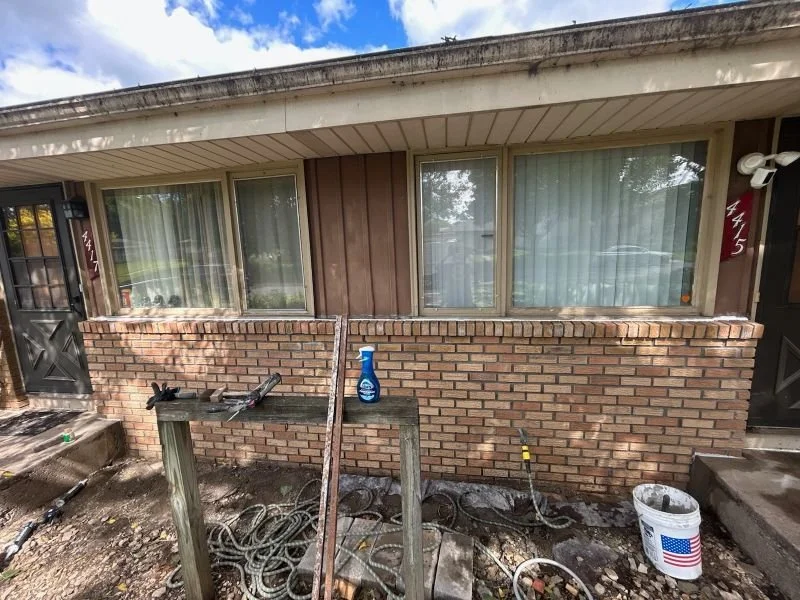
That is also how to read a tuckpointing quote, ours included. The part worth checking is where the work is: which walls, how much of each, and whether the chimney is in it. If a quote you hold covers every wall of a house built since 1970, it is reasonable to ask for a second look before you sign, and our free estimate visit can be that second look.
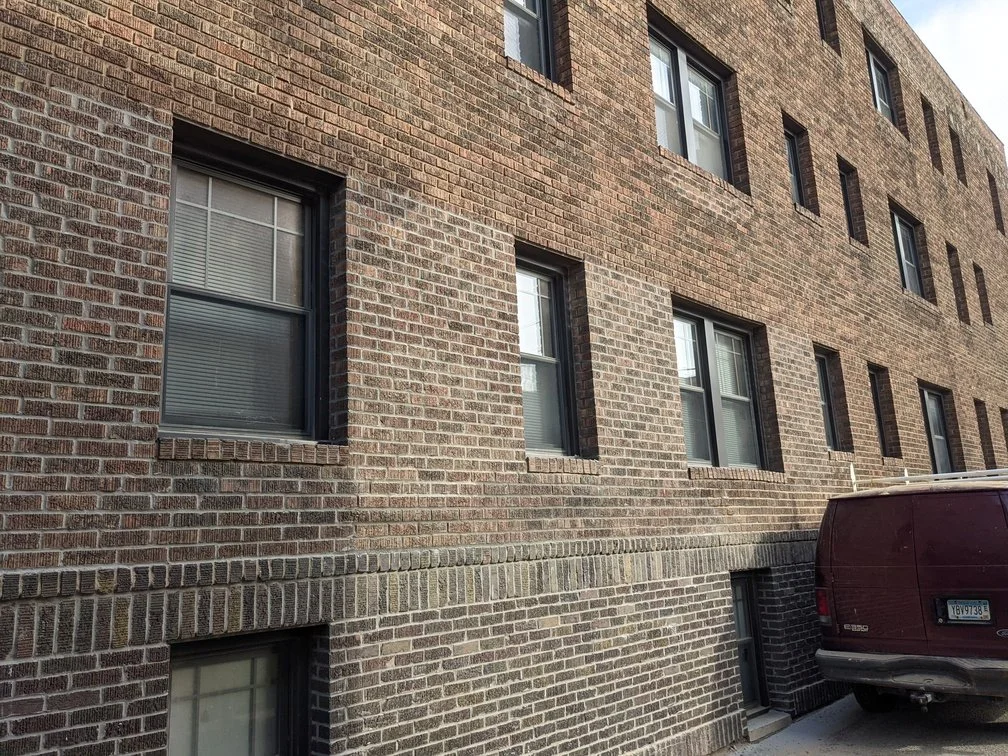
Signs It Needs Doing, Signs It Can Wait
Signs the joints have failed
Mortar that crumbles to sand when a key is drawn through it, below the surface as well as on it
Joints sunk so far behind the brick face that water and dirt sit in them
A dark gap between mortar and brick that runs back into the joint, not just a line on top
Crumbs of mortar on the ground or the sill below, or holes where pieces have dropped out
Signs they can wait
A rough, sandy look on the surface of mortar that is still hard underneath
Joints a shade lighter or darker than the day they were laid
Edges that have rounded over while the joint still sits close to the face of the brick
Any sign from the first list puts that stretch on the estimate. Signs from the second list alone describe a wall to leave as it is and check again in time.
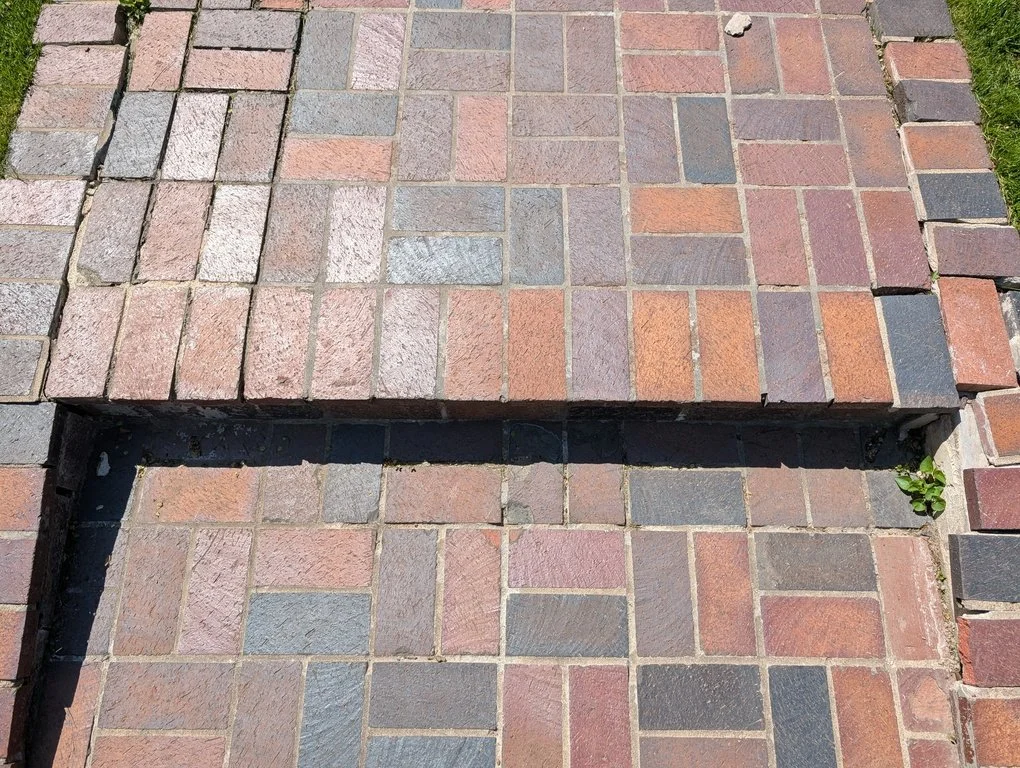
Where Repointing Is Real in Apple Valley
Only about 2,170 of Apple Valley's homes predate 1970. Much of that older group arrived in a rush: between 1963 and 1968, Orrin Thompson's company built 1,556 homes across 11 subdivisions in what was still Lebanon Township, which voted in 1968 to become the Village of Apple Valley.
Where one of those houses has brick, on a front, a band below the siding or a chimney, its joints have stood in the weather since the 1960s, and failed stretches are a real possibility there. A 1960s front that has bulged outward is a different problem from worn joints, and our brick repair page covers it. Older still are the 233 homes from before 1940, too few to generalize about.
On a younger house, look up before you look at the walls. The chimney is often where a 1990 house shows failed joints first, while the brick below the eaves stays sound. Chimney repointing goes with the rest of the chimney work, which our Apple Valley chimney repair page covers.
Prices When the Joints Have Failed
Once failed stretches are found, they are priced on the ranges our tuckpointing page publishes.
A failed stretch no larger than about 10 by 10: from about $2,800
Every joint across one entire wall: around $6,000 to $8,000
Several walls, taken together: priced from there upward
Chimney joints: priced on our chimney repair lines as part of the chimney work
A wall whose joints are sound is not priced at all.
Every figure on this page depends on square footage and on what we find when we look. They are rough guides to help you decide whether to call, not quotes. The exact number comes after the visit, and the visit is free.
Second-Opinion Questions
The quote we have covers every wall of our 1990s house. Is that likely to be needed?+
It would mean every wall failed at once, which a wall-by-wall look can confirm or rule out. Sam looks at each wall on its own, and where only a corner or the chimney has gone, the price covers only that.
Is a hairline crack in a joint a failed joint?+
Not by itself. A fine line on the face of hard mortar is part of weathering. It becomes a failure when the gap opens back into the joint, keeps widening, or has sandy mortar beside it.
Do you charge to tell us the wall is fine?+
No. The estimate visit costs nothing, whether it ends with a price or without one.
How can we keep an eye on weathered joints ourselves?+
Choose one stretch on the wall that takes the most weather and photograph it from the same spot once a year. Side by side, the photos show whether joints are sinking, pieces are going missing, or gaps are opening at the brick edge, and if they are, send them to us.
What Customers Say
What appears below is our live Google feed rather than testimonials we picked out, so it shows whatever is genuinely on it.
Have a Quote Already? Send It Along
What helps on the first call:
- The quote itself, or the part of it that lists which walls and how much of each
- A photo of each side of the house, plus a close-up of the joints that worry you
- With both, the quote can be checked against the walls in the photos.