

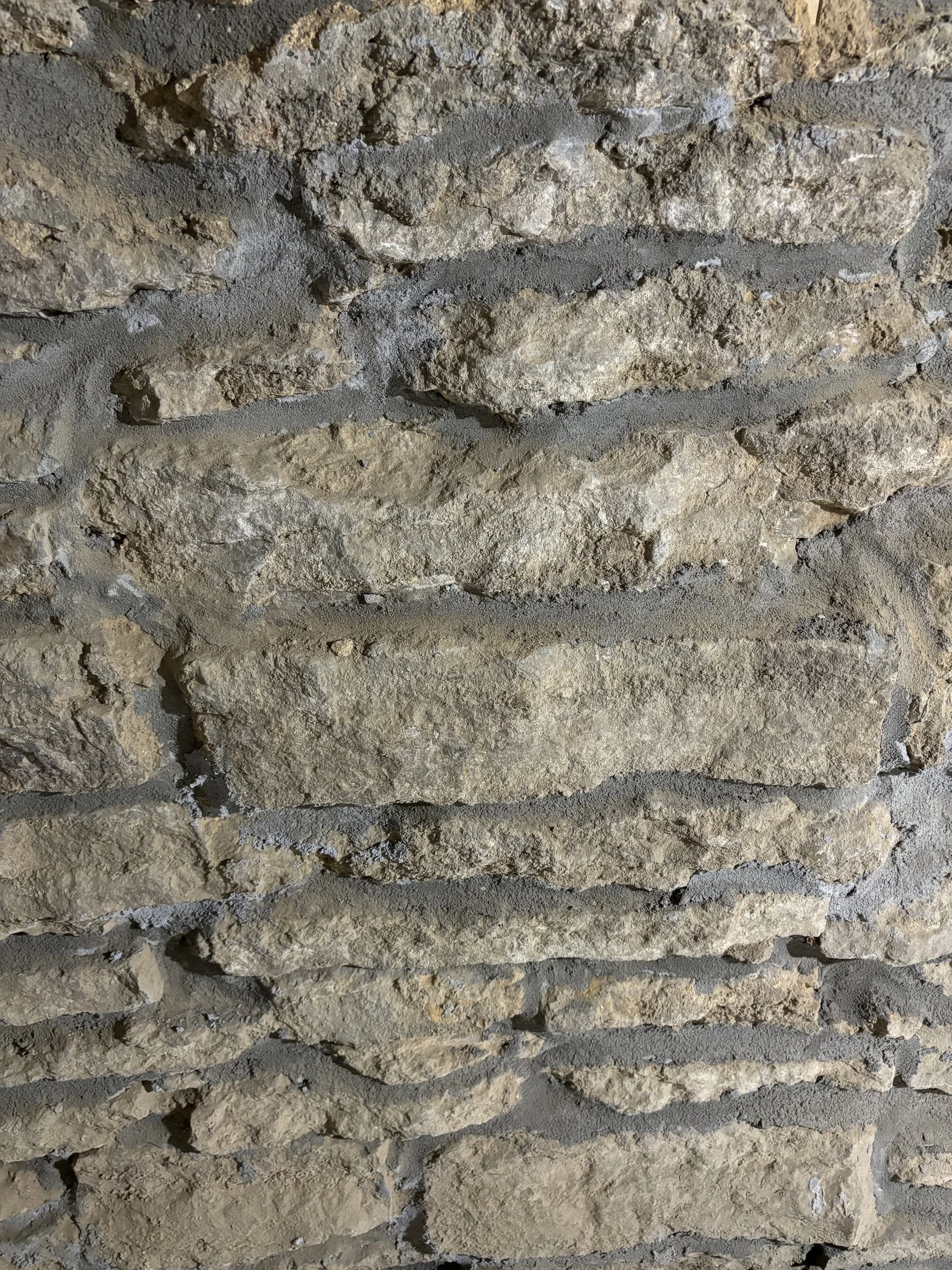
Stone and Retaining Walls in Minneapolis
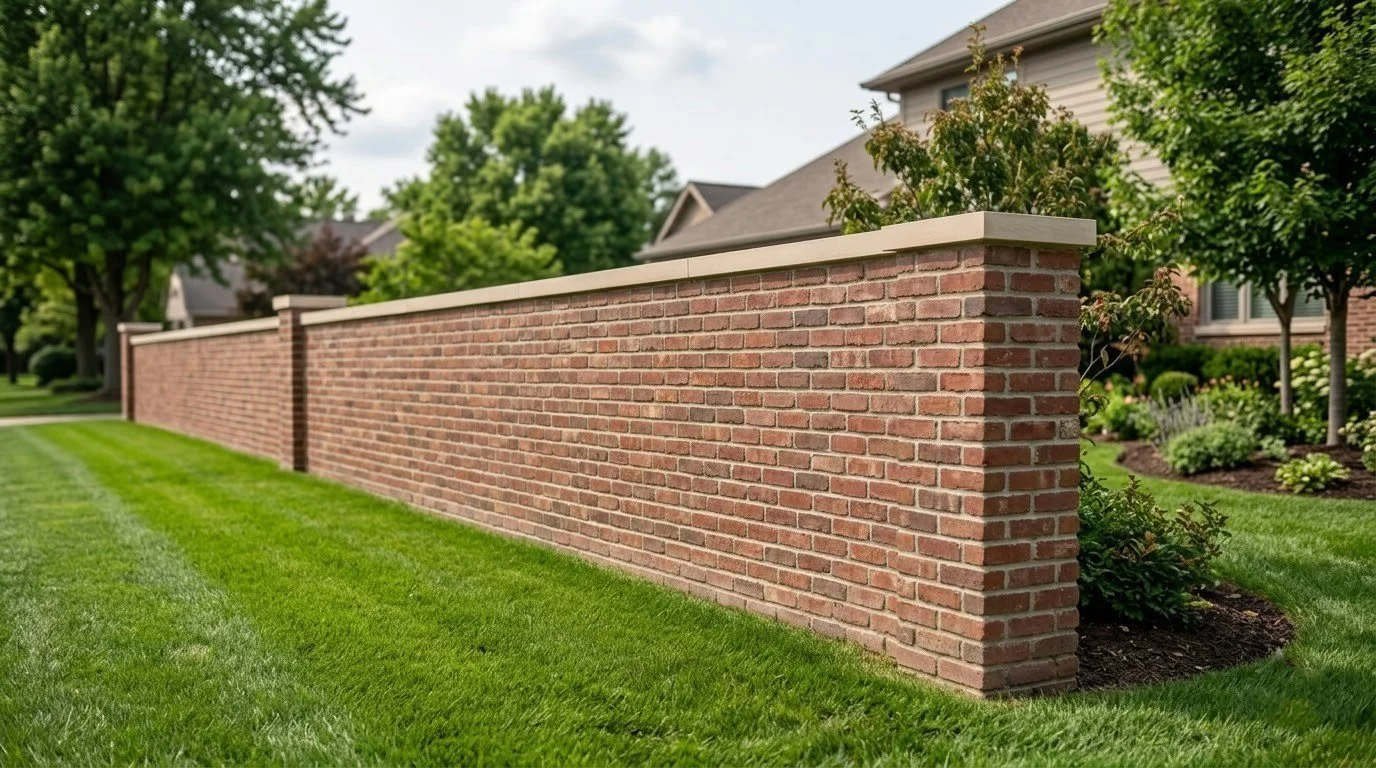
A low stone wall along the public sidewalk, holding a front lawn up a little or just marking where the yard ends, stands in a part of a Minneapolis lot that the City's sidewalk crews also work in.
10 Years
Workmanship warranty, in writing

The City's Sidewalk Cycle
The City inspects and replaces sidewalks area by area, and its crews need the edge of the walk clear before they start. For a stone wall, that decides when a rebuild should happen and how big the job is.
The City inspects its sidewalks by neighborhood, on a rotation that comes around every 20 to 25 years. Inspectors walk all the public sidewalks in the area being inspected and mark each panel they find defective with a painted white dot.
Cracked or settled panels get a dot, but the City adds that a panel can look sound and still be marked, because it may not meet the minimum standard or may not drain properly, so the dot is a better guide than the cracks you can see. Owners in an area it plans to fix get a notice. Crews then work block by block, and the City says repairs usually take one to two days on a single block.
For a wall beside the walk, those white dots are the signal to watch. Paint on the panels in front of your wall means the sidewalk crew is coming, and a wall rebuilt before then could soon be in the way again. A block that was inspected recently may not see the program again for many years, which makes it a good time to rebuild. The rotation is not the whole story, though: the City combines sidewalk work with other construction, its own, other agencies' and private projects, so planned work on your street can bring the sidewalk crew sooner. It also keeps a sidewalk repair map of its project areas, so a block can be checked there as well as for paint on the walk.
What the Sidewalk Crew Needs Cleared
Before the City works in the sidewalk area, it asks owners to remove and store special landscaping, brick pavers, stones, plantings and shrubs, fences and retaining walls. To build a new panel, the crew saw-cuts the old one and removes it by machine, then, in most cases, takes out a strip of grass and soil 4 to 6 inches wide along both sides of each defective section and sets its forms there. Once the work is finished, the City's list for owners includes putting the landscaping back.
A planter or a row of loose edging stones can be lifted aside and set back. A mortared stone wall cannot. If its face stands within those few inches of the walk, or leans out over the edge, clearing it for the crew would mean taking it down, and putting it back would mean building it again. A wall whose base rests on the old slab or tight against its edge can also be shaken loose when that slab is cut and lifted out. A wall taken down for the sidewalk comes back in its own stone wherever that stone is sound.
So a wall that has to come down for the crew goes back after the new sidewalk is in. The City finishes by spreading black dirt and grass seed along the new panels, so a rebuild booked soon after works in that loose new soil before a lawn has grown over the line. Pouring the sidewalk itself is not our work; the City's crew or a concrete contractor does that.
Sometimes what appears in front of a marked panel is a strip of asphalt. The City may lay a temporary asphalt path to keep people from tripping until it fixes the sidewalk, and it replaces all permanent sidewalks with concrete. An asphalt strip along the foot of the wall likely means the crew has not finished there: the saw-cutting and the forms for the new panel are still to come, so the wall still waits for them.
Terraced Front Yards in Prospect Park
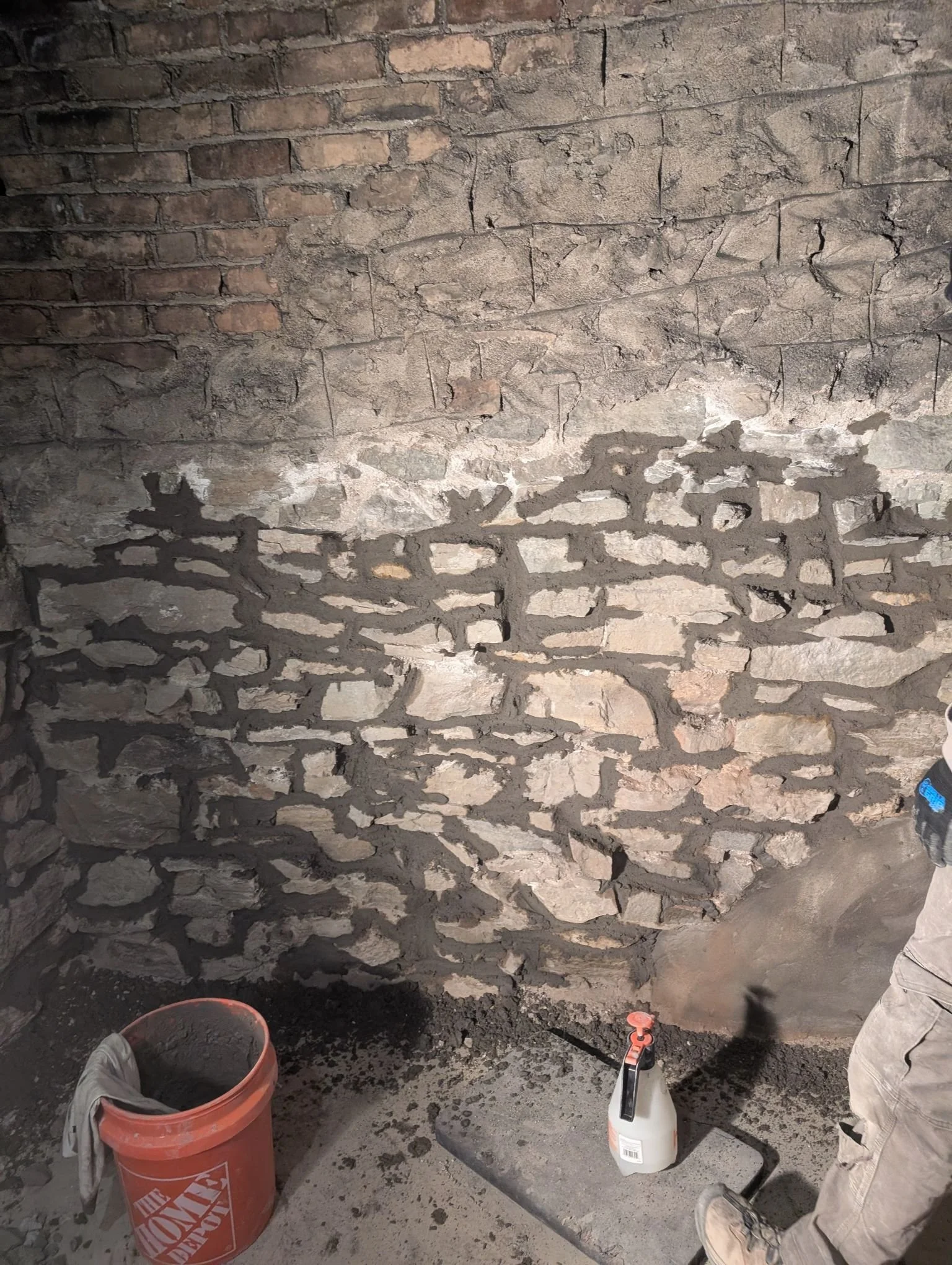
Some Minneapolis sidewalk walls hold back far more than a strip of lawn. The National Register nomination for the Prospect Park residential district, prepared in 2014, says that builders there "took advantage of the terrain, incorporating terracing and picturesque masonry or concrete retaining walls into the overall landscaping." It notes houses set on elevated sites, with lawns that slope toward the street, and it lists stone and concrete retaining walls among the district's landscape features.
On a street like that, the wall at the walk may be the lowest step of a terraced yard, carrying the weight and the water of the ground above it. Rebuilding it is a retaining-wall job from the base up, and the drainage behind it takes account of the slope above it, up past the lawn just behind the top course.
The nomination names two materials, and the stone walls are the ones we rebuild. A concrete retaining wall on the same street belongs to another trade. If the City has designated your property, the wall goes to a mason who works on designated properties, and we can tell you who.
What Sets the Price of a Sidewalk Wall
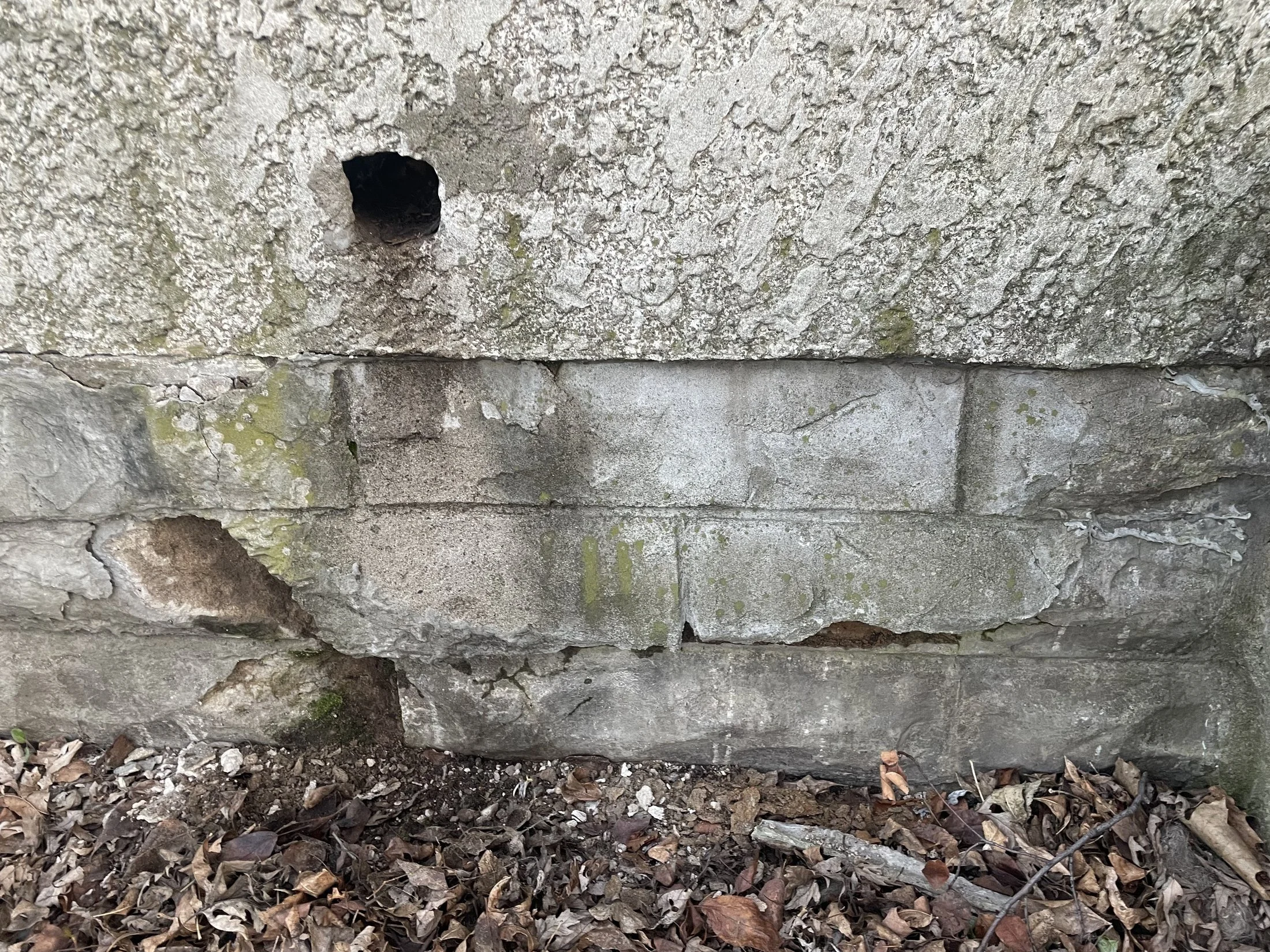
Stone walls carry no published price; each is priced once Sam has walked it. On a wall along the sidewalk, the price turns on:
- How long and how tall the wall is, and how much of it has to come down
- Whether it has to clear the way for the sidewalk crew and go back up after
- Whether it holds up a raised yard, which brings the drainage behind it into the job
Before you call
Every figure on this page depends on square footage and on what we find when we look. They are rough guides to help you decide whether to call, not quotes. The exact number comes after the visit, and the visit is free.
Water Coming Off a Raised Front Yard
Where a wall holds a front lawn above the walk, the water in that lawn has to come out somewhere, and on a wall at the sidewalk that means onto or across the walk. The sidewalk program covers the sidewalk sections themselves, and, in the City's words, is "not meant to fix larger area drainage issues."
A new panel, then, will not cure water that comes through or over the wall. That belongs to the wall: what sits behind it and how the water gets out. A retaining wall we rebuild gets its drainage as it goes up, and on a wall at the walk, where that water leaves is planned with the new sidewalk in mind. Our main stone walls page covers the drainage behind a retaining wall and how it is built.
An old block or timber wall along the walk can come out ahead of the City's crew and go back in natural stone or fieldstone; repairing block or timber is not our work.
When the Notice Has Come
The notice has come, but no panel in front of our wall carries a white dot. Does the wall still have to wait?+
It may not. The crew replaces the marked panels and sets its forms along the sides of each marked section, so a wall beside unmarked panels can stand outside that strip. The City's request to clear the sidewalk area still stands, so check the notice for your block first.

What Customers Say
What appears below is our live Google feed rather than testimonials we picked out, so it shows whatever is genuinely on it.
Photos of a Sidewalk Wall
To plan the wall around the sidewalk, send:
- A photo along the wall from one end, with the sidewalk in the frame
- Whether the sidewalk beside it carries a white dot, or the City's notice has arrived
- How high the yard stands above the walk at the wall's tallest point, and whether the lawn keeps rising toward the house
- What the wall is made of now: stone, fieldstone, block or timber