

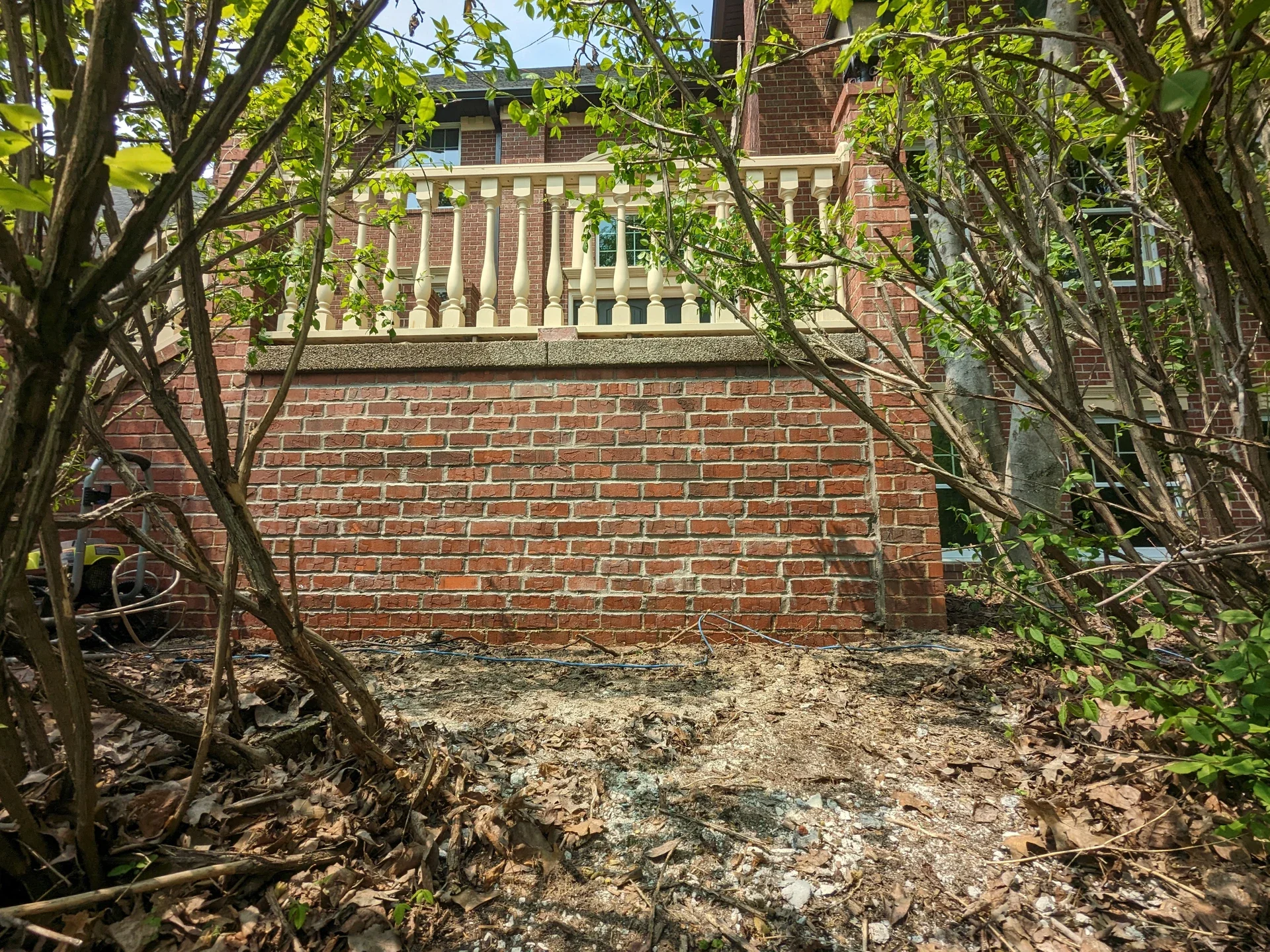
Stone and Retaining Walls in Mendota Heights
Two lobes of ice reached what is now Mendota Heights, and the ground each one left still splits the city roughly east from west. For a stone or fieldstone wall, that split bears on two things: which stone colors will look at home in your yard, and what the digging for the wall's base is likely to encounter.
10 Years
Workmanship warranty, in writing

The Ground Each Lobe Left
The Minnesota Geological Survey's atlas of Dakota County maps the ground at the surface. Overlaid on the county's house records, the atlas puts about two-thirds of the city's houses on till left by the Superior lobe, a sandy, stony mix the atlas classes as moraine. That is the ground under most houses along Dodd Road and Delaware Avenue and on Ivy Falls Avenue and Somerset Road.
About one in five sit on sand and gravel from the Des Moines lobe, sorted and laid down by its meltwater. Those are on the Lexington Avenue side of the city, along Victoria Curve and Wagon Wheel Trail and in Rogers Lakeside East.
The atlas is drawn at county scale, so one lot can differ from the lots beside it, and no single street marks where one side ends. Your street is a good first guess at which side you are on.
Which Stone Suits Which Side
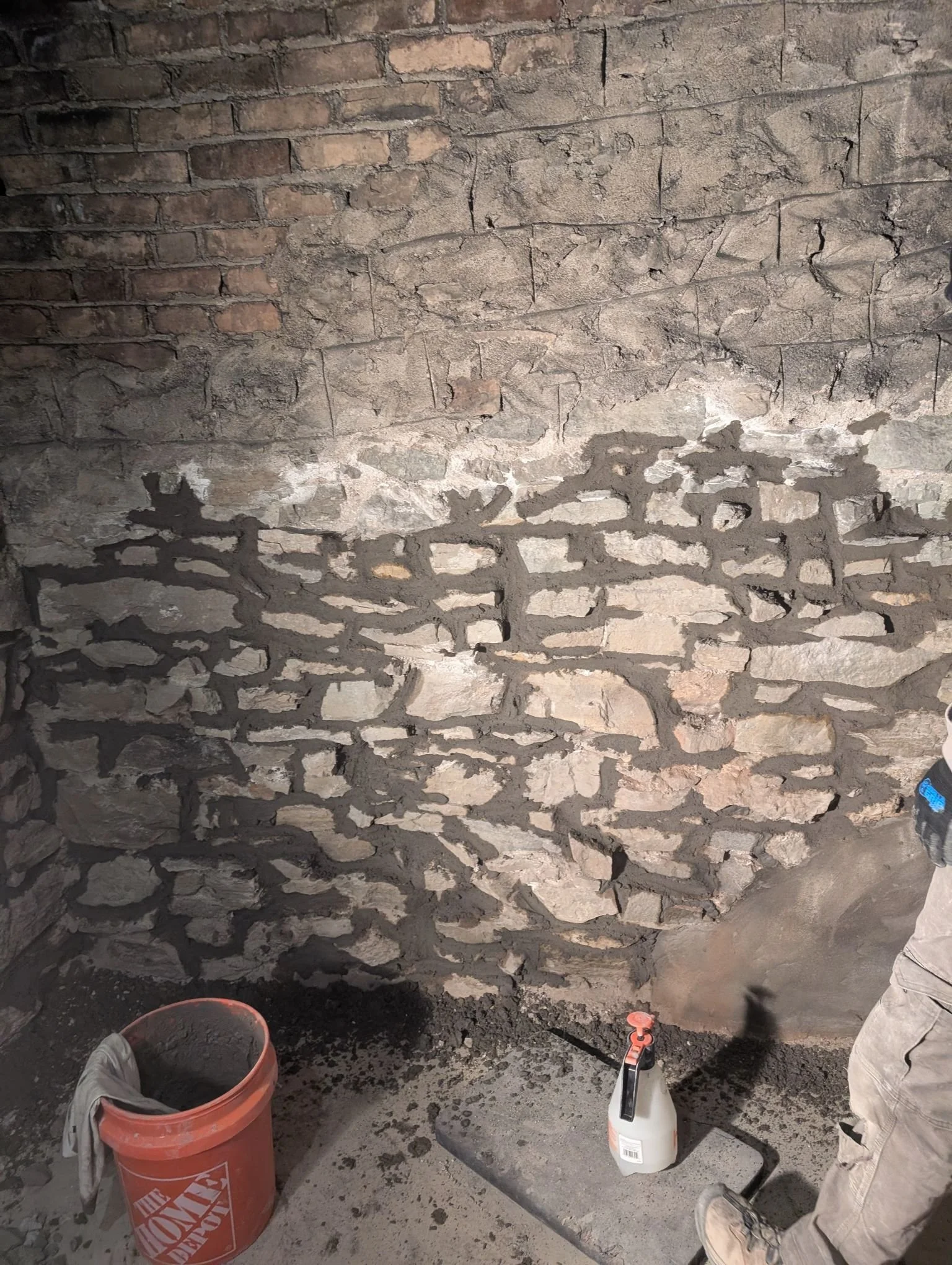
On the east side, the stone in the ground came in with the Superior lobe, and the Survey describes Superior-lobe till as distinctly red, with red sandstone and agates among its rocks. An owner there who wants a wall in the colors of the stone in their own ground starts from that red.
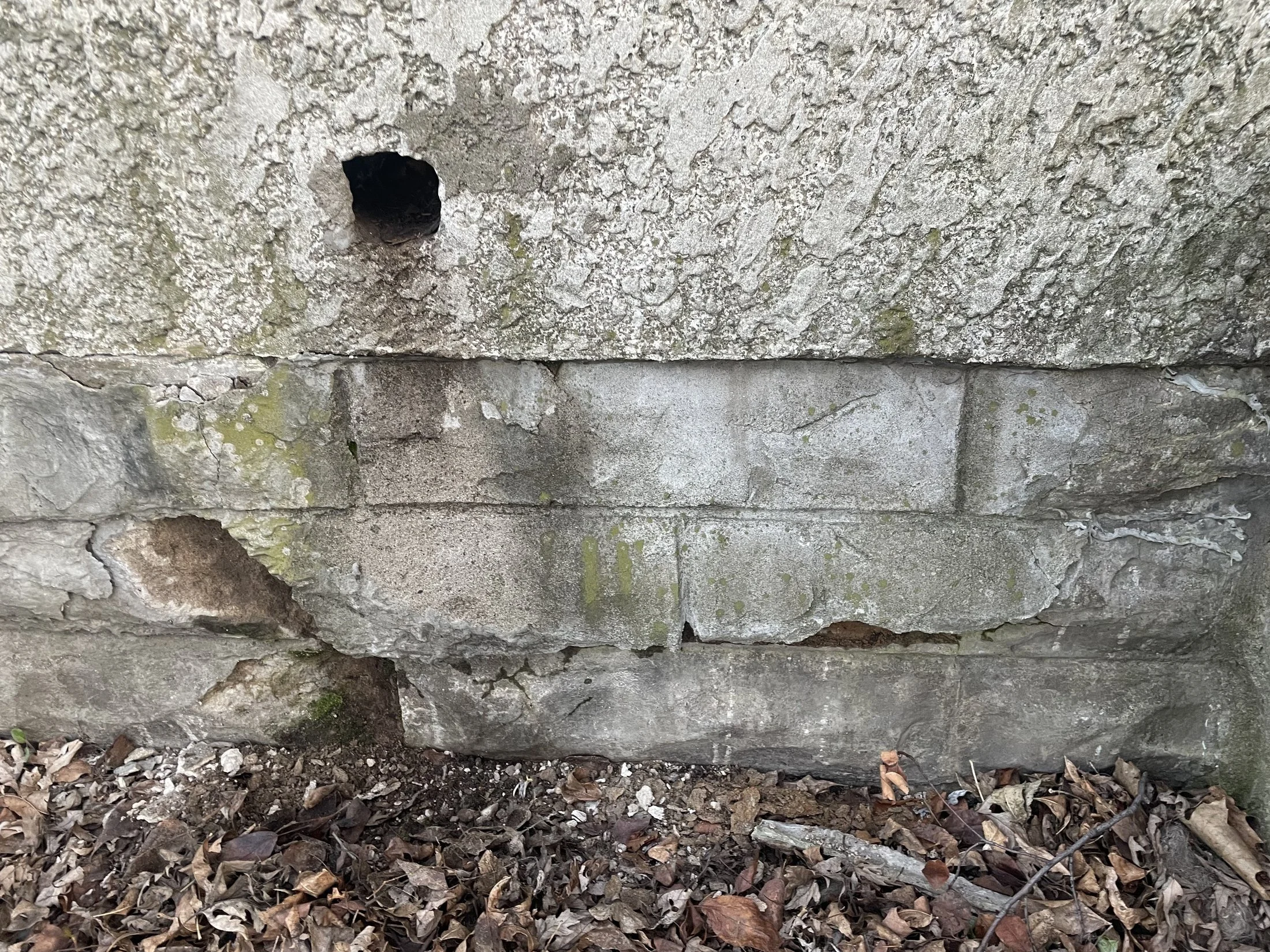
West, toward Lexington Avenue, the ground is largely sorted meltwater sand and gravel, and the lobe behind it left till the Survey calls gray to brown, with shale in it. A gray-to-brown stone matches that ground; a reddish one there is a deliberate choice about how the wall sits with the house, and a cut natural stone in a color picked with Sam is another route.
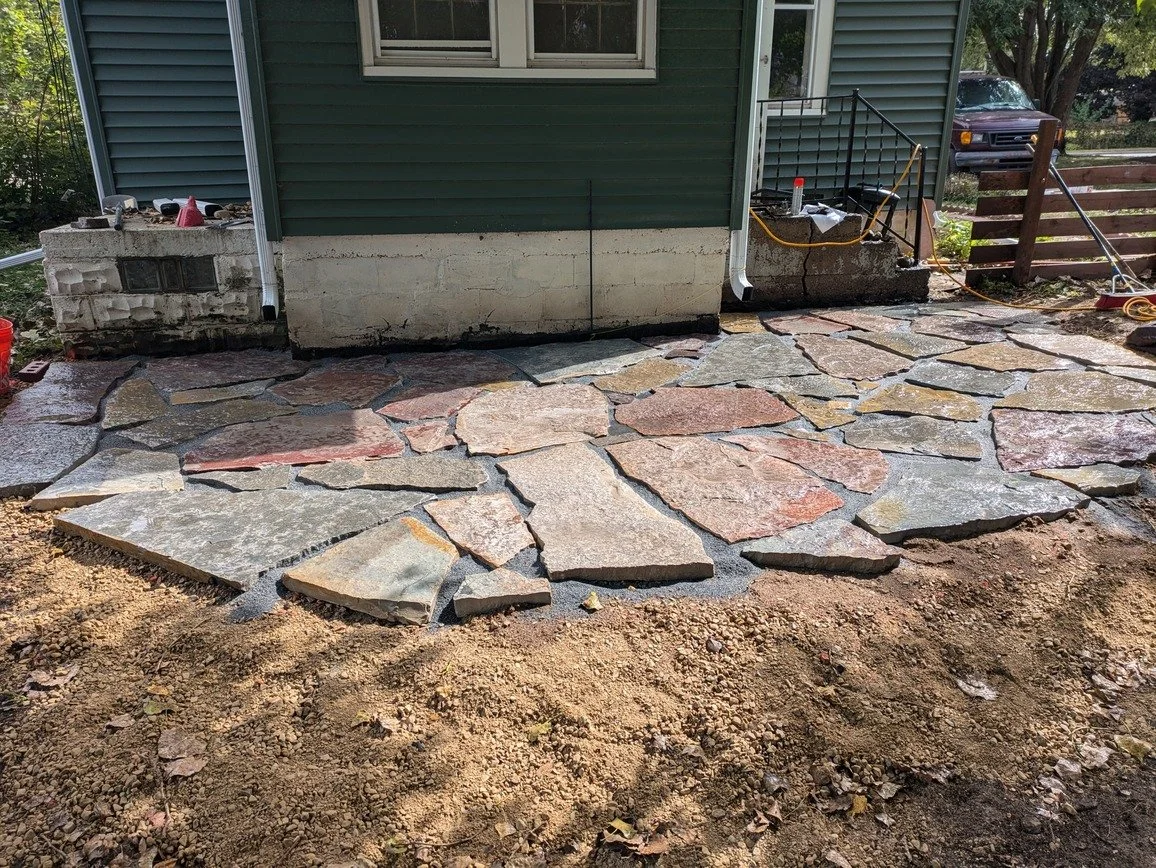
To see the colors before you choose, you can go to a stone yard and look at the options there, using a stone from your own dig or a photo of one to hold against them.
A Red Ground, a Mixed Stone
Red describes the east-side till as a whole more than any one stone in it. When the atlas sorts the coarse sand grains in its samples of that till, nine in 10 are crystalline rock, one in 10 carbonate and none shale. Of the crystalline grains, about two-thirds are light granite and gneiss, a fifth are dark rock and an eighth are red, a group it gives as iron formation, rhyolite, agate and sandstone. The Survey's own sample of pebbles from Superior-sourced till runs the same way: light granite-type rock, dark metamorphic and volcanic rock, quartzite, ironstone, sandstone and reddish volcanic stone.
So a wall meant to look like the stone in an east-side yard is likely a mixed palette, light and dark with red running through it, and an all-red stone is only one reading of that ground. That is useful to know before the trip to the stone yard.
What the Base Trench May Meet
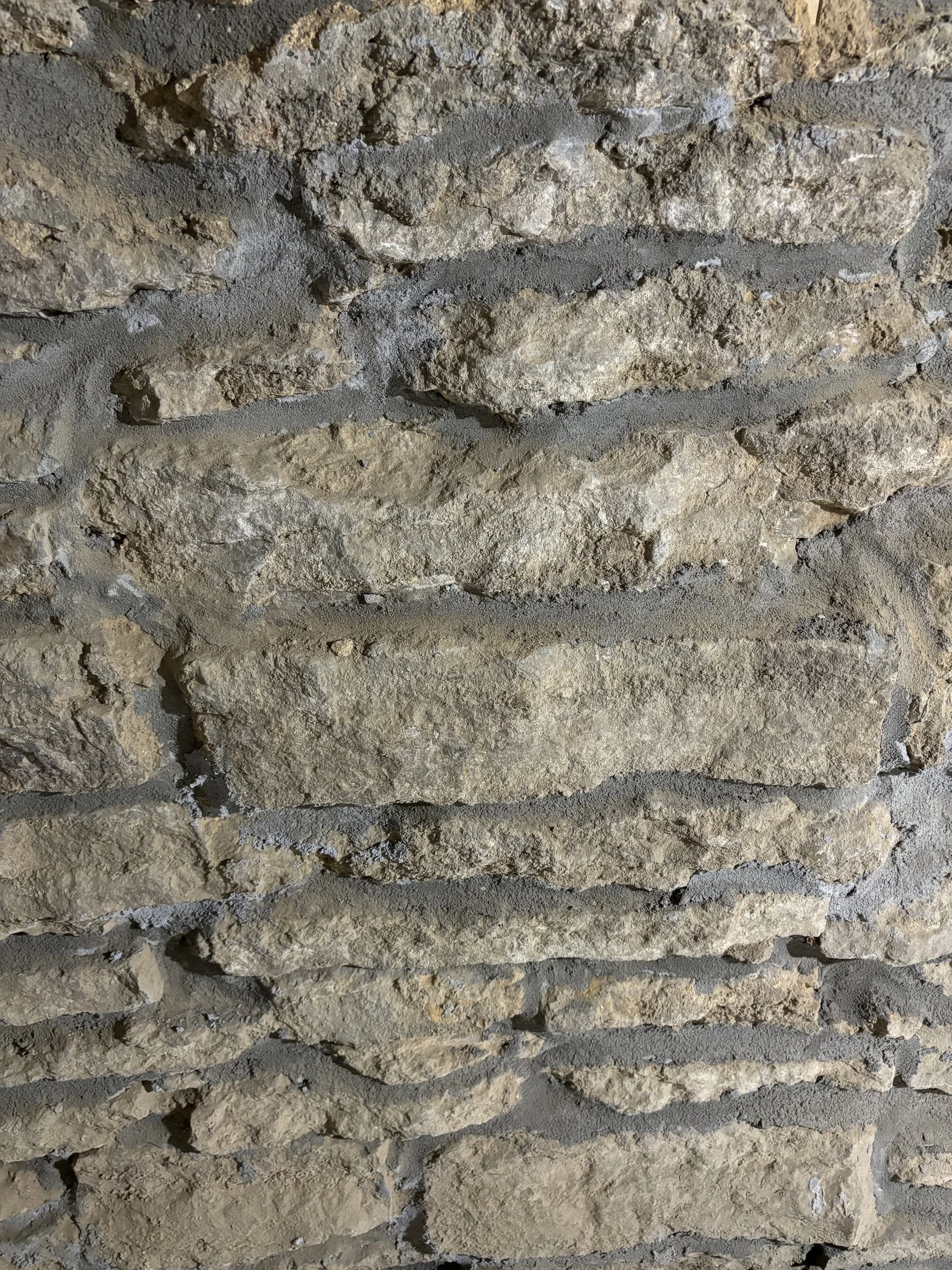
Digging for a wall's base on the east side goes down into that stony till, and a trench there may turn up cobbles and the odd boulder. On the west side, the map shows sorted sand and gravel where the base goes.
The atlas also rates each deposit as a source of construction sand and gravel: the west-side meltwater deposit as a primary source, the east-side till as none. On a west-side lot, large stones coming up in a dig would be unexpected.
Two east-side neighborhoods break the pattern. Under many of the houses in Friendly Hills and Delaware Crossing, the atlas maps two other deposits from the same Superior lobe: sand to loamy sand and gravel laid down by meltwater, and silt that settled in a glacial lake basin. A trench on one of those lots may cut into sand or silt loam where the rest of the east side meets stony till.
Your own yard may already have shown you which ground you have. Stones turning up when a bed was dug, a patio went in, or an addition was built are the better guide.
What Goes Into the Figure
The stone you choose changes the figure. So do the wall's height and length and the base and drainage it needs.
Before you call
Every figure on this page depends on square footage and on what we find when we look. They are rough guides to help you decide whether to call, not quotes. The exact number comes after the visit, and the visit is free.
If a Boulder Turns Up
If the trench turns up big boulders, can the wall be built from them?+
No. Boulder walls aren't work we take on, whatever the dig turns up; the wall itself is built in natural stone or fieldstone.
The wall we need is tall. Will you build it?+
Yes, provided you already have an engineer of your own. Sam takes those walls on and builds them to the engineer's plan.

What Customers Say
What appears below is our live Google feed rather than testimonials we picked out, so it shows whatever is genuinely on it.
What to Send From a Mendota Heights Yard
With your request, send:
- Your street
- Whether stones came up the last time the yard was dug, and roughly how big they were
- A photo of any stone on the house or around the yard that you would like the wall to go with