

Foundation Repair in St. Louis Park
The St. Louis Park Historical Society records houses in this city that were moved to new lots, including one that was moved twice. Some made way for a highway, some for a school playground. For a house that was moved, foundation masonry repair starts with one extra question: whether the wall under it is as old as the house.
10 Years
Workmanship warranty, in writing

Houses That Made Way for the Roads
Highway 100 went through the middle of the city in stages. It was first paved in 1927, built out by relief crews between 1934 and 1941, and widened in the 1960s, and each stage had houses in its path. The Historical Society's street histories record one house pulled to the back of its lot when the highway was first paved, another taken to a new street in about 1935, and one moved twice for the highway, by a neighbor's account: once in 1937 and again in 1967.
The widening cleared a whole stretch. "Between 1968 and 1969, the houses on the east side of the highway, from 41st to 44th Street, were moved or razed," the Society writes, and many houses there, mostly from 1939 to 1941, were bought by moving companies "and hauled off in the middle of the night."
Not every house in the way was old. On one stretch of the route, the Society notes that the 40-foot lots were "for the most part" not built on until after the Second World War and were cleared in the 1960s. One man moved into his new house in the fall of 1952 and was told by the state that the highway would go through it in the spring of 1953; the house was moved in 1967. So a house moved into this city can be a postwar house as well as a prewar one, and the question of when it reached its present lot applies to both.
A school moved houses as well. In the late 1940s, a house built around 1925 on Vernon Avenue was moved to Webster Avenue after the school board bought the land to enlarge the Brookside School playground, and a second house on that block was moved off around 1950 for the same playground. The Society's history of the school adds two more, moved in 1954 to make the playground bigger again.
A Wall Laid After the Move
The Historical Society also records how two buildings that were moved in the city got their walls. In 1936 the American Legion bought a four-room portable school building and moved it "to a site where the Legion had dug a basement" on Excelsior Boulevard. In 1950 the old Holy Family Church was moved to West Lake Street to become the community center, and "after two years up on blocks," it was given a foundation. A 75-by-25-foot basement was added after that.
On a moved house, the wall under it is likely no older than the move, and it may have gone in more than one stage.
The Year the County Kept
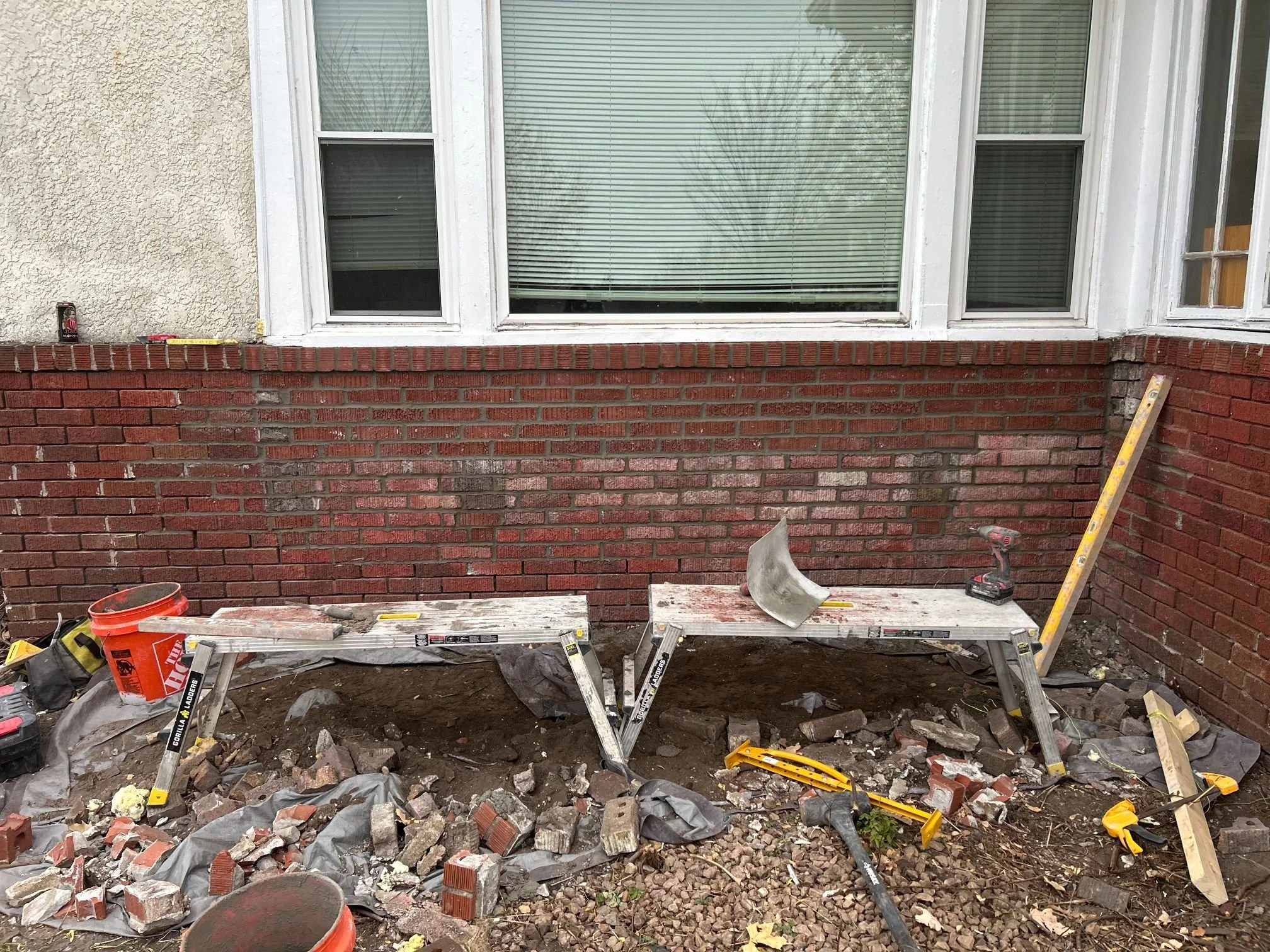
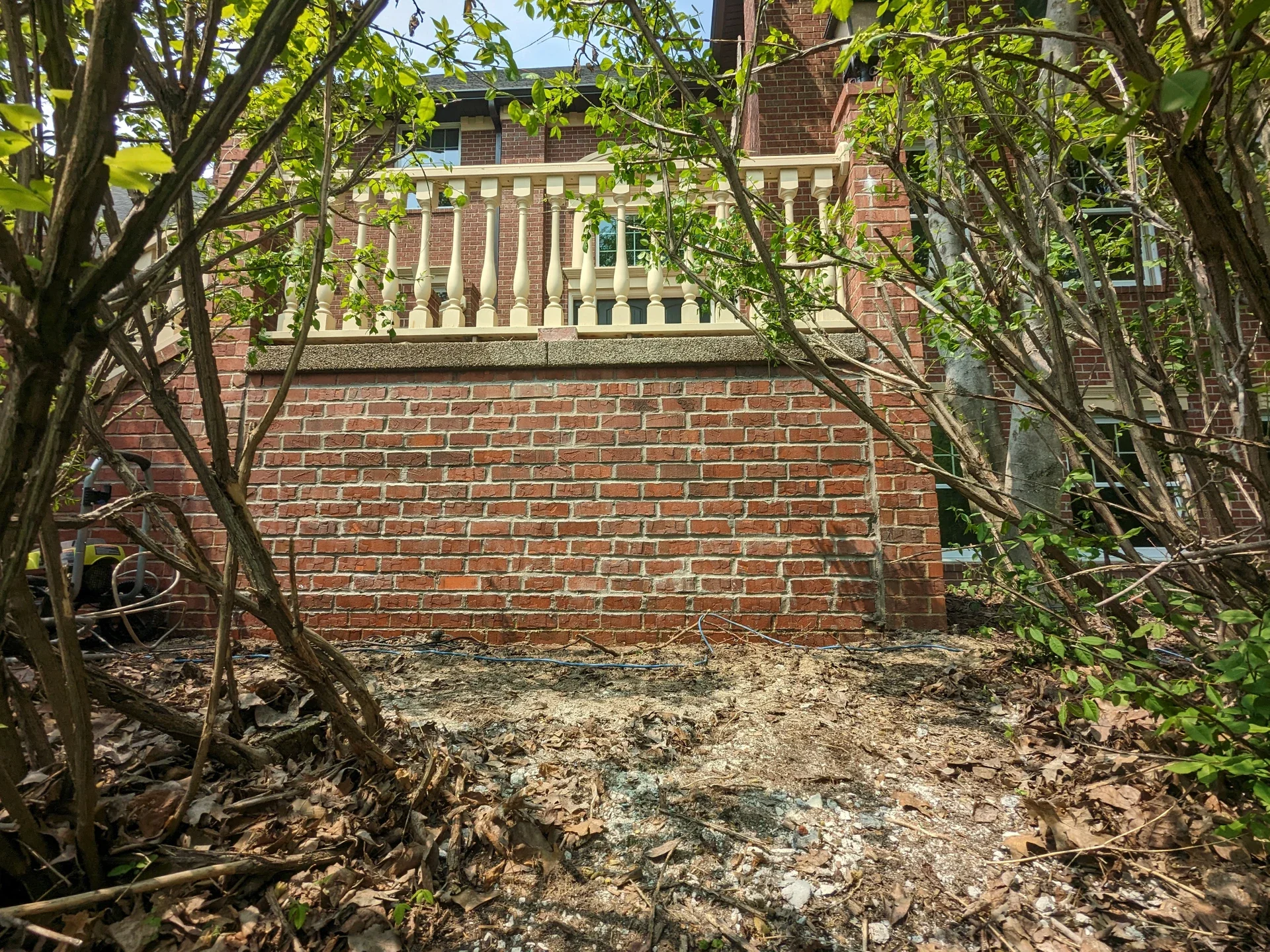
We checked four moved houses, one of which is above, against Hennepin County's property records. All four, built between 1900 and 1926, still bear their original build year, and the record shows no sign of when each arrived at the wall it now stands on.
So the county year gives the age of the house. On these four, the last move came 35 to 58 years after the house was built.
The Walker Houses
In what is now South Oak Hill, T.B. Walker built about 60 houses for workers between 1890 and 1898 (the Society's page on Walker himself says about 100): "nearly-identical, narrow, two-story affairs with two rooms up and two rooms down," in the Historical Society's words. About 50 were left in 1999. The greatest concentration is on Edgebrook and North Streets, but the Society adds that "many have been moved from their original locations."
The town around them was building fast: the Society quotes a July 1892 Minneapolis Tribune report on St. Louis Park as a whole that "the foundations for about 50 new residences are being built," and it records residential lots there as small as 22 feet across. On a lot that narrow, a Walker House can stand close to its neighbor, and the outside face of each side wall of its foundation can only be reached from the gap between the two. How wide that gap is decides how stone and mortar reach the wall.
Foundation Masonry Repair Figures for St. Louis Park
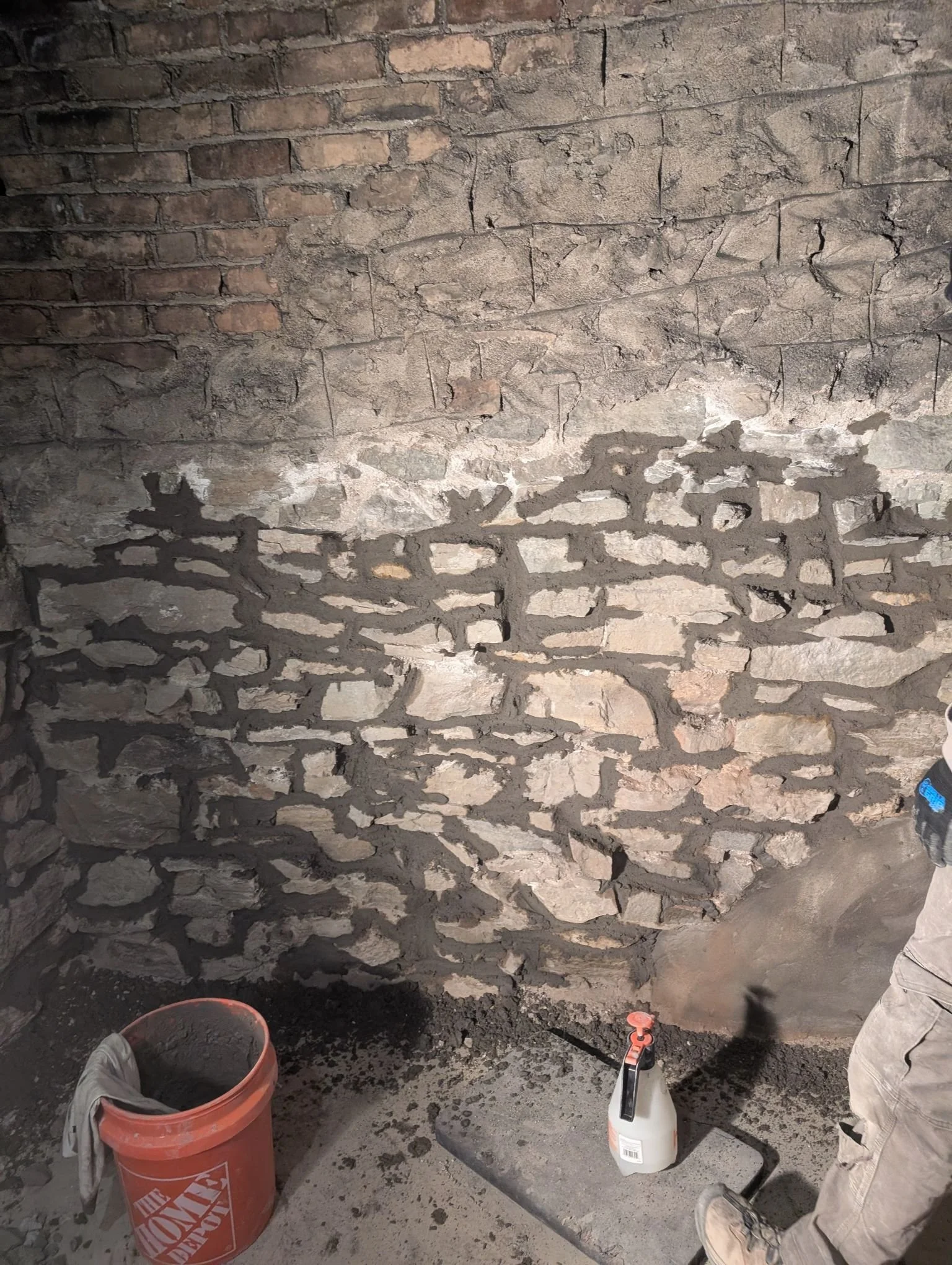
On the St. Louis Park foundations Sam is called to, under houses from around 1940, he typically finds stone or brick.
Before you call
Every figure on this page depends on square footage and on what we find when we look. They are rough guides to help you decide whether to call, not quotes. The exact number comes after the visit, and the visit is free.
What Customers Say
What appears below is our live Google feed rather than testimonials we picked out, so it shows whatever is genuinely on it.
What to Tell Us About the House
Tell Sam the year the county gives for your house, anything you know about it being moved or added to, and what has you worried about the wall.
Finding Out Whether a House Was Moved
How can we find out whether our house was moved?+
The St. Louis Park Historical Society's street and family pages are a good first stop; every move named above comes from the Society's pages. Its page on the Highway 100 buildings goes along the old highway street by street, and for many of the moved houses it says when they went and by whom. Older neighbors and earlier owners may remember.