

Brick Repair in Minneapolis
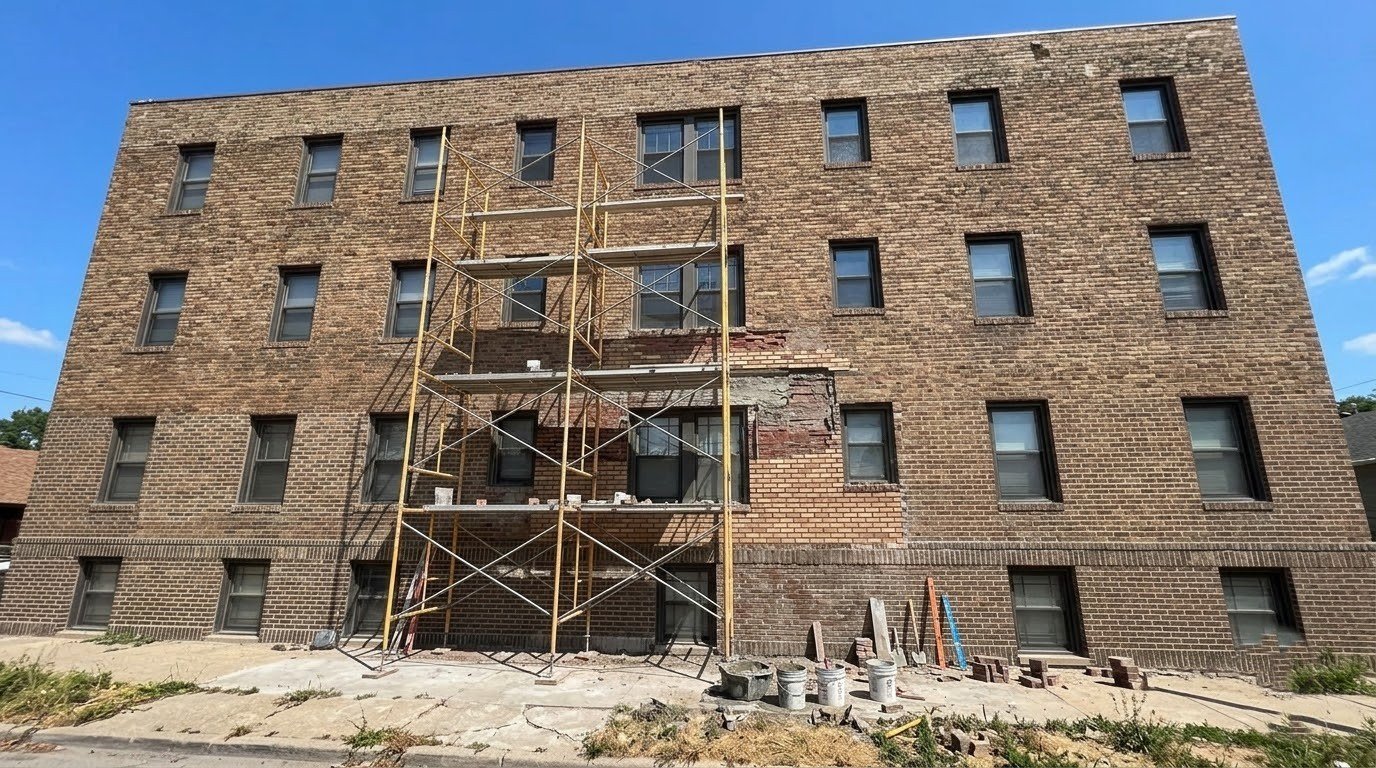
In Minneapolis, the prewar apartment building is usually a walk-up of two to three and a half stories: of the 1,986 apartment parcels on the assessor's roll built before 1940, 1,849 stand at that height.
If the brick you are worried about is on a house rather than a walk-up, start with our Minneapolis page.
10 Years
Workmanship warranty, in writing

The Prewar Walk-Ups, Neighborhood by Neighborhood
The largest numbers sit just south and southwest of downtown, in Whittier, South Uptown and Lowry Hill East. Stevens Square, the district whose walk-ups are described below, sits on the same south edge of downtown, so its two-color brick is a fair first guide for a walk-up in that belt of the city.
That clustering goes back to when they were built. The National Register nomination for the Stevens Square district records that 942 apartment buildings were built in Minneapolis between 1912 and 1927, and that most of them were located in the same belt.
Size varies more than height. About 800 of the 1,986 are four- or five-unit buildings. Another 687 have six or more units, and between them they hold more than 14,000 apartments, averaging around 21 per building. The buildings get bigger toward downtown. In Loring Park, they average more than three stories.
That split sets the scale of a repair from the start. On a four- or five-unit building, a few failed faces or a short run of wall is close to the size of a house job. On a 20-unit building, one side wall can be the full depth of the lot, and the work is planned wall by wall.
Height still sets the staging. The assessor records 1,085 of the 1,986 at two stories and 358 at three or three and a half. Only 101 come close to the formula building described below, at three stories or a little more, with 18 to 24 units. Most walk-ups in the city are lower than that, and on a two-story wall the top courses are reached from shorter staging than a three-story wall needs.
Dark Brick on the Front, Tan Brick Down the Sides
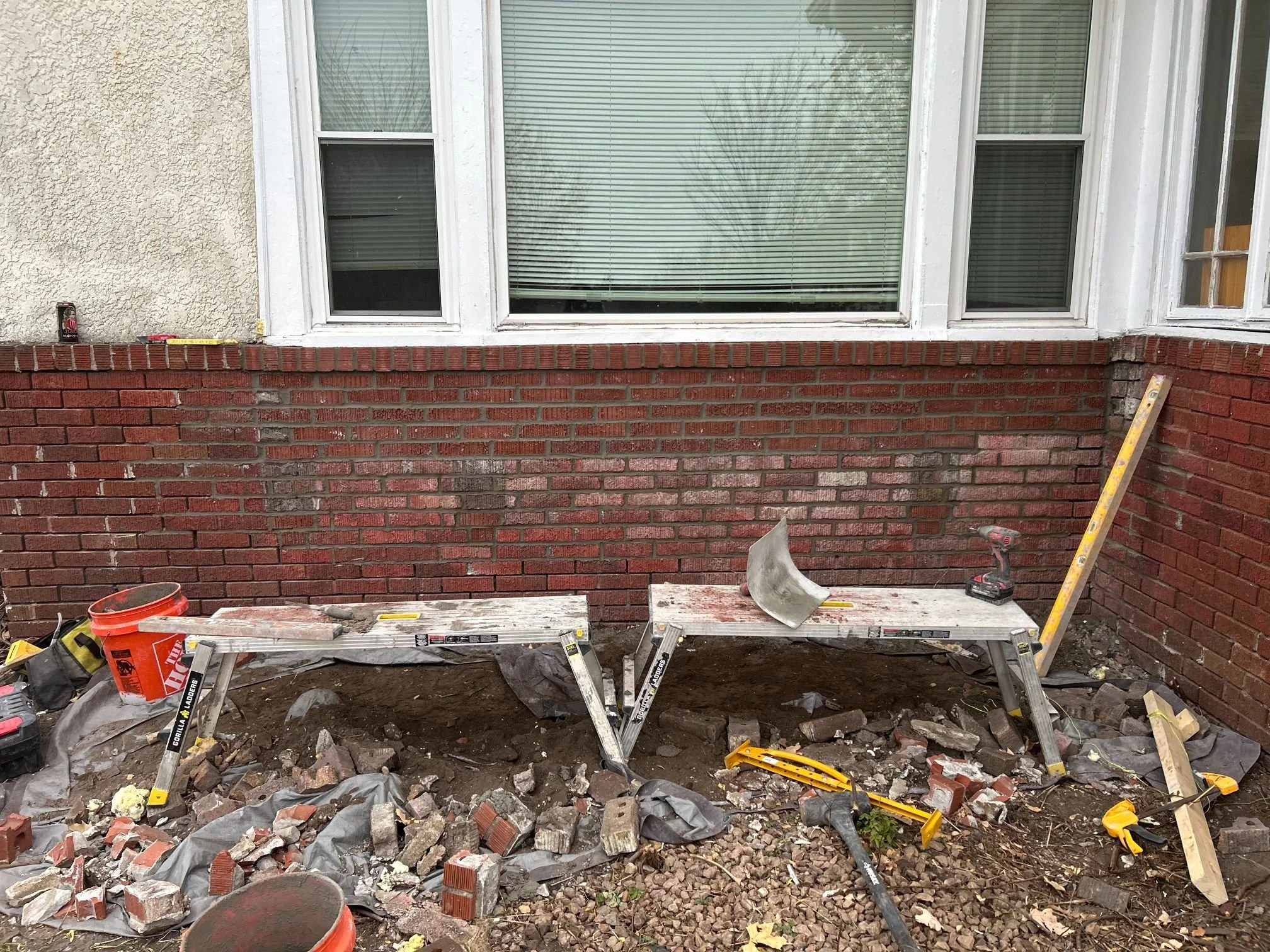
The same nomination describes the building that builders favored in those years: three and a half stories, 18 to 24 units, on a long, narrow footprint sized to a single city lot. It also records how the walls were faced in the Stevens Square district. Nearly every building there has dark red or dark brown face brick on the street front, and most that are not on a corner have light tan common brick on the sides and rear.
Where your building follows that formula, one repair can need two different bricks. A replacement on the street front matches the dark face brick. A replacement on a side wall is matched to the tan common brick, and on a long, narrow building those sides are the long walls. A corner building may carry face brick on both of its street sides.
Old repairs complicate it further. A patch laid decades ago in whatever brick was on hand may already sit in a side wall, and the new work has to meet both the original brick and the patch. The nomination itself, written in 1993, records one building in the district with a bay already rebuilt in brick of a slightly different color.
Hard Brick and Soft Brick
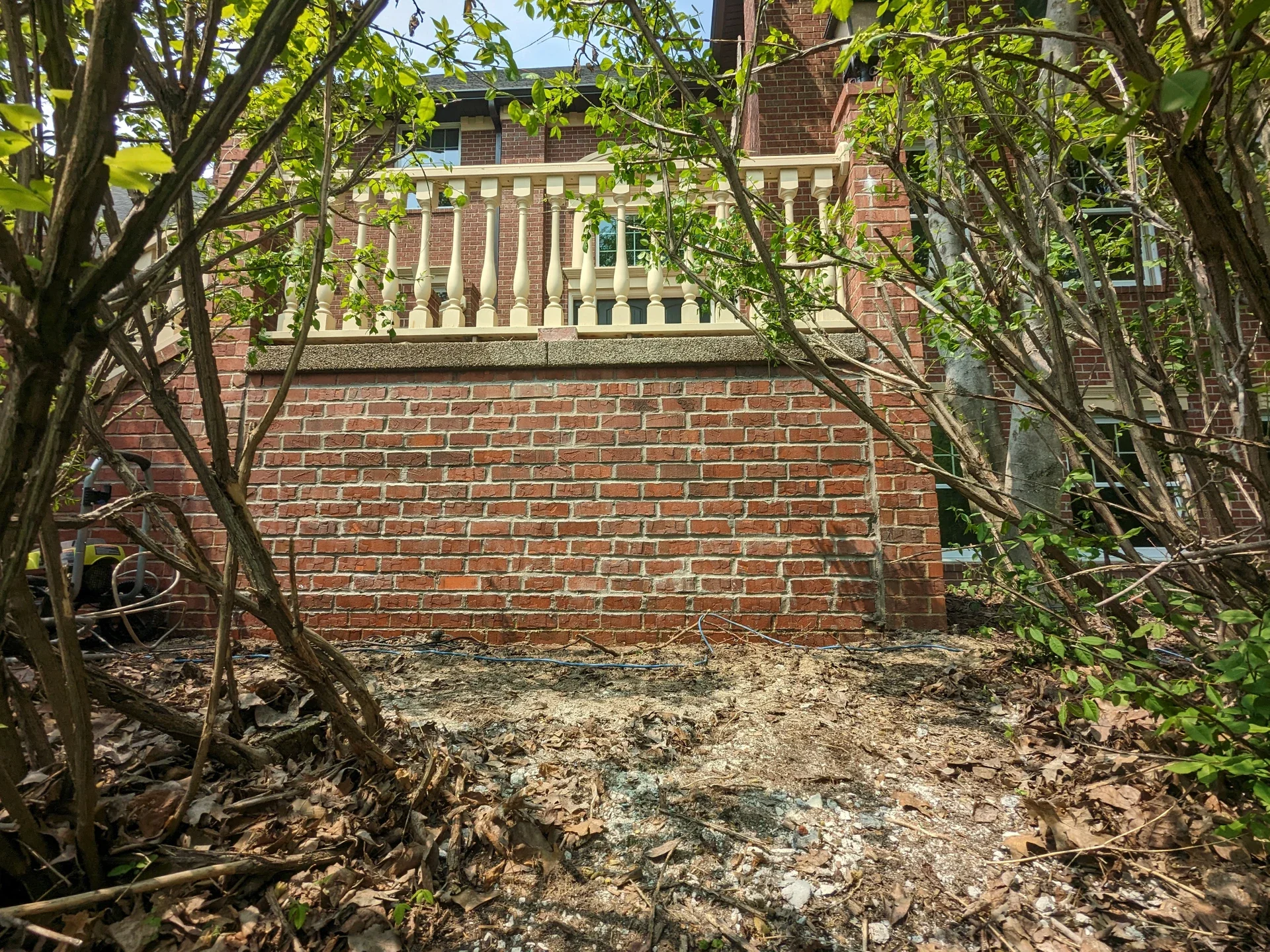
The two bricks on a walk-up differ in more than color. The State Historic Preservation Office's survey of Chaska brick, prepared for the National Register, clarifies the distinction. Common brick was laid for the structure because it was comparatively soft. Face brick, also called front brick, was made from a different grade of clay and fired at a higher temperature, so it came out harder and with sharper corners.
On a building that follows the Stevens Square formula, then, the dark street front is likely the harder brick and the tan side and rear walls are likely the softer one. Each replacement is chosen to suit the wall it goes into.
Much of the Twin Cities' brick came from yards up the Minnesota River at Chaska and from yards at the edges of the cities. The survey describes the Chaska brick as yellow, buff, tan or cream, with some bricks carrying a faint salmon tint and others leaning toward gray or blue. A tan common-brick wall varies in color too, so the match is made to the bricks right around the gap.
The City's Apartment Historic Districts
Two of the City's historic districts consist of apartment buildings. The City describes Stevens Square as having "a high density of brick apartment buildings, mostly from the 1910s and 1920s," generally bounded by 1st Avenue South, 17th Street East, 3rd Avenue South and Franklin Avenue East. The Golden Valley Road Apartments district is seven buildings on Golden Valley Road between Sheridan and Vincent Avenues North, built from 1927 to 1929. The City lists both as designated for their exteriors.
Buildings in either district, or designated on their own, are not work we take on; ask, and we will pass on the name of a mason who does that work.
What a Building Owner Gets From the Estimate
The estimate is written to the owner or the manager. It takes the building one wall at a time: how many bricks have failed on that wall, whether any of it has moved, which brick, face or common, it is matched to, and the price.
An owner does not have to do every wall at once. Where the street front can wait and a side wall cannot, the two are priced separately, so the money goes first to the wall that needs it.
The work happens on the outside of the building, and it is scheduled for weather mild enough for the mortar to cure.
Talk to Sam: (612) 509-0718 · Written estimate, options priced · MN BC807211
Published Figures, and Where They Stop
These are our published brick repair figures. On a walk-up, they fit the small end of the work: a few faces on one wall, or a short section rebuilt.
A full elevation, lintel replacement, and, on three or more stories, staging for the upper courses are quoted after the visit.
Every figure on this page depends on square footage and on what we find when we look. They are rough guides to help you decide whether to call, not quotes. The exact number comes after the visit, and the visit is free.
Before you call
Every figure on this page depends on square footage and on what we find when we look. They are rough guides to help you decide whether to call, not quotes. The exact number comes after the visit, and the visit is free.
Questions From Walk-Up Owners
Do you take apartment buildings, or only houses?+
Brick apartment buildings, yes, converted ones included. Of the 1,986 prewar apartment parcels, the assessor lists 345 as converted: buildings that were built as something else and later divided into apartments. Replacing a few faces is the same work on any one of them.
Our side walls are a lighter brick than the front. Were they repaired at some point?+
Probably not, if the whole side is the lighter brick. A later repair shows as a patch: a block of brick that does not sit flush with the surrounding wall.
Does the rear wall off the alley come into it?+
Yes, and it goes on the same estimate as the sides. Tell us whether a fence, a gate, or parked cars stand against it.
Do we need to let Sam inside the building?+
Not for the brick. Sam looks over the outside. Where water has shown up inside an apartment, the unit's position tells him which wall to look at first.
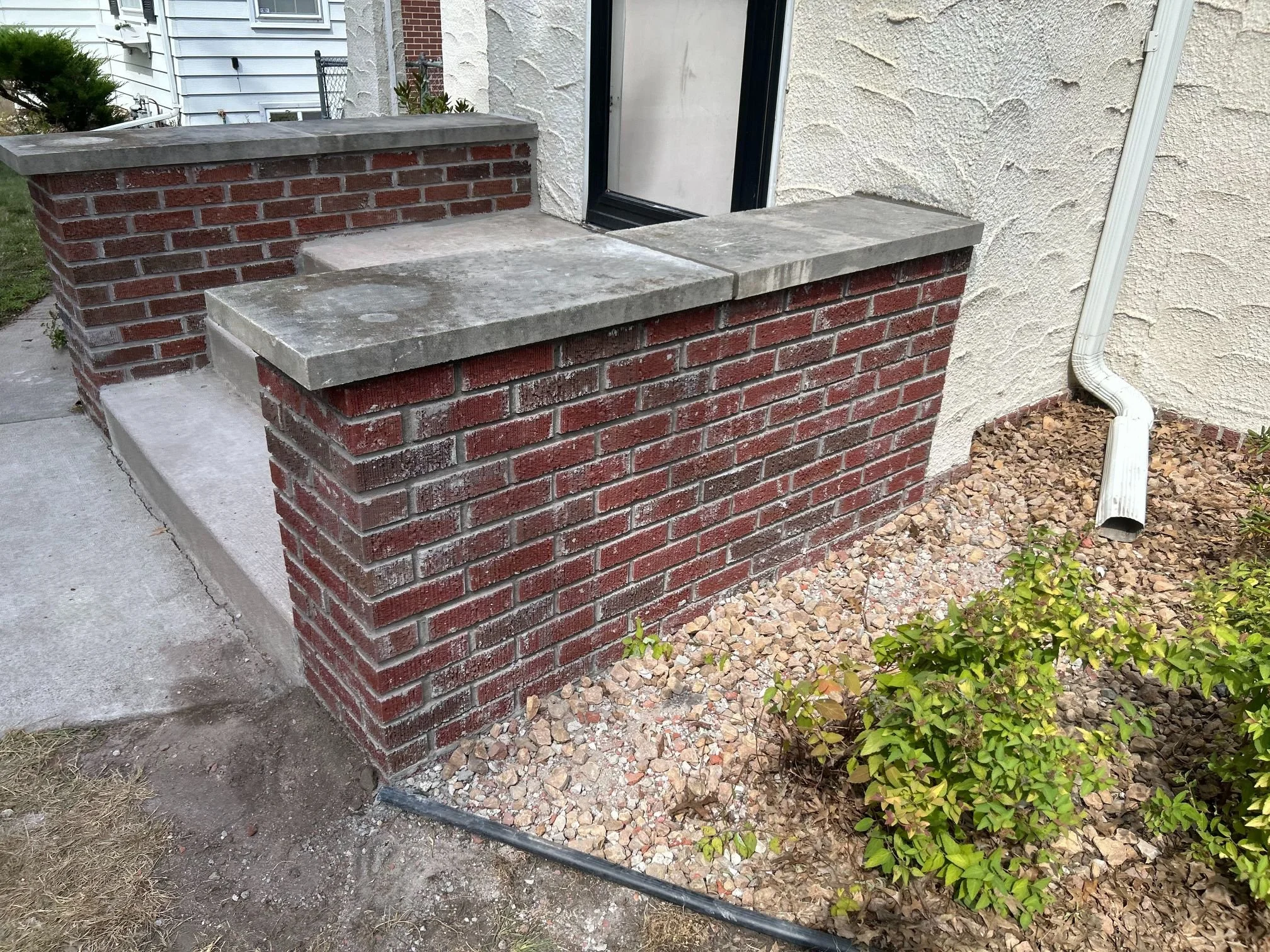
There is a low brick wall along our front sidewalk, with brick piers by the steps. Is that this page?+
That is a brick wall job, and our brick walls page covers building and rebuilding walls and piers like those.
What Customers Say
What appears below is our live Google feed rather than testimonials we picked out, so it shows whatever is genuinely on it.