
What to Expect During a Professional Chimney Inspection in St. Paul
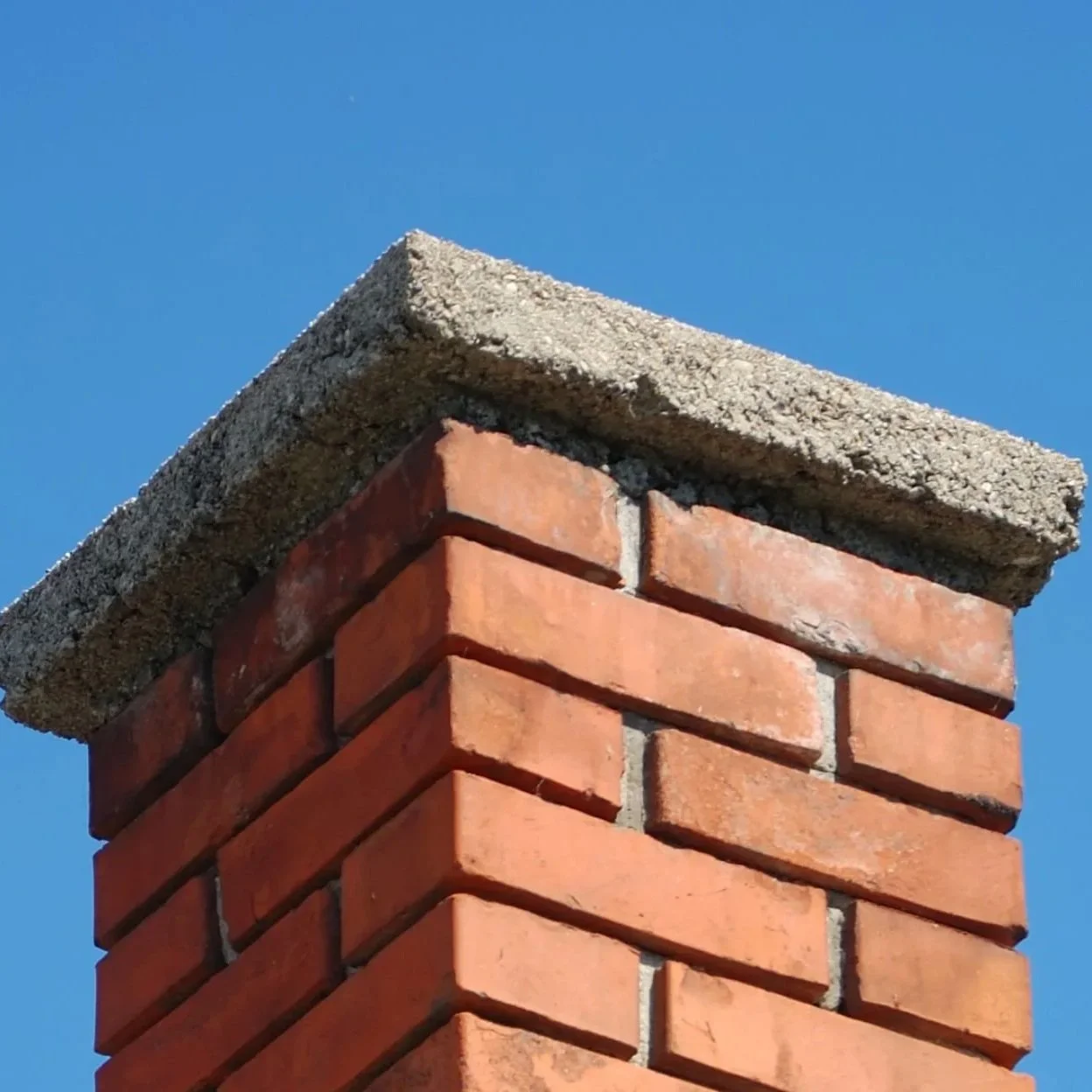
Professional inspecting a St. Paul chimney for creosote buildup, structural damage, and proper venting to ensure safety and efficiency.
Why Professional Chimney Inspections Matter in St. Paul
St. Paul’s climate is demanding on chimneys. Long, cold winters, constant freeze-thaw cycles, heavy snow loads, and ice all accelerate wear on masonry, mortar joints, crowns, and flashing. Moisture finds its way into tiny cracks, freezes, expands, and slowly breaks chimneys down from the inside out. Caps rust faster, crowns crack sooner, and liners endure far more stress here than they do in milder regions.
Add to that the reality that St. Paul homeowners rely heavily on fireplaces, wood stoves, furnaces, and boilers for months at a time. More use means more heat, more combustion byproducts, more creosote, and greater wear on flue liners and venting systems. A chimney is not just an architectural detail; it is a critical safety and ventilation system for the home. A professional inspection is how minor issues are found early, before they become winter emergencies.
The Purpose of a Chimney Inspection
A professional chimney inspection serves three primary purposes: safety, efficiency, and compliance. Inspections help prevent chimney fires by identifying creosote buildup and structural defects. They protect against carbon monoxide leaks by verifying liner integrity, draft performance, and vent connections. They also help maintain proper airflow, so fireplaces and heating appliances operate efficiently rather than spilling smoke or wasting heat.
In St. Paul, inspections often carry additional weight. Insurance companies may request proof of inspection, especially for older homes or solid-fuel systems. Real estate transactions frequently require documented chimney inspections, and NFPA 211 standards influence both local codes and insurance expectations. An inspection is not cosmetic or optional. Preventive maintenance protects lives, property, and long-term home value.
Who Performs a Professional Chimney Inspection
A proper chimney inspection should be performed by a trained, certified chimney professional, ideally holding credentials from organizations such as the Chimney Safety Institute of America (CSIA) or the National Fireplace Institute (NFI). These professionals understand combustion science, venting design, liner systems, and fire safety clearances.
Local experience matters in St. Paul. Many homes are older, with original brick chimneys that were never designed for modern appliances. A certified chimney technician brings specialized tools and knowledge that a handyman or general contractor does not, particularly when inspecting flue liners, draft behavior, and hidden safety hazards.
How Often Inspections Are Needed in St. Paul
The standard recommendation is at least one inspection per year for any chimney, fireplace, or venting system, whether it is used regularly or not. Even unused chimneys deteriorate from moisture intrusion, freeze-thaw cycles, and structural movement.
More frequent inspections are often warranted for heavy wood-burning use, older homes, past chimney fires, visible exterior damage, smoke or odor issues, roof leaks near the chimney, or after severe storms. In a climate like St. Paul’s, proactive inspections help homeowners avoid discovering problems during the coldest weeks of the year.
Understanding Chimney Inspection Levels
Professional inspections follow NFPA 211 guidelines, which define three inspection levels. These levels help determine how thorough the inspection should be based on the situation.
A Level 1 inspection is the standard annual check when the system has not changed, and no known problems exist. The inspector examines readily accessible areas of the chimney exterior, interior, appliance connection, and flue for obvious damage, blockages, and creosote.
A Level 2 inspection is more detailed and required when changes occur, such as installing a new appliance, changing fuel types, relining the chimney, selling a home, or after events like chimney fires or severe storms. This level includes video scanning of the flue and inspection of accessible attic, basement, and crawl space areas.
A Level 3 inspection is rare and is performed only when serious hazards are suspected and cannot be confirmed otherwise. It may involve opening walls or masonry to access concealed areas and is usually reserved for major structural concerns.
In St. Paul, older homes, long-unused fireplaces being returned to service, and storm-related damage often lead inspectors to recommend Level 2 inspections more frequently than in newer or milder-climate regions.
Preparing for the Inspection
Most St. Paul homeowners schedule inspections in late summer or early fall, before heavy heating use begins. Spring inspections are also common to assess winter damage. Booking early avoids the fall rush.
Before the inspector arrives, homeowners should clear the fireplace area, remove ash if safe, move furniture and décor back, and ensure access to basements, utility rooms, attics, and crawl spaces. Gathering past inspection reports, repair invoices, and noting recent issues such as smoke, odors, or leaks helps the inspector focus on potential trouble spots.
Chimneys must be cool before inspection. Homeowners should avoid using the fireplace or stove for at least 24 hours prior. Pets should be secured, and the inspector should be informed of any respiratory sensitivities in the home.
Arrival and Initial Safety Steps
When the inspector arrives, they typically begin with a brief discussion about system use, fuel types, recent problems, and any known history. They confirm the inspection level and scope before starting.
Reputable professionals take steps to protect the home, such as using drop cloths, shoe covers, and dust control equipment. Safety gear like ladders, harnesses, gloves, and eye protection is standard, especially on steep or elevated roofs common in St. Paul.
Exterior Chimney Inspection
The exterior inspection focuses on masonry condition, looking for cracked or spalling bricks, deteriorated mortar joints, leaning, or separation from the house. Freeze-thaw damage is a common finding in St. Paul and is carefully noted.
The inspector examines the chimney crown for cracks, improper slope, or gaps that allow water intrusion. They also inspect the chimney cap and spark arrestor for rust, damage, missing screens, or poor attachment. Flashing at the roofline is checked for gaps, corrosion, and failed sealants, as chimney leaks often appear here after snowmelt or heavy rain.
Height, clearance, and draft considerations are evaluated to ensure the chimney meets code requirements and performs properly relative to the roofline and nearby structures. Signs of moisture damage, such as staining or efflorescence, are documented.
Interior Fireplace and Appliance Inspection
Inside the home, the inspector examines the firebox for cracked firebrick, missing mortar, or damaged refractory panels. The hearth extension and surrounding materials are checked for integrity and proper clearances.
The damper is tested for proper operation and sealing, while the smoke chamber and throat are inspected for cracks, poor shaping, or heavy creosote. Gas logs, inserts, and appliances are checked for correct installation, vent connections, corrosion, and signs of improper combustion.
Clearances to combustible materials are verified, an especially important step in older St. Paul homes built under earlier standards. The inspector may also assess room ventilation and makeup air, particularly in tightly sealed homes where draft issues are common.
Flue and Liner Inspection
The flue liner is the heart of the chimney system. Inspectors evaluate whether the liner is clay tile, metal, or another material and assess its condition. Cracks, gaps, missing mortar, corrosion, and offsets are documented.
For Level 2 inspections, video cameras are used to scan the entire flue, revealing defects that cannot be seen from the top or bottom. Liner size is evaluated for compatibility with the connected appliance, as improper sizing is a frequent cause of draft problems and creosote buildup.
Inspectors also look for obstructions such as nests, debris, fallen tiles, or heavy soot and creosote deposits that restrict airflow and increase fire and carbon monoxide risks.
Creosote and Fire Hazard Evaluation
Creosote is assessed by thickness, texture, and distribution. Heavy, tar-like buildup is flagged as a high fire risk, while lighter soot still requires monitoring and routine cleaning.
Inspectors also look for other fire hazards, including exposed framing, missing spark screens, scorch marks, warped metal, and evidence of past chimney fires. If creosote exceeds safe limits, a chimney sweep is recommended, either immediately or as a follow-up.
Structural and Safety Checks Throughout the Home
Inspectors check accessible attic, basement, and crawl space areas where the chimney passes through the structure. They look for inadequate clearances, missing firestops, moisture staining, and heat damage.
Vent connectors from furnaces or water heaters are evaluated for proper slope, secure attachment, corrosion, and sizing. Carbon monoxide and smoke detector placement may also be discussed, especially if safety gaps are observed.
Local Codes and St. Paul Considerations
St. Paul follows Minnesota building codes informed by national standards such as NFPA 211 and the International Residential Code. Inspectors familiar with local regulations understand when older systems are grandfathered and when upgrades trigger current code requirements.
Historic homes present unique challenges, including unlined chimneys, aging masonry, and systems not designed for modern appliances. Weather-related risks such as ice dams, snow loads, and freeze-thaw damage receive special attention during inspections.
After the Inspection: Reports and Next Steps
Homeowners typically receive a written report detailing the inspection level, findings, photos, and recommendations. Issues are often categorized by urgency, from immediate safety hazards to long-term maintenance items.
If repairs, sweeping, or upgrades are recommended, the report provides a roadmap for obtaining estimates and planning work. In St. Paul, timing repairs around weather conditions is often necessary, especially for exterior masonry or roof work.
Costs, Timeframe, and Value
A typical inspection lasts from 45 minutes to a couple of hours, depending on level and complexity. Level 1 inspections cost less than Level 2 or Level 3 inspections, which require additional tools and time.
While costs vary, a professional inspection is modest compared to the expense of chimney fires, water damage, or carbon monoxide incidents. Regular inspections extend the life of chimneys, liners, and appliances, providing long-term savings and peace of mind.
Choosing the Right Inspector
Homeowners should look for certified, insured professionals with experience in St. Paul homes and climate conditions. Reviews, referrals, and clear communication are important indicators of quality.
Red flags include high-pressure repair sales, vague findings without documentation, refusal to show credentials, or unusually low prices. A reputable inspector explains findings clearly and supports recommendations with photos or video evidence.
Conclusion
A professional chimney inspection in St. Paul is a detailed, methodical process designed to protect safety, efficiency, and property value. From exterior masonry and flashing to interior fireboxes, liners, and vent connections, inspectors evaluate every critical component using specialized tools and local knowledge.
In a city defined by long winters and demanding weather, chimney inspections are not optional extras. They are essential for home maintenance. By scheduling regular inspections, understanding the process, and acting on professional recommendations, St. Paul homeowners can enjoy warm, safe, and efficient fireplaces and heating systems year after year.
FAQs
At least once per year, with more frequent inspections for heavy wood use, older systems, or after storms or chimney fires.
An inspection evaluates safety and condition, while a cleaning removes soot and creosote. They are often scheduled together but serve different purposes.
Yes. Level 2 inspections are commonly required during real estate transactions to document internal flue condition and overall safety.
It depends on severity. Cosmetic issues may be monitored, but safety-related findings require repairs before use.
They are not always mandated by law, but insurers, lenders, and safety standards strongly recommend them for St. Paul homes.
Golden Stones Masonry is a licensed and insured expert, offering chimney repair, chimney rebuild, and foundation masonry repair solutions to St. Paul, MN, residents. Our professionals deliver reliable and long-lasting results that come with a 10-year warranty. We take pride in our transparent process and fair and honest pricing. Call now to book a service appointment.
