
How to Identify and Fix Chimney Leaks in St. Paul Homes
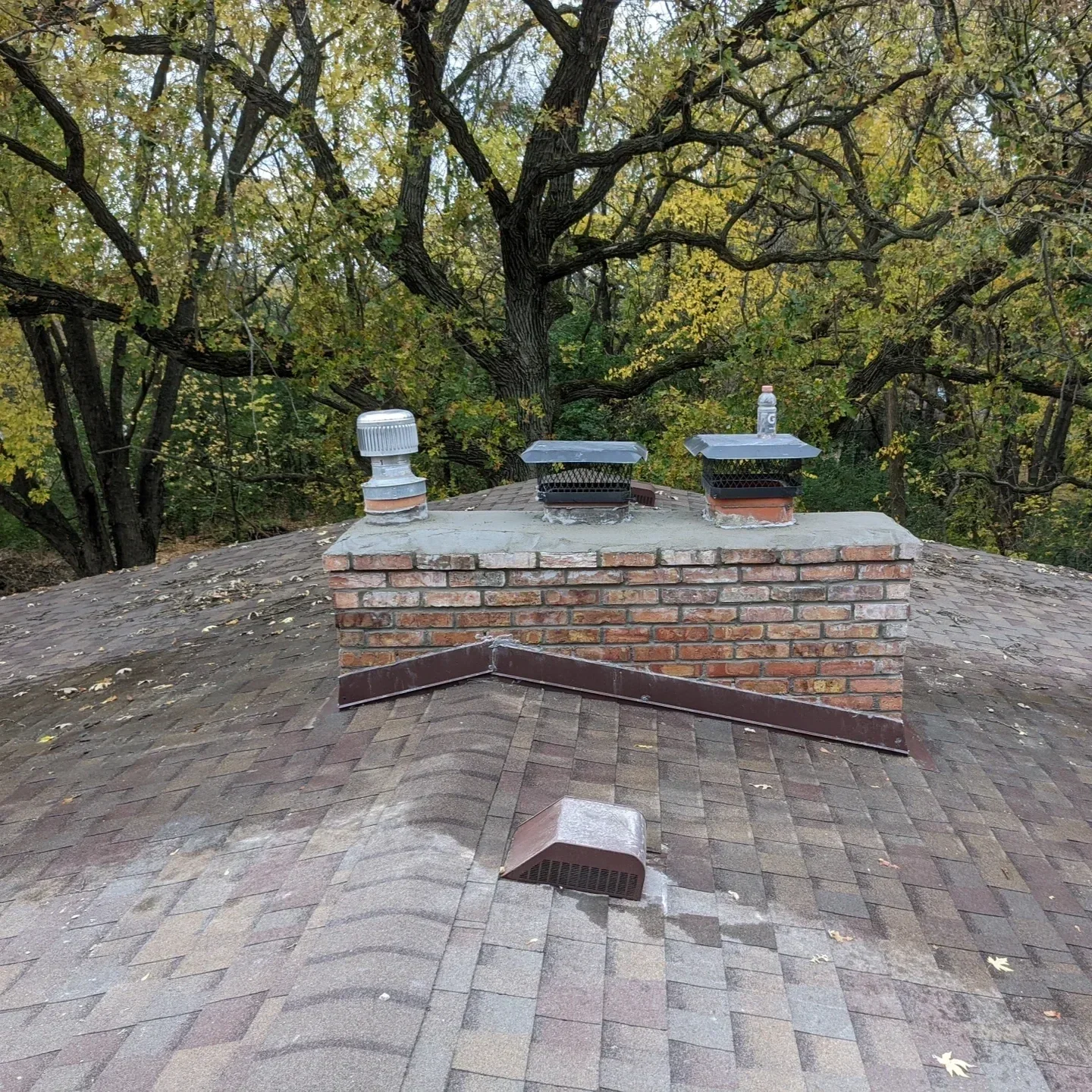
Identifying and repairing chimney leaks early protects St. Paul homes from water damage, mold, and structural issues.
Why Chimney Leaks Are a Serious Issue in St. Paul
St. Paul’s climate is harsh on chimneys. Long winters, constant freeze-thaw cycles, heavy snow, ice buildup, and wet spring rains all work against masonry and metal components. As temperatures swing, bricks, mortar joints, flashing, and crowns expand and contract. Tiny openings form, and once water finds a way in, freezing temperatures make the damage worse. What starts as a hairline crack can quickly turn into a persistent leak.
Many St. Paul homes also have older chimneys built decades ago, often without modern flashing details, proper crowns, or waterproofing methods. In a milder climate, these shortcomings might cause minor cosmetic issues. In Minnesota, they can lead to serious water intrusion, structural decay, and mold growth. Catching chimney leaks early is not just about avoiding stains. It is about protecting the home's structure, safety, and long-term value.
What Happens When Chimney Leaks Are Ignored
Untreated chimney leaks can cause extensive damage. Water may stain ceilings and walls, rot framing in the chimney chase, deteriorate brick and mortar, and rust metal components such as dampers and fireboxes. Moisture often travels away from the entry point, making the leak harder and more expensive to diagnose later.
There are also health and safety concerns. Persistent moisture encourages mold growth and musty odors. Over time, water damage can affect how the fireplace or heating appliance vents, increasing the risk of poor draft or combustion problems. Addressing leaks promptly protects indoor air quality, structural integrity, and the overall safety of the heating system.
How This Guide Helps
This guide walks St. Paul homeowners through identifying chimney leak symptoms, understanding where leaks typically start, performing safe preliminary checks, and choosing effective repair and prevention strategies. It is written for homeowners who want to be informed, whether they plan to handle basic monitoring themselves or hire a professional. By the end, you should feel confident recognizing a chimney leak and taking the right next steps.
How Chimney Leaks Develop
A chimney is made up of several components that must work together to manage water. These include the crown at the top, the cap, the flue, the masonry or chase, the flashing where the chimney meets the roof, and sometimes a cricket on the uphill side. Leaks often start when one or more of these elements fail.
Cracked crowns allow water in from above. Deteriorated mortar joints let moisture enter from the sides. Failing flashing creates a direct path into the attic and walls. In many cases, leaks result from a combination of aging materials, outdated construction, and weather exposure rather than a single obvious defect.
Freeze-thaw cycles play a significant role. Water seeps into tiny pores in brick or mortar, freezes, expands, and forces materials apart. In St. Paul, this cycle can repeat dozens of times in a season. A crack that did not leak one year may become a serious problem after a few winters. This is why preventive maintenance matters more here than in milder regions.
Not all leaks near a chimney are chimney leaks. Sometimes, roof shingles, underlayment, or nearby roof penetrations are the real source, with water simply showing up around the chimney. Professionals distinguish between chimney and roof leaks by tracing water paths, inspecting attic areas, and sometimes performing controlled water tests.
Early Interior Signs of Chimney Leaks
Inside the home, chimney leaks often show up as water stains or discoloration near the fireplace or along walls where the chimney runs. Yellow-brown rings, dark patches, bubbling paint, or peeling finishes are common indicators. These marks often become more noticeable after heavy rain or rapid snowmelt.
Musty odors near the fireplace or chimney wall can signal trapped moisture, even when visible water is minimal. Mold or mildew may appear on drywall, trim, or baseboards. Inside the firebox, rusted dampers, flaking metal, swollen firebrick, or water marks are strong clues that moisture is entering from above.
Chronic moisture can also cause paint to peel, trim to warp, and drywall to soften. These symptoms are sometimes mistaken for normal aging. Gently pressing suspect areas to check for softness can help distinguish moisture damage from cosmetic wear.
Exterior Warning Signs to Watch For
On the exterior, cracked or spalling bricks are a common red flag. Spalling occurs when brick faces flake or break off due to moisture and freeze-thaw damage. Mortar joints may appear recessed, crumbly, or cracked, especially near the top of the chimney where exposure is greatest.
The chimney crown deserves close attention. Hairline cracks, larger fissures, missing sections, or flat crowns that allow water to pool are all problematic. A properly built crown should slope away from the flue and overhang the masonry slightly. Many older St. Paul homes have thin, unreinforced crowns that deteriorate quickly.
Chimney caps are another critical component. Rusted, bent, loose, or missing caps allow rain and snow to enter the flue. In Minnesota winters, ice and snow loads can loosen poorly secured caps. Caps are relatively inexpensive compared to the damage they prevent.
Efflorescence, the white powdery residue on brick, indicates moisture moving through masonry. Dark streaks, rusty stains, algae, or moss growth also suggest chronic dampness and indicate where water is entering.
Flashing and Roof Intersection Problems
Chimney flashing seals the joint where the chimney meets the roof. It typically includes step flashing along the sides, counterflashing embedded into the chimney, and apron or cricket flashing as needed. When flashing fails, water can enter the attic and walls directly.
In St. Paul, flashing often fails due to cracked sealant, corroded metal, missing step flashing, or movement caused by freeze-thaw cycles and settling. Ice dams can worsen the problem by backing water up under flashing. Roof replacements sometimes disturb flashing, creating new leaks if it is not properly reinstalled.
From the ground, homeowners may spot obvious gaps or bent metal. Inside the attic, damp insulation, water trails on rafters, or staining near the chimney are strong indicators of flashing problems. Most flashing repairs require roof-level work and should be handled by professionals.
Diagnosing the Exact Leak Source
Safety comes first. Steep, icy roofs and tall chimneys are hazardous. Homeowners should avoid climbing onto roofs and instead inspect from the ground or attic.
Inside, check the attic around the chimney for darkened wood, damp insulation, or active drips after rain. Follow the chimney structure upward to trace moisture paths. At the fireplace, inspect the firebox and damper for rust or water marks.
Outside, ground-level inspections with binoculars can reveal cracked crowns, missing caps, deteriorated mortar, or staining patterns. These observations are preliminary but helpful.
Professionals use more precise methods, including staged water tests, chimney camera inspections, moisture meters, and sometimes thermal imaging. These tools are especially valuable for intermittent leaks or complex cases.
DIY Monitoring vs. Professional Help
Homeowners can safely perform visual checks, monitor stains and odors, clear debris near the chimney base, and note changes after storms. These steps help catch issues early.
Professional help is needed for structural damage, persistent leaks, roof-level work, mold concerns, or interior flue issues. Certified chimney professionals understand local building practices, climate challenges, and safety codes. Choosing a reputable St. Paul contractor means checking certifications, insurance, references, and written estimates.
Fixing Leaks from the Top
Chimney crown repairs range from sealing minor cracks with flexible crown coatings to full crown rebuilds when damage is extensive. In St. Paul’s climate, rebuilt crowns should be sloped appropriately, reinforced, and designed to handle freeze-thaw stress.
Installing or replacing a chimney cap is one of the most effective steps for preventing leaks. Stainless steel and copper caps perform best in harsh climates. Factory-built chimneys often use chase covers instead of masonry crowns. Older galvanized chase covers commonly rust and leak. Upgrading to stainless steel, properly sloped chase covers is a long-term solution.
Masonry waterproofing treatments can reduce water absorption when applied to sound masonry. They are preventive, not corrective. Cracks and deteriorated joints must be repaired first.
Fixing Masonry and Flue Leaks
Tuckpointing replaces deteriorated mortar joints, restoring strength and water resistance. Proper depth, compatible mortar, and correct technique are essential, especially on historic St. Paul homes.
Severely damaged bricks should be replaced, not patched. Matching brick type and density helps ensure durability and appearance.
Interior flue tile cracks or gaps may require joint sealing, partial repair, or full relining. Stainless steel or cast-in-place liners improve safety, draft, and moisture control. Relining often solves multiple problems at once on older chimneys.
Addressing Roofline Leaks
Minor flashing repairs may suffice in limited cases, but widespread corrosion or poor original installation usually calls for full replacement. Proper flashing integrates with the roof system and provides long-term protection.
Wide chimneys often benefit from a cricket on the uphill side to divert water and snow. In snowy climates, crickets reduce pooling and ice dam pressure.
Ice dam issues near chimneys are influenced by attic insulation and ventilation. Addressing these broader roof factors supports chimney leak repairs and reduces recurrence.
Seasonal Leak Patterns in St. Paul
Heavy rains reveal weak points quickly, especially when driven by wind. Winter snow creates prolonged moisture contact, and thaw cycles concentrate water flow around chimneys. Spring is when many leaks become obvious as winter damage meets frequent rain.
Repair materials and methods should be chosen for Minnesota conditions. Climate-appropriate solutions last longer and reduce repeat repairs.
Preventing Future Chimney Leaks
Annual professional inspections are one of the best preventive measures. They catch early cracks, mortar wear, and flashing issues before leaks develop. Cleanings also remove debris that can trap moisture.
Homeowners should perform simple seasonal checks and keep gutters clear to manage roof drainage. Professional waterproofing treatments on sound masonry can be reapplied periodically to maintain protection.
Costs, Timing, and Planning
Repair costs vary based on severity and access. Small fixes cost far less than major masonry or structural repairs. Simple repairs may take a single visit, while larger projects require multiple days and favorable weather.
Spring and summer are ideal for most repairs, but scheduling early helps avoid delays. Sometimes, temporary fixes are needed in winter, with permanent repairs planned later.
Insurance and Documentation
Insurance may cover sudden storm-related damage, but usually excludes long-term deterioration. Documenting damage with photos, inspection reports, and repair estimates supports potential claims. Clear communication between homeowners, contractors, and insurers helps avoid disputes.
Keeping Your St. Paul Chimney Dry and Safe
Both construction details and a demanding climate drive chimney leaks in St. Paul. Crowns, caps, masonry, flashing, and roof intersections are common weak points. Interior stains, musty odors, cracked bricks, and efflorescence are early warning signs.
A proactive approach combining regular inspections, climate-appropriate repairs, and simple homeowner monitoring prevents costly damage. Investing in durable solutions and working with reputable local professionals keeps chimneys dry, safe, and functional through many Minnesota winters.
FAQs
Chimney leaks often show staining near the fireplace or along the chimney chase. Roof leaks may appear farther away. Attic inspections and professional water testing help confirm the source.
Annual inspections are recommended, especially due to freeze-thaw damage and heavy weather exposure.
Waterproofing should be applied only after repairs and with the proper products. Professional evaluation is usually best.
Aging masonry, cracked crowns, deteriorated mortar, and outdated flashing combined with freeze-thaw cycling are the most common causes.
Trust Golden Stone Masonry in St. Paul, MN, for professional chimney repair, foundation masonry repair, tuckpointing & mortar joint repair, and brick repair & restoration services. Our team works hard to restore strength and prevent moisture intrusion. Ours is a licensed and insured company offering a 10-year warranty. Get your free estimate today.
