
How Severe Weather in St. Paul Impacts Chimney Health
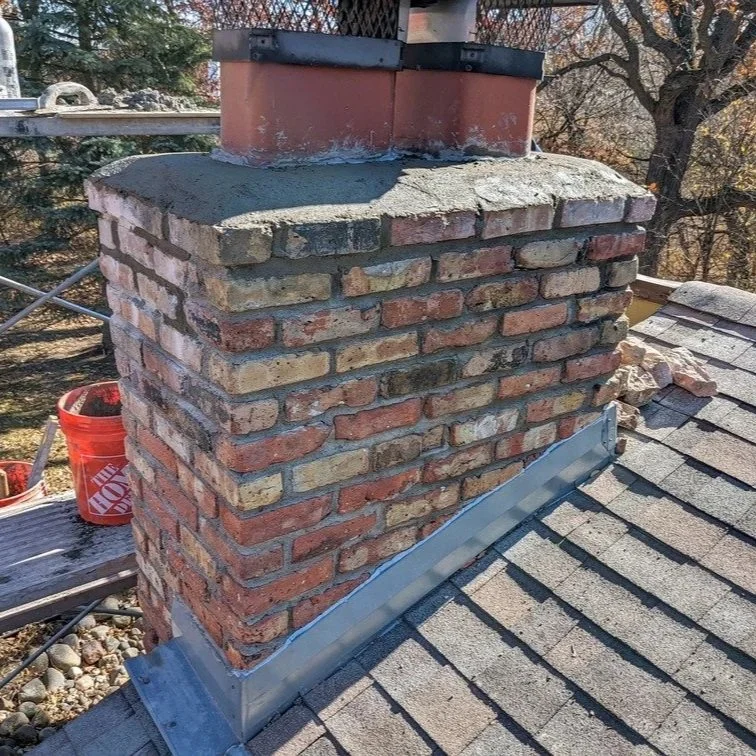
Severe St. Paul weather can crack masonry, rust components, and damage chimneys—regular inspections prevent costly repairs.
Why St. Paul’s Weather Is Tough on Chimneys
St. Paul’s continental climate is challenging on buildings, and chimneys take more punishment than almost any other exterior feature. Long, cold winters, frequent freeze-thaw cycles, heavy snowfall, ice storms, strong winds, and wide temperature swings all combine to create a demanding environment. Because chimneys extend above the roofline and are exposed on all sides, they absorb the full force of these conditions year after year.
A chimney is also more than a stack of bricks. It is a working system composed of masonry, mortar joints, a crown, a cap, flashing, liners, and interior components, all of which react differently to weather. Understanding how St. Paul’s severe weather affects each of these parts helps homeowners spot early warning signs and take practical steps to prevent bigger, more expensive problems down the road.
How Weather Impacts Chimney Health
Severe weather affects chimneys in a few consistent ways. Moisture intrusion allows water to enter masonry and joints. Freeze-thaw cycles expand that moisture, cracking bricks and mortar. Thermal stress from expansion and contraction fatigues both masonry and metal. Corrosion attacks caps, liners, and dampers. Wind and storms apply structural stress that can loosen or shift the chimney over time.
These forces lead to common problems such as spalling bricks, crumbling mortar, rusted metal components, leaks around the roofline, and draft or safety issues. Addressing them early through inspection and maintenance is far less costly than rebuilding a chimney or dealing with smoke or carbon monoxide inside the home.
Safety and Home Value Implications
Chimney damage is not just cosmetic. Cracks, leaks, and liner failures can create fire hazards, allow carbon monoxide to enter living spaces, and cause water damage to walls, ceilings, and roof framing. Over time, neglected chimney problems can compromise the home's structure.
In St. Paul, where fireplaces and wood stoves are common, and winters are long, a well-maintained chimney is also a valuable asset. Buyers expect heating systems to be safe and reliable. Insurance claims may also be complicated if damage is traced to long-term neglect rather than a single storm event, making routine maintenance especially important.
Understanding St. Paul’s Severe Weather Patterns
Cold Temperatures and Extended Winters
St. Paul winters typically stretch from late fall into early spring, with long periods of sub-freezing temperatures and occasional extreme cold. Masonry and metal remain cold for months, becoming more brittle and less forgiving during brief warmups. These conditions set the stage for cracking, mortar failure, and liner stress once moisture is involved.
Snow, Ice, and Freezing Rain
Heavy snow accumulates on roofs and around chimneys, while drifting snow can pack against the chimney structure. Melting snow seeps into cracks and joints, then refreezes at night, expanding and causing further damage. Ice dams often form near chimneys, where roof temperatures vary, trapping water that can leak around flashing.
Freezing rain adds another layer of stress. Ice coats crowns, caps, and masonry, adding weight and forcing its way into existing cracks. Ice can also clog chimney caps and screens, restricting airflow and affecting performance.
Freeze-Thaw Cycles and Temperature Swings
Freeze-thaw cycles are one of the most destructive forces affecting chimneys in St. Paul. Water enters porous brick and mortar, freezes and expands, then thaws and repeats the process. Late fall and early spring are especially damaging, as temperatures fluctuate between freezing and above-freezing. Over time, these cycles enlarge cracks, loosen bricks, and cause spalling that weakens the chimney.
Wind, Storms, and Hail
Strong winds place lateral pressure on chimneys, which act like vertical columns anchored to the house. Over time, wind can loosen mortar joints, stress flashing, and exaggerate existing weaknesses. Hail can chip brick faces, crack crowns, and dent or damage metal caps. Wind-driven rain forces moisture into small openings that may not leak during lighter storms.
Summer Heat and Humidity
While winter does the most damage, St. Paul’s hot, humid summers also affect chimney health. Heat causes materials to expand, while cooler nights create smaller thermal cycles that contribute to long-term fatigue. Humidity and summer storms can saturate masonry, encouraging efflorescence, moss growth, and faster deterioration of already weakened mortar.
Moisture Infiltration: The Root of Many Problems
How Water Gets Into Chimneys
Water enters chimneys through cracked crowns, damaged or missing caps, deteriorated mortar joints, porous bricks, failed flashing, and gaps around flue liners. Wind-driven rain and melting snow exploit these weaknesses. Moisture can also wick through masonry from the sides, especially on wind-exposed chimneys.
Consequences of Persistent Moisture
Ongoing moisture weakens mortar, rusts dampers and firebox components, degrades liners, and can lead to mold or mildew in nearby walls and attic spaces. It also accelerates freeze-thaw damage in winter, creating a cycle of worsening deterioration that becomes more expensive to fix over time.
Signs Homeowners Can Spot
Exterior signs include spalling bricks, white efflorescence stains, moss growth, cracked mortar, rust streaks, and visible gaps near the crown or cap. Inside, musty odors, water stains near the chimney, peeling paint, and damp fireboxes are common warnings. Seasonal visual checks and photo documentation help track changes.
Limiting Moisture Penetration
Keeping water out is critical. Chimney caps, sound crowns, intact flashing, and properly repointed mortar joints form the first line of defense. Breathable masonry water repellents can help shed water while allowing trapped moisture to escape, but they should only be applied after underlying issues are addressed.
When Moisture Becomes Structural
Large cracks, loose or shifting bricks, significant spalling, or visible leaning indicate structural risk. At that point, homeowners should stop using the chimney and seek a professional evaluation. In severe cases, partial or full rebuilding may be the safest option in St. Paul’s harsh climate.
Freeze-Thaw Damage to Masonry and Mortar
Brick and mortar are naturally porous. When water freezes inside them, it expands, creating internal pressure. Over repeated cycles, this leads to micro-cracks that grow into visible damage.
Common symptoms include flaking brick faces, crumbling mortar joints, widened cracks, and debris collecting at the base of the chimney or in gutters. As damage progresses, chimney stability can be compromised, increasing vulnerability to storms and creating pathways for heat or gases to escape into the home.
Preventing freeze-thaw damage starts with moisture control. Maintaining crowns, caps, flashing, and mortar before winter greatly reduces risk. Repairs typically involve tuckpointing, brick replacement, or rebuilding sections of the chimney using compatible materials designed to handle freeze-thaw stress.
Snow, Ice, and Chimney Crowns
The chimney crown protects the top of the masonry and directs water away from the chimney. In St. Paul, snow can sit on the crown for weeks, melting and refreezing repeatedly. Over time, this process cracks thin or poorly built crowns, allowing water deep into the structure.
From the ground, homeowners may spot cracks, missing chunks, or exposed brick at the top of the chimney. Early repairs involve sealing small cracks, while severe damage often requires rebuilding the crown with proper slope and overhang. Crown maintenance before winter is one of the most cost-effective ways to protect chimney health.
Chimney Caps, Screens, and Severe Weather
Caps keep rain, snow, animals, and debris out of the flue. In St. Paul, they also reduce direct moisture entry during snowstorms and freezing rain. Strong winds can bend or dislodge poorly secured caps, while ice accumulation can clog screens and restrict draft.
Warning signs include rust, bent metal, rattling noises during windstorms, debris in the firebox, and increased downdrafts. Stainless steel and copper caps perform best in harsh climates, resisting corrosion and structural fatigue better than lighter materials. Seasonal inspections help ensure caps remain intact and functional.
Flashing, Roof Transitions, and Ice Dams
Flashing seals the joint where the chimney meets the roof. In snowy climates, this area is especially vulnerable. Ice dams often form around chimneys, trapping water that backs up under shingles and around flashing.
Signs of flashing failure include ceiling stains near the chimney, damp attic insulation, rusted or separated flashing, and seasonal leaks during snowmelt. Properly installed step flashing and counter-flashing, combined with good attic insulation and ventilation, are key to preventing ice-related leaks.
Wind, Storms, and Structural Stress
High winds apply constant lateral pressure to chimneys. Over time, this stress can loosen mortar, exaggerate small cracks, and cause subtle leaning. Storm debris, falling branches, or heavy ice can strike chimneys directly, cracking masonry or damaging caps.
Early signs of movement include separation from the house wall, step cracks, widened joints on one side, or interior cracking near the chimney chase. Any visible movement or storm impact should prompt professional evaluation, as compromised chimneys are more likely to fail in future storms.
Metal Chimneys, Liners, and Corrosion
Many St. Paul homes rely on metal liners or factory-built metal chimneys. These systems face interior heat and corrosive byproducts while being exposed to cold and moisture outside. Condensation inside liners, especially with gas appliances, can mix with acids, accelerating corrosion.
Extreme cold causes metal to contract, while fires rapidly heat it from within, creating thermal fatigue at seams and joints. Inspections focus on rust, warping, loose connections, and staining that indicates leakage. Minor corrosion may be repairable, but advanced deterioration usually requires replacement to maintain safety.
Draft, Smoke, and Performance Issues in Severe Weather
Cold chimneys can resist draft at startup, causing smoke to spill into rooms. Wind can create downdrafts that push smoke and gases back inside. Snow and ice can partially block chimney tops, restricting airflow.
Occasional minor smoke during lighting may be normal in extreme cold, but persistent backdrafting is a safety concern. Improving draft reliability may involve pre-warming the flue, ensuring adequate combustion air, upgrading caps, or adjusting chimney height. Carbon monoxide detectors are essential safeguards in these conditions.
Seasonal Chimney Care in St. Paul
Late summer and early fall are ideal for inspections, cleanings, and repairs before freezing weather arrives. Winter is a time for monitoring after storms, watching for leaks, odors, or draft changes. Spring allows assessment of winter damage and planning repairs, while summer offers the best conditions for masonry and flashing work.
Keeping records and photos year to year helps track changes and supports insurance claims or future home sales.
Working with Chimney Professionals
Certified chimney sweeps and experienced masons familiar with cold-climate challenges are essential partners. Professional inspections identify issues homeowners cannot see and help prioritize repairs based on safety and weather exposure. For storm damage, documentation and timely evaluation are essential for insurance considerations.
Conclusion
St. Paul’s severe weather places extraordinary demands on chimneys. Moisture intrusion, freeze-thaw damage, crown and cap deterioration, flashing failures, corrosion, and wind stress are all interconnected problems that build on one another when left unaddressed. Regular inspections, timely repairs, and proactive seasonal care significantly extend chimney life and reduce the risk of leaks, fires, and carbon monoxide hazards.
Chimney maintenance in St. Paul is not a one-time task but an ongoing process shaped by the local climate. By understanding weather-related risks and working with qualified professionals, homeowners can keep their chimneys safe, efficient, and reliable through many challenging winters.
FAQs About Chimneys & Severe Weather in St. Paul
At least once a year for most systems, with additional inspections after severe storms or if heavy use or damage is suspected.
Freeze-thaw masonry damage, cracked crowns, rusted or damaged caps, flashing leaks from ice dams, and draft issues during extreme cold or wind.
Some hairline cracks may be monitored, but widening cracks, loose bricks, or movement warrant stopping use and calling a professional.
Stainless steel caps and liners, properly built concrete crowns, quality flashing, and breathable masonry water repellents generally perform best in severe climates.
Document the timing and symptoms, then have flashing, crown condition, and ice dam risks evaluated by a chimney or roofing professional before damage worsens.
Trust Golden Stone Masonry in St. Paul, MN, for professional chimney repair, foundation masonry repair, tuckpointing & mortar joint repair, and brick repair & restoration services. Our team works hard to restore strength and prevent moisture intrusion. Ours is a licensed and insured company offering a 10-year warranty. Get your free estimate today.
