
Understanding Common Chimney Problems: A St. Paul Homeowner’s Guide
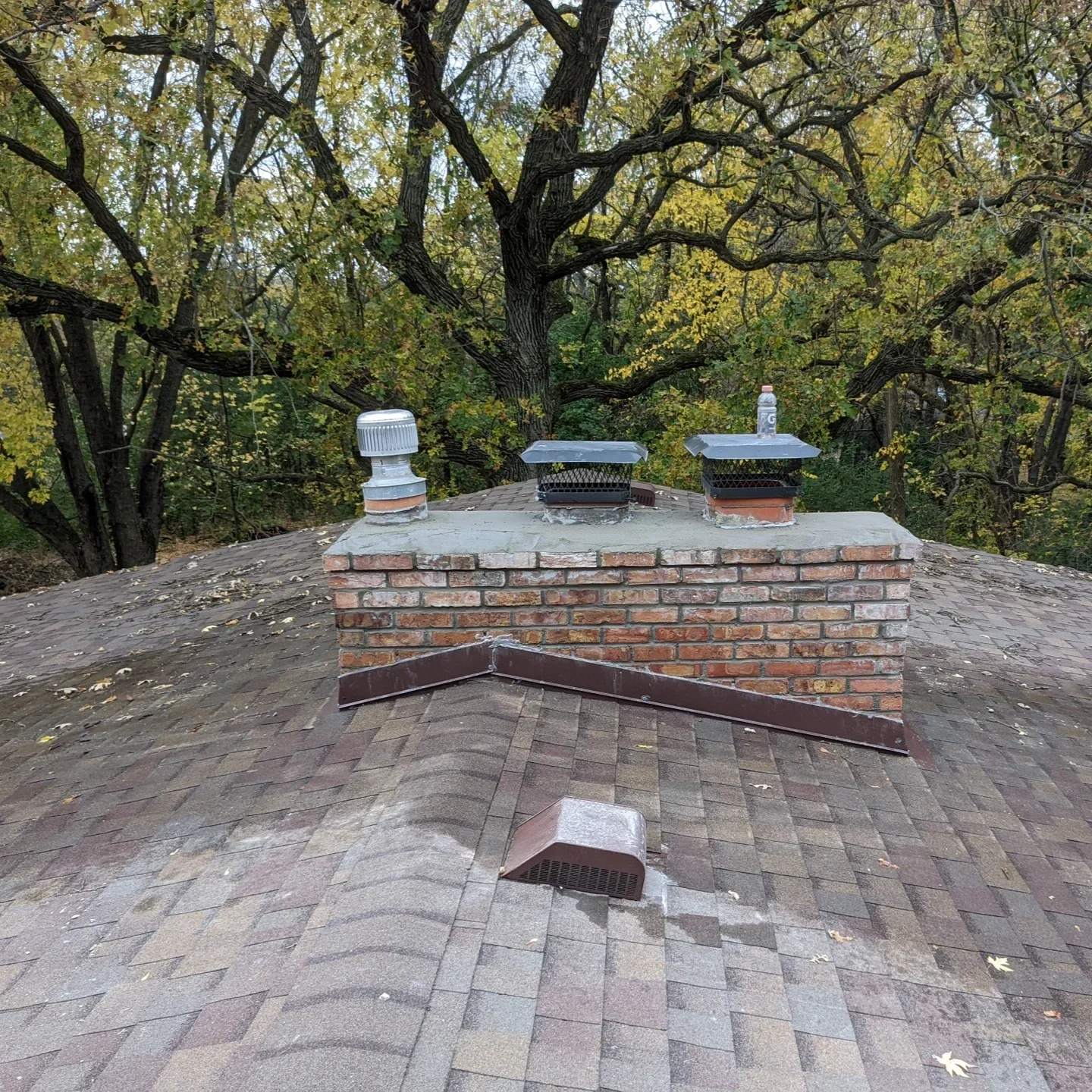
Regular chimney inspections prevent fires, carbon monoxide leaks, and costly damage, keeping St. Paul homes safe and efficient.
Why Chimney Problems Matter for St. Paul Homeowners
A chimney’s primary job is simple but critical. It safely carries smoke, heat, and combustion gases from fireplaces, wood stoves, and fuel-burning appliances out of your home. When everything works as intended, the chimney protects indoor air quality, prevents smoke from backing up into living spaces, and helps heating systems operate efficiently. What many homeowners overlook is that a chimney is not just a decorative brick column. It is a working system made up of interconnected parts, including the flue, liner, cap, crown, masonry, damper, and firebox. Each component plays a role in moving heat and gases safely away from your home.
In a city like St. Paul, chimney health is directly tied to both safety and property protection. Neglected chimneys can lead to chimney fires, carbon monoxide exposure, water intrusion, and long-term structural damage. Many homes in St. Paul were built decades ago, and their chimneys are aging along with the rest of the structure. Hidden issues such as cracked liners, deteriorated mortar, or water damage often develop quietly over time. Proactive inspection and maintenance are essential in this older housing market, where problems may not be obvious until they become serious.
How St. Paul’s Climate Makes Chimneys Vulnerable
St. Paul’s climate is tough on chimneys. Long, cold winters, frequent freeze–thaw cycles, snow, ice, and heavy rain all take a toll, particularly on masonry chimneys. When moisture enters bricks or mortar and then freezes, it expands, creating internal stress. Over time, this repeated freezing and thawing causes cracks, spalling bricks, and weakened mortar joints. Even small openings can grow quickly under these conditions.
The long heating season adds another layer of stress. Fireplaces, furnaces, and boilers in St. Paul homes tend to run for months at a time. More use means more heat, more combustion byproducts, and more wear on flue liners. Creosote buildup from wood burning and condensation from gas appliances both become more likely with frequent use. Understanding how local climate and usage patterns affect chimneys helps homeowners identify which problems are most likely and when inspections are needed.
What This Guide Will Help You Do
This guide is designed to help St. Paul homeowners recognize common chimney problems, understand why they happen, and know when to call in a professional. It is not a do-it-yourself repair manual for structural or high-risk issues. Instead, it focuses on identifying warning signs, making informed decisions, and working effectively with qualified chimney professionals.
You will find sections covering creosote and soot buildup, masonry damage, water leaks, drafting issues, liner problems, cap and crown failures, animal blockages, and more. Each topic explains what to look for, why the issue is common in St. Paul homes, and how it is typically addressed. The goal is to give you practical knowledge so you can protect your home and family with confidence.
Understanding How Your Chimney System Works
Main Parts of a Typical St. Paul Chimney
Most chimneys include a chimney stack, flue, flue liner, chimney cap, crown, flashing, damper, smoke chamber, and firebox. Masonry chimneys, common in older St. Paul homes, are usually built of brick with clay tile liners. Newer homes or appliance upgrades may use stainless steel or prefabricated metal systems, especially for gas or wood stoves.
These components work together as a system. Smoke and gases rise through the flue, contained by the liner, while the crown and cap protect the chimney from water and debris. Flashing seals the joint where the chimney meets the roof. A problem in one area often affects others. A missing cap can lead to water intrusion, which damages masonry and liners, and can then cause draft or safety issues. Inspections are most effective when the entire system is evaluated, not just the visible brick.
How Draft and Airflow Should Work
Chimney draft relies on hot air rising. As warm gases travel up the flue, they pull fresh combustion air with them. Temperature difference, chimney height, and flue size all influence draft. St. Paul’s cold winters can create strong draft conditions, but they can also expose weaknesses if the system is damaged or poorly designed.
When the draft is poor, smoke may spill into the room, fires can be hard to start, and odors may linger. These symptoms can be caused by blockages, closed or damaged dampers, incorrect flue sizing, or negative air pressure inside the home. Understanding draft basics makes it easier to recognize when something is wrong.
Common Chimney Problems in St. Paul Homes
Creosote and Soot Buildup
Creosote is a tar-like substance that forms when wood smoke cools and condenses on flue walls. It differs from simple soot, becoming harder and more dangerous as it thickens. Long, low-burning fires, damp firewood, and frequent winter use all contribute to creosote buildup in St. Paul homes.
Warning signs include dark or shiny deposits in the firebox, strong smoky odors, reduced draft, and black buildup at the chimney top. Heavy creosote is highly combustible and can ignite during hot fires, leading to chimney fires that may be loud and dramatic or quiet and destructive. Annual inspections and cleanings, combined with good burning habits, are the most effective ways to manage this risk.
Masonry Cracks and Spalling
Freeze–thaw cycles are a major cause of masonry damage. Water enters small cracks, freezes, and expands, gradually breaking down bricks and mortar. Over time, this leads to crumbling joints, flaking brick faces, and weakened structures.
Homeowners should watch for cracked or missing bricks, spalling surfaces, recessed mortar joints, leaning chimneys, and white staining known as efflorescence. Interior signs, such as cracked firebox bricks or loose masonry near the damper, also matter. Ignoring these issues can result in structural failure, falling bricks, fire hazards, and carbon monoxide leaks. Repairs may involve repointing, partial rebuilding, or protective waterproofing, depending on severity.
Chimney Leaks and Water Intrusion
Water enters chimneys through cracked crowns, missing caps, failing flashing, and porous masonry. Interior signs include water stains, peeling paint, rusted dampers, damp smells, and attic moisture near the chimney. Even minor leaks can cause major damage over time, including mold growth and rotting roof framing.
Preventing leaks involves maintaining caps, crowns, flashing, and appropriate waterproofing. Repairs often require professional masonry or roofing work rather than simple caulking.
Drafting Problems and Odors
Poor draft can result from blockages, cold flues, tight modern homes, competing exhaust fans, or improper chimney height and design. Symptoms include smoke backup, difficulty keeping fires lit, cold downdrafts, and persistent odors.
Temporary steps such as pre-warming the flue or opening a window can help, but long-term solutions may include liners, damper upgrades, chimney extensions, or airflow adjustments. Odors often signal a combination of creosote, moisture, and pressure imbalance that requires professional attention.
Chimney Liner Problems
Liners protect masonry, improve draft, and contain heat and gases. Clay tile liners can crack or separate, while metal liners can corrode if improperly sized or matched to the fuel. Older, unlined chimneys are hazardous.
Signs of liner failure include debris in the firebox, recurring draft issues, condensation, and smoke staining outside the fireplace. Relining is often required after appliance changes or when damage is found. While it can be a significant investment, it greatly improves safety and performance.
Caps, Crowns, and Flashing Failures
A chimney cap keeps out water, animals, and debris while allowing proper venting. The crown sheds water away from the masonry, and flashing seals the roof intersection. Damage to any of these components is common in St. Paul due to weather exposure.
Routine visual checks and professional inspections help catch problems early. Maintaining these roofline elements is one of the most cost-effective ways to prevent larger chimney and roof repairs.
Blockages and Animal Nests
Uncapped chimneys attract animals and collect debris. Blockages cause draft failure and carbon monoxide risk and can ignite during chimney fires. Signs include smoke backup, odors, and animal noises. Proper caps and regular cleanings are the best prevention.
Damper and Firebox Issues
Dampers control airflow, while fireboxes contain high heat. Rusted, warped, or stuck dampers cause heat loss and smoke problems. Cracked firebrick or refractory mortar allows heat and sparks to reach combustible framing.
Professional repair or upgrades, such as top-sealing dampers, improve safety and efficiency, especially in cold climates.
Carbon Monoxide and Health Risks
Chimney problems can allow carbon monoxide to spill into the home. Symptoms include headaches, dizziness, nausea, and confusion. CO detectors on every level of the home are essential. Any alarm or suspected exposure should be treated as an emergency, followed by professional inspection before reuse.
Special Considerations for Gas and Wood Appliances
Gas appliances produce moisture and acidic condensates that can damage masonry if not properly lined. Wood stoves and inserts require correctly sized and insulated liners to prevent creosote and draft problems. Shared chimneys need careful evaluation whenever appliances are changed.
Safe Homeowner Checks and When to Call a Professional
Homeowners can perform basic visual checks from the ground and inside the firebox, but should avoid roof access or deep flue inspection. Persistent smoke, odors, leaks, visible damage, or long periods of disuse all warrant professional service.
Professional inspections range from basic visual checks to camera inspections and, in rare cases, invasive evaluations. Choosing qualified, insured, and experienced local professionals ensures accurate diagnosis and safe repairs.
Conclusion
Chimneys in St. Paul face unique challenges from harsh weather, long heating seasons, and aging construction. Common problems include creosote buildup, masonry deterioration, leaks, draft issues, liner damage, and component failures at the roofline. Each issue has warning signs that attentive homeowners can notice, but most require professional expertise to address safely.
Routine inspections, timely cleanings, and early repairs protect your family from fire and carbon monoxide risks, preserve your home’s structure, and keep heating systems working efficiently. Chimney care is not optional in a St. Paul winter. It is a core part of responsible home ownership.
FAQs About Chimney Problems in St. Paul
Most professionals recommend annual chimney inspections, with cleaning performed as needed based on use and buildup. In St. Paul, long heating seasons and frequent fireplace or appliance use often justify yearly service at a minimum. Homes that burn wood heavily or use stoves as supplemental heat may need more frequent cleanings.
Timing matters as well. Pre-winter inspections ensure safe operation during peak use, while post-season checks can identify damage from heavy use or harsh weather. Cleaning frequency should be based on inspection findings rather than a fixed calendar alone.
Older homes commonly experience creosote buildup, cracked or spalling masonry, deteriorated mortar joints, missing or damaged caps and crowns, liner failures, and leaks around flashing. These issues reflect outdated materials, lack of liners, and years of exposure to freeze–thaw cycles.
Many problems develop slowly and remain hidden until inspections are performed. This makes comprehensive evaluations especially important when buying, selling, or renovating older St. Paul properties.
New or worsening cracks, stains, or leaks should always be taken seriously. Some issues may be cosmetic, but others can indicate structural damage or safety risks. It is not possible to tell the difference without proper evaluation.
The safest approach is to stop using the fireplace, document what you see, and call a professional. A qualified inspection can determine whether the issue can be monitored or requires immediate repair.
Chimney professionals assess liner condition through visual and camera inspections. Cracks, missing sections, severe corrosion, or incompatibility with the appliance usually require relining. Cleaning alone removes buildup but does not fix structural defects.
Relining may also be required when changing appliances or fuel types to meet current codes. Homeowners should ask for clear explanations and visual evidence when relining is recommended so they understand the safety reasons behind the decision.
Trust Golden Stone Masonry in St. Paul, MN, for professional chimney repair, foundation masonry repair, tuckpointing & mortar joint repair, and brick repair & restoration services. Our team works hard to restore strength and prevent moisture intrusion. Ours is a licensed and insured company offering a 10-year warranty. Get your free estimate today.
