
The Importance of Annual Chimney Inspections in Minnesota
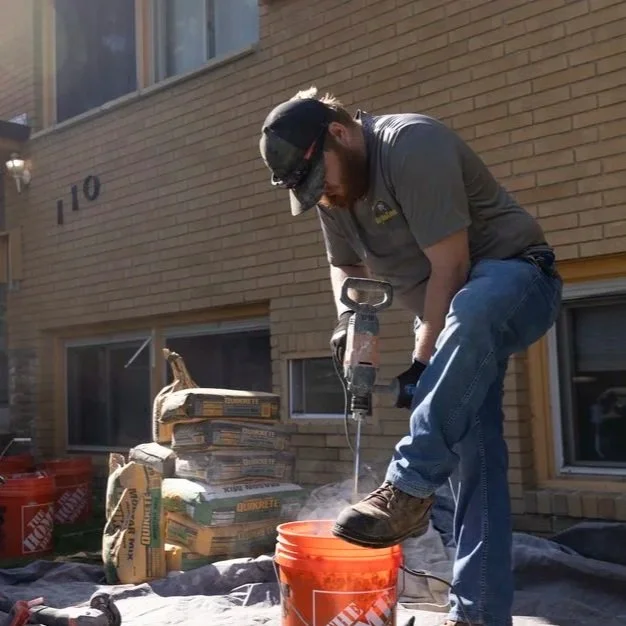
Technician performing annual chimney inspection on a Minnesota home, checking for cracks, creosote buildup, and winter-related damage.
Understanding Why Chimney Inspections Matter in Minnesota’s Climate
How Minnesota’s Harsh Winters Affect Your Chimney
Minnesota winters are unforgiving, and chimneys sit on the front lines of that exposure. Repeated freeze-thaw cycles allow moisture to seep into tiny cracks in brick, mortar, and chimney crowns. When that moisture freezes, it expands, slowly widening those cracks. Over several seasons, what began as barely noticeable surface damage can turn into spalling bricks, failing mortar joints, leaking crowns, and compromised flashing. Heavy snow loads and ice buildup add weight and pressure, while fluctuating temperatures stress both masonry and metal components. Left unchecked, these conditions can lead to structural instability, water intrusion, and serious safety hazards.
At the same time, Minnesota homes rely heavily on fireplaces, wood stoves, furnaces, and boilers for months on end. That extended use produces more soot, creosote, and condensation inside venting systems than homes in milder climates experience. Chimneys here work harder and longer. Annual inspections are critical because they catch damage and buildup early, before a long winter of constant use turns small problems into expensive or dangerous ones.
Why Chimney Inspections Are Different in Cold-Weather States
Cold-weather states face chimney challenges that homeowners in warmer regions rarely encounter. Low outdoor temperatures increase condensation inside flue liners, especially when warm exhaust gases meet cold chimney walls. That condensation mixes with combustion byproducts, hardening into creosote or corrosive residues. Over time, metal liners corrode faster, masonry deteriorates more quickly, and draft problems become more common.
Because heating is essential rather than optional in Minnesota, building codes and safety standards emphasize the chimney's performance and reliability. Annual inspections are not about convenience; they are about ensuring that a vital home system functions safely throughout the winter. Treating chimney maintenance as core home care rather than an afterthought is part of responsible ownership in a northern climate.
The Role of Your Chimney in Home Safety and Comfort
Your chimney is part of a larger venting system designed to safely remove smoke, gases, and particulates from your living space. When it works correctly, fires burn cleaner, the draft improves, odors are minimized, and heat is delivered more efficiently. Good ventilation directly affects comfort, keeping indoor air cleaner and reducing smoke backdrafts and soot staining.
From a safety standpoint, the chimney quietly performs an essential job. Cracks, blockages, or damaged liners can allow carbon monoxide or sparks to enter areas where they do not belong. Annual inspections serve as preventive care, supporting day-to-day comfort while protecting the home's structure and the people inside it.
Common Misconceptions About Chimney Use in Minnesota
One common belief is that infrequent fireplace use means inspections are unnecessary. In reality, unused chimneys often develop animal nests, moisture damage, or unnoticed structural deterioration. Another myth is that gas fireplaces require no maintenance. Gas systems still produce moisture and acidic byproducts that can corrode liners and vent components.
Visible cleanliness can also be misleading. Many serious issues, such as internal liner cracks or advanced creosote layers, are hidden from view. Professional inspections routinely uncover hazards in chimneys that appear “fine” to homeowners, underscoring the importance of annual checks regardless of fuel type or usage.
Overview of What an Annual Chimney Inspection Involves
A typical annual inspection examines the firebox, damper, smoke chamber, flue liner, chimney cap, crown, flashing, and exterior masonry. Inspectors look for creosote buildup, blockages, moisture damage, structural wear, and safety or code concerns. Tools may include flashlights, mirrors, and video cameras to see inside concealed areas.
After the inspection, homeowners should receive a clear explanation of findings and recommendations. This may include cleaning needs, repair priorities, and maintenance timelines. That information provides the basis for safe operation during the upcoming heating season.
Fire Safety: Preventing Chimney Fires in Minnesota Homes
How Creosote Buildup Leads to Chimney Fires
Creosote is a highly flammable byproduct of burning wood, especially during low-temperature fires or when burning unseasoned logs. It builds in stages, from light, flaky soot to thick, tar-like glaze. Each stage increases fire risk, and Minnesota’s long heating season allows creosote to accumulate quickly if it is not monitored.
Once ignited, creosote can turn the chimney into a vertical fire channel. Chimney fires burn extremely hot, cracking liners, warping metal, and transferring heat to nearby framing. Annual inspections identify dangerous buildup before it reaches ignition levels.
Warning Signs of a Potential Chimney Fire
Some chimney fires are obvious, with roaring sounds, dense smoke, or sparks shooting from the chimney top. Others burn slowly and go unnoticed. Subtle clues include cracked or discolored chimney caps, new masonry cracks, or pieces of flue tile in the firebox.
Annual inspections are often the only way to detect evidence of past chimney fires. Identifying and repairing damage early prevents a future incident from becoming far more destructive.
How Annual Inspections Reduce Fire Risk
Annual inspections directly lower fire risk by catching creosote buildup, liner damage, and blockages early. Inspectors assess deposit thickness and type and recommend appropriate cleaning methods. They also verify that caps, spark arrestors, and dampers function properly to contain sparks and control airflow.
Combined with professional cleaning and proper burning habits, inspections create a layered defense against chimney fires, especially important in Minnesota homes.
Carbon Monoxide and Indoor Air Quality Concerns
How Chimney Problems Can Cause Carbon Monoxide Buildup
Carbon monoxide forms whenever fuel burns incompletely. A properly drafted chimney carries it safely outdoors, but blockages, damaged liners, or poor draft can trap it inside the home. Minnesota’s tightly sealed homes can worsen this by limiting natural air exchange.
Bird nests, debris, condensation damage, and venting mismatches are common inspection findings that contribute to CO risk. Annual inspections catch these problems before they become life-threatening.
Symptoms and Dangers of Carbon Monoxide Exposure
Carbon monoxide exposure can cause headaches, dizziness, nausea, confusion, and loss of consciousness. Because symptoms resemble flu or fatigue, they are often overlooked during the winter months. Children, older adults, and people with heart or respiratory conditions are especially vulnerable.
Annual inspections and properly functioning CO detectors are essential safeguards. Together, they form a proactive approach to indoor air safety.
Types of Chimney Inspections: Levels and What They Mean
Level 1 Inspections
A Level 1 inspection is the standard annual check when no major changes or known problems exist. It involves visual inspection of accessible components for damage, buildup, and blockages. This level is appropriate for routine maintenance and ongoing use.
Level 2 Inspections
Level 2 inspections are more detailed and are required after system changes, property sales, chimney fires, or major weather events. They include video scanning and examination of concealed areas to identify hidden defects. Many Minnesota real estate transactions involve Level 2 inspections.
Level 3 Inspections
Level 3 inspections are invasive and reserved for suspected serious hazards. They may involve opening walls or masonry to expose concealed damage. While rare, they are sometimes necessary to fully assess safety risks.
Structural Integrity and Weather-Related Damage
Freeze-Thaw Damage to Masonry and Mortar
Water infiltration followed by freezing causes masonry to crack and deteriorate over time. Annual inspections spot early signs, such as crumbling mortar or loose bricks, allowing targeted repairs before major reconstruction is needed.
Crowns, Caps, and Flashing as Protection
Crowns, caps, and flashing form the chimney’s first line of defense against water. Minnesota’s snow, ice, and wind constantly put these components under pressure. Inspectors check them closely because small failures often lead to widespread damage.
Energy Efficiency and Heating Performance
How a Healthy Chimney Improves Efficiency
A clean, properly sized flue supports optimal draft, allowing fuel to burn more completely and deliver more heat. In Minnesota’s long heating season, even modest efficiency improvements reduce fuel use and costs.
Balancing Airtight Homes and Venting
Energy-efficient upgrades can create negative pressure, disrupting the chimney draft. Annual inspections help identify these issues and guide solutions that balance efficiency with safe venting.
Chimney Inspections for Different Fuel Types
Wood-burning systems generate the most creosote and require close monitoring. Gas appliances still need inspections due to moisture and corrosion risks. Furnace chimneys must be checked for condensation and venting issues. Pellet and high-efficiency systems have specialized venting that requires annual evaluation. Mixed-fuel systems are particularly complex and benefit greatly from professional oversight.
Choosing a Qualified Chimney Professional in Minnesota
Look for certified, insured professionals with experience in Minnesota’s climate. Ask about inspection levels, reports, tools, and warranties. Be cautious of high-pressure tactics or vague claims without documentation. Reputable inspectors explain findings clearly and welcome questions.
Optimal Timing and Frequency of Inspections
Annual inspections are the minimum standard. Late spring through early fall is often the best time to schedule, allowing repairs before winter. Heavier usage or unusual events may warrant more frequent checks. Keeping organized inspection records helps track changes and supports insurance or resale needs.
Cost Considerations and Long-Term Value
The cost of an annual inspection is modest compared to the expense of fire damage or major structural repairs. Inspections function like insurance, reducing the likelihood of catastrophic loss. They also support home value and insurance coverage by demonstrating responsible maintenance.
Conclusion: Making Annual Chimney Inspections a Minnesota Habit
Minnesota’s long winters, heavy snowfall, and freeze-thaw cycles place exceptional demands on chimneys and venting systems. Annual chimney inspections are essential for preventing fires, reducing carbon monoxide risks, preserving structural integrity, and maintaining heating efficiency. When paired with safe operation habits and working detectors, inspections create a strong safety net. Making chimney inspections an annual habit protects your home, your family, and your peace of mind for many winters to come.
FAQs About Annual Chimney Inspections in Minnesota
Even rarely used chimneys should be inspected annually. Weather exposure, animal nesting, and moisture damage can occur regardless of use.
Yes. Gas systems produce moisture and corrosive byproducts that can damage liners and vents, and blockages can still occur.
Basic visual checks are fine, but professional inspections are necessary to identify hidden hazards and ensure safety.
Creosote buildup, masonry deterioration, moisture damage, liner defects, missing caps, and draft issues are among the most common findings.
Golden Stones Masonry is a licensed and insured expert, offering chimney repair, chimney rebuild, and foundation masonry repair solutions to St. Paul, MN, residents. Our professionals deliver reliable and long-lasting results that come with a 10-year warranty. We take pride in our transparent process and fair and honest pricing. Call now to book a service appointment.
