
How to Inspect Your Chimney for Damage in St. Paul, MN
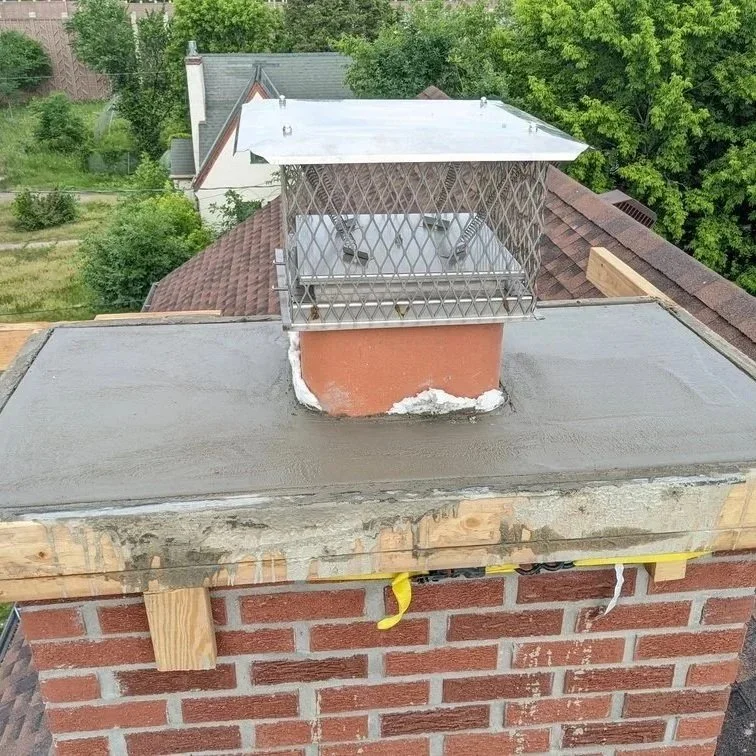
Regular chimney inspections help St. Paul homeowners detect cracks, moisture issues, and creosote buildup before costly damage occurs.
Why Chimney Inspections Matter in St. Paul, MN
A chimney plays a critical role in protecting your home by safely venting smoke, heat, and combustion gases away from living spaces. Whether connected to a fireplace, wood stove, or heating appliance, the chimney channels byproducts that would otherwise pose serious health and fire risks. When a chimney becomes damaged, blocked, or deteriorated, those risks increase quietly and often without obvious warning. Many chimney problems develop internally or above the roofline, allowing a system to appear functional while unsafe conditions worsen out of sight.
Routine inspections are an essential part of responsible home maintenance, similar to monitoring your roof or heating system. Minor issues such as hairline cracks, early moisture intrusion, or moderate creosote buildup are far easier and less costly to address than structural failures or fire damage. Homeowners who periodically inspect their chimneys are better equipped to recognize changes, ask informed questions, and act before problems escalate. While professional inspections remain necessary for safety and compliance, homeowner inspections support proactive decision-making.
St. Paul’s climate places added strain on chimney systems. Extended winters, repeated freeze-thaw cycles, snow accumulation, and spring moisture all accelerate masonry deterioration and metal corrosion. Water absorbed into bricks and mortar freezes and expands, gradually breaking materials apart from within. Summer heat and humidity then compound the damage through expansion and contraction. Because chimneys in St. Paul are exposed to these conditions year after year, annual inspections are especially important for long-term safety and durability.
Homeowners can safely perform limited visual inspections to identify warning signs, but these efforts are not a replacement for professional evaluations. Certified chimney professionals conduct inspections at different levels using cameras, tools, and safety equipment to assess areas inaccessible to homeowners. Any uncertainty, visible damage, or safety concern identified during a DIY inspection should always prompt professional service.
Safety First: Preparing for a Chimney Inspection in St. Paul, MN
Personal safety should always come first when inspecting a chimney. Fires must be completely extinguished, and the fireplace or appliance fully cooled before any inspection begins. Chimney interiors often contain soot, ash, and fine debris that can irritate the eyes and lungs, so protective eyewear, gloves, and a dust mask or respirator are recommended. Sturdy footwear helps reduce the risk of slips, especially when inspecting exterior areas.
Having another adult present is strongly advised, particularly if ladders are involved. Chimney inspections often require awkward viewing angles, and falls are a serious risk. If any part of the inspection feels unsafe, stop and call a professional. No inspection is worth risking injury, especially on icy roofs or unstable ground common in Minnesota conditions.
Useful tools include a bright flashlight or headlamp, a small mirror for limited visibility past the damper, and a phone or camera to document findings. Notes and photos allow comparisons over time and help professionals understand what you observed. Roof inspections should only be attempted on dry, calm days without snow or ice. Late summer or early fall is ideal timing, with an additional spring check helpful for identifying winter damage.
Understanding Your Chimney’s Components in St. Paul, MN
A chimney is made up of several components that work together to vent exhaust and protect the home. The firebox contains the fire, followed by the throat and the smoke chamber, which guide smoke upward. The flue carries gases out of the structure, while the liner protects surrounding materials from heat and corrosion. The damper controls airflow, and exterior components such as the crown, cap, and flashing prevent water intrusion.
Masonry chimneys are commonly built from brick or block with mortar joints and may contain clay tile or metal liners. Metal chimneys are often factory-built systems with insulated pipes housed within a framed chase. Masonry chimneys commonly experience mortar erosion, spalling bricks, and cracked crowns, while metal systems are more susceptible to rust, joint separation, and insulation failure.
The flue liner is especially important for safety. Clay tiles can crack or shift, and metal liners can corrode or warp over time. Homeowners typically cannot see the entire liner, but visible cracks, missing sections, or tile fragments in the firebox are serious warning signs that require professional attention.
Interior Firebox and Damper Inspection in St. Paul, MN
Inspecting the firebox starts with examining the bricks or refractory panels for cracks, gaps, or missing material. Small hairline cracks may occur naturally, but wide cracks, bulging surfaces, or loose bricks indicate heat-related deterioration that exposes surrounding framing to extreme temperatures. Powdery residue or crumbling surfaces are also signs of damage.
Smoke staining around the fireplace opening can indicate draft problems or blockages. Light sooting may occur with use, but thick dark stains or blistered paint suggest ongoing smoke spillage. Difficulty starting fires or smoke entering the room should be considered alongside visual findings.
The damper should open fully and close securely without resistance. Rust, warping, or broken components indicate potential failure. A partially stuck damper can cause smoke backup and poor efficiency. If the damper cannot be operated safely, the fireplace should remain unused until repaired.
Assessing Creosote and Soot Buildup in St. Paul, MN
Creosote is a flammable residue produced by burning wood and accumulates in the flue over time. It forms more quickly when fires burn cool or when unseasoned wood is used. There are three stages of creosote, ranging from loose soot to hard, glossy deposits that are extremely dangerous. Any visible glazed creosote should be treated as a serious hazard.
Even moderate creosote buildup increases the risk of chimney fires, especially during St. Paul’s long heating season. Homeowners should avoid scraping deposits themselves, as this can damage liners. Visible buildup indicates the need for professional cleaning before further use.
Gas chimneys do not produce creosote but can show signs of condensation, corrosion, or acidic residue. White deposits, rust, or dampness inside the flue suggest venting problems that still require inspection and maintenance.
Exterior and Roof Level Chimney Inspection in St. Paul, MN
From the ground, homeowners should look for leaning chimneys, cracked or missing bricks, deteriorating mortar joints, and stains that indicate moisture movement. Spalling bricks, where the surface flakes or breaks away, are common in freeze-and-thaw climates and signal moisture damage.
If conditions are safe, the chimney top should be checked for a secure cap, intact screens, and a crack-free crown that slopes away from the flue. Missing caps allow water and animals inside, while cracked crowns accelerate internal deterioration. Binoculars offer a safer alternative to roof access in many cases.
Flashing where the chimney meets the roof is a frequent source of leaks. Gaps, rust, or lifted metal indicate failure. Interior signs, such as ceiling stains or peeling paint near the chimney, often indicate flashing issues that require professional repair.
When to Call a Professional Chimney Sweep in St. Paul, MN
Certain findings should always prompt professional service. These include visible flue damage, heavy creosote buildup, water leaks, leaning chimneys, animal infestations, or evidence of past chimney fires. Continued use under these conditions increases the risk of fire and carbon monoxide exposure.
Certified chimney professionals use cameras and specialized tools to inspect areas homeowners cannot see. They provide documentation, recommendations, and repairs ranging from cleaning and cap replacement to tuckpointing and relining. Professional inspections are also commonly required for insurance claims and home sales.
FAQs About Inspecting Your Chimney for Damage in St. Paul, MN
Most chimneys should be professionally inspected at least once per year, especially if they are used regularly during the winter. Wood-burning chimneys typically require annual cleaning to remove creosote, while gas systems still need inspections to check for corrosion, blockages, and venting issues. Homes with heavy fireplace use or older chimneys may benefit from more frequent service.
Homeowners can safely perform basic visual inspections of accessible areas such as the firebox, damper, exterior masonry, and surrounding interior spaces. These inspections help identify obvious warning signs but cannot replace professional evaluations. Any damage, uncertainty, or safety concern discovered during a DIY inspection should lead to scheduling a professional inspection.
Freeze-thaw cycles are the leading cause of chimney damage in St. Paul. Moisture enters small cracks, freezes, and expands, leading to spalling bricks, mortar deterioration, and cracked crowns. Snow and ice also accelerate metal corrosion and flashing failure. Over time, these issues allow more moisture intrusion and structural weakening.
A chimney should not be used if you notice flue cracks, missing liner sections, heavy creosote buildup, leaning structures, persistent smoke in the home, strong odors, or signs of water leaks. Evidence of animal nests or a past chimney fire also makes the system unsafe. When in doubt, stop using the chimney and call a professional.
Gas chimneys still require regular inspections, even though they do not produce creosote. Condensation, corrosion, blockages, and venting failures are common issues in gas systems. Annual inspections help identify these problems early and reduce the risk of carbon monoxide exposure and appliance inefficiency.
Golden Stones Masonry is a licensed and insured expert, offering chimney repair, chimney rebuild, and foundation masonry repair solutions to St. Paul, MN, residents. Our professionals deliver reliable and long-lasting results that come with a 10-year warranty. We take pride in our transparent process and fair and honest pricing. Call now to book a service appointment.
