
The Importance of Regular Chimney Inspections Post-Rebuild
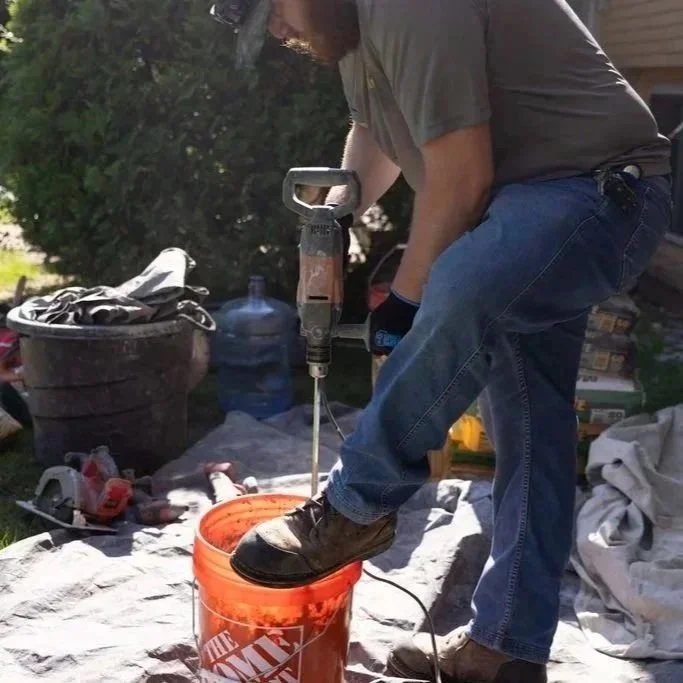
Even after a rebuild, chimneys require routine inspections to catch wear, moisture damage, and creosote buildup before problems escalate.
Understanding Post-Rebuild Chimney Inspections
A chimney rebuild is one of the most significant repairs a homeowner can make. It addresses serious structural problems and restores the chimney to a safe operating condition. What often gets overlooked, though, is what happens next. A rebuilt chimney is not immune to future problems, and regular inspections remain essential to protect both safety and performance.
What a Chimney Rebuild Actually Fixes—and What It Doesn’t
A full or partial chimney rebuild typically corrects visible and structural failures. This may include replacing deteriorated masonry, rebuilding the stack above the roofline, repairing or replacing the crown, correcting leaning or instability, and restoring the chimney’s overall structural integrity. In many cases, a rebuild resolves long-standing water damage, cracking, or unsafe movement, bringing the chimney back to a safe baseline.
What a rebuild does not do is permanently stop future wear. Mortar still weathers, masonry still absorbs moisture, creosote still accumulates, and liners and seals continue to age. A rebuild fixes the problems that exist at that moment, but it does not prevent new issues from developing inside the flue, around flashing, or in areas that may not have been fully replaced. Inspections are what allow those new concerns to be identified early.
The Difference Between a Rebuild and an Inspection
A rebuild is a construction project. It physically repairs or replaces damaged components. An inspection, by contrast, is a diagnostic process. It evaluates how the chimney system is functioning and whether it remains safe over time. Inspections are generally non-invasive and designed to find hazards, defects, and maintenance needs before they escalate.
Rebuilds are occasional events. Inspections should be routine. Even a newly rebuilt chimney can develop problems due to settling, workmanship flaws, material failure, or environmental stress. Regular inspections are ongoing checks that confirm the rebuild is performing as intended.
Why a Newer or Rebuilt Chimney Still Needs Checks
Many homeowners assume a rebuilt chimney won’t need attention for years. In reality, masonry, mortar, liners, and seals begin aging immediately. Weather exposure, temperature swings, and daily use start affecting the system as soon as it’s back in service. Early post-rebuild inspections are especially important because materials are curing, settling, and experiencing real-world conditions for the first time.
Minor design or construction errors don’t always show up right away. Draft issues, moisture intrusion, hairline cracking, or smoke backup often appear only after repeated heating and cooling cycles. Inspections during the first few years after a rebuild provide reassurance that the work is holding up and that hidden issues are not developing unnoticed.
Key Components Evaluated During Post-Rebuild Inspections
During an inspection, professionals review the chimney crown, cap, flue liner, masonry, mortar joints, flashing, smoke chamber, damper, and hearth area. Each component plays a role in safety and efficiency. Even when some parts are newly installed, others may be older and still vulnerable to wear.
Inspectors assess both interior and exterior conditions. They look for creosote buildup, moisture damage, obstructions, cracks, movement, and ventilation problems. They also evaluate how the chimney connects to the roof and to the appliance it serves, ensuring that all parts work together properly after the rebuild.
The Role of Building Codes and Industry Standards
Local building codes and industry standards, such as NFPA 211, guide chimney construction and maintenance. A rebuild should meet these requirements when it’s completed, but codes evolve, and usage can change. Inspections help ensure continued compliance as standards, appliances, or home conditions shift.
Inspectors use these guidelines to evaluate liner sizing, clearances to combustibles, termination height, and construction details. Ongoing inspections reduce the risk of code violations, insurance complications, and safety hazards that can emerge over time.
Safety Benefits of Regular Post-Rebuild Chimney Inspections
Reducing Chimney Fire Risks After a Rebuild
A rebuilt chimney starts safer, but creosote can accumulate quickly once fires resume, especially with frequent wood burning or poor burning practices. Inspections identify creosote levels, heat damage, and early warning signs that could lead to a chimney fire if ignored.
Inspectors also look for evidence of overheating or minor flare-ups that the homeowner may not have noticed. Regular checks confirm the chimney continues to handle thermal stress safely.
Preventing Carbon Monoxide and Smoke Intrusion
Carbon monoxide and smoke hazards remain a concern even after a rebuild. Cracked liners, blockages, or draft problems can compromise venting and allow dangerous gases back into living spaces.
Inspections evaluate draft performance, check for obstructions, and verify that liners and connections remain intact. Catching these issues early is critical for protecting indoor air quality and occupant health.
Identifying Structural Movement and Settling Early
New masonry can shift slightly as it acclimates to load and environmental conditions. Small cracks, mortar separation, or gaps around flashing can signal early settling.
Inspectors watch for these subtle changes and recommend minor corrections before they turn into major structural problems. Early intervention preserves the integrity and lifespan of the rebuilt chimney.
Ensuring Safe Clearances to Combustible Materials
Safe clearances between chimney components and combustible materials are essential. In older homes, hidden framing or later renovations can create clearance issues even after a rebuild.
Inspections verify that required distances are maintained and that no new modifications have compromised safety. Maintaining proper clearances reduces long-term fire risk from heat transfer.
Verifying Damper, Cap, and Appliance Connections
Dampers, caps, and appliance connections must function correctly for safe operation. These components can shift, loosen, or wear with use and temperature changes.
Inspectors confirm dampers operate smoothly, caps are secure and effective, and appliances remain properly connected and sealed. Addressing minor issues here prevents smoke spillage, downdrafts, and moisture problems.
Performance and Efficiency Advantages
Optimizing Draft and Combustion Efficiency
A proper draft supports efficient burning and safe venting. As a rebuilt chimney ages, small changes can affect draft behavior.
Inspections help identify performance issues early, allowing adjustments that keep fires burning cleaner and more efficiently while reducing fuel waste.
Maintaining Consistent Heating Performance
A healthy chimney contributes to steady, reliable heating. Air leaks, downdrafts, or damper problems can undermine comfort and efficiency.
Regular inspections help maintain the performance expected of a rebuilt system, supporting both comfort and energy efficiency.
Reducing Fuel Consumption and Operating Costs
Efficient venting allows appliances to extract more heat from fuel. Small fixes identified during inspections can reduce energy loss and lower operating costs over time.
The savings from improved efficiency often offset the cost of routine inspections.
Moisture, Weather, and Long-Term Durability
Water, freeze-thaw cycles, and storms remain major threats to chimneys. Inspections detect early signs of moisture intrusion, crown cracking, flashing failure, efflorescence, and spalling before damage becomes extensive.
Protective treatments, minor resealing, and small masonry repairs recommended during inspections can significantly extend the life of a rebuilt chimney.
Types and Levels of Chimney Inspections
Chimney inspections are typically classified into three levels. Level 1 inspections are basic visual checks for systems with no changes or problems. Level 2 inspections are more detailed and often include camera scanning, commonly recommended after a rebuild or system change. Level 3 inspections are invasive and reserved for suspected serious hazards.
After a rebuild, a Level 2 inspection is often appropriate to establish a thorough baseline. Once performance is confirmed, ongoing annual inspections may revert to Level 1 unless new concerns arise.
Inspection Frequency and Scheduling Post-Rebuild
Most homeowners should schedule an initial comprehensive inspection after the chimney has been in use, followed by annual inspections. Heavy use, severe weather events, or unusual symptoms may justify additional checks.
Off-season inspections allow time for repairs before heating season, while post-season inspections reveal damage or buildup from winter use. Extra inspections are wise after chimney fires, storms, or structural impacts.
Choosing a Qualified Chimney Professional
Work with certified, insured professionals who understand industry standards and local conditions. Ask about experience with post-rebuild inspections, inspection levels offered, reporting methods, and documentation.
Clear reports, photos, and a willingness to explain findings are hallmarks of a trustworthy inspector. Building a long-term relationship with one professional simplifies record-keeping and trend tracking.
Cost, Value, and Long-Term Savings
Inspection costs are modest compared to major repairs or another rebuild. Catching minor problems early saves money, supports insurance claims, and strengthens resale value through documented maintenance history.
Beyond finances, regular inspections provide peace of mind, allowing homeowners to enjoy their fireplaces and heating systems without constant worry about hidden dangers.
Conclusion
A chimney rebuild restores safety at a point in time, but it does not eliminate future risks. Masonry, liners, crowns, and flashing continue to face heat, moisture, weather, and daily use. Regular inspections are what keep a rebuilt chimney safe, efficient, and durable.
By scheduling professional inspections, understanding recommendations, and acting promptly on findings, homeowners protect their investment and reduce fire, carbon monoxide, and structural risks. Post-rebuild chimney inspections are not optional extras; they are a core part of responsible homeownership and long-term safety.
Chimney Rebuild Inspection FAQs
Most professionals recommend a thorough inspection after the chimney has been in use, often within the first year, to confirm proper performance and identify early settling or material issues.
Yes. Annual inspections are still essential to monitor creosote buildup, moisture intrusion, draft performance, and structural changes.
Common findings include creosote accumulation, minor crown cracks, flashing issues, draft problems, liner defects, and early signs of settling.
Homeowners can perform basic visual checks, but professional inspections are necessary to evaluate internal components, liners, clearances, and overall safety accurately.
Golden Stones Masonry is a licensed and insured expert, offering chimney repair, chimney rebuild, and foundation masonry repair solutions to St. Paul, MN, residents. Our professionals deliver reliable and long-lasting results that come with a 10-year warranty. We take pride in our transparent process and fair and honest pricing. Call now to book a service appointment.
