

Common Chimney Safety Mistakes After a Rebuild
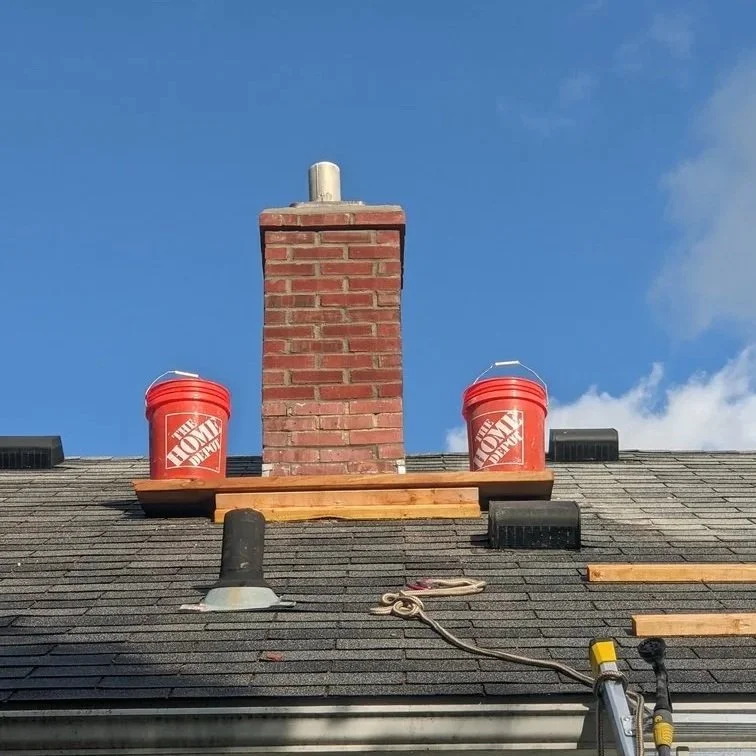
Even after a rebuild, regular inspections and correct use are critical to keep your chimney safe and efficient.
Understanding Chimney Rebuilds and Post-Rebuild Safety
A chimney rebuild is often viewed as a finish line, but from a safety standpoint, it is really a reset. Professionals use the term “rebuild” to describe a range of work, from rebuilding the chimney stack above the roofline to replacing the crown, correcting failing mortar through tuckpointing, or installing new flue liners. In some cases, only the most damaged sections are rebuilt, while other components remain original. Regardless of scope, a rebuild corrects existing structural damage, water intrusion, spalling brick, mortar failure, and, in many cases, draft problems that made the chimney unsafe to use.
What a rebuild does not do is eliminate the need for ongoing care. New materials still age, liners still accumulate creosote, and weather exposure begins immediately. A rebuild restores safety at a given moment, but it also introduces new variables, such as fresh mortar, different flue dimensions, or updated components that must be operated correctly. Homeowner behavior after the rebuild plays a major role in whether the chimney remains safe long term.
Why Safety Risks Don’t End After a Rebuild
Combustion, heat, creosote, moisture, and seasonal temperature swings continue to stress a chimney from the first fire onward. Many homeowners let their guard down because the chimney looks new, skipping inspections and cleanings they would not have ignored before. This is where problems begin. Drafting issues may not show up immediately, materials may still be curing, and compatibility issues with existing appliances can take time to reveal themselves.
A rebuilt chimney can also behave differently from the old one. New liners or altered dimensions can change airflow and heat retention. Some homeowners respond to these changes by improvising, burning hotter fires, overloading the firebox, or adjusting dampers incorrectly. These reactions often create new safety risks rather than solving the underlying issue.
Common misconceptions fuel these mistakes. A new chimney can still catch fire if creosote builds up. Cleaning is still necessary, sometimes sooner than expected. Smoke or odor issues do not automatically indicate a poorly done rebuild; they may reflect break-in issues or usage habits that need adjustment. The safest mindset is to view the rebuild as the start of a disciplined maintenance plan, not a permanent fix.
Mistake #1: Assuming a Rebuild Eliminates the Need for Inspections
Annual inspections remain essential regardless of chimney age. Organizations like the Chimney Safety Institute of America recommend annual inspections to identify creosote buildup, blockages, cracks, flashing issues, and early signs of failure. Even new chimneys can develop problems due to settling, weather exposure, or improper use.
Inspectors often focus on crowns, flashing, liner connections, and mortar joints in recently rebuilt chimneys. The first inspection after the initial burn season is essential to confirm that materials are performing as intended. Skipping inspections can also affect insurance claims. After a fire or carbon monoxide incident, insurers may ask for maintenance records. A lack of documentation can complicate coverage and increase liability exposure.
Mistake #2: Ignoring Curing and Break-In Periods
New mortar, refractory components, and some liners require time to cure. Lighting large fires too soon can cause cracking, weakened joints, or warped liners. Contractors often recommend a break-in period with small, controlled fires that gradually introduce heat.
Skipping this step is one of the most common post-rebuild mistakes. Overfiring early can cause damage that is not immediately visible but significantly shortens the chimney’s lifespan. Homeowners should follow written instructions from the contractor and manufacturers exactly. If instructions are missing, it is worth making a phone call before lighting the first fire.
During the first season, homeowners should watch for new cracks, discoloration, unusual odors, or smoke leakage and keep notes. These observations help professionals determine whether the chimney is adjusting normally or showing signs of stress.
Mistake #3: Using the Wrong Fuel After a Rebuild
A rebuilt chimney does not make poor fuel choices safe. Burning wet or unseasoned wood produces more smoke and creosote, increasing fire risk even in a new system. Only properly seasoned wood should be used, typically split and dried for six to twelve months.
Burning trash, treated lumber, pallets, or painted materials is especially hazardous. These release toxic fumes, corrosive residues, and excessive sparks that damage liners and degrade masonry. Fuel type must also match the appliance. Using the wrong fuel in inserts, stoves, or fireplaces can cause overheating, draft failure, and liner damage.
Overloading the firebox or using excessive chemical fire starters are other common errors. High-intensity fires stress new materials and raise the risk of chimney fires. Controlled, well-sized fires burn cleaner and safer.
Mistake #4: Neglecting Regular Cleaning and Creosote Control
Creosote forms whenever wood is burned. A rebuilt chimney starts clean; it does not prevent buildup. One heavy-use season can produce enough creosote to require cleaning. Annual cleaning is a minimum guideline, with more frequent service needed for heavy use or poor burning habits.
Some homeowners attempt DIY sweeping, which can work for simple systems, but many rebuilt chimneys include liners and offsets that require professional tools and experience. Improper brushes or chemicals can damage liners, dislodge mortar, or create leaks. Signs that immediate cleaning is needed include strong smoky odors, reduced draft, shiny black deposits, or debris falling into the firebox.
Mistake #5: Overlooking Venting, Draft, and Airflow Issues
Draft depends not only on the chimney but also on house pressure. Modern homes, exhaust fans, and range hoods can create negative pressure that competes with chimney draft. After a rebuild, changes in flue size or liner type can make the system more sensitive to these factors.
Blocked flues from nests, debris, or failed dampers can occur quickly, especially if caps are missing or damaged. Improper damper use is another issue. Closing dampers too soon traps smoke and moisture, accelerating creosote buildup and corrosion. Homeowners should understand how any new or modified dampers operate and use them correctly.
Mistake #6: Failing to Address Water Entry and Exterior Protection
Water is one of the most destructive forces affecting chimneys. Caps, crowns, and flashing are critical defenses. Even after a rebuild, poor-quality caps, thin crowns, or rushed flashing work can allow water intrusion.
Early signs of trouble include hairline crown cracks, efflorescence, spalling brick, or stains near the chimney. Freeze-thaw cycles can quickly worsen these issues. Breathable masonry waterproofing, applied at the right time, can extend the life of the rebuild, but improper coatings or painted brick often trap moisture and cause more harm.
Mistake #7: Ignoring Interior Fireplace and Appliance Compatibility
Changing appliances after a rebuild without verifying compatibility is risky. Inserts, stoves, and gas logs must match flue size, liner type, and heat output. Clearance to combustibles must also be maintained. Adding mantels, shelves, or TVs too close to the fireplace can introduce new fire hazards.
Using unapproved gas logs, incorrect glass doors, or improvised heaters inside fireboxes can lead to carbon monoxide issues and code violations. A qualified professional should review any interior modification near the chimney.
Mistake #8: Overlooking Carbon Monoxide and Indoor Air Quality Risks
Carbon monoxide risks remain even after a rebuild. CO can leak through liner gaps, draft failures, or blocked flues. Properly placed and tested CO and smoke alarms are essential on every level of the home, especially near sleeping areas.
Symptoms such as headaches, dizziness, or nausea during fireplace use should be treated as emergencies. Ventilation issues, negative pressure, or appliance malfunctions should be addressed professionally rather than ignored.
Mistake #9: Assuming All Contractors and Workmanship Are Equal
Not all rebuilds are executed to the same standard. Issues like poorly sloped crowns, misaligned liners, or inadequate flashing may not show up immediately. Homeowners should verify credentials, keep documentation, and consider independent post-rebuild inspections for peace of mind, especially before heavy use or resale.
Mistake #10: Making Unapproved DIY Modifications
DIY changes near a rebuilt chimney often introduce safety problems. Blocking openings, altering smoke shelves, adding improvised caps, or applying incorrect coatings can undermine draft and fire safety. Aesthetics should never override proper function.
Mistake #11: Poor Operation Habits and Day-to-Day Use
Unsafe habits such as unattended fires, burning overnight in open fireplaces, using flammable liquids, or closing dampers too quickly increase risk. Proper fire-building techniques, controlled burns, and safe ash handling are essential for protecting both the chimney and the home.
Mistake #12: Skipping a Long-Term Maintenance and Safety Plan
A rebuilt chimney needs a written maintenance plan that includes inspections, cleanings, and visual checks. Budgeting for routine care protects the much larger investment made in the rebuild. Tracking performance changes, educating household members, and planning for future upgrades all contribute to long-term safety.
Conclusion: Making Your Rebuilt Chimney Safely Last
A chimney rebuild marks the beginning of a new phase of responsibility, not the end of safety concerns. Assuming inspections and cleanings are no longer needed, mishandling curing periods, using improper fuels, ignoring water protection, or making DIY modifications can quickly undo the benefits of professional work. By following manufacturer and contractor guidance, maintaining regular inspections and cleanings, operating the system correctly, and involving qualified professionals when changes are needed, homeowners can ensure their rebuilt chimney delivers warmth and comfort for many years without compromising safety.
Chimney Safety FAQs After a Rebuild
This depends on materials and conditions, but most rebuilds require a curing period followed by small break-in fires. Always follow the contractor’s instructions before full use.
At least once per year, with more frequent cleanings if you burn wood heavily or notice performance changes.
Smoke spillage, strong odors, cracking masonry, white staining, reduced draft, or carbon monoxide alarms should be addressed immediately.
Often yes. Liner size and material must match the new fuel and appliance. A professional evaluation is essential.
It can. Insurers may view a lack of inspections and cleaning as negligence, which can complicate or reduce claims after an incident.
Golden Stones Masonry is a licensed and insured expert, offering chimney repair, chimney rebuild, and foundation masonry repair solutions to St. Paul, MN, residents. Our professionals deliver reliable and long-lasting results that come with a 10-year warranty. We take pride in our transparent process and fair and honest pricing. Call now to book a service appointment.