
Signs Your Gas Fireplace Chimney Needs Repair in St. Paul
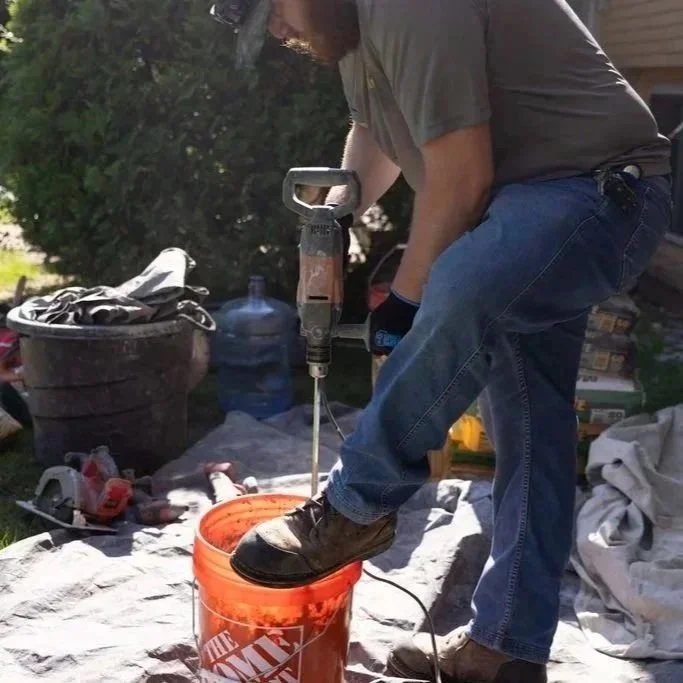
Regular chimney inspections prevent gas fireplace hazards, ensuring safe venting and optimal performance during St. Paul’s harsh winters.
Gas fireplaces are often seen as the low-maintenance alternative to wood burning, but that perception can lead homeowners to overlook one of the most essential parts of the system: the chimney or vent. Even though gas burns cleaner, it still produces exhaust gases, moisture, and carbon monoxide that must be safely vented from the home. In St. Paul, where gas fireplaces often run for long stretches during cold winters, chimney health plays a significant role in both safety and performance.
A properly functioning gas fireplace chimney quietly does its job in the background. When something goes wrong, the signs are often subtle at first. Knowing what to watch for can help you address problems early, before they turn into serious safety hazards or expensive repairs.
Why Gas Fireplace Chimney Health Matters in St. Paul
Every gas fireplace relies on a venting system to remove combustion byproducts. That system might be a traditional masonry chimney with a metal liner, a dedicated metal flue, or a sealed direct-vent pipe. No matter the design, its purpose is the same: move exhaust safely outdoors and keep indoor air clean.
St. Paul’s climate makes this especially important. Freeze-thaw cycles, snow, ice, and strong winter winds all take a toll on chimneys and vents. Moisture finds its way into small cracks, freezes, expands, and gradually breaks materials down. At the same time, heavy winter use puts sustained stress on liners, caps, seals, and vent joints. Minor defects that might go unnoticed in a milder climate can escalate quickly here.
This guide walks through the most common signs that a gas fireplace chimney may need repair, what those signs usually mean, and when it’s time to call in a professional.
Understanding How Gas Fireplace Chimneys Work
A gas fireplace system includes the firebox, burners, gas supply, ignition system, glass or front panel, and the vent or chimney. In vented systems, exhaust travels through a flue or vent pipe and exits above the roof or through an exterior wall. Some systems rely on natural draft, while direct-vent units use sealed pipes that both draw combustion air from outside and exhaust gases back out.
When everything is working correctly, ignition is smooth, flames are stable, odors are minimal, and you never notice air moving in or out of the fireplace opening. The chimney or vent should be invisible during operation.
Gas chimneys still require maintenance because combustion produces moisture and acidic byproducts. Over time, these can corrode metal liners, degrade masonry, and compromise seals. Weather, age, and past installation quality all affect how well the system holds up.
Visible Exterior Signs of Trouble
Cracked or crumbling brick and mortar
One of the easiest warning signs to spot is exterior masonry damage. Bricks that flake, crack, or crumble and mortar joints that appear recessed or powdery often indicate long-term moisture exposure. In St. Paul, freeze-thaw cycles accelerate this process. Damaged masonry allows more water into the chimney, which can rust the liners and weaken the structure further.
Leaning or unstable chimneys
A chimney that tilts, bows, or appears to separate from the house is a serious concern. This can result from foundation movement, advanced masonry deterioration, or years of water damage. Snow load and ice can worsen instability. Any visible lean warrants immediate professional evaluation.
Missing or damaged chimney caps
The chimney cap keeps rain, snow, animals, and debris out of the flue. Rusted, loose, or missing caps are common sources of moisture intrusion and blockages. Rust streaks or water stains below the cap are often early clues that the system is no longer sealed properly.
Staining and efflorescence
White, chalky residue on brick, known as efflorescence, indicates water moving through masonry. Dark stains or rust streaks can point to leaks, liner corrosion, or failing flashing. These stains are not just cosmetic; they usually signal deeper problems.
Cracked chimney crown
The crown is the top surface that sheds water away from the chimney. Cracks, gaps, or missing sections allow water to enter the structure directly. In winter, trapped moisture freezes and expands, accelerating interior damage. Crown issues are a common source of leaks near gas fireplaces.
Interior Warning Signs Around the Fireplace
Discoloration near the fireplace opening
Yellow, brown, or black stains on walls, mantels, or surrounds often indicate moisture intrusion or exhaust leakage. Peeling paint or bubbling drywall can appear before more obvious damage. Any growing discoloration should prompt inspection.
Dampness or musty odors
Water intrusion can appear as damp carpet, warped trim, or musty odors near the chimney wall. Ice dams and snow accumulation around the chimney base often contribute to these issues in St. Paul homes.
Rust on fireplace components
Rust on firebox frames, doors, or visible vent parts suggests excess moisture in the system. Corrosion weakens components and often points to leaks, condensation problems, or a failing cap or crown.
Cracked or loose firebox panels
Gas fireplaces often contain refractory panels inside the firebox. Small hairline cracks can be normal, but larger cracks, gaps, or loose panels may indicate overheating or misdirected heat that stresses venting components.
Persistent condensation on glass
Some fogging at startup is normal, but heavy or ongoing condensation on glass doors can indicate a venting or draft problem. Repeated moisture buildup may point to a blocked or undersized flue.
Performance Changes You Should Not Ignore
Difficulty lighting or staying lit
A pilot that won’t stay on or burners that shut off unexpectedly can be caused by venting issues that affect draft and safety sensors. Repeated ignition problems deserve professional attention.
Reduced heat output
If the fireplace seems weaker than in previous seasons, vent deterioration or partial blockages may be affecting combustion efficiency. Performance changes often appear alongside odors or staining.
Frequent pilot outages or wind-related issues
Strong St. Paul winds can expose venting problems. Flames that flicker excessively or blow out during gusts often indicate downdrafts or termination issues.
Delayed ignition sounds
A noticeable “woof” or flare at startup may be related to dirty components, but draft and vent conditions can contribute. Repeated delayed ignition is not normal.
Warm air or exhaust entering the room
Any consistent spillage of exhaust or warm air into the living space is a serious safety concern and should trigger immediate shutdown and inspection.
Odors That Signal Chimney Problems
Gas smells
A persistent gas odor is never normal. Shut off the unit, ventilate the area, and contact professionals immediately.
Burning or metallic odors
Strong or persistent burning smells can indicate overheating, blocked vents, or failing liners. These should not be ignored once the initial burn-off has passed.
Musty or moldy smells
Chronic moisture intrusion often produces musty odors near the fireplace. This can indicate leaks, hidden mold, or saturated masonry.
Exhaust or stale air smells
Exhaust-like odors during operation may indicate backdrafting or vent leaks, increasing the risk of carbon monoxide.
Animal or nesting odors
Strong organic smells can signal nests or debris in the flue, often due to missing or damaged caps.
Draft and Airflow Problems
Cold drafts when the fireplace is off
Noticeable cold air movement suggests sealing issues or compromised vent paths. Older St. Paul homes are especially prone to this.
Back-drafting when other appliances run
Exhaust fans or dryers can interact with chimney draft, pulling air down the flue if venting is marginal.
Wind-related performance changes
Frequent issues during windy weather often point to cap design, chimney height, or routing problems.
Unusual air movement noises
Whistling or howling sounds may indicate restricted airflow, cracks, or blockages that need inspection.
Carbon Monoxide and Safety Red Flags
CO detector alarms
Any CO alarm near a gas fireplace requires immediate evacuation and professional evaluation.
Physical symptoms during operation
Headaches, dizziness, nausea, or fatigue that coincide with fireplace use should be treated as urgent warning signs.
Soot in a gas fireplace
Visible soot is not normal for gas systems and often indicates combustion or venting problems.
Abnormal flame appearance
Flames that are mostly yellow, lazy, or unstable can signal incomplete combustion and vent issues.
Structural and Liner Problems Inside the Chimney
Flue liner damage
Cracked, corroded, or missing liner sections compromise safety. These issues usually require camera inspection to identify.
Blockages and debris
Nests, leaves, or masonry fragments restrict airflow and can cause exhaust backup.
Corroded metal liners
Acidic condensate can erode metal liners over time, creating leaks that allow exhaust into surrounding spaces.
Improper liner sizing
Older chimneys converted from wood to gas may have liners that are too large or incompatible, leading to condensation and poor draft.
DIY or substandard repairs
Improvised patches or mismatched materials often hide serious issues and should be evaluated professionally.
When to Call a Professional
Homeowners can safely perform visual checks, note changes, and document symptoms. Licensed professionals with gas and chimney experience should always handle anything involving gas lines, flues, liners, or structural repairs.
Immediate shutdown is required for gas smells, CO alarms, visible exhaust spillage, major structural damage, or sudden performance changes.
Preventive Maintenance Pays Off
Annual inspections help catch moisture damage, liner wear, and vent problems early. Proper operation, moisture protection, and timely upgrades extend chimney life and improve safety. In older St. Paul homes, modern liners or vent upgrades often provide long-term benefits over repeated patch repairs.
Conclusion
A gas fireplace chimney plays a critical role in protecting your home during St. Paul’s harsh winters. Exterior damage, interior stains, rust, performance changes, unusual odors, draft problems, and any carbon monoxide concerns are all signals that should never be ignored. Acting early keeps minor issues from becoming major repairs and protects both comfort and safety.
Regular professional inspections, prompt repairs, and mindful operation allow St. Paul homeowners to enjoy their gas fireplaces with confidence, knowing their chimney system is doing its job quietly and safely, season after season.
Gas Fireplace Chimney FAQs in St. Paul, MN
Annual inspections are recommended, especially given the climate and frequent winter use.
Some minor issues can be monitored, but many signal deeper problems. When in doubt, shut it down and have it inspected.
Yes, but proper liners and code-compliant installation are essential, especially in older homes.
Chimney professionals focus on structure and flues, while gas technicians handle appliance components. Many inspections require both skill sets.
Golden Stones Masonry is a licensed and insured expert, offering chimney repair, chimney rebuild, and foundation masonry repair solutions to St. Paul, MN, residents. Our professionals deliver reliable and long-lasting results that come with a 10-year warranty. We take pride in our transparent process and fair and honest pricing. Call now to book a service appointment.
