
Chimney Care Differences: Wood Burning vs Gas Fireplaces (St. Paul Edition)
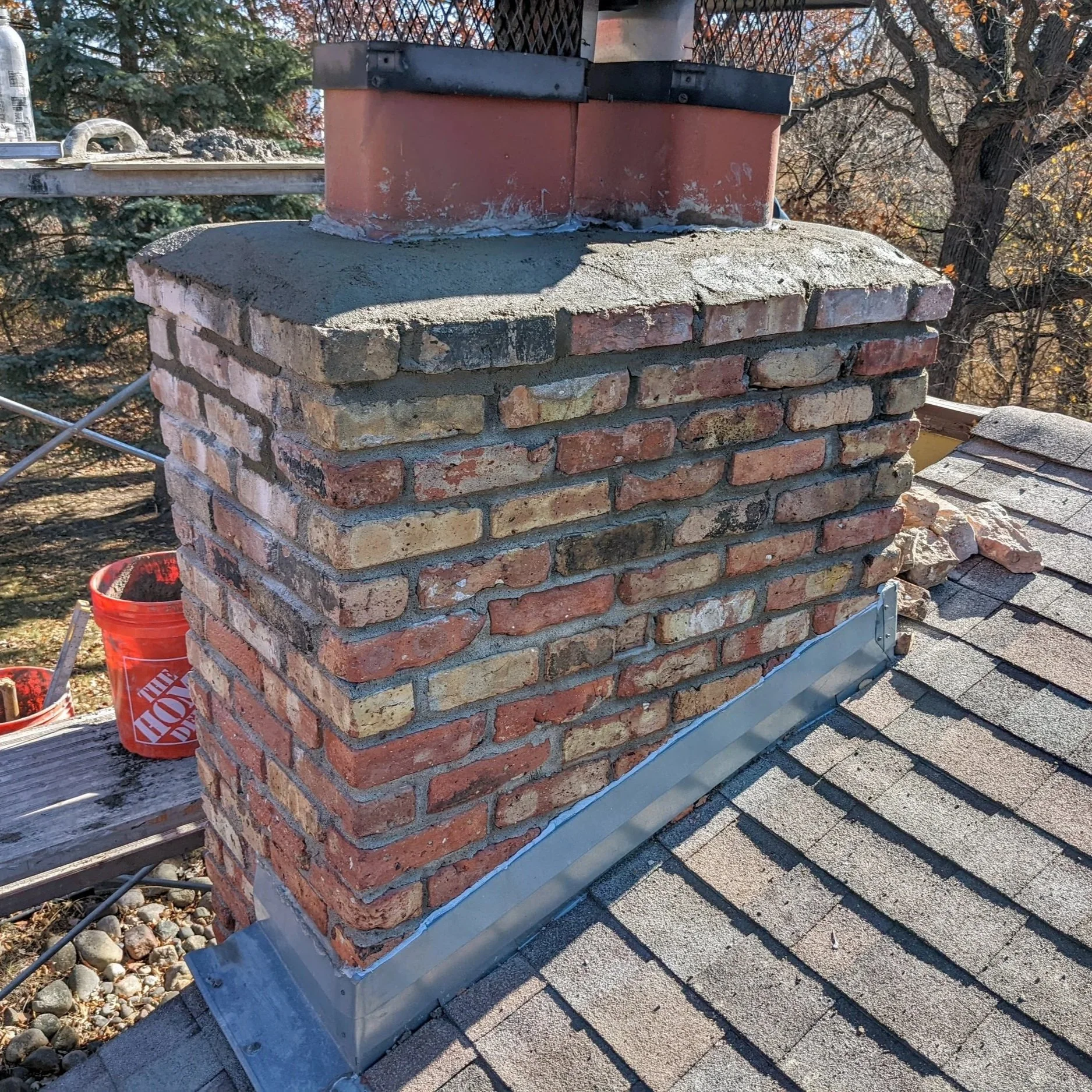
Proper chimney care varies: wood fireplaces produce soot, while gas fireplaces can cause condensation and corrosion in cold climates.
St. Paul winters are not gentle. From late fall through early spring, fireplaces become more than decorative features. They provide comfort, backup heat, and a sense of reliability when temperatures drop well below freezing. With that level of use, chimney care matters more here than it does in milder climates. Systems are pushed harder, temperature swings are sharper, and moisture from snow and ice takes a constant toll on masonry and venting components.
One of the most essential things St. Paul homeowners can understand is that chimney care is not universal. A wood burning fireplace and a gas fireplace may look similar from the living room, but they behave very differently inside the chimney. They create different byproducts, stress chimneys in different ways, and carry different safety risks. Treating them the same can lead to missed problems, unnecessary repairs, or serious hazards.
This guide breaks down how chimney care differs between wood burning and gas fireplaces, with St. Paul’s climate, housing stock, and usage patterns firmly in mind.
Why Wood and Gas Fireplaces Stress Chimneys Differently
A traditional wood burning fireplace relies on natural draft. When wood burns, it releases heat, smoke, and unburned particles. Those hot gases rise through the chimney, carrying smoke out of the house. As that smoke cools, it leaves residue behind.
Gas fireplaces burn cleaner, but cleaner does not mean harmless. Natural gas and propane still produce moisture, acidic byproducts, and carbon monoxide. Instead of heavy soot, gas systems often cause condensation and corrosion in vents and liners, especially in cold climates like St. Paul, where flues stay cold for long periods.
Because of these differences, chimney care for wood and gas systems focuses on different risks and maintenance priorities.
How Wood Burning Fireplaces Affect Chimneys
Wood combustion and draft behavior
When a wood fire burns, proper draft is everything. Hot gases must rise quickly and cleanly up the chimney. Cold exterior chimneys, common in St. Paul homes, can weaken draft, especially at startup. Poor draft means more smoke lingering in the flue, which increases residue buildup.
Creosote formation and why it matters
Creosote is the defining maintenance issue for wood burning chimneys. It forms when wood smoke cools and condenses on chimney walls. It starts as a light, dusty coating, then becomes flaky and crunchy, and eventually hardens into a shiny, glaze-like layer.
Creosote is highly flammable. It is the primary fuel for chimney fires. St. Paul’s cold winters accelerate creosote formation because flue gases cool rapidly in freezing outdoor temperatures. Homes that burn frequently or burn less-than-perfectly seasoned wood often see faster buildup than expected.
Ash, soot, and airflow restriction
Wood fires leave ash in the firebox and soot throughout the smoke chamber and flue. While homeowners can safely remove cold ash from the firebox, soot and creosote higher in the system require professional sweeping. Left unchecked, these deposits restrict airflow, cause smoky fires, reduce heating efficiency, and increase fire risk.
Impact on masonry and liners
Wood fires expose chimneys to intense heat, moisture, and acidic residues. Over time, mortar joints crack, bricks spall, and clay tile liners fracture or shift. Once moisture enters those cracks, St. Paul’s freeze-thaw cycles accelerate deterioration. A damaged liner or masonry chimney can allow heat or smoke to reach framing, attics, or wall cavities.
How Gas Fireplaces Affect Chimneys and Venting
Types of gas fireplaces in St. Paul homes
Gas fireplaces come in several forms. Some homes have gas logs installed in old wood fireplaces. Others use gas inserts with metal liners. Newer homes may have direct-vent systems that do not rely on traditional masonry chimneys at all.
Identifying how your gas fireplace vents is critical. Chimney care depends heavily on whether the system uses a masonry chimney, a metal liner, or a sealed direct-vent pipe.
Cleaner combustion, different problems
Gas burns with far fewer solid byproducts than wood. There is usually little to no soot. However, gas combustion produces a significant amount of water vapor. In cold flues, that moisture condenses on interior surfaces.
Condensation mixes with combustion gases, forming mild acids. Over time, these acids corrode metal liners, rust vent connectors, and degrade masonry. In St. Paul winters, cold chimneys dramatically increase the risk of condensation, especially in oversized or unlined chimneys.
Venting configurations and their risks
Gas systems that vent into old, unlined masonry chimneys are especially vulnerable. Without a properly sized liner, exhaust cools too quickly, condensation increases, and deterioration accelerates. Properly installed metal liners reduce these risks by keeping flue gases warmer and directing moisture safely out of the system.
Direct-vent systems avoid many chimney issues but still require inspection of seals, terminations, and intake and exhaust pathways. Snow and ice buildup at exterior vents is a real concern during Minnesota winters.
Inspection Needs: Wood vs Gas
Inspection frequency
Industry standards recommend annual inspections for all chimneys and vents, regardless of fuel type. In practice, wood burning systems in St. Paul often require more intensive inspections due to heavy use and creosote risks. Gas systems still need annual inspections, but the focus is different.
Wood-burning chimney inspections
A proper wood chimney inspection evaluates the firebox, damper, smoke chamber, flue liner, masonry, crown, cap, and flashing. Inspectors look for creosote levels, liner cracks, evidence of chimney fires, moisture damage, and clearance issues. Camera inspections are often used to assess hidden interior damage.
Gas fireplace and vent inspections
Gas inspections focus on appliance performance and vent integrity. Technicians check gas lines, burners, ignition systems, safety shutoffs, flame patterns, and vent connections. Venting is inspected for corrosion, blockages, loose joints, and proper termination. Carbon monoxide risks are a major concern.
Urgent warning signs
Wood systems demand immediate attention if there is heavy smoke spillage, strong creosote odors, falling soot, loud popping or roaring sounds, or visible masonry damage. Gas systems require prompt service if pilots fail, flames look abnormal, glass blackens, odors appear, or occupants experience headaches or dizziness.
Cleaning and Maintenance Differences
Wood chimney sweeping
Professional chimney sweeping physically removes creosote and soot from the flue and smoke chamber. This reduces fire risk and restores draft. DIY sweeping is rarely adequate and can be dangerous in tall or icy chimneys in St. Paul.
Heavy-use wood systems may need sweeping once or twice per heating season. Occasional-use fireplaces may need annual or less frequent cleaning, but only after inspection confirms low creosote levels.
Gas fireplace servicing
Gas systems do not require traditional sweeping, but they do require annual servicing. Technicians clean burners and pilot assemblies, inspect logs and media, clean glass, test safety systems, and inspect venting. Skipping service can lead to poor combustion, soot production, or carbon monoxide issues.
Homeowners should visually check exterior vent terminations after snowstorms to ensure they are not blocked, but repairs and internal cleaning should be left to professionals.
Safety Risks: Fire vs Carbon Monoxide
Wood-burning fire risks
The primary safety concern with wood fireplaces is a chimney fire. Creosote ignition can crack liners, damage masonry, and spread fire into the home. Some chimney fires are loud and dramatic. Others smolder silently, causing damage without obvious warning.
Gas fireplace CO risks
Gas fireplaces carry a greater emphasis on carbon monoxide safety. Vent corrosion, blockages, or appliance malfunctions can allow CO to enter living spaces. These risks are less visible but just as dangerous, particularly in tightly sealed St. Paul homes.
Smoke and carbon monoxide detectors are essential for both systems. They are backup protection, not substitutes for maintenance.
Efficiency and Performance Considerations
Wood vs gas heating performance
Open wood fireplaces are typically inefficient, losing much of their heat up the chimney. Inserts and stoves are far more effective. Gas fireplaces offer predictable heat and convenience, especially when used as zone heaters.
Improving wood efficiency
Seasoned hardwood, proper airflow, inserts, glass doors, and tight dampers all improve efficiency and reduce creosote. Many older St. Paul homes benefit significantly from insert upgrades paired with modern liners.
Optimizing gas systems
Gas fireplaces perform best when the burners are clean, the blowers work properly, and the controls are set correctly. Regular service ensures efficient combustion and reliable operation during the coldest months.
Repairs, Relining, and Upgrades
Wood chimney repairs
Common repairs include tuckpointing, brick replacement, crown rebuilding, and damper repair. Freeze-thaw damage makes early intervention especially important in St. Paul.
Relining needs
Relining is often necessary for cracked clay liners, chimney fire damage, or appliance conversions. Proper liner sizing improves safety, draft, and moisture control.
Gas system upgrades
Gas upgrades may include new inserts, electronic ignition systems, liner installation, or vent replacement. Any gas or vent modification must be code-compliant and professionally installed.
Costs and Budgeting
Wood chimney maintenance typically involves higher ongoing cleaning costs due to creosote, while gas systems tend to have lower routine cleaning costs but still require annual service. Both systems can incur significant repair costs if neglected.
Viewing chimney care as preventive maintenance rather than an optional expense helps homeowners avoid emergency repairs during the worst winter weather.
Seasonal Care in St. Paul
Fall preparation is critical. Wood systems should be inspected and swept. Gas systems should be serviced and test-run. Mid-winter monitoring helps catch developing issues. Spring and summer are ideal for repairs and upgrades when weather and schedules are more forgiving.
Choosing the Right Professional
Look for certified, insured professionals experienced with both wood and gas systems and familiar with St. Paul’s climate. Be cautious of high-pressure sales tactics or vague claims of danger without documentation.
Conclusion
Wood burning and gas fireplaces place very different demands on chimneys, especially in St. Paul’s long, cold winters. Wood systems require vigilant creosote control, sweeping, and masonry inspections. Gas systems require careful attention to venting, corrosion, appliance performance, and carbon monoxide safety.
Both systems need annual professional attention. The difference lies in what that attention focuses on. By understanding how your fireplace type affects chimney care, building a seasonal maintenance routine, and working with qualified local professionals, you can enjoy reliable warmth, better efficiency, and peace of mind throughout Minnesota’s toughest heating season.
Chimney Maintenance FAQs in St. Paul, MN
At least annually, with more frequent cleaning for heavy winter use or high creosote buildup.
Yes. Gas systems still produce moisture and combustion byproducts and rely on intact venting to remain safe.
You cannot tell reliably without a professional inspection, especially in older homes.
It depends on priorities. Gas offers convenience and cleaner operation, while wood offers traditional ambiance. A professional evaluation helps determine feasibility and cost.
Trust Golden Stone Masonry in St. Paul, MN, for professional chimney repair, foundation masonry repair, tuckpointing & mortar joint repair, and brick repair & restoration services. Our team works hard to restore strength and prevent moisture intrusion. Ours is a licensed and insured company offering a 10-year warranty. Get your free estimate today.
