
How to Choose the Right Chimney Repair Service in St. Paul, MN
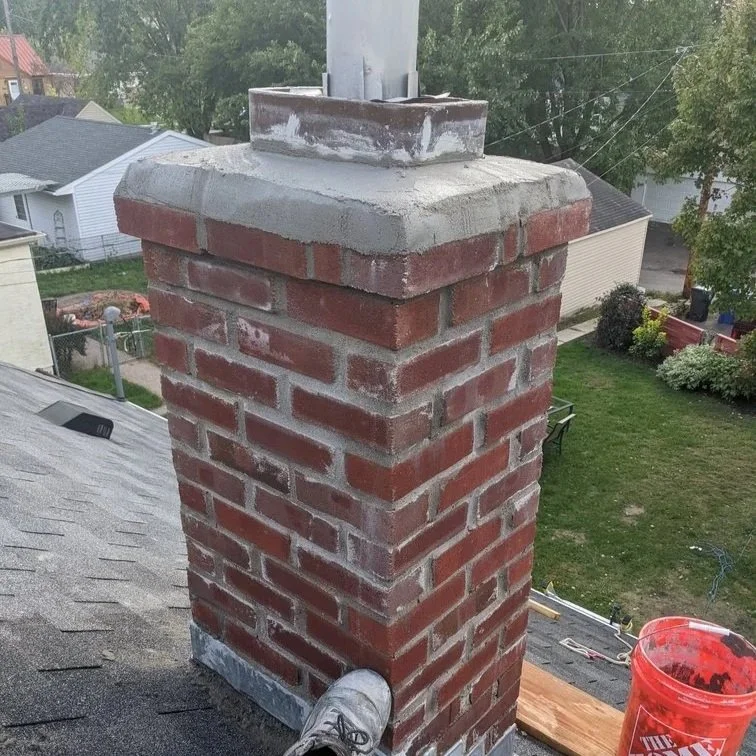
Choosing the right chimney repair service protects your home from structural damage, water intrusion, and fire risks in St. Paul.
Chimney problems are rarely just cosmetic, especially in a city like St. Paul, where winter weather puts relentless pressure on masonry, liners, and structural components. Choosing the right chimney repair service is not only about fixing visible damage, but also about protecting your home from fire hazards, water intrusion, and costly long-term deterioration. A thoughtful, informed approach to hiring a chimney professional can make the difference between a lasting repair and an ongoing cycle of problems.
Understanding Chimney Repair Needs in St. Paul
St. Paul’s climate is one of the toughest environments for chimneys in the Midwest. Repeated freeze–thaw cycles allow moisture to seep into bricks and mortar, freeze, expand, and slowly force materials apart. Over time, this leads to cracked bricks, spalling masonry, deteriorated mortar joints, and damaged chimney crowns. Heavy snow loads and rapid temperature swings add further stress, sometimes contributing to leaning chimneys or separation from the home.
Inside the chimney, problems can develop just as quickly. Creosote buildup from wood-burning fireplaces, cracked or corroded flue liners, water leaking into the firebox, and draft issues caused by wind or ice are all common in St. Paul homes. Homeowners may notice stains on ceilings or walls, musty odors, crumbling brick, smoke backing into the room, or cold air pouring down the chimney. These symptoms signal more than inconvenience; they indicate underlying damage that typically requires professional repair.
Signs You Need Professional Chimney Repair
Some warning signs are easy to spot. Missing or crumbling mortar, loose bricks, white efflorescence stains on masonry, rusted dampers, or pieces of flue tile in the fireplace all point to moisture and structural issues. In a harsh climate, these problems tend to worsen quickly if left alone.
Other signs are more subtle but just as important. Persistent smoke odors, poor draft, cold air coming down the chimney, or higher heating bills caused by inefficient venting can all indicate a damaged flue system. After a chimney fire, severe storm, or if major cracking or leaning is observed, homeowners should contact a professional immediately rather than attempting temporary fixes.
Understanding Types of Chimney Services
Not all chimney services are the same, and knowing the difference helps homeowners compare contractors accurately. Chimney inspections range from basic Level 1 inspections for routine maintenance to more advanced Level 2 or 3 inspections that may involve cameras or partial disassembly when damage or changes are suspected. Cleanings, or sweeping, are preventive services focused on removing soot and creosote.
Repairs address specific damage, such as tuckpointing mortar joints, fixing crowns, replacing caps, or repairing liners. Rebuilds involve partial or full reconstruction when damage is extensive. In St. Paul, the appropriate service depends on factors such as the home's age, fireplace use, appliance changes, and exposure to storms or foundation movement.
Why Local Expertise Matters
Local knowledge is a significant advantage when choosing a chimney repair service. Many St. Paul homes feature older masonry chimneys built with materials and methods that require specialized care. A contractor familiar with local construction styles, historic brickwork, and regional weather patterns is better equipped to diagnose issues accurately and recommend durable solutions.
Local professionals also understand St. Paul building codes, permit requirements, and common regional challenges, such as ice damming around chimneys and frost heave affecting foundations. Their familiarity with local suppliers and fuel types often translates into better material choices and longer-lasting repairs.
The Risks of Delaying Chimney Repair
Ignoring chimney damage can lead to serious consequences. Small cracks can grow into major structural failures, increasing the risk of chimney fires, carbon monoxide leaks, and falling masonry. Water intrusion can damage walls, ceilings, and framing, leading to costly interior repairs.
There are also liability concerns. Loose bricks or debris can fall onto sidewalks, vehicles, or neighboring properties during high winds. Unresolved chimney issues may complicate insurance claims or derail a home sale after inspection. Timely repair should be viewed as a safety investment rather than a discretionary expense.
How to Research Chimney Repair Companies in St. Paul
A good search usually starts online, using terms like “chimney repair St. Paul, MN,” and reviewing local map listings and company websites. Homeowners should combine this with personal referrals from neighbors, community groups, hardware stores, HVAC contractors, or real estate agents who often know reputable chimney professionals.
Company websites can reveal a lot. Look for clear service descriptions, photos of completed projects, certifications, and local contact information. Educational content and consistent branding across platforms often indicate a more established business. Community involvement, such as participation in local events or partnerships, can also reflect a company’s commitment to the area.
It’s important to distinguish chimney specialists from general handymen. Chimneys involve fire safety, venting, and structural concerns that require specialized training. In St. Paul’s climate, dedicated chimney professionals are usually the safer choice.
Red flags include no physical address, vague contact information, pressure-heavy sales tactics, door-to-door offers after storms, or an unwillingness to provide written documentation. These often signal transient or unqualified operators.
Licensing, Certifications, and Insurance
In Minnesota, chimney and masonry work typically requires proper contractor licensing. Homeowners should verify licenses through official state portals rather than relying on verbal assurances. A valid license confirms that the contractor meets state requirements and carries minimum insurance.
Industry certifications, such as those from the Chimney Safety Institute of America or the National Fireplace Institute, demonstrate additional training and commitment to best practices. While not legally required, certifications are a strong positive indicator.
Liability insurance protects homeowners if property is damaged during the job, while workers’ compensation insurance covers injuries to employees. Without these, homeowners may face financial or legal exposure. Bonding provides another layer of protection if a contractor fails to complete work or honor a contract.
Experience and Specialization Matter
Years in business, especially locally, often correlate with experience handling St. Paul’s unique chimney challenges. Homeowners should ask how long the company has operated under its current name and whether it has a stable track record.
Different chimney systems require different expertise. Masonry chimneys, metal flues, and liners all demand specific skills. Contractors should be able to demonstrate experience with the type of chimney you have. For older or historic homes, experience with restoration techniques and material matching is significant.
A solid portfolio with before-and-after photos helps illustrate workmanship quality. Ongoing training for technicians shows that the company keeps up with evolving codes and materials.
Safety Standards and Compliance
A qualified chimney repair service should be well-versed in local building codes, permits, and clearance requirements. They should be comfortable discussing whether permits are needed and who will handle them.
On-site safety matters. Proper fall protection, ladders, scaffolding, and protective measures for your home are signs of professionalism. Attention to fire safety, venting design, and carbon monoxide risks is critical.
Cleanup and documentation are part of quality service. Homeowners should expect debris removal, protection of interior spaces, and written records of work performed, including photos and compliance notes.
Understanding Repair Methods and Materials
Common masonry repairs include tuckpointing, partial rebuilds above the roofline, and full rebuilds when necessary. Quality contractors use breathable water-repellent treatments rather than sealers that trap moisture.
Chimney crowns, caps, and flashing play a major role in keeping water out. Flue liners, whether clay, metal, or cast-in-place, must be compatible with the appliance and chimney height. Proper liner evaluation often involves camera inspections.
Matching existing brick and mortar is essential, especially on older homes. Incompatible materials can cause additional cracking and moisture problems.
Comparing Quotes and Estimates
A detailed written estimate should clearly outline the scope of work, materials, timeline, permits, cleanup, and warranties. Extremely low bids often indicate shortcuts, while unusually high bids may reflect unnecessary work or misunderstandings.
Homeowners should ask contractors to distinguish between immediate safety repairs and longer-term improvements. Payment schedules should include reasonable deposits and final payment upon completion, not full payment upfront.
Warranties vary, so it’s important to compare coverage details, exclusions, and transferability if the home is sold.
Interviewing and Evaluating Contractors
Initial phone calls should clarify availability, licensing, experience, and the inspection process. On-site inspections should be thorough, with photos, measurements, and clear explanations.
Professionalism shows in punctuality, communication, and respect for the property. References from recent St. Paul projects provide insight into reliability and workmanship. Homeowners should also confirm who will actually perform and supervise the work.
Using Reviews and References Wisely
Online reviews should be read for patterns, not isolated comments. A slightly lower rating with many detailed reviews over time is often more meaningful than a perfect score with very few reviews. Responses to negative feedback can reveal a company’s professionalism.
Checking the Better Business Bureau and state consumer resources adds another layer of verification. Speaking directly with references helps confirm how work has held up over time.
Timing and Seasonal Planning
Spring through early fall is typically the best time for inspections and masonry repairs in St. Paul. Winter conditions can delay exterior work, though urgent safety issues must be addressed regardless of season. Planning reduces the need for emergency repairs during cold months.
Coordinating chimney work with roofing or remodeling projects can save time and prevent conflicts. Clear communication about access, noise, and disruption helps projects run smoothly.
Long-Term Maintenance and Confidence
Establishing a regular inspection and cleaning schedule supports the longevity of repairs. Understanding post-repair maintenance needs and keeping thorough documentation benefits future service and resale value.
Conclusion
Choosing the right chimney repair service in St. Paul starts with understanding your chimney’s condition and the realities of the local climate. By recognizing warning signs, knowing what services you need, and carefully vetting contractors for licensing, experience, and transparency, homeowners can make confident, informed decisions.
Chimney repair is both a safety measure and a long-term investment. Partnering with a qualified, reputable local professional and maintaining an ongoing relationship helps protect your home, your family, and your comfort through Minnesota’s demanding seasons.
Gas Fireplace Chimney FAQs in St. Paul, MN
Annual inspections are recommended, especially given the climate and frequent winter use.
Some minor issues can be monitored, but many signal deeper problems. When in doubt, shut it down and have it inspected.
Yes, but proper liners and code-compliant installation are essential, especially in older homes.
Chimney professionals focus on structure and flues, while gas technicians handle appliance components. Many inspections require both skill sets.
Trust Golden Stone Masonry in St. Paul, MN, for professional chimney repair, foundation masonry repair, tuckpointing & mortar joint repair, and brick repair & restoration services. Our team works hard to restore strength and prevent moisture intrusion. Ours is a licensed and insured company offering a 10-year warranty. Get your free estimate today.
