
Signs of a Chimney Fire: What Every St. Paul Homeowner Should Know
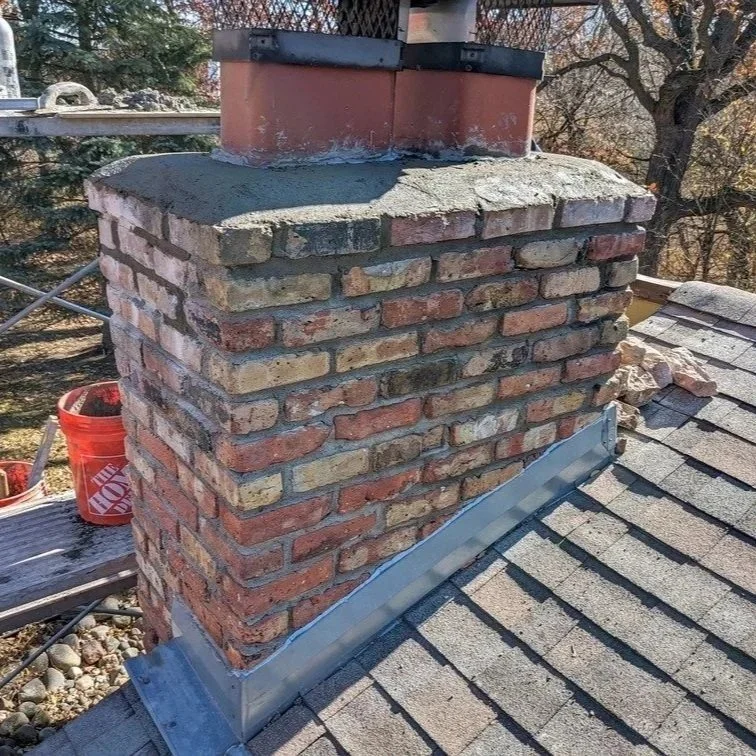
Recognizing chimney fire signs early helps St. Paul homeowners prevent structural damage and reduce risk of house fires.
Understanding Chimney Fires and Why They’re a Serious Risk in St. Paul
A chimney fire is one of those home emergencies many people assume they will never face, yet it remains a real and recurring risk in cold-weather cities like St. Paul. Knowing what a chimney fire is, why it happens, and how to recognize the warning signs can prevent a dangerous situation from becoming a devastating house fire.
What Is a Chimney Fire and How Does It Start?
A chimney fire is combustion that occurs inside the chimney flue or chimney structure rather than in the firebox, where flames are intended to stay. Most chimney fires are fueled by creosote, a tar-like byproduct that forms when wood smoke cools and condenses along the chimney walls. When flue temperatures rise high enough, this creosote can ignite.
Some chimney fires are fast, loud, and explosive, burning intensely for a short period. Others are slow-burning and less obvious, smoldering inside the flue at extremely high temperatures for hours. Both types are dangerous. Even a fire that appears contained within the chimney can crack liners, damage masonry, and allow heat or sparks to reach surrounding framing.
Common contributing factors include heavy creosote buildup, restricted airflow, burning wet or unseasoned wood, and improper operation of fireplaces or stoves. Chimney fires are not always dramatic, which is why many go unnoticed until an inspection reveals severe damage.
Why Chimney Fires Are Especially Concerning for St. Paul Homes
St. Paul’s long winters place extended demands on fireplaces, wood stoves, and vented heating appliances. More use means more creosote and more thermal stress on chimney systems. Many neighborhoods also feature older homes with aging masonry chimneys, original liners, or decades of modifications that may not meet modern standards.
Freeze-thaw cycles common in Minnesota weaken masonry over time. Moisture enters small cracks, freezes, expands, and gradually compromises the chimney’s structure. When a chimney fire occurs in an already weakened system, the risk of flames or heat escaping into walls, attics, or roof structures increases significantly.
Types of Chimney Fires: Loud vs. Silent Events
The most recognizable chimney fires are loud and dramatic. Homeowners may hear roaring, rumbling, or popping sounds, see flames or sparks shooting from the chimney top, and smell strong smoke throughout the home. These events often trigger immediate emergency calls.
More dangerous in some ways are “silent” chimney fires. These burn intensely but quietly inside the flue, producing few outward signs. They can damage liners, mortar, and framing over time. In St. Paul, many homeowners only learn that a silent fire occurred when an inspection reveals cracked tiles, warped metal, or glazed creosote.
How Chimney Design and Fuel Type Affect Fire Risk
Masonry chimneys, prefabricated metal chimneys, lined systems, and unlined flues all behave differently under high heat. Older or damaged liners offer less protection against heat transfer. Oversized or improperly sized flues can encourage creosote accumulation.
Fuel choice matters. Seasoned hardwood burns hotter and cleaner than wet wood or softwood. Burning trash, cardboard, or treated lumber dramatically increases creosote and sparks. Chimneys are designed for specific fuels, and deviating from those expectations raises fire risk.
Common Misconceptions About Chimney Fires
Many homeowners believe they would always know if a chimney fire occurred. In reality, many fires leave no obvious signs. Another common myth is that small amounts of creosote are harmless. Even thin layers can ignite under the right conditions.
Gas fireplaces and furnaces are often assumed to be immune to chimney issues. While they produce less creosote, venting problems, liner damage, and blockages can still lead to dangerous overheating or carbon monoxide exposure.
Early Warning Signs of a Developing Chimney Fire
Unusual Cracking, Popping, or Roaring Sounds
A sudden change from normal, gentle fire sounds to loud cracking, popping, or a freight-train-like roar can signal creosote igniting in the flue. Any aggressive or unfamiliar noise should be treated as a warning.
Heavy, Dense, or Unusual Smoke
Persistent thick smoke backing into the room or appearing much darker than usual indicates draft problems or combustion issues that could precede a fire.
Intense, Unusual Odors
A sharp, acrid, burnt-tar smell often accompanies burning creosote. Strong odors traveling to upper floors or adjacent rooms are a serious red flag.
Excessive Heat Around the Fireplace or Chimney
Walls, mantels, or chimney chases that become dangerously hot suggest abnormal flue temperatures and possible liner failure.
Changes in Draft or Performance
Difficulty starting fires, back-puffing smoke, or poor draft often means creosote buildup or blockages are narrowing the flue. These conditions create prime fire risk.
Obvious Signs of an Active or Recent Chimney Fire
Flames or Sparks Shooting From the Chimney Top
Visible flames or showers of sparks exiting the chimney are classic signs of an active chimney fire and require immediate emergency response.
Thick Smoke From the Chimney Exterior
Dark, billowing smoke pouring from the chimney or roofline indicates combustion beyond normal fireplace operation.
Warped or Discolored Metal
Dampers, stovepipes, or caps that appear warped, cracked, or discolored indicate extreme heat exposure.
Cracked or Missing Masonry and Tiles
Spalling bricks, missing mortar, or cracked clay tiles indicate structural damage often caused by overheating.
Glazed or Chunky Creosote
Hard, shiny, tar-like creosote signals past extreme flue temperatures and a high likelihood of previous chimney fires.
Hidden Signs a Chimney Fire May Have Occurred
New Cracks Near the Chimney
Sudden cracks in walls or ceilings along the chimney path may result from expansion during intense heat events.
Smoke Staining in Attics or Closets
Yellow or gray staining and smoky odors in areas near the chimney chase often indicate that smoke escaped the flue.
Changes in Performance After Winter
If a fireplace behaves differently after a heavy heating season, damage may already exist.
Carbon Monoxide Alerts or Symptoms
Unexplained CO alarms or symptoms, such as headaches or dizziness, during appliance use may indicate liner damage from a fire.
Inspection Findings
Certified inspectors often uncover shattered liners, warped metal, or heavy glazing that confirms a past fire.
Immediate Steps if You Suspect a Chimney Fire
Call 911 immediately. Evacuate everyone, including pets. If safe, close fireplace doors or air controls and shut off fuel supplies. Never use water on a hot chimney or climb onto the roof. Firefighters will assess the fire with thermal imaging and ensure it is fully extinguished.
How St. Paul’s Climate Increases Chimney Fire Risks
Long winters mean long burn times and higher creosote accumulation. Freeze-thaw damage weakens chimneys, and snow or ice can compromise caps and flashing. Seasonal startup without inspection and end-of-season overuse both raise risk.
Professional Chimney Inspections
Annual inspections are critical. Level 1 inspections cover routine checks. Level 2 inspections involve video scanning and are often required after a suspected fire or system change. Level 3 inspections involve opening walls when severe damage is suspected.
Choosing a qualified professional with proper certification and local experience ensures accurate diagnosis and safe repair planning.
Creosote: The Primary Fuel for Chimney Fires
Creosote forms as smoke cools and condenses. Flaky deposits are dangerous, but hard glazed creosote is especially hazardous and difficult to remove. Wet wood, smoldering fires, restricted airflow, and oversized flues all increase buildup.
Routine Maintenance to Prevent Fires
Annual sweeping, burning properly seasoned firewood, operating appliances correctly, maintaining chimney caps and crowns, and monitoring smoke and odors dramatically reduce risk.
Upgrades That Improve Safety
Modern chimney liners, masonry repairs, quality chimney caps with spark arrestors, proper clearances, and upgraded appliances all improve fire resistance and system reliability.
Integrating Chimney Safety Into Home Fire Planning
Working smoke and carbon monoxide detectors, a practiced fire escape plan, family education, accessible extinguishers, and good documentation all support chimney safety.
Insurance and Permits After a Chimney Fire
Any chimney fire should be reported to insurance. Repairs often require permits and code compliance. Thorough documentation supports claims and long-term safety.
Conclusion
Chimney fires are often preventable, but they can be fast, destructive, and dangerous when they occur. Recognizing early warning signs and obvious indicators, combined with proactive maintenance and professional inspections, is the best defense. In St. Paul’s demanding climate, a well-maintained chimney is not just a convenience but a critical safety system.
Chimney Fire FAQs in St. Paul
Loud roaring or rumbling sounds, visible flames or sparks from the chimney top, thick dark smoke, intense burning odors, and unusually hot walls or mantels all indicate an emergency and require calling 911 immediately.
At least once a year for all active systems. Heavily used wood-burning chimneys may need additional cleanings or mid-season checks, especially in long winters.
Yes. Improper venting, damaged liners, blockages, or leftover creosote from past wood burning can all create dangerous conditions.
No. Any suspected or confirmed chimney fire requires professional inspection and repair before the system is used again.
Call 911, evacuate immediately, close air controls only if safe, and do not attempt to fight the fire yourself.
Trust Golden Stone Masonry in St. Paul, MN, for professional chimney repair, foundation masonry repair, tuckpointing & mortar joint repair, and brick repair & restoration services. Our team works hard to restore strength and prevent moisture intrusion. Ours is a licensed and insured company offering a 10-year warranty. Get your free estimate today.
