
How to Childproof and Pet-Proof Your Chimney and Fireplace in St. Paul
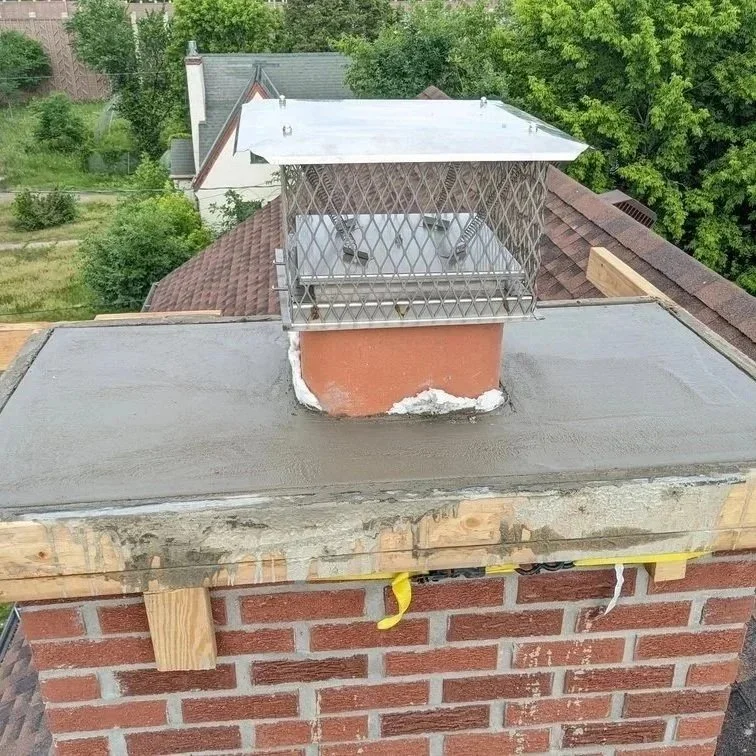
Proper fireplace and chimney safeguards protect children and pets from burns, smoke, and hidden hazards in St. Paul homes.
Understanding Fireplace and Chimney Risks for Kids and Pets in St. Paul
Fireplaces add warmth and character to many St. Paul homes, but they also introduce hazards that are especially risky for children and pets. Before adding gates or guards, it helps to understand what you are actually protecting against and why these risks are heightened in Minnesota homes.
Common Hazards Around Fireplaces for Children
Open flames, hot glass, metal surrounds, and masonry hearths are magnets for curious kids. Toddlers, in particular, are drawn to light, movement, and warmth, which makes a working fireplace especially dangerous. Serious burns can happen in seconds when a child reaches toward glowing embers or touches glass that looks harmless but is hot enough to cause deep injury. Hard hearth edges increase the risk of head injuries during falls, and loose tools or unstable décor can be pulled down easily.
There are also less obvious dangers. Carbon monoxide and smoke exposure can affect children faster than adults. Fire starters, matches, and ashes can be ingested if left within reach. Gas fireplaces introduce the risk of accessible control knobs or switches that a child can turn on. Childproofing is not only about blocking the fire itself, but also about removing these hidden threats.
Unique Risks Fireplaces Pose for Dogs, Cats, and Other Pets
Pets are often attracted to fireplaces for the same reason people are: warmth. Dogs and cats may lie too close, burning paws, noses, or fur on hot glass or metal. Curious pets can knock over freestanding screens, chew cords on electric fireplaces, or brush against embers while investigating smells and sounds.
Pets also create secondary risks. Cats may jump onto mantels and knock down décor. Dogs may drag kindling or tools into the room. Ash, creosote flakes, and fire starters can be toxic if ingested. In tightly sealed St. Paul homes during winter, poor ventilation can also affect pets’ respiratory health more quickly than adults notice.
How St. Paul’s Climate and Housing Styles Affect Fireplace Safety
Long winters mean longer fireplace use, which increases exposure time for children and pets. Older St. Paul homes often have masonry chimneys that may suffer from loose mortar, drafty flues, or outdated liners. These issues affect both fire safety and indoor air quality.
Many newer homes and condos use gas or electric inserts, which reduce some risks but introduce others, such as extremely hot glass fronts or accessible controls. Energy-efficient windows and tight building envelopes make proper ventilation and carbon monoxide monitoring more important than ever. Safety planning should reflect whether you live in a historic home, a newer build, or a multi-unit property.
Legal and Safety Guidelines Relevant to St. Paul Homeowners
Fireplace safety is not only a parenting or pet-owner issue. Minnesota and local St. Paul codes influence fireplace construction, venting, and accessory use. Permitted, up-to-code fireplaces are easier to childproof because they are structurally sound and compatible with modern safety products.
Insurance policies may also require annual chimney inspections, especially when a fireplace is used regularly. Documenting inspections, cleanings, and safety upgrades protects both your family and your coverage. A local chimney professional familiar with St. Paul regulations can help ensure everything aligns with safety expectations.
Evaluating Your Current Fireplace and Chimney Setup
Start with a careful visual assessment. Identify the fireplace type and note loose, sharp, broken, or outdated components. Watch how children and pets interact with the space. A hearth used as a step or a gas control at toddler height is a clear warning sign.
Taking photos and notes can help when consulting a professional. This observation stage is critical because effective childproofing depends on how your household actually uses the room, not just how it looks on paper.
Types of Fireplaces and Chimneys Common in St. Paul Homes
Traditional Wood-Burning Fireplaces
Older St. Paul neighborhoods often feature masonry fireplaces with open fireboxes. These pose the highest risk due to sparks, embers, and ash. Robust screens, large hearth gates, and careful ash handling are essential. Regular chimney cleaning is critical because creosote buildup increases fire danger.
Gas Fireplaces and Gas Inserts
Gas units are cleaner and more convenient, but create intense heat at the glass surface. Children and pets can be seriously burned even without visible flames. Controls must be secured, shut-offs clearly identified, and manufacturer-approved barriers used to avoid warranty issues.
Electric Fireplaces
Electric fireplaces eliminate combustion risks but still involve heat and electrical hazards. Cords attract pets, and wall-mounted units may be at child height. Units should be secured to studs, cords managed, and airflow maintained according to manufacturer guidelines.
Pellet Stoves and Wood Stoves
Freestanding stoves radiate high heat from smaller surfaces and exposed pipes. Surround gates anchored to walls, certified hearth pads, and strict clearance rules are essential. These systems require both chimney maintenance and strong physical barriers.
Unvented and Vent-Free Fire Features
Vent-free units exhaust combustion into the room and require extra caution. Carbon monoxide detectors must be working, runtime limits should be followed, and barriers must be used consistently. Families with kids and pets should consider vented alternatives when possible.
Essential Childproofing and Pet-Proofing Principles
Creating a Safe Perimeter and No-Go Zone
Establish a clear safety zone around the fireplace based on heat output and layout. Visual cues, such as rugs or tape, help children understand boundaries. Training pets and kids to respect this perimeter is as important as the barrier itself.
Layered Safety: Barriers, Rules, and Supervision
No single product is enough. Physical barriers slow access, rules teach boundaries, and supervision addresses unexpected behavior. Together, these layers provide meaningful protection as children grow and pets change.
Choosing Child- and Pet-Safe Products
Look for sturdy metal construction, wall-mounting options, heat resistance, and safe spacing. Avoid flimsy decorative screens or products with sharp edges or large gaps. Compatibility with your fireplace type matters.
Balancing Aesthetics with Safety
Modern gates and guards come in styles that blend with décor. While appearance matters, function should come first, especially with open wood-burning fireplaces.
Planning for Growth
Children climb, and pets learn new tricks. Review safety setups at the start of each heating season to ensure that barriers continue to work as intended.
Installing Child and Pet Safety Gates
Types of Fireplace Safety Gates
Options include freestanding screens, configurable metal gates, wall-mounted enclosures, and pressure-mounted barriers. Wall-mounted systems are generally the most secure for active households.
Measuring and Planning
Measure carefully, accounting for hearth depth, baseboards, and furniture. Plan adult access points for tending the fire. Poor planning leads to unstable or inconvenient setups.
Securing and Maintaining Gates
Gates must be stabilized to prevent tipping and checked regularly for gaps or loose connections. Temperature changes during winter can loosen hardware.
Using Fireplace Screens, Glass Doors, and Heat Shields
Stable, heavy screens with fine mesh are essential for open fireplaces. Glass doors contain sparks but become dangerously hot and must be paired with external barriers. Heat shields can reduce surface temperatures, but do not replace gates or supervision.
Managing Hot Surfaces, Tools, and Hearth Edges
Pad sharp hearth edges, store tools out of reach, and handle ashes using metal containers stored outdoors. Simplify mantel décor and keep flammable or breakable items away from heat.
Ventilation, Air Quality, and Carbon Monoxide Safety
Carbon monoxide is a serious risk for both kids and pets. Install and maintain smoke and CO detectors on every level and in every sleeping area. Ensure adequate ventilation when using a fireplace, especially in airtight homes. Any signs of smoke spillage or draft problems should stop fireplace use until inspected.
Chimney Inspections, Cleanings, and Repairs
Annual chimney inspections are critical in St. Paul due to heavy winter use. Inspections identify liner damage, blockages, and structural issues that affect safety. Chimney caps and animal screens prevent blockages and wildlife entry. Keep records for insurance and resale.
Teaching Kids and Training Pets
Teach children clear rules about “hot” zones and model safe adult behavior. Create and practice fire escape plans. Train pets using commands and provide alternative warm resting spots away from the fireplace. Monitor pets for stress or overheating.
Seasonal and Holiday Safety
Review safety setups before winter, manage holiday décor carefully, and assign a “fireplace safety monitor” during gatherings. During power outages, maintain all precautions and never improvise unsafe heating methods.
Working with St. Paul Fireplace and Chimney Professionals
Choose certified professionals familiar with local housing styles and codes. Ask specific questions about child and pet safety during service visits. Coordinate upgrades with safety goals and budget for ongoing maintenance. Local fire department resources can also provide valuable guidance.
Step-by-Step Safety Checklist
Start with an assessment from a child’s and pet’s perspective. Select appropriate products, install carefully, test stability, train the household, and perform weekly quick checks plus seasonal reviews.
Conclusion
Childproofing and pet-proofing a fireplace in St. Paul requires understanding local risks, selecting appropriate barriers, maintaining good air quality, and committing to regular inspections and education. Safety is not a one-time fix but an ongoing process that adapts as families grow. With thoughtful planning and help from local professionals, you can enjoy the comfort of your fireplace while protecting the most vulnerable members of your household.
Fireplace Safety FAQs for St. Paul, MN
The safe distance depends on fireplace type, but a clear no-go zone of several feet is recommended, enforced with gates and training.
Gas fireplaces reduce sparks and ash but create extreme surface heat and control-access risks. Both types require dedicated safety measures.
Wall-mounted, configurable metal gates work best for large or irregular hearths common in older St. Paul homes.
At least once a year, with additional inspections if you notice smoke, odors, or changes in fireplace performance.
Golden Stones Masonry is a licensed and insured expert, offering chimney repair, chimney rebuild, and foundation masonry repair solutions to St. Paul, MN, residents. Our professionals deliver reliable and long-lasting results that come with a 10-year warranty. We take pride in our transparent process and fair and honest pricing. Call now to book a service appointment.
