
How to Maintain a Wood Burning Fireplace Chimney in St. Paul
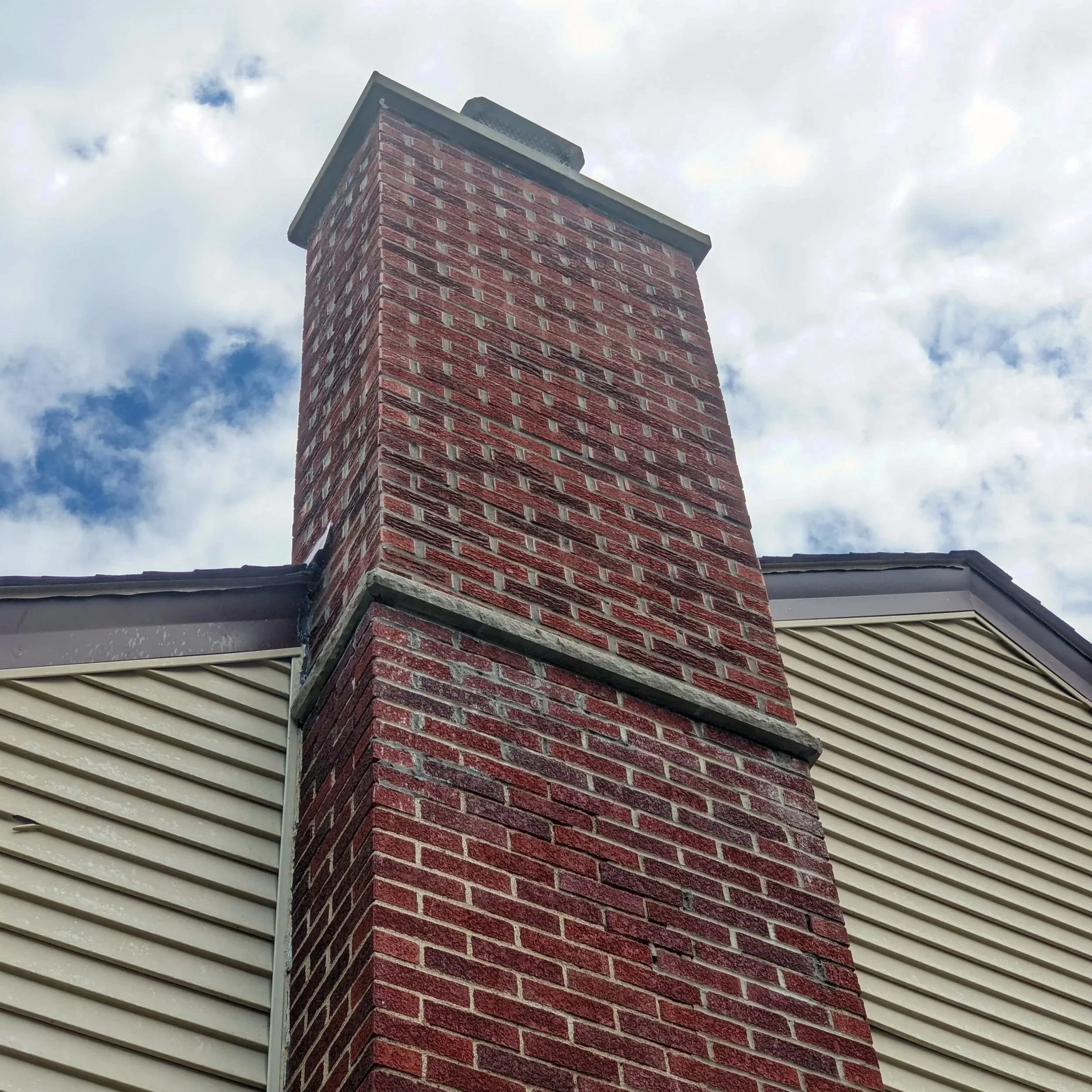
Regular chimney maintenance preserves safety, prevents damage, and ensures optimal performance for wood-burning fireplaces in St. Paul homes.
Wood burning fireplaces are a valued feature in many St. Paul homes. They provide warmth during long winters and a sense of tradition that fits the character of the city’s older neighborhoods. At the same time, St. Paul’s climate places unique demands on fireplace chimneys. Proper maintenance is not optional here; it is essential for safety, performance, and long-term durability.
Understanding How Wood Burning Fireplaces Work in St. Paul Homes
A wood burning fireplace is not just the visible hearth and flames. It is a connected system designed to contain fire safely and move smoke and combustion gases out of the home.
Basic Components of a Wood Burning Fireplace and Chimney
The firebox is where wood burns. It is built from firebrick or refractory panels designed to withstand high temperatures. Above it sits the damper, which opens to allow smoke to rise and closes when the fireplace is not in use to reduce heat loss. The smoke chamber transitions smoke smoothly from the firebox into the flue, which is the vertical passage that carries it upward.
Inside the chimney is the liner, typically clay tile or stainless steel, which protects the masonry and house structure from heat and corrosive byproducts. At the top, the chimney crown seals the masonry from moisture, while the chimney cap keeps out rain, snow, animals, and debris.
Understanding these components matters because homeowners can monitor some areas, such as the firebox, damper, and exterior chimney, while other critical areas, like the flue liner, require professional tools to inspect. Knowing what belongs where makes it easier to notice when something looks or functions differently.
How St. Paul’s Climate Affects Chimney Performance
St. Paul’s winters are long and cold, which means fireplaces often see extended use. Cold temperatures cool the flue faster, increasing creosote formation. Freeze-thaw cycles allow moisture to enter tiny cracks in masonry, then expand as it freezes, slowly damaging bricks, mortar, and crowns.
Wind, snow, and ice also affect draft and chimney stability. These conditions mean St. Paul chimneys benefit from more frequent inspections, careful moisture control, and seasonal checks before and after winter.
Common Types of Wood Burning Fireplaces in St. Paul
Homes in St. Paul commonly have open masonry fireplaces, factory-built prefabricated fireplaces, wood stove inserts installed into older fireplaces, or freestanding wood stoves vented through chimneys. Each has slightly different clearances, liner requirements, and maintenance needs. While all require regular inspection and cleaning, inserts and stoves often need closer attention to liners and connections, while older masonry fireplaces need careful monitoring of brickwork and mortar.
Safety and Efficiency: Why Maintenance Matters
Neglected chimneys can lead to chimney fires, smoke entering the home, carbon monoxide intrusion, and structural damage. These risks increase during heavy winter use. Proper maintenance reduces these dangers while also improving draft, making fires easier to start, reducing smoke odors, and helping the fireplace contribute useful heat during extreme cold.
Typical Maintenance Frequency for St. Paul Households
National standards recommend annual inspections for all wood burning fireplaces. In St. Paul, annual inspection and cleaning should be considered a minimum. Fireplaces used daily or as supplemental heat may require mid-season checks, especially during harsh winters or when burning large volumes of wood.
Recognizing When Your Chimney Needs Attention
Visible Signs of Wear and Damage
Outside, cracked bricks, missing mortar, spalling masonry, leaning chimneys, or damaged caps are warning signs. Inside, cracked firebrick, rusted dampers, water stains, and white powdery residue on masonry often indicate moisture problems. These issues tend to worsen quickly in Minnesota’s climate if ignored.
Creosote Buildup Indicators
Creosote forms when wood smoke cools and condenses in the flue. It can appear as flaky soot, sticky tar, or hard, shiny glaze. Thick, dark, or glossy deposits seen with a flashlight, strong smoky odors, or increased smoke during fires all suggest buildup that requires professional cleaning.
Draft and Smoke Problems
Smoke spilling into the room, fires that struggle to stay lit, or lingering smoke smells often point to blockages, creosote buildup, closed dampers, or pressure imbalances. Cold outdoor air and tightly sealed homes in St. Paul make draft problems more noticeable.
Water Leaks and Moisture Signs
Water stains near the fireplace, rusted metal components, musty odors, or dripping sounds during rain signal moisture intrusion. Snow and ice accelerate this damage, making exterior inspections especially important after winter.
Odors, Soot, and Unusual Noises
Strong creosote smells, musty odors, excessive soot, animal scratching sounds, or cracking noises during fires all warrant investigation. These are early warnings, not normal inconveniences.
Preparing for Chimney Maintenance in St. Paul
Choosing the Right Time of Year
Spring and early summer are ideal for full inspections and cleanings, allowing time for repairs before the next heating season. A quick pre-season check in early fall is wise for heavy users.
Preparing the Fireplace Area
Before maintenance, ashes should be cold and removed, furniture moved back, and the area protected with drop cloths. Proper preparation keeps soot contained and makes professional service more efficient.
Setting a Maintenance Schedule and Log
Keeping a simple log of inspections, cleanings, and repairs helps track chimney health over time and provides documentation for insurance or home sales. Annual reminders tied to the end of winter work well for St. Paul homeowners.
Working With a Certified Chimney Professional
Professional inspections go far beyond what a homeowner can see. Certified professionals use cameras and specialized tools to find liner cracks, hidden blockages, and clearance issues. Credentials such as CSIA or NFI indicate training and adherence to safety standards.
Homeowners should ask what inspection level will be performed, whether photos or reports are provided, and whether the technician has experience with their specific fireplace type and local housing styles.
Homeowner DIY Checks and Light Maintenance
Safe Visual Checks You Can Do
Homeowners can safely inspect the firebox, damper operation, and visible chimney exterior from the ground. Anything beyond light soot or obvious surface issues should prompt a professional call.
Cleaning the Hearth and Firebox
Cold ashes can be removed using a metal container with a lid. Non-combustible surfaces can be wiped down, but homeowners should not scrub interior flue surfaces.
Monitoring Smoke and Carbon Monoxide Detectors
Smoke and CO detectors are essential companions to fireplace use. They should be tested monthly, batteries replaced regularly, and units replaced according to manufacturer timelines.
When to Stop Using the Fireplace Immediately
Strong odors, visible cracks, heavy smoke spillage, roaring chimney sounds, animal activity, or water leaks are all reasons to stop using the fireplace until it is professionally inspected.
Managing Creosote Buildup Effectively
Creosote builds faster when burning wet wood, running smoldering fires, or restricting airflow. Exterior chimneys common in St. Paul cool smoke quickly, increasing buildup. Burning hotter, cleaner fires with seasoned wood and scheduling regular sweeping keeps creosote under control.
Creosote removal products may help loosen light deposits, but do not replace professional sweeping, especially in heavy-use situations.
Choosing and Storing Firewood for Cleaner Burning
Hardwoods like oak, maple, birch, and ash are well-suited to Minnesota fireplaces. Wood should be seasoned for at least six to twelve months and stored off the ground, covered on top, and well ventilated. Burning treated or painted wood, trash, or plywood can damage chimneys and pose health risks.
Protecting the Chimney Exterior from St. Paul Weather
Regular visual checks of masonry, crowns, and caps help catch freeze-thaw damage early. Chimney caps are especially important in St. Paul to keep out snow, animals, and debris. Breathable waterproofing can further protect masonry when applied after repairs.
Flashing where the chimney meets the roof is another common leak point. Water stains near the chimney often indicate flashing issues rather than flue problems.
Animal and Debris Control
Birds, squirrels, and raccoons commonly enter uncapped chimneys. Scratching sounds, odors, or sudden draft changes suggest blockages. Proper chimney caps are the best prevention, and nest removal should be handled by professionals, especially when wildlife protections apply.
Indoor Air Quality and Ventilation Considerations
Tightly sealed homes and powerful exhaust fans can compete with fireplaces for air, causing backdrafting. Basement fireplaces are especially prone to these issues. Persistent smoke or odor problems may require ventilation adjustments or professional evaluation.
Compliance With St. Paul and Minnesota Codes
Building and fire codes regulate liners, clearances, and appliance installations. Permits are often required for major chimney work or appliance changes. Reputable professionals handle these requirements and ensure systems meet current safety expectations.
Seasonal Maintenance Checklist for St. Paul Homeowners
Before winter, schedule inspections, check detectors, inspect visible masonry, and stock seasoned wood. During winter, monitor performance and odors. After winter, inspect for damage and plan repairs. Off-season care includes keeping moisture and animals out while planning upgrades.
Long-Term Upgrades and Efficiency Improvements
Modern chimney liners, glass doors, inserts, top-mounted dampers, and high-efficiency appliances can greatly improve safety and comfort. In a cold city like St. Paul, these upgrades often pay back through better heat retention and lower maintenance risk.
Conclusion
Maintaining a wood burning fireplace chimney in St. Paul requires attention to climate, usage, and seasonal changes. Understanding how the system works, recognizing warning signs early, burning properly seasoned wood, and partnering with certified professionals are the foundation of safe, efficient operation. With a simple annual plan and consistent care, St. Paul homeowners can enjoy the warmth and character of a wood fireplace while protecting their home through even the harshest winters.
Chimney Inspection & Cleaning FAQs in St. Paul, MN
At least once a year, with more frequent service for heavy use or harsh winters.
Freeze-thaw masonry damage, creosote buildup, moisture intrusion, and draft issues.
Homeowners can handle light hearth cleaning and visual checks, but professionals should do full chimney cleaning.
Thick, dark, tar-like, or shiny deposits, strong odors, smoke problems, or poor draft are all signs that professional cleaning is needed.
Golden Stones Masonry is a licensed and insured expert, offering chimney repair, chimney rebuild, and foundation masonry repair solutions to St. Paul, MN, residents. Our professionals deliver reliable and long-lasting results that come with a 10-year warranty. We take pride in our transparent process and fair and honest pricing. Call now to book a service appointment.
