
Royal Treatment for a Leak-Free Chimney
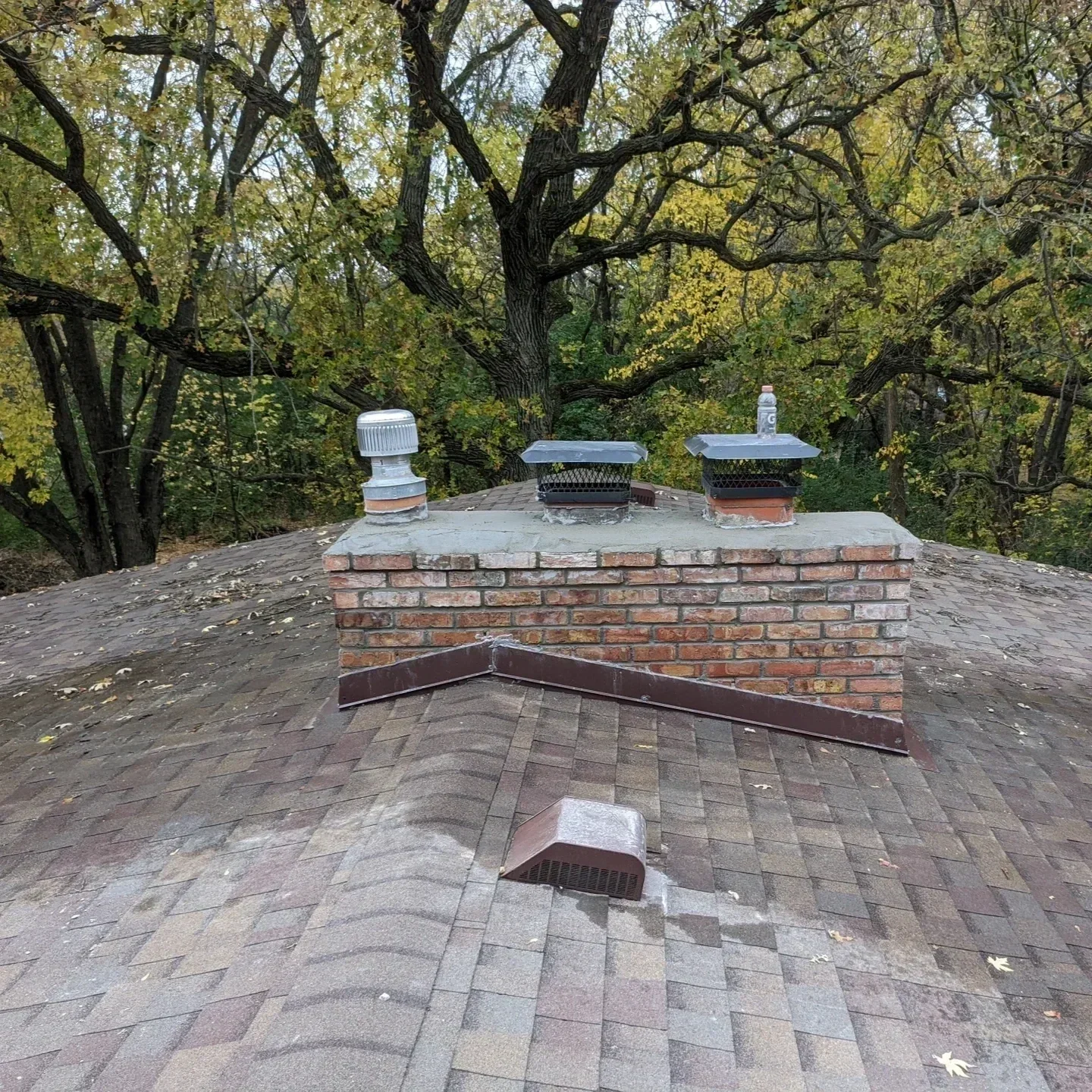
A chimney crown doesn’t flash or sparkle, but it plays a royal role in chimney health.
The Crown Jewel of a Working Chimney
A chimney crown doesn’t flash or sparkle, but it plays a royal role in chimney health. Sitting right at the top, this concrete lid acts as the first and last line of defense against water. Without it, you’re not only facing drips down the flue—you’re risking structural decay, ruined fireplaces, and soggy ceilings that no patch of paint can hide.
A well-built crown has one job: keep water out. That means diverting rainfall, shedding snowmelt, and stopping that sneaky freeze-thaw cycle from chewing through your masonry. Ignore a failing crown, and water takes over in ways no homeowner wants to experience firsthand.
Why Crowns Crack and Crumble
Most crowns don’t fail overnight. They suffer in silence until one day, someone notices a chunk missing—or worse, a leak indoors. Age is one factor. Poor materials are another. And improper installation? That’s the crown killer.
Some early crowns were poured too thin or made with mortar instead of concrete. Others skipped key features like drip edges or proper flue clearance. Water pools, expands, contracts, and eventually breaks the crown apart from within. Even minor cracks can lead to major consequences when water sneaks in year after year.
Warning Signs That Demand a Closer Look
You don’t need to wear a cape or climb a ladder to spot a troubled crown. Look for signs like:
Water stains on walls or ceilings near the chimney
Rust streaks down the exterior brickwork
Bits of crumbling crown in the gutter or around the base
Moss or algae growing on top of the chimney
Smoky or musty odors after rainfall
Sometimes, the damage is tucked away where only a pro can see it. That’s where a chimney inspection comes in handy. Better to hear it’s fine than to find out too late that the crown has surrendered to the elements.
The Right Way to Replace a Chimney Crown
When the damage goes beyond sealants or touch-ups, full chimney crown replacement becomes the only responsible move. Professionals start by removing every inch of the old crown. They don’t pour over damaged concrete or skim coat a failing surface. Out with the old, in with the properly mixed and properly sloped new.
A new crown should be made from high-strength concrete, not leftover mortar mix. It needs the right slope to shed water and a generous overhang to keep it from running down the brick face. And most importantly, it must include a separation joint around the flue, filled with a flexible sealant. That allows the chimney to expand and contract without cracking the new crown.
No More Flat-Topped Failures
A flat crown is a rookie mistake. It might look fine at first, but the next big storm may highlight its flaws. Water may pool instead of running off, then freeze in winter, cracking everything it touches.
Professionally built crowns are shaped like a shallow pyramid or gentle slope. The design isn’t just pretty—it pushes water away from the flue and off the sides of the stack, directing it toward the roof below. That slope, paired with a drip edge, turns the chimney crown into an all-weather shield.
Upgrading Your Chimney, One Feature at a Time
Crown replacement often happens alongside other upgrades. A new chimney cap, better flashing, or even a full flue relining might be recommended if the crown damage is part of a larger moisture problem. A good inspection doesn’t just fix what’s visible—it addresses the bigger picture.
Adding a chimney cap on top of the new crown is a must. While the crown keeps water off the stack, the cap keeps it from pouring directly into the flue. Caps also keep critters out, improve draft control, and stop sparks from escaping into nearby foliage. A crown-and-cap combo is chimney royalty done right.
What Happens If You Wait Too Long
Ignoring a cracked crown might seem harmless at first. But it rarely ends with just a few drips. Moisture sneaks in and damages the flue liner, the firebox, and even nearby framing. Wood rot, mold, and rust love the conditions a faulty crown creates.
Eventually, mortar joints weaken, bricks spall, and the whole stack starts leaning. At that point, you’re not just looking at a crown replacement—you’re looking at a full chimney rebuild. That’s a royal pain for both your time and your wallet.
How Long Does It Take? Not As Long As You’d Think
Crown replacement isn’t a weeks-long ordeal. Most projects wrap in one to two days. Professionals move quickly, working with precision and minimal disruption. Day one is all about teardown and prep. Day two involves pouring the new crown, shaping it, and adding those final water-resistant details.
There’s some waiting for the concrete to cure, but during that time, the chimney is protected with covers and barriers. You won’t be left staring at an open stack while birds move in.
Match the Aesthetic Without Sacrificing Function
A new crown doesn’t have to clash with your home’s exterior. Skilled masons can match the finish and shape to suit the architecture. Want a modern, clean line? Done. Prefer a rustic hand-brushed texture? Also doable. You can even opt for custom edging that mimics stone or brick.
That decorative flair doesn’t interfere with function. Underneath the stylish finish lies proper reinforcement, expansion joints, and a concrete mix suited to your regional climate. Beauty and brains—it’s the whole package.
Preventative Maintenance That Pays Off
Once a new crown is in place, maintenance becomes much easier. A light coating of breathable, water-repellent sealant every few years helps prolong the surface. Professional inspections catch minor cracks before they grow into major concerns. Chimney caps reduce direct weather exposure, giving your crown a longer, happier life.
Avoid the cycle of delay, damage, and dramatic repair. Addressing crown problems early keeps the entire chimney system healthy. And that saves money over time—fewer repairs, fewer headaches, and a safer, warmer home.
The Difference Professional Craftsmanship Makes
Crown replacement isn’t something to farm out to the nearest handyman. Concrete must be mixed to the right PSI, troweled with precision, and sloped to exact specifications. The flue gap must allow for heat expansion without compromising the structure.
Professionals treat chimney crowns like the architectural components they are. They don’t rush, skip details, or hopegravity solves drainage problems. Every angle is calculated. Every joint is sealed. Every overhang is measured to direct water away, not into the brick.
The Royal Treatment Is a Worthy Investment
Homeowners often overlook the crown until it causes problems. But once it’s replaced, the benefits are impossible to miss. No more drips in the firebox. No more weird smells after a storm. No more watching concrete flake off into the yard.
A new chimney crown means confidence. It means structure. It means peace of mind, no matter what the weather decides to throw your way. And it means your chimney doesn’t just look like it belongs—it performs like it’s built to stay.
When Crowns Crumble, It’s Time for a Throne Upgrade
Treat your chimney like royalty, starting from the top. A strong, properly built crown keeps everything beneath it safe, dry, and stable. It’s not a flashy upgrade, but it’s one of the smartest ones you can make.
When your chimney receives the royal treatment from pros who understand crowns inside and out, you’re not just avoiding leaks—you’re investing in long-term performance and value. Every brick deserves a crown that holds up under pressure.
Trust Golden Stone Masonry in St. Paul, MN, for professional chimney repair, foundation masonry repair, tuckpointing & mortar joint repair, and brick repair & restoration services. Our team works hard to restore strength and prevent moisture intrusion. Ours is a licensed and insured company offering a 10-year warranty. Get your free estimate today.
