

Restoring Walls That Work as Hard as You Do
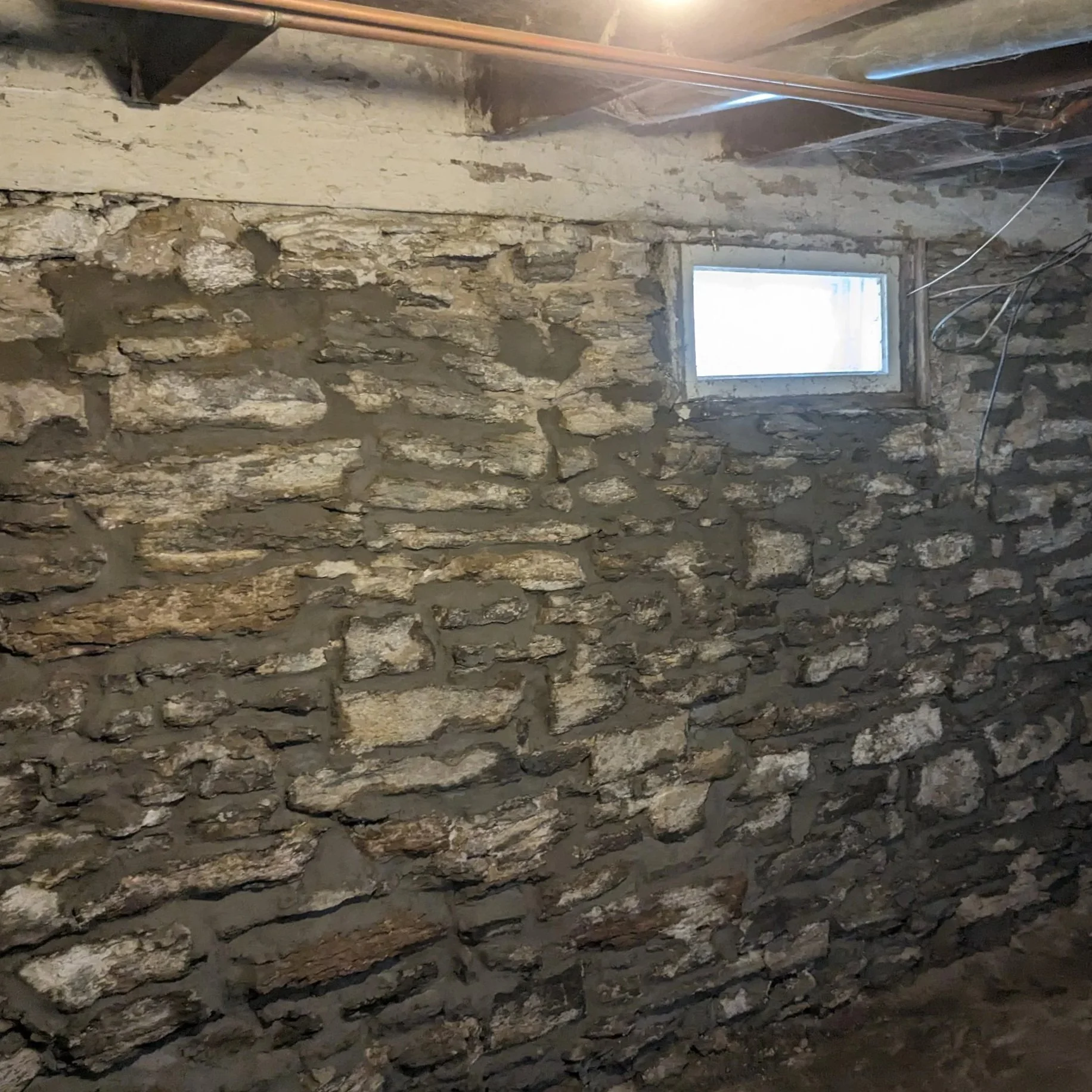
They hold back soil, stand up to moisture, carry the load of your home, and quietly support every single floorboard and family game night above them.
Why Basement Wall Repair Deserves Respect
Basement walls don't complain much. They hold back soil, stand up to moisture, carry the load of your home, and quietly support every single floorboard and family game night above them. But when cracks show up or bowing starts to creep in, those walls are trying to send a message—and it's not one to ignore.
Professional basement wall repair doesn't just slap on a cosmetic fix. It dives deep, addressing pressure, structure, and long-term durability to keep your walls strong and your home safe. And let's face it: no one wants to finish a basement around a problem they should've handled three years ago.
Cracks That Say More Than You Think
Not all cracks mean disaster, but none of them should be brushed off. Hairline fractures from curing? Fairly normal. Long, horizontal cracks? That's another story. When soil outside applies lateral pressure or moisture builds behind the foundation, walls start reacting—usually by cracking, leaning, or bowing.
Professional inspection makes the difference between a benign flaw and a red flag. Engineers and structural repair crews evaluate crack patterns, wall movement, and drainage conditions before crafting a strategy. Because the wall's not just being dramatic—it's telling a story that might need a serious plot twist.
Moisture Makes Trouble Quietly
Water rarely arrives with fanfare. It sneaks in quietly through porous concrete, cracks, or mortar joints. Over time, it compromises the wall's integrity, promotes mold growth, and damages nearby insulation or framing materials. When moisture's allowed to linger, it escalates even minor wall damage into a renovation-sized mess.
Basement wall repair always involves moisture evaluation. Professionals check for high water tables, poor exterior grading, clogged drain tiles, or hydrostatic pressure. Then they plan repair work that won't just patch the wall but also protect it from future repeat performances.
Bowing Walls and What They Mean
A wall that bows inward is more than a cosmetic concern. It's a warning that the lateral pressure from soil and moisture is winning. As that pressure increases, the wall loses its ability to hold position, often bending in the middle where resistance is weakest.
Solutions range from carbon fiber straps to steel I-beams to full wall anchors, depending on the degree of movement and the home's construction. Professionals choose reinforcement that works with the wall's current condition and stops further deflection—without inviting another round of damage down the road.
The Problem With Quick Fixes
Surface crack repair might look good for a few weeks, but underneath, the same pressures are still at play. Cosmetic patches won't resolve soil saturation, hydrostatic pressure, or drainage issues. That's why professional repairs begin with diagnostics and end with structural peace of mind.
It's tempting to think "out of sight, out of mind," especially if furniture or finished walls are hiding the damage. But a wall that's out of sight is still doing very real work—and when it fails, it takes the comfort and value of the entire basement with it.
Exterior vs Interior Repair Approaches
Basement wall repair can be done from the outside or the inside, depending on the issue. Exterior repairs may involve excavation, waterproofing membranes, or the addition of drain systems to relieve pressure. Interior solutions focus on reinforcing the existing wall with modern materials designed to hold the line.
Carbon fiber reinforcements, epoxy injections, and wall bracing systems can all be installed from the inside with minimal disruption to landscaping or hardscape. The best solution depends on the wall's condition, access to the perimeter, and the homeowner's long-term goals.
Reinforcement That Works Behind the Scenes
Carbon fiber is a superstar in the world of basement walls. It's lightweight, non-invasive, and stronger than steel in tension. Installed directly on the inside surface of bowed or cracked walls, carbon fiber strips distribute pressure across a wider area and stop further movement.
For more severe cases, steel I-beams or wall anchors bring heavy-duty support. These systems transfer pressure from the wall into the floor or soil outside, stabilizing the structure and restoring load capacity. It's like giving your wall a personal trainer with architectural credentials.
Drainage Isn't Just a Nice-To-Have
Even the best wall repair won't last if water is still pooling outside. That's why professionals often recommend drainage improvements alongside structural fixes. French drains, sump pumps, and grading adjustments all work to reduce hydrostatic pressure—the invisible force pushing against your basement from the outside.
Interior drain tile systems add another line of defense. Installed around the basement perimeter beneath the floor, they collect seepage before it enters the space, directing water to a sump pump for safe removal. It's a smart solution that plays well with finished walls and flooring.
Signs It's Time To Call A Pro
Wall movement isn't always dramatic. Sometimes it's subtle—slightly uneven mortar joints, small step cracks near corners, or visible bulges along a long wall. In finished basements, doors that stick or flooring that begins to separate can also be early indicators.
Efflorescence, water stains, and mold growth shouldn't be written off as basement quirks. There are signs that water is already infiltrating the space, weakening walls, and compromising air quality. A professional assessment identifies small issues before they become full-scale problems.
The Role Of Permits And Code Compliance
Basement wall repair isn't a weekend warrior project. Structural changes often require permits, engineering approval, and inspections. Professionals know the code requirements for wall reinforcement, egress windows, drainage connections, and insulation.
Cutting corners on permits or repairs risks more than just a failed inspection. It can lower the home's value, delay a future sale, or result in liability if the structure becomes unsafe. Reputable contractors handle the paperwork, follow guidelines, and deliver results that last beyond the next rainy season.
Finishing After Repairs, Not Before
It's tempting to finish a basement right away—especially when there's square footage begging to be used. But jumping ahead without addressing wall concerns only hides problems, not solves them. Professional repair comes first, giving the structure a solid foundation for finishing materials that won't need to be ripped out a year later.
After repairs, walls are ready for insulation, framing, and finishes. Moisture-safe products, vapor barriers, and closed-cell spray foam all work with repaired walls to keep the basement dry, cozy, and comfortable for years to come.
Restoring Confidence With Every Course
When professionals repair basement walls, they're not just restoring masonry. They're restoring confidence in the home's foundation. The job goes beyond fixing cracks—it's about shoring up the structure that holds everything together.
Whether it's a century-old brick foundation or a poured concrete wall from the late '90s, repairs are tailored to the materials, conditions, and long-term performance goals. The result? A basement that doesn't just function—it thrives.
The Value Of Prevention
Once a basement wall repair project is complete, prevention steps help preserve the work. Gutter extensions, regrading soil away from the foundation, and maintaining sump pumps all play supporting roles. Annual check-ins with a foundation expert can catch minor shifts before they escalate.
Even if nothing looks different on the surface, shifting soil and fluctuating moisture levels can affect wall stability over time. Professionals stay one step ahead by reading the signs and recommending proactive measures that save time, money, and the need for drywall repairs.
Peace Of Mind Below The Surface
Basement walls rarely come up in home improvement conversations unless something goes wrong. But when they're strong, dry, and structurally sound, they set the tone for everything else. Finished spaces feel safer. Storage stays dry. Guests aren't dodging puddles or admiring crack patterns.
Professional basement wall repair gives homeowners peace of mind—and basements the respect they've always deserved. They may not be glamorous, but those walls work hard. When treated right, they return the favor every single day.
Golden Stones Masonry offers reliable and professional tuckpointing & mortar joint repair, brick repair & restoration services, and interior basement tuckpointing & leak prevention services to homeowners in St. Paul, MN, and surrounding areas. Our team uses proven techniques to deliver long-lasting results. Licensed and insured. Call today.