
How Minnesota’s Weather Impacts Chimney Maintenance Needs
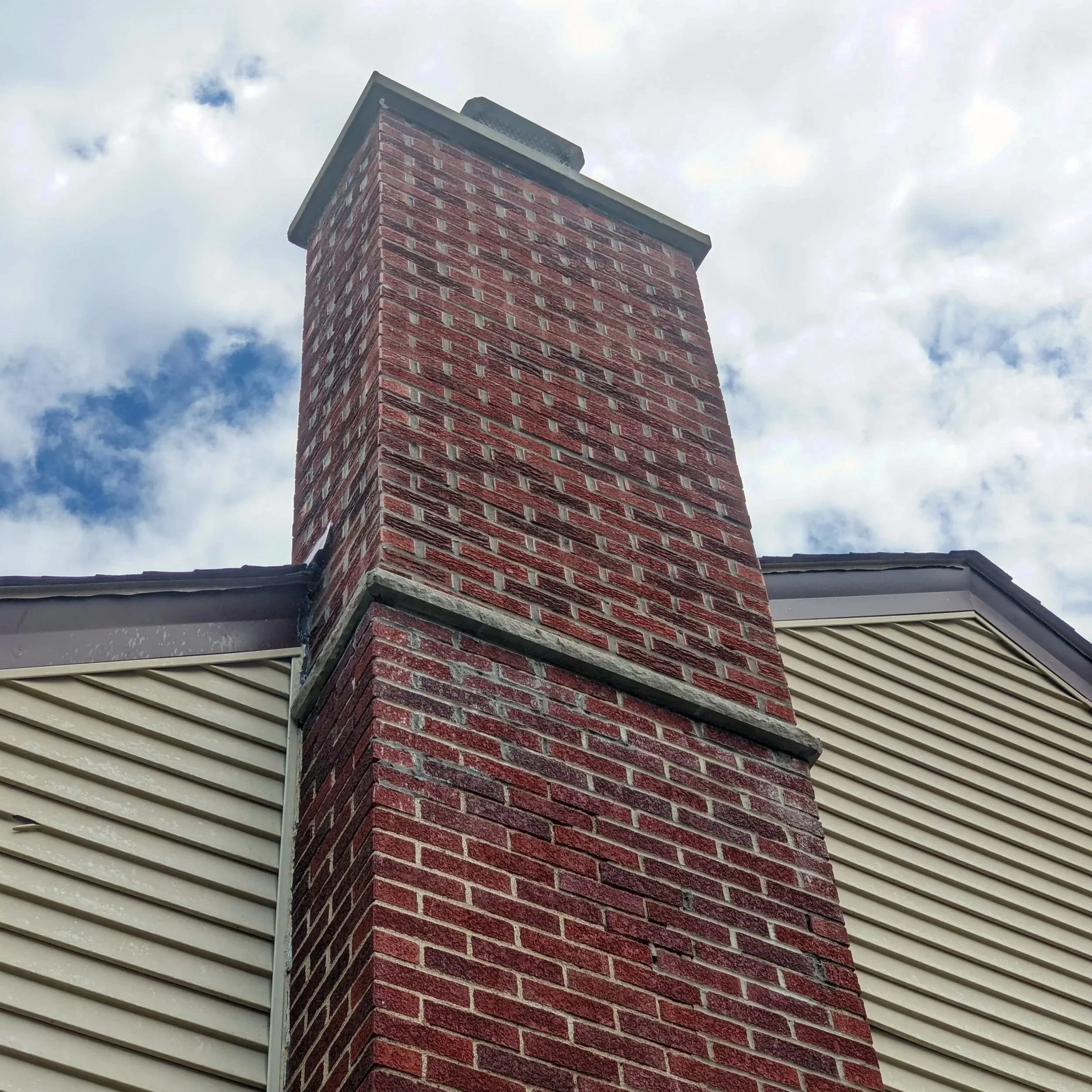
Minnesota’s extreme weather accelerates chimney wear, requiring specialized maintenance to prevent cracks, leaks, and structural damage.
Understanding Minnesota’s Unique Climate and Its Effect on Chimneys
Minnesota’s climate is demanding even by Midwest standards. Long winters regularly bring subzero temperatures, heavy snowfall, and persistent ice, while spring and fall are marked by wide temperature swings that cross the freezing point repeatedly. Summers are shorter but can be hot, humid, and stormy. These extremes place far more stress on exterior building components than in milder regions, and chimneys are among the most exposed parts of any home. Sitting fully above the roofline, chimneys take the brunt of wind, snow, freezing rain, and intense sun without the protection the rest of the house enjoys.
Because of this exposure, chimney systems in Minnesota age at different rates. Mortar, brick, liners, caps, and flashing constantly expand and contract, absorb moisture, and dry out. Advice that works well in warmer or drier climates often falls short here. Minnesota homeowners need a maintenance approach shaped by local weather realities, not generic guidance.
Why Minnesota Chimneys Require Different Maintenance Priorities
All chimneys need regular care, but in Minnesota, the priorities shift. Freeze–thaw damage, snow and ice buildup, moisture intrusion, and heavy winter use raise the stakes. Chimney care becomes a year-round cycle rather than a once-a-year task. Inspections and repairs are best handled before winter, cleanings may be needed mid-season for heavy users, and spring often reveals damage that winter concealed.
Thinking seasonally helps prevent expensive surprises. Addressing issues early is almost always cheaper and safer than reacting after structural damage, leaks, or draft failures have already developed.
Common Chimney Types in Minnesota Homes
Minnesota homes feature a mix of traditional masonry chimneys, factory-built metal systems, and a range of liner types, including clay tile, stainless steel, and cast-in-place liners. Older homes often rely on original brick or stone chimneys, while newer construction may use prefabricated systems designed to meet modern codes.
Each type responds differently to the climate. Masonry absorbs moisture and cracks during freeze–thaw cycles. Metal chimneys can corrode when cold flues encourage condensation. Clay tile liners may crack, while stainless steel liners can suffer corrosion if acidic condensate is present. Knowing your chimney type helps target maintenance where Minnesota weather does the most damage.
Why Above-Roof Exposure Accelerates Wear
The portion of the chimney above the roofline is uniquely vulnerable. It is exposed on all sides to wind, snow, sleet, rain, and rapid temperature changes. In winter, hot flue gases inside meet freezing exterior air, creating extreme temperature differentials that stress materials and joints. Snow drifts, and ice can pile against the chimney base, testing flashing and roof connections.
This exposure leads to faster mortar erosion, brick spalling, rusted metal components, and failed seals. Regular inspection of the exposed stack is essential in Minnesota to catch deterioration before it spreads into the home.
Safety and Efficiency Concerns in a Cold-Climate State
Minnesota’s weather amplifies chimney safety risks. Heavy winter use increases creosote buildup, raising the chance of chimney fires. Snow, ice, or debris can block flues, posing a carbon monoxide hazard. Structural damage from weather can also compromise stability.
Efficiency suffers as well. Cold chimney walls reduce draft, causing smoky fires and higher fuel consumption. Damaged caps or dampers let cold air and moisture into the flue, undermining comfort and increasing heating costs. Weather-related maintenance directly affects both safety and performance.
The Impact of Extreme Cold
Subzero temperatures force masonry and metal to contract and expand repeatedly. Over time, this creates microcracks that grow into larger failures if left unchecked. After harsh winters, cracks widen, mortar loosens, and structural integrity weakens, sometimes leading to major repairs or rebuilds.
Cold flues also struggle with the draft. Exterior chimneys in particular can be so cold that smoke cools too quickly to rise, causing back-puffing and smoky starts. Cold conditions also promote condensation as warm exhaust meets freezing surfaces, soaking masonry or corroding liners. Crowns, caps, and dampers are equally stressed, with cracking concrete, warped metal, and seized moving parts all common after severe winters.
Freeze–Thaw Cycles and Masonry Damage
Freeze–thaw action is one of the most destructive forces acting on Minnesota chimneys. Water enters small pores in brick and mortar, freezes, expands, and gradually breaks the material apart. Visible signs include crumbling mortar, cracked bricks, and spalling, where brick faces flake away. Once spalling begins, moisture penetration accelerates, speeding further damage.
Chimney crowns are especially vulnerable. Even hairline cracks allow water in, which can freeze and widen the damage. Failed crowns let moisture reach the chimney interior, leading to leaks and rapid deterioration. Mortar joints also erode over time, making tuckpointing a critical maintenance task for Minnesota chimneys.
Breathable waterproofing products help slow this process by reducing water absorption while allowing trapped moisture to escape. Applied correctly and reapplied as needed, waterproofing is a powerful preventive tool in a freeze–thaw climate.
Snow, Ice, and Ice Dams
Snow loads and drifting around chimneys add stress and prolonged moisture exposure. Ice dams commonly form near chimneys, trapping water and forcing it under flashing. Over time, this bends metal, breaks seals, and creates hidden leaks that damage insulation, framing, and ceilings.
Icicles and sliding ice can physically strike chimneys, knocking loose bricks, cracking crowns, or damaging caps. After major storms or thaws, ground-level visual checks are essential. Managing snow safely, improving attic insulation and ventilation, and using features like chimney crickets all reduce winter damage risk.
Rain, Thaw Periods, and Moisture Intrusion
Late winter and spring often bring heavy rain while snow is still melting and the ground remains saturated. Water runs quickly across roofs and chimneys, exploiting weak points in crowns, mortar, and flashing. Spring inspections are essential to assess the cumulative impact of winter moisture and freeze–thaw damage.
Wind-driven rain is another challenge. Strong storms can force water into small gaps on exposed chimney faces, leading to interior staining and dampness. Chronic moisture intrusion can result in mold, rot, and insulation failure if left unaddressed.
Wind, Storms, and Structural Stress
High winds exert lateral forces on chimney stacks, particularly tall masonry chimneys. Over time, this can loosen bricks and worsen cracks. Storm debris and falling tree limbs can cause sudden impact damage, while lightning strikes can shatter masonry or damage liners and caps. Any suspected storm or lightning damage should prompt a professional inspection before the chimney is used again.
Winter Usage and Creosote Buildup
Minnesota’s long heating season means heavy fireplace and wood stove use. More burning equals more creosote, especially when cold flues cause smoke to cool quickly and condense. Creosote can progress rapidly from light soot to thick glaze in this climate, increasing the risk of chimney fires.
Using seasoned hardwood, avoiding smoldering fires, and maintaining hot, efficient burns all help reduce buildup. Even so, many Minnesota homes require more frequent cleaning than the generic once-a-year recommendation, particularly for heavy users.
Gas and Oil Chimneys in Cold Weather
Gas and oil appliances produce cooler exhaust that readily condenses in cold chimneys. In oversized or unlined masonry flues, acidic condensate can aggressively attack mortar, tile, and metal. High-efficiency appliances often require smaller, insulated liners to vent safely in Minnesota’s climate.
Metal vents and sidewall terminations can also be blocked by snow and ice, creating dangerous backup conditions. Annual inspections are critical for all fuel types, not just wood-burning systems.
Seasonal Maintenance Planning
In Minnesota, chimney care works best on a seasonal schedule. Pre-winter inspections and repairs prepare the system for heavy use. Mid-winter monitoring helps catch creosote or blockage issues early. Spring inspections reveal freeze–thaw damage, while summer offers ideal conditions for masonry repairs, relining, and waterproofing. Keeping a maintenance log helps track patterns and plan ahead.
Weather-Resistant Materials and Design Choices
Durable, low-absorption masonry, properly formulated mortar, well-designed crowns, stainless steel caps, and insulated liners all perform better in Minnesota’s climate. For new construction or major rebuilds, placing chimneys within the building envelope and designing for snow and water management dramatically improves longevity.
DIY Monitoring vs Professional Care
Homeowners can safely watch for visible cracks, spalling, leaning, water stains, and draft changes. Anything beyond surface observation belongs in professional hands. Certified chimney professionals have the tools and training to identify hidden weather-related damage and recommend proper solutions for Minnesota conditions.
Conclusion: Adapting Chimney Care to Minnesota’s Weather
Minnesota’s climate places unique demands on chimneys, from freeze–thaw damage and creosote buildup to snow, wind, and condensation issues. Understanding how weather accelerates wear allows homeowners to plan smarter inspections, repairs, and upgrades. Regular professional care, seasonal maintenance, and weather-resistant materials are not optional in this state. They are essential for safety, efficiency, and long-term durability.
FAQs About Minnesota Weather and Chimney Maintenance
Most homes need annual inspections at minimum. Heavy wood users may need additional cleanings during the heating season.
Freeze–thaw masonry damage, cracked crowns, flashing leaks, creosote buildup, and storm or wind damage are the most frequent issues.
Look for new cracks, spalling bricks, leaning, water stains, draft problems, or unusual odors, and call a professional if you notice changes.
Waiting often leads to more extensive damage, higher costs, and increased safety risks. In Minnesota’s climate, timely repairs are critical.
Trust Golden Stone Masonry in St. Paul, MN, for professional chimney repair, foundation masonry repair, tuckpointing & mortar joint repair, and brick repair & restoration services. Our team works hard to restore strength and prevent moisture intrusion. Ours is a licensed and insured company offering a 10-year warranty. Get your free estimate today.
