
How to Extend the Life of Your Rebuilt Chimney in St. Paul
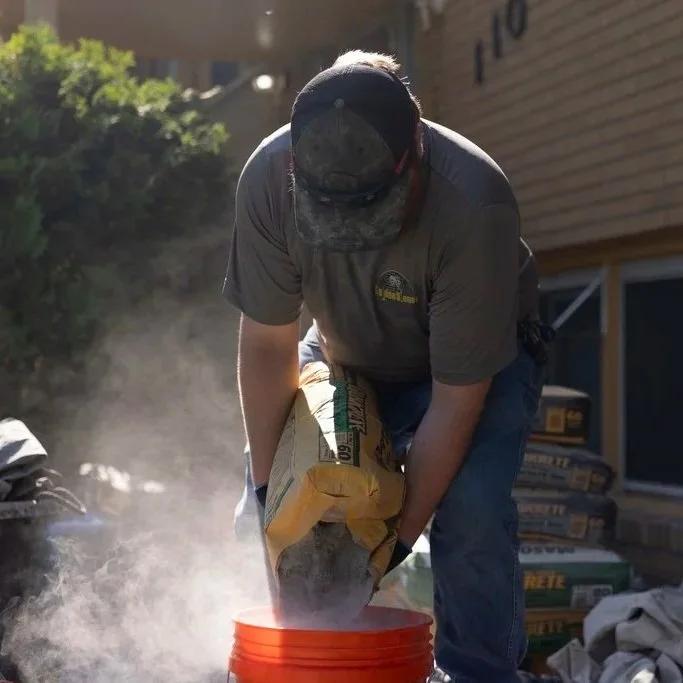
Regular maintenance preserves your rebuilt chimney, preventing damage from water, frost, and wear while ensuring safety and efficiency.
Why Protecting Your Rebuilt Chimney in St. Paul Matters
A rebuilt chimney represents a serious investment in your home. It is not just about restoring how the house looks from the street. A properly rebuilt chimney improves fire safety, protects indoor air quality, supports efficient heating, and can even strengthen resale value. In a city like St. Paul, where chimneys face long winters and constant weather stress, the real value of that investment is measured in how long it lasts. Without ongoing care, even a well-built chimney can begin to deteriorate far sooner than expected.
Many homeowners assume that once a chimney has been rebuilt, it no longer needs much attention. Unfortunately, that assumption often leads to early problems. Mortar joints can erode, water can sneak in, freeze–thaw cycles can start breaking down masonry, and liners can develop issues quietly over time. The purpose of this guide is to show how simple, consistent maintenance and timely professional care can protect your rebuilt chimney, prevent expensive repairs, and keep it performing safely for decades.
St. Paul’s Climate, Codes, and Construction Realities
St. Paul chimneys operate in one of the Midwest's toughest environments. Long winters, heavy snow loads, repeated freeze–thaw cycles, driving rain, and strong winds all work against masonry and metal components. Moisture expands when it freezes, joints open and close as temperatures swing, and snow and ice can sit against chimneys for weeks. These conditions accelerate wear even on newly rebuilt systems.
Local building codes in St. Paul and Ramsey County are designed to address safety and performance, and a proper rebuild should already meet those standards. However, codes alone cannot protect a chimney. Long-term performance depends on maintenance practices tailored to this climate. Understanding how your rebuilt chimney was constructed and caring for it with local conditions in mind ultimately determines its lifespan.
Understanding Your Rebuilt Chimney
Knowing what was rebuilt is the first step in protecting it. Some chimneys are rebuilt only from the roofline up, while others are fully torn down and reconstructed. In some cases, internal components like the liner or smoke chamber are also replaced. Each scenario has different maintenance priorities. A partial rebuild means older sections below may still need closer monitoring, while a full rebuild offers more uniform aging but still requires routine care. Keeping copies of invoices and scope-of-work documents helps you and future contractors understand exactly what is new and what is original.
Material choice also matters. In St. Paul, rebuilt chimneys are typically constructed from clay brick, concrete block, stone, or a combination of these. High-quality, frost-resistant brick performs better under freeze–thaw stress, while mortar joints remain the most vulnerable point by design. Understanding whether your chimney is brick, block, or stone helps you recognize early warning signs, such as spalling faces versus crumbling joints. It ensures compatible repair materials are used in the future.
Modern chimney liners play a major role in longevity. Whether clay tile, stainless steel, or cast-in-place, liners protect the masonry from heat, corrosive gases, and creosote. A rebuilt chimney often includes a new liner, but that liner still needs inspection and cleaning. Poor draft, unusual odors, rust, or cracks can signal liner issues that should be addressed quickly to avoid damage to the surrounding structure.
Mortar joints deserve special attention in St. Paul. Mortar is intentionally softer than brick, so it absorbs stress first. Over time, water, salt, and ice break it down. Repointing worn joints early is one of the most effective and affordable ways to extend the life of a rebuilt chimney.
How St. Paul Weather Affects Chimneys
Freeze–thaw cycles are the biggest threat. Water enters microscopic pores, freezes, expands, and slowly breaks masonry apart. Even a well-built chimney cannot avoid moisture entirely, which is why protection and monitoring matter so much. Snow and ice add weight and pressure at the roofline, while ice dams can redirect water toward flashing and crowns. Wind-driven rain can force moisture into the smallest gaps, especially on exposed chimneys near roof ridges or corners.
Seasonal temperature swings also cause thermal movement. Masonry and metal expand and contract at different rates, creating stress at joints and connections. Over time, these movements can open small gaps that allow water intrusion. Annual inspections after winter are especially valuable in St. Paul because they catch damage caused by the year's most punishing conditions.
Routine Inspection as a Defense Strategy
Annual professional chimney inspections are essential, even after a rebuild. A certified chimney professional will examine masonry, mortar, crown, cap, flashing, liner, and venting performance. Inspections are most effective when scheduled before the heating season, but additional checks after severe winters or storms are often worthwhile.
Between professional visits, homeowners can perform basic visual checks from the ground. Look for cracks, missing mortar, rust stains, loose caps, or leaning. Inside, note odors, stains, or changes in how the fireplace drafts. These checks are about awareness, not repair. Climbing on icy or steep roofs is never recommended.
Moisture Control and Waterproofing
Water is the primary enemy of chimneys in St. Paul. Waterproofing is not a single product or step but a system. Proper crown design, quality caps, intact flashing, good roof drainage, and breathable water repellents all work together. Breathable masonry waterproofers repel liquid water while allowing trapped moisture to escape, which is critical in freeze–thaw climates.
Chimney crowns deserve special care. A well-built crown slopes away from the flue, has a drip edge, and resists cracking. Small cracks should be sealed early. Once a crown fails, water enters the chimney core, damaging everything below it.
Roof drainage also matters. Overflowing gutters or poorly directed downspouts can saturate chimney masonry and foundations. Coordinating chimney care with roof and gutter maintenance is one of the simplest ways to prevent water-related damage.
Caps, Spark Arrestors, and Animal Protection
Every rebuilt chimney should have a properly sized, durable cap. Caps keep rain, snow, debris, and animals out while allowing smoke to escape. Stainless steel and copper caps perform well in St. Paul’s climate and require less maintenance than cheaper alternatives.
Spark arrestors reduce fire risk by preventing embers from landing on roofs or nearby trees, while also helping block debris and animals. However, they must be cleaned periodically to avoid draft restriction. Wildlife intrusion is common in urban St. Paul, and animal guards or screened caps are essential. Professionals should handle any signs of nesting or blockage.
Flashing and Roof Integration
Flashing seals the joint between the chimney and the roof and is one of the most common leak sources. Snow and ice often sit against flashing for long periods, testing its integrity. Early signs of flashing failure include ceiling stains, peeling paint, and musty odors near the chimney.
Minor flashing issues can sometimes be repaired, but improper caulking alone rarely lasts. High-quality metal flashing, properly integrated with roofing materials, is critical. Chimney and roof maintenance should be coordinated so that both systems protect each other.
Interior Care and Performance
Inside the home, the firebox, damper, and smoke chamber also need attention. Fireboxes wear from heat and impact and should be kept clean and monitored for cracks. Dampers should open and close smoothly and seal reasonably well to reduce heat loss and moisture entry. Smoke chambers, though hidden, affect draft and creosote buildup and should be evaluated during inspections.
Creosote and Cleaning
Creosote forms whenever wood is burned, even in rebuilt chimneys. It is flammable and damaging. Annual cleaning is typically recommended for wood-burning systems in St. Paul, especially given long heating seasons. Gas systems produce less soot but still require inspection for corrosion and condensation damage.
Professional cleaning is strongly advised. DIY kits rarely remove deposits thoroughly and do not address hidden damage. A qualified chimney sweep protects both safety and longevity.
Fuel Choices and Burning Habits
Burning seasoned hardwood reduces creosote, improves efficiency, and places less stress on the chimney. Wet or green wood produces more smoke and deposits. Certain materials, such as trash, treated wood, or cardboard, should never be burned because they damage chimneys and release toxins.
Proper fire-building techniques, such as avoiding smoldering fires and overfiring, help maintain stable temperatures and reduce wear. Gas appliances also require care, as acidic condensation can corrode liners if systems are not properly designed and maintained.
Catching Small Problems Early
Minor cracks, early spalling, and powdery mortar are signals to act, not wait. Localized tuckpointing and minor repairs preserve the rebuilt structure. Leaning, separation, or settlement should be evaluated immediately by professionals, as early stabilization can prevent major failure.
Keeping a maintenance log with photos, inspection reports, and invoices helps track changes and supports better decision-making. Informed homeowners are far more likely to extend the life of their rebuilt chimney.
Conclusion
A rebuilt chimney in St. Paul is a valuable asset, but it reaches its full potential only with ongoing care. Understanding how it was built, protecting it from moisture, scheduling regular inspections and cleanings, and adjusting usage habits all work together to extend its lifespan. In a harsh climate, proactive maintenance is not optional. It is the difference between decades of safe service and premature, costly repairs. With the right approach and trusted local professionals, your rebuilt chimney can remain reliable, efficient, and worry-free for many years.
FAQs About Extending the Life of a Rebuilt Chimney in St. Paul
Most homeowners should schedule at least one professional inspection per year, with additional checks after severe storms or suspected chimney fires.
Yes. Even unused chimneys can collect debris, moisture, and animal nests. Annual inspections determine whether cleaning is needed.
Yes. Freeze–thaw conditions make moisture control critical from the start. Proper waterproofing significantly reduces long-term masonry damage.
Cracked or spalling bricks, crumbling mortar, rusted caps, interior water stains, smoke backdrafting, strong odors, or visible leaning all warrant professional evaluation.
Golden Stones Masonry is a licensed and insured expert, offering chimney repair, chimney rebuild, and foundation masonry repair solutions to St. Paul, MN, residents. Our professionals deliver reliable and long-lasting results that come with a 10-year warranty. We take pride in our transparent process and fair and honest pricing. Call now to book a service appointment.
