
Preventing Major Chimney Damage Through Timely Repairs
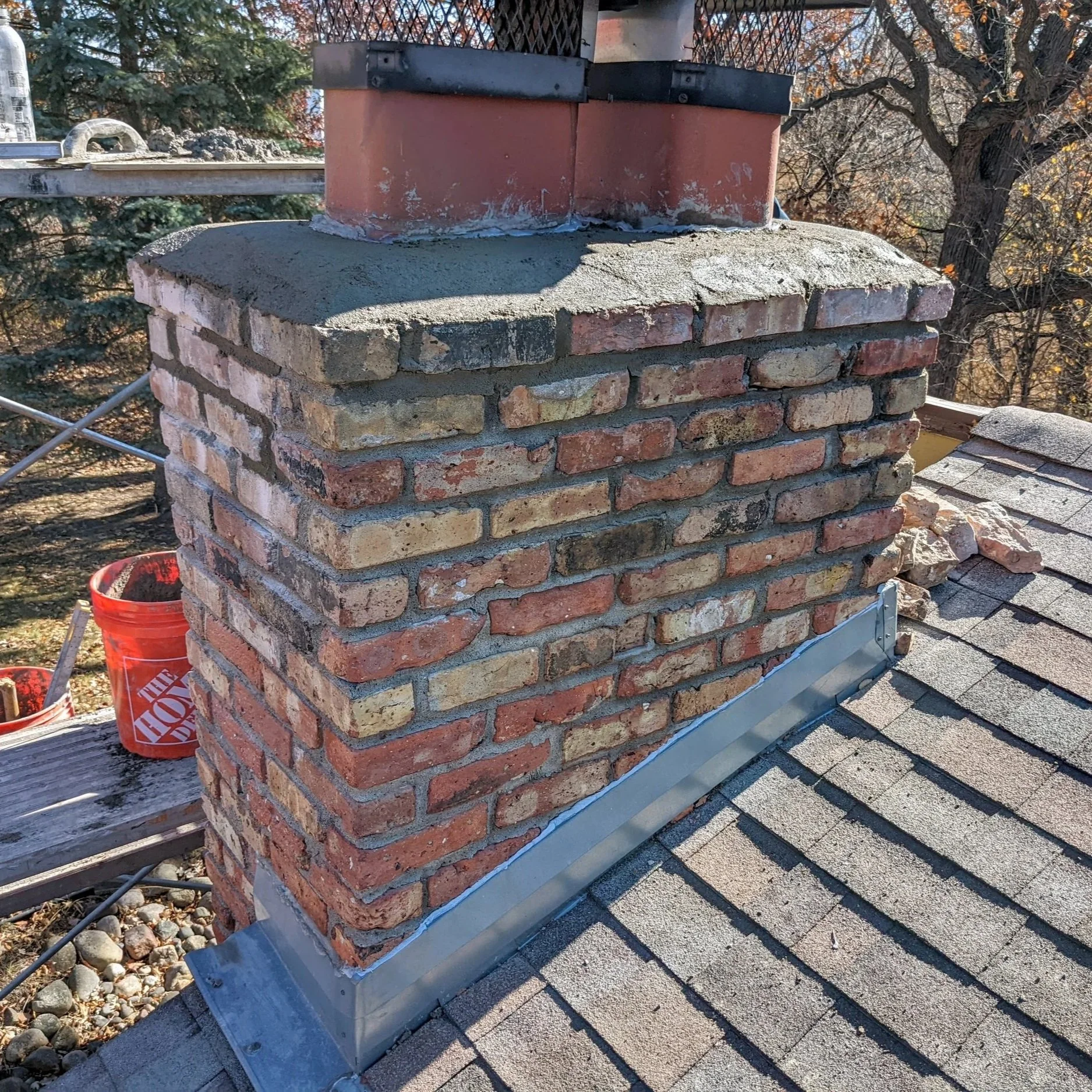
Professional inspecting a residential chimney in Tampa, identifying cracks and leaks to prevent major structural damage and hazards.
Why Timely Chimney Repairs Matter
The chimney is far more than a decorative feature on your roofline. It is a critical safety and ventilation system that removes smoke, heat, and combustion gases from your home while protecting indoor air quality and reducing fire risk. When it works properly, it supports the efficient operation of fireplaces, wood stoves, and heating appliances. The problem is that much of the chimney system is hidden from view, which makes it easy for homeowners to overlook routine care.
That “out of sight, out of mind” mindset is where trouble starts. Small issues like hairline cracks, minor leaks, or missing mortar can quietly worsen over time. By the time obvious damage appears, the chimney may already need expensive structural repairs or rebuilding. Understanding early warning signs and acting quickly can prevent severe damage, safety hazards, and high costs. This guide explains how timely repairs protect your chimney and your home, and how to recognize problems before they escalate.
The Cost of Waiting Versus Acting Early
Chimney damage rarely happens all at once. Small cracks allow water in; when it freezes and expands, materials slowly break down. Moisture rusts metal parts, weakens mortar, and damages liners. Heat and creosote buildup add another layer of stress, increasing the risk of chimney fires. Left alone, these minor defects can compromise the entire system.
Early repairs such as tuckpointing, crown sealing, cap replacement, or flashing repair are typically straightforward and affordable. Compare that to the cost and disruption of full chimney rebuilding, relining, or interior structural repairs after years of neglect. Timely action almost always costs less, reduces safety risks, and helps avoid insurance complications tied to preventable damage.
How This Guide Helps You Stay Ahead of Problems
This article walks through how chimneys work, common types of damage, early warning signs, and practical repair strategies. It applies to both homeowners and property managers and explains when visual monitoring is sufficient and when professional help is essential. You will also find guidance on seasonal maintenance, budgeting, and working with qualified chimney professionals.
Early sections focus on understanding chimney anatomy and the causes of damage. Later sections cover inspections, specific repair approaches, and prevention strategies. The goal is to help you make informed decisions and act before small issues become major failures.
Understanding How Your Chimney Works
A typical chimney system includes the firebox, damper, smoke chamber, flue, liner, chimney crown, cap, flashing, and either masonry or a metal chase. Each part plays a role in containing heat, directing smoke upward, and keeping water and debris out. The liner protects surrounding materials from heat and gases, while the crown and cap protect the structure from water.
These parts function as a system. Hot air rising through the flue creates draft, pulling smoke out of the home. If one component fails, the draft suffers, moisture enters, or heat escapes into areas where it does not belong. Understanding these basics helps you recognize which problems are minor and which threaten the entire chimney.
Different chimney types age and fail differently. Masonry chimneys are prone to mortar and brick deterioration. Metal chimneys often suffer from corrosion and joint failure. Gas systems place different demands on liners than wood-burning systems. Knowing your chimney type helps ensure the right inspections and repairs are performed.
Weather, usage, and age all matter. Freeze-thaw cycles crack masonry. Rain and snow drive moisture into porous materials. Heavy use accelerates liner wear and creosote buildup. Older chimneys with poor maintenance histories are more likely to have hidden damage, while newer systems with regular care often need only minor repairs.
Common Types of Chimney Damage You Can Prevent
Water damage is the most common and destructive chimney issue. Signs include white masonry staining, interior watermarks, peeling paint, rusted dampers, and damp odors. Over time, water causes spalling bricks, crumbling mortar, cracked liners, and crown failure. Many of these problems can be avoided with timely crown repairs, caps, flashing work, and waterproofing.
Masonry damage often appears as cracked bricks, spalling faces, or missing mortar. These defects weaken the structure and allow more water inside. Early tuckpointing and brick replacement stabilize the chimney and prevent the need for rebuilding later.
Liner damage is often hidden but dangerous. Cracked tiles, corroded metal liners, and gaps increase fire and carbon monoxide risks. Early repair or relining restores safety and efficiency at far lower cost than addressing advanced damage.
Draft and smoke issues, such as smoke entering the room or lingering odors, often signal deeper problems, such as blockages, liner damage, or moisture issues. Addressing these early issues improves comfort and prevents further stress on the chimney.
Heat damage from chimney fires can crack liners, warp metal parts, and weaken masonry. Some chimney fires go unnoticed but still cause serious harm. Prompt inspection and repair after any suspected fire prevent long-term deterioration and future incidents.
Early Warning Signs to Watch For
From the ground, look for cracked or missing mortar, loose bricks, leaning, rust streaks on metal chimneys, and damaged or missing caps. Staining patterns often point to moisture problems. Photographs change over time to track progression.
Inside the home, watch for musty or smoky odors, water stains near the chimney, peeling finishes, soot patterns, or changes in how the fireplace drafts. Subtle changes often appear before major structural damage.
Unusual sounds, such as scratching or dripping, or debris, such as brick fragments or tile pieces, in the firebox, are serious red flags. These indicate a breakdown or intrusion and warrant professional inspection.
After major storms, earthquakes, roof work, or renovations, monitor the chimney closely. Structural movement, altered airflow, or compromised flashing can create new problems even if none existed before.
Why Timely Repairs Prevent Structural Failure
Small cracks allow water in, and water drives most chimney deterioration. Freeze-thaw cycles widen cracks, weaken mortar, and eventually cause leaning or collapse. Early sealing and repointing stop this cycle before structural integrity is lost.
Moisture control is central to chimney longevity. Flashing repair, crown sealing, caps, and breathable waterproofing prevent water from entering and reduce freeze-related damage. Once decay becomes widespread, rebuilding is often the only safe option.
Neglected chimneys also pose serious fire risks. Gaps and damaged liners allow heat and sparks to reach combustible materials. Timely repairs restore fire containment and reduce the chance of house fires.
Chimney problems often spread beyond the chimney. Leaks damage roofs, framing, ceilings, and walls. Falling masonry can damage surrounding structures. Early repairs keep problems contained and manageable.
DIY Checks Versus Professional Inspections
Homeowners can safely perform basic visual checks from the ground, note odors or smoke behavior, and look for debris in the firebox. These checks help spot early warning signs but are not substitutes for professional inspections.
Industry guidance recommends annual chimney inspections, even if the system is rarely used. Professionals use cameras and specialized tools to find hidden defects and prioritize repairs. Think of inspections as preventive care rather than an expense.
Choose certified, insured chimney professionals with documented experience. Ask about inspection methods, reporting, and repair options. Clear documentation and explanations reduce the risk of unnecessary or ineffective work.
Inspection reports typically include photos, descriptions, and recommended repairs ranked by urgency. Address safety issues first, then preventive and cosmetic concerns. A second opinion is reasonable for major repair proposals.
Addressing Masonry Problems Early
Deteriorating mortar appears recessed, cracked, or powdery. Early tuckpointing restores strength and seals out moisture at relatively low cost. Waiting allows water to damage bricks and spread the problem.
Tuckpointing works when bricks are sound, and the structure is stable. Leaning chimneys, severe cracking, or widespread brick failure usually require rebuilding. Early intervention increases the chance that tuckpointing alone will suffice.
Cracked or spalling bricks should be replaced promptly. Removing and replacing a small number of damaged bricks prevents cascading failure in surrounding areas.
Breathable masonry sealants repel water while allowing moisture to escape. They are effective only after necessary repairs and help extend chimney life when applied at the right time.
Protecting the Crown and Cap
The chimney crown sheds water away from the masonry. Poorly built or cracked crowns allow water into the chimney core. Early sealing or resurfacing is far cheaper than full crown replacement after failure.
Chimney caps and chase covers keep out water, animals, and debris. Missing or rusted caps are an easy, cost-effective fix that prevents extensive internal damage.
Durable caps made of stainless steel or copper last longer and require minimal maintenance. Regular visual checks ensure they remain secure and functional.
Managing Liner Issues Before They Escalate
Signs of liner problems include debris in the firebox, heavy creosote, odors, poor draft, and staining. Most liner issues require professional inspection to diagnose accurately.
Minor liner issues may be repairable, but extensive damage usually calls for relining. Addressing liner problems early preserves options and avoids more complex repairs later.
Modern stainless steel and cast-in-place liners improve safety, efficiency, and durability. When installed at the right time, they can significantly extend the chimney's life.
Regular sweeping removes creosote and debris that contribute to liner damage and chimney fires. Sweeping is a preventive measure, not just cleaning.
Stopping Leaks Quickly
Flashing failures are a major source of chimney leaks. Prompt repair prevents water from reaching roof structures and interior framing.
Leaks often originate at the crown or upper mortar joints. Early sealing and repointing prevent water from spreading.
Interior water damage should never be treated cosmetically without fixing the source. Prompt chimney repairs prevent mold, rot, and costly interior restoration.
A comprehensive waterproofing approach, applied at the right time, dramatically reduces future water-related damage.
Preventing and Responding to Chimney Fires
Creosote buildup is the primary cause of chimney fires. Proper burning practices and regular sweeping reduce accumulation and risk.
Signs of a chimney fire include loud noises, intense heat, warped components, and cracked liners. Some fires leave subtle but severe damage.
If a chimney fire is suspected, stop using the chimney and schedule an inspection immediately. Post-fire repairs restore safety and prevent further damage.
Seasonal Maintenance Matters
Pre-season inspections and cleanings catch problems before heavy use. Off-season checks prevent animal intrusion and moisture damage.
Monitoring changes year-round and coordinating chimney care with roof and exterior maintenance increases effectiveness and reduces costs.
Budgeting and Planning Ahead
Early repairs cost less than major reconstruction. Prioritize repairs by safety and risk, and plan multi-year maintenance strategies based on inspection findings.
Keep documentation for insurance and resale purposes. Records show that responsible maintenance and support claims are filed when sudden damage occurs.
Conclusion: Small Repairs, Big Protection
Preventing major chimney damage comes down to regular observation, professional inspections, and prompt repairs. Each early action interrupts a chain reaction that leads to structural failure, fire risk, and high costs.
With a simple maintenance plan and timely response to warning signs, homeowners can extend the chimney's life, protect their homes, and avoid expensive emergencies. Chimney care is not about constant repairs; it is about acting early and wisely.
FAQs About Preventing Major Chimney Damage Through Timely Repairs
Most chimneys should be inspected annually. Cleaning frequency depends on usage and fuel type, but is typically once a year for wood-burning systems.
Early signs include small exterior cracks, staining, musty odors, draft changes, and minor debris in the firebox.
It depends on the issue. If there are draft problems, liner concerns, or visible debris, stop using it until a professional inspection confirms safety.
Sudden damage from events like storms or fires may be covered, but gradual wear and lack of maintenance typically are not. Always check your policy.
Trust Golden Stones Masonry in St. Paul, MN, for professional chimney repair, foundation masonry repair, tuckpointing & mortar joint repair, and brick repair & restoration services. Our team works hard to restore strength and prevent moisture intrusion. Ours is a licensed and insured company offering a 10-year warranty. Get your free estimate today.