
Cost-Effectiveness of Repair vs. Full Chimney Rebuild
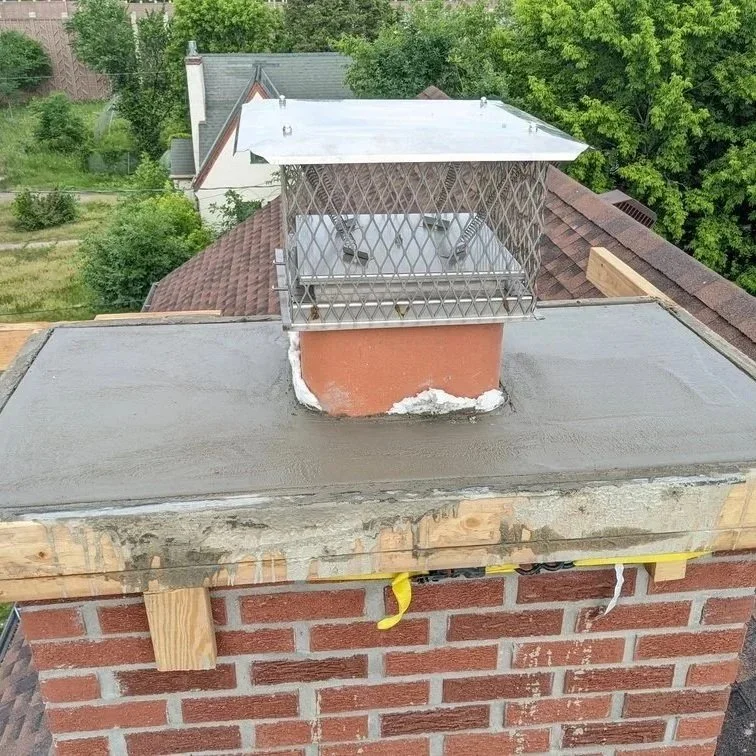
Cost-effective chimney work isn’t about saving money today—it’s about ensuring long-term safety, efficiency, and minimal future maintenance.
How to Decide Between Chimney Repair and Full Rebuild
Deciding whether to repair a chimney or rebuild it entirely is not just about appearance. It is a structural, safety, and financial decision that can affect your home for decades. A chimney in poor condition can allow water into the house, create fire hazards, leak carbon monoxide, and raise red flags during resale. At the same time, rebuilding a chimney that could have been safely repaired is an expensive mistake. Cost-effectiveness lies between those two extremes.
The purpose of this guide is to help homeowners think clearly about that decision. It is written as a practical, step-by-step way to evaluate chimney condition, understand what different repairs actually accomplish, and compare short-term costs with long-term value. The focus is on residential masonry chimneys serving wood- and gas-burning appliances, using plain language rather than technical jargon. While a professional inspection is always required before making final decisions, understanding the logic behind cost-effectiveness helps homeowners avoid overspending or under-addressing serious problems.
In chimney work, cost-effectiveness does not mean cheap. It means choosing the option that provides the safest and most reliable service for the lowest total cost over time. That includes the upfront price, expected lifespan of the work, future maintenance needs, safety risks, efficiency, and impact on home value. A repair that lasts five years and needs repeating may cost more in the long run than a rebuild that lasts thirty. This article will help you think in terms of lifecycle cost rather than just contractor quotes.
Understanding Chimney Basics Before Comparing Costs
Every chimney is made up of several key components, and which one is damaged matters greatly for cost decisions. The chimney crown protects the masonry's top from water. The cap keeps rain, animals, and debris out. The flue liner contains heat and exhaust gases. The masonry itself, including brick or stone and mortar joints, provides structure. Flashing seals the chimney where it meets the roof. Damage to cosmetic or protective elements, such as caps and flashing, is usually inexpensive to repair. Damage to the liner or structural masonry carries far greater safety and cost implications.
Materials also matter. Clay tile liners crack differently from stainless steel liners. Brick and stone age differently, and the choice of mortar affects durability. Understanding which materials are involved helps homeowners understand why some estimates are modest while others are substantial.
Chimney type also affects options. Masonry chimneys are often candidates for repair, partial rebuild, or full rebuild, depending on condition. Factory-built metal chimneys usually follow manufacturer replacement guidelines and are often replaced as systems rather than repaired piecemeal. Fuel type matters too. Wood-burning systems place greater stress on liners and masonry than gas systems, which influences repair longevity.
Age and construction quality play a major role in cost-effectiveness. A newer chimney with isolated issues often responds well to repair. A very old chimney built without a liner, using soft brick or poor mortar, may not hold repairs for long. In those cases, repeated repairs can become more expensive than rebuilding correctly once.
A professional inspection is the starting point for any cost comparison. A detailed inspection, often with internal camera footage, identifies cracks, spalling, moisture damage, liner failure, and code violations. Without that information, it is impossible to judge whether repairs will restore safe function or merely delay inevitable failure.
Recognizing When Repair Is Enough
Some chimney problems are genuinely minor. Small mortar cracks, limited brick spalling, hairline crown cracks, loose caps, or deteriorated caulk at flashing are usually repairable at relatively low cost. When addressed early, these repairs are among the most cost-effective investments a homeowner can make because they prevent deeper structural damage.
Moderate damage sits in the gray area. Widespread mortar deterioration, significant crown failure, moderate brick spalling, or partial liner damage may be addressed through repointing, crown replacement, relining, or partial roofline rebuilds. In these cases, cost-effectiveness depends on whether the repair meaningfully extends the chimney’s life or postpones a larger failure.
Patch repairs have limits. Surface sealants, cosmetic mortar smears, or repeated crack filling can fail quickly if the underlying structure is compromised. When the same repairs are needed again and again, costs accumulate without solving the real problem.
Recurring repairs are one of the strongest indicators that rebuilding may be more cost-effective. If invoices show repeated crown work, recurring leaks, or ongoing liner fixes, it is time to compare cumulative repair costs against a more comprehensive solution.
Red Flags That Favor Full Rebuild
Structural instability is a clear tipping point. Leaning chimneys, large step cracks, separation from the house, or visible movement indicate foundational or structural failure. Repairs cannot reliably correct these issues, and rebuilding becomes the safer and more economical option over time.
Severe masonry deterioration also pushes the balance toward rebuild. When spalling and mortar loss affect large portions of the chimney, the labor required to replace brick after brick often approaches the cost of rebuilding properly, with less predictable results.
Major liner failure creates safety risks that may not be resolved solely by relining. In some older chimneys, the surrounding masonry is too deteriorated to safely support a new liner, making rebuild the only code-compliant option.
Chronic water intrusion that damages interior finishes, framing, or causes mold often indicates multiple system failures. When repeated repairs have not stopped leaks, rebuilding the affected sections with proper crowns, flashing, and waterproofing can be more cost-effective than ongoing interior and exterior repairs.
Repair Options and Their Relative Value
Minor masonry repairs, such as repointing, limited brick replacement, and professional waterproofing, are generally low to moderate in cost and highly cost-effective when performed on sound structures. Crown repairs range from inexpensive crack sealing to more substantial crown replacement, which costs more but offers much longer protection.
Flue relining is a significant investment, but often far less expensive than rebuilding. When the masonry is sound, a quality liner can dramatically improve safety and performance at a fraction of the rebuild cost.
Flashing, caps, and waterproofing are relatively inexpensive but have a major impact on longevity. These components often deliver the best return on investment by preventing water damage that can lead to costly structural repairs.
What a Full Chimney Rebuild Involves
Rebuilds range from roofline-up replacements to full teardowns to the foundation. Partial rebuilds are less expensive and appropriate when lower sections are sound. Full rebuilds address deep structural or foundational issues and result in a chimney built to current standards.
Rebuilding is labor-intensive. It involves demolition, debris removal, new masonry construction, crown building, liner integration, and flashing. Permits and code compliance add cost but are essential for safety and insurance.
A properly rebuilt chimney can last several decades. When spread over that lifespan, the cost per year of service can be very reasonable compared to repeated repairs that only last a few years at a time.
Short-Term vs Long-Term Cost Thinking
The lowest upfront quote rarely represents the lowest total cost. True cost-effectiveness considers how long the solution lasts, how much maintenance it requires, and the risks it leaves behind. Dividing the cost of a repair or rebuild by its expected lifespan provides a simple way to compare value.
Partial repairs on aging chimneys also carry a higher risk of future discoveries. Rebuilds reduce uncertainty by addressing multiple issues at once. They can also improve efficiency by addressing draft issues and reducing heat loss, resulting in modest but meaningful savings over time.
Safety, Liability, and Resale Factors
Inadequate repairs that leave flue or structural hazards are never cost-effective. Fire damage, carbon monoxide exposure, or insurance claim denial far outweigh any short-term savings. Code compliance protects both safety and finances.
From a resale perspective, a visibly deteriorated chimney or one with questionable repairs can lower offers or delay sales. A documented rebuild or professional repair, on the other hand, reassures buyers and inspectors.
Getting and Comparing Estimates
Cost-effective decisions require good information. Qualified contractors should provide detailed inspections and written estimates explaining why repair or rebuild is recommended. Estimates should outline scope, materials, access, permits, warranties, and alternatives where applicable.
Homeowners should ask how long repairs are expected to last, what risks remain, and what a more comprehensive option would cost. Warranties matter and should be considered part of the overall value, not an afterthought.
Financial Planning and Special Situations
Budgeting should prioritize safety-related work first. Phased repairs can spread cost but may increase total spending and risk. One-time rebuilds consolidate cost but provide long-term stability.
Historic chimneys, multi-flue systems, appliance changes, and harsh climates all affect cost-effectiveness. In these cases, durability and compatibility often justify higher upfront investment.
Step-by-Step Decision Framework
Start with a qualified inspection and clear diagnosis. Ask for all reasonable options, including repair and rebuild scenarios. Estimate lifecycle costs by comparing expected lifespan and future maintenance. Factor in personal plans, such as length of homeownership and risk tolerance. Then make a documented decision based on safety, value, and long-term cost, not just price.
Conclusion
Choosing between chimney repair and full rebuild is about balancing safety, structure, and long-term value. Minor issues addressed early are often very cost-effective. Severe structural, liner, or moisture failures usually make rebuilding the smarter financial choice over time. By focusing on total cost of ownership, professional guidance, and realistic lifespan expectations, homeowners can choose the option that protects both their home and their budget for years to come.
FAQs About the Cost-Effectiveness of Chimney Repair vs Full Rebuild
Major leaning, widespread masonry failure, severe liner damage, and recurring water intrusion that has resisted past repairs are strong indicators. A professional inspection is required to confirm.
That depends on how the chimney is used, the home’s design, and available alternatives. In some cases, retiring or repurposing a chimney is more cost-effective.
Minor tasks like replacing caps may be possible, but structural, liner, and safety-related work should always be handled by professionals due to code and safety risks.
Annual inspections and regular maintenance greatly reduce the likelihood of major failures and costly rebuilds over time.
Golden Stones Masonry is a licensed and insured expert, offering chimney repair, chimney rebuild, and foundation masonry repair solutions to St. Paul, MN, residents. Our professionals deliver reliable and long-lasting results that come with a 10-year warranty. We take pride in our transparent process and fair and honest pricing. Call now to book a service appointment.
