
Making Old Mortar Look Fresh and Fabulous
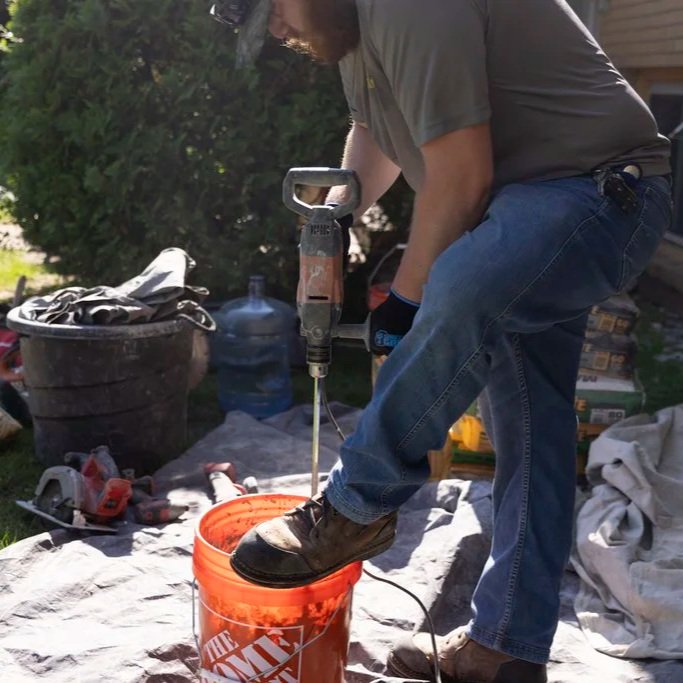
Mortar isn’t just the glue that holds your bricks together—it’s the character line that gives your chimney its shape and sharpness.
When Mortar Crumbles, Charm Goes With It
There’s something deeply satisfying about the crisp, clean look of a well-built chimney. But when mortar joints start looking more like a crumb cake than a construction detail, that charm disappears fast. Mortar isn’t just the glue that holds your bricks together—it’s the character line that gives your chimney its shape and sharpness. And when it fails, it takes the whole look down with it.
Tuckpointing steps in like a makeover crew for tired brickwork. It’s the process of removing deteriorated mortar and replacing it with fresh material that restores strength and revives the original style. It’s meticulous work, and it pays off with lines so clean they make neighboring chimneys jealous.
What Causes Mortar to Wave the White Flag
Mortar has a hard job. It battles the sun, wind, rain, and whatever winter decides to throw its way. Over time, moisture works its way in, freezes, expands, and breaks things apart from the inside. Mortar dries, shrinks, and eventually crumbles. Bricks might still be standing tall, but the joints between them start to look like they’ve seen a few too many seasons.
In older chimneys, softer lime-based mortars were the norm. While great for historic charm, they don’t hold up the same way modern mixes do. Tuckpointing doesn’t just restore—it updates. The new mortar is matched in color and texture but built to outlast the original.
How Tuckpointing Gives Strength a Style Boost
Tuckpointing is about more than structural integrity. Yes, it reinforces weakened walls and protects against water infiltration. But it’s also the secret behind a chimney that looks sharp from every angle. That uniform, well-defined line between bricks? That’s the sign of a chimney that’s been properly tucked, not patched with guesswork.
Color matching plays a starring role. Professionals don’t just slap on gray and call it a day. They analyze the shade, tone, and grit of the original mortar and create a custom blend that disappears into the wall like it was never replaced. The result is seamless and stylish, not obvious and awkward.
The Process, Minus the Mess
Chimney tuckpointing might sound like it involves clouds of dust and piles of bricks, but a trained team handles it with finesse. First, they inspect the mortar to identify weak points—those flaky, powdery joints that need attention. Then they grind out the damaged sections to make room for new material. There’s no guessing involved, just steady, careful removal.
The new mortar is pressed in by hand, layer by layer, using techniques that lock it in tight without disturbing the surrounding bricks. Once the joints are refilled and tooled for a clean finish, the chimney receives a fresh look without the chaos of a rebuild.
When Tuckpointing Makes More Sense Than Rebuilding
Not every chimney needs a full teardown. If the bricks are solid but the joints are crumbling, tuckpointing offers a smarter solution. It preserves as much of the original structure as possible while stopping deterioration in its tracks. It’s cost-effective, faster to complete, and less invasive—especially for homeowners who love the history and charm of their current setup.
Professionals know where to draw the line between saving and starting over. A thorough inspection can reveal whether the chimney is just suffering from joint fatigue or if deeper structural issues are at play. When tuckpointing is the answer, it’s often all that’s needed to bring life back into your chimney.
Why DIY Tuckpointing Is a Risky Business
Mortar might look like glorified mud, but it behaves more like science. The wrong type can damage bricks, lead to cracking, or create color blotches that ruin the appearance of the entire structure. Sloppy workmanship results in joints that fail fast, allowing water to sneak in and undo all the effort.
Professional tuckpointers have an eye for detail and the tools to match. They work cleanly, match textures, and blend repairs so well they’re practically invisible. It’s not just about filling gaps—it’s about doing it with style, strength, and lasting value.
Water Intrusion and How Tuckpointing Blocks It
One of the biggest threats to any chimney is water. Once it reaches into compromised joints, it doesn’t politely sit still. It soaks, spreads, and eats away at mortar from the inside. Over time, it can lead to interior leaks, damaged flues, and stained walls that require more than a paint job to fix.
Tuckpointing seals those weak spots before water has a chance to throw a party. It restores the waterproof barrier around your brickwork and redirects moisture where it belongs—away from your home’s interior. It’s like fitting your chimney with a weatherproof coat stitched with pride.
Tuckpointing for Historic and Modern Homes
The beauty of tuckpointing is its flexibility. Whether it’s an 1890s brick chimney with antique mortar or a sleek contemporary setup with uniform blocks, the technique adapts to fit the age, material, and architectural style of the structure. For historic homes, the mortar mix might include specific lime-to-sand ratios that keep the bricks breathing the way they were designed to.
Modern homes benefit from advanced materials that offer better bonding, weather resistance, and cleaner finishes. Either way, the goal is the same: to protect the structure while restoring the sharp, crisp lines that make brickwork shine.
The Role of Expansion Joints in Keeping Things Together
One of the lesser-known heroes of chimney preservation is the expansion joint. Bricks move, even if they do it quietly. They swell in summer, contract in winter, and if the joints between them don’t allow for that, cracks start forming like fault lines.
Tuckpointing often includes the installation or repair of these subtle but vital joints. They allow the structure to flex without losing shape. That means fewer cracks, longer-lasting mortar, and a chimney that can ride out a full four seasons without throwing a fit.
When to Call In the Tuckpointing Team
If you notice sand or grit around your chimney’s base, cracks forming along mortar lines, or entire joints flaking away with the brush of a finger, it’s time to call in the pros. Discoloration, moss growth, or moisture on interior walls can also be signs that water has found a backdoor in.
An early call leads to less work and a better outcome. Waiting too long allows damage to spread—and what could have been a tidy tuckpointing job can escalate into a full-scale rebuild. Chimney issues rarely fix themselves, but they respond well to early attention.
Keeping That Fresh Look Going Strong
Once a chimney has been tuckpointed, maintenance plays a big role in keeping it looking sharp. That includes periodic inspections, clearing out moss or algae, and checking that flashing and chimney caps are still doing their jobs. Professionals may also apply a breathable sealant that helps repel water without trapping moisture inside.
Think of tuckpointing as a reset button. Once those joints are restored, the entire system is more stable, more weather-resistant, and definitely more camera-ready.
The ROI of a Clean Finish
A tuckpointed chimney doesn’t just hold up better—it shows better, too. For homeowners thinking about resale, curb appeal makes a massive difference. Buyers notice the details. Clean joints, straight lines, and uniform coloring speak volumes about how the home has been cared for.
And for those not looking to sell anytime soon, there’s the everyday joy of looking up at your home and seeing craftsmanship you can be proud of. It’s the kind of investment that’s both practical and pleasing.
The Final Word on Fresh Mortar and Solid Style
Tuckpointing might not be glamorous, but it’s the quiet craftsman behind every good-looking brick chimney. It’s the difference between “eh” and “wow,” between falling apart and standing tall. When done professionally, it becomes one of the best things you can do to preserve your chimney and boost your home’s personality.
Old mortar might have lost its grip, but there’s no reason your chimney has to. With fresh material and expert technique, it can look—and perform—better than it ever did before.
Trust Golden Stone Masonry in St. Paul, MN, for professional chimney repair, foundation masonry repair, tuckpointing & mortar joint repair, and brick repair & restoration services. Our team works hard to restore strength and prevent moisture intrusion. Ours is a licensed and insured company offering a 10-year warranty. Get your free estimate today.
