
Common Causes of Chimney Leaks in Minnesota
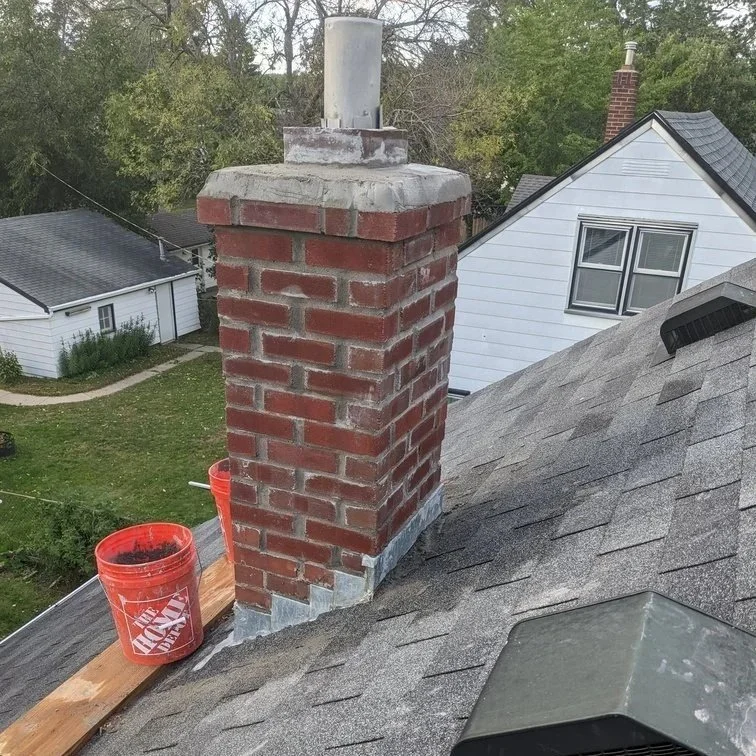
Chimney leaks in Minnesota often result from harsh winters, ice, and freeze-thaw cycles, leading to costly water damage.
Understanding Chimney Leaks in Minnesota’s Climate
Chimney leaks are one of the most common chimney-related problems Minnesota homeowners deal with, and the reason is simple. Chimneys are fully exposed to the elements year-round, and Minnesota delivers some of the most demanding weather conditions in the country. Long winters, deep snow, repeated freeze-thaw cycles, wind-driven rain, and rapid temperature swings all work against chimney materials.
Unlike siding or roofing that may be partially protected, chimneys stand tall and absorb the full impact of moisture and temperature extremes. Even small gaps or cracks can allow water inside, and once moisture gets into masonry or metal components, it rarely stays contained. Over time, leaks lead to structural damage, mold growth, and safety concerns that extend far beyond cosmetic staining.
Understanding why chimney leaks happen so frequently in Minnesota helps homeowners act sooner, ask better questions, and work more effectively with chimney professionals. Leaks rarely resolve on their own, and the longer they go unnoticed, the more expensive and disruptive repairs tend to become.
How Minnesota Weather Makes Chimneys Vulnerable
Minnesota’s climate accelerates chimney deterioration in several ways. During winter, water seeps into tiny cracks in brick, mortar, crowns, or flashing. When temperatures drop, that water freezes and expands, widening the cracks. When it thaws, more water enters. This freeze-thaw cycle can repeat dozens of times in a single season, steadily breaking materials apart from the inside.
Heavy snow loads keep masonry wet for long periods, especially during spring thaws. Wind-driven rain forces water into weak points around flashing and caps. Seasonal temperature differences between warm indoor air and cold outdoor surfaces also create condensation inside chimney systems, particularly in unused or poorly insulated chimneys.
Because of these conditions, chimneys in Minnesota require more detailed design, more durable materials, and more frequent inspections than those in milder climates. Small construction flaws that might never cause issues elsewhere can become serious leak sources here.
Why Chimney Leaks Are a Safety Issue
Water intrusion affects far more than appearance. Saturated masonry weakens mortar joints, loosens bricks, and can compromise the chimney’s structural stability. Over time, this increases the risk of collapse or fire hazards when high heat meets damaged materials.
Inside the home, chimney leaks can cause mold growth, musty odors, and stained ceilings or walls. Metal components like dampers, fireboxes, and liners corrode when exposed to moisture. Leaks can also affect how combustion gases vent, increasing the risk of smoke or carbon monoxide entering living spaces. Chimney leaks should always be treated as structural and safety concerns, not just maintenance issues.
Chimney Crown Damage
The chimney crown sits at the very top of the chimney and seals the brickwork below while directing water away from the structure. In Minnesota, crowns endure extreme stress from sun, freezing temperatures, ice buildup, and standing snow. Poor original construction, thin concrete, or a lack of overhang accelerate failure.
Small cracks in a crown allow water in. Once that water freezes, cracks expand rapidly. Over time, crowns spall, break apart, or allow large volumes of water into the chimney. Water entering through the crown often travels downward and appears as damp fireboxes, attic stains, or interior wall damage.
Homeowners may notice cracked or crumbling edges, exposed reinforcement, or crowns that hold puddles. Interior signs include damp smells, efflorescence on brick, or water stains above the fireplace. Early repairs using professional-grade crown coatings can help when damage is minor, but severely deteriorated crowns usually require rebuilding to restore proper slope and protection.
Failed or Improper Chimney Flashing
Flashing seals the joint where the chimney meets the roof, one of the most vulnerable areas of the home. Proper flashing uses both step flashing and counterflashing to allow movement while keeping water out. In Minnesota, flashing must withstand snow buildup, ice dams, and repeated freeze-thaw cycles.
Common problems include missing counterflashing, reliance on caulk alone, rusted metal, or flashing disturbed during roof replacements. These shortcuts often fail after a few seasons of harsh weather. Leaks from flashing typically appear as ceiling stains, damp attic insulation, or musty odors near the chimney.
Professional flashing repairs usually involve removing failed materials and installing new step and counterflashing properly integrated with the roofing system. Surface patching with tar or sealant is almost always temporary and unreliable in cold climates.
Missing or Damaged Chimney Caps
A chimney cap covers the flue opening and keeps rain, snow, animals, and debris out. Without a cap, precipitation falls directly into the flue and runs down into the firebox or masonry. Over time, this causes rust, internal saturation, and accelerated deterioration.
In Minnesota, caps must also withstand snow loads, ice movement, and high winds. Rusted, bent, undersized, or poorly secured caps allow water to bypass protection. Signs include water pooling in the firebox, rust streaks, or visible moisture inside the flue.
Durable materials like stainless steel or copper perform best in Minnesota’s climate. Regular inspection and timely replacement of damaged caps prevent significant water damage at relatively low cost.
Porous Brick and Mortar Deterioration
Brick and mortar naturally absorb water, but Minnesota’s climate pushes them beyond what they can safely handle. Snow accumulation and slow spring thaws keep masonry wet for extended periods. Freeze-thaw cycles then cause bricks to spall and mortar joints to crumble.
Spalling bricks flake or break apart, while deteriorated mortar creates gaps that admit even more water. Homeowners may notice missing brick faces, crumbling joints, or piles of brick debris near the chimney base. Left unaddressed, this damage compromises both leak resistance and structural safety.
Proper repairs include repointing mortar joints with compatible materials, replacing damaged bricks, and applying breathable waterproofing to sound masonry. Non-breathable sealers or paints often trap moisture, worsening freeze-thaw damage.
Chimney Liner Problems and Condensation
Older Minnesota homes often have clay tile liners that crack, shift, or separate over time. These gaps allow moisture and acidic combustion byproducts to penetrate masonry. Metal liners can corrode if exposed to excessive moisture or condensation.
Condensation is a frequent issue in cold climates. Warm exhaust gases meet cold flue walls, creating moisture that runs down inside the chimney. Symptoms include sour odors, rusted dampers, damp fireboxes, and visible moisture inside the flue. Condensation problems are often mistaken for rain leaks.
Repair options include relining with properly sized, insulated stainless steel liners that improve draft, reduce condensation, and create a continuous moisture barrier. Liner repairs are critical for both leak control and safety.
Ice Dams and Chimney Roof Intersections
Chimneys create warm roof zones that accelerate snowmelt. Meltwater refreezes at colder edges, forming ice dams that trap water. This water backs up under shingles and flashing, often leaking near chimneys, even when the chimney itself is sound.
Leaks caused by ice dams can travel laterally along roof decks and framing, making diagnosis difficult. Addressing these issues often requires improving attic insulation, sealing air leaks, upgrading underlayment near chimneys, and ensuring flashing details are correct. Roofers and chimney professionals often need to coordinate repairs.
Chimney Shoulders, Sidewalls, and Transitions
Chimney shoulders and sidewalls are common weak points, especially where rooflines, valleys, or siding meet masonry. Poor slope, missing flashing, or design flaws allow snow and water to collect and penetrate laterally.
Homeowners may see localized ceiling stains, peeling paint, or damp masonry even when the chimney top looks intact. Repairs often involve reshaping shoulders, adding proper flashing, and integrating repairs with surrounding roofing or siding systems.
Chimney Chase Covers on Prefab Systems
Prefab chimneys use metal chase covers instead of masonry crowns. Builder-grade galvanized covers often rust through quickly in Minnesota. Flat or poorly sloped covers allow standing water to leak into the wooden chase below.
Signs include interior ceiling stains, rust streaks on siding, or visible corrosion on the cover. Upgrading to stainless steel chase covers with proper slope and sealing dramatically improves durability and leak resistance.
Misdiagnosed Moisture Problems
Not all moisture near chimneys is caused by leaks. Poor attic ventilation can cause condensation that mimics roof or chimney leaks. Plumbing or HVAC condensation near chimneys can also confuse diagnosis.
Professionals use attic inspections, moisture meters, and staged water testing to identify true sources. Accurate diagnosis prevents wasted repairs and escalating damage.
Gutters and Water Management
Overflowing or ice-filled gutters dump water onto chimneys and nearby walls. In Minnesota, frozen gutters worsen water exposure during thaws. Keeping gutters clean, properly pitched, and directing water away from the chimney reduces leak risk and supports chimney repairs.
Inspection and Prevention
Minnesota homeowners should have chimneys inspected annually. Inspections catch early signs of crown cracking, flashing separation, masonry deterioration, and condensation issues before major damage occurs. Simple homeowner monitoring between inspections helps catch problems early.
Protecting Minnesota Homes from Chimney Leaks
Chimney leaks in Minnesota usually result from multiple interacting issues rather than a single failure. Weather-driven deterioration, aging materials, design flaws, and water-management problems combine to create persistent moisture intrusion. Minnesota’s climate magnifies even minor defects into serious problems over time.
Regular inspections, timely repairs, durable materials, and coordinated work between chimney, roofing, and exterior professionals are the most effective ways to prevent leaks. By understanding common causes and acting early, Minnesota homeowners can protect their chimneys, maintain safe heating systems, and avoid costly water damage.
Golden Stones Masonry is a licensed and insured expert, offering chimney repair, chimney rebuild, and foundation masonry repair solutions to St. Paul, MN, residents. Our professionals deliver reliable and long-lasting results that come with a 10-year warranty. We take pride in our transparent process and fair and honest pricing. Call now to book a service appointment.
