
How to Ensure Fireplace and Chimney Safety in St. Paul, MN
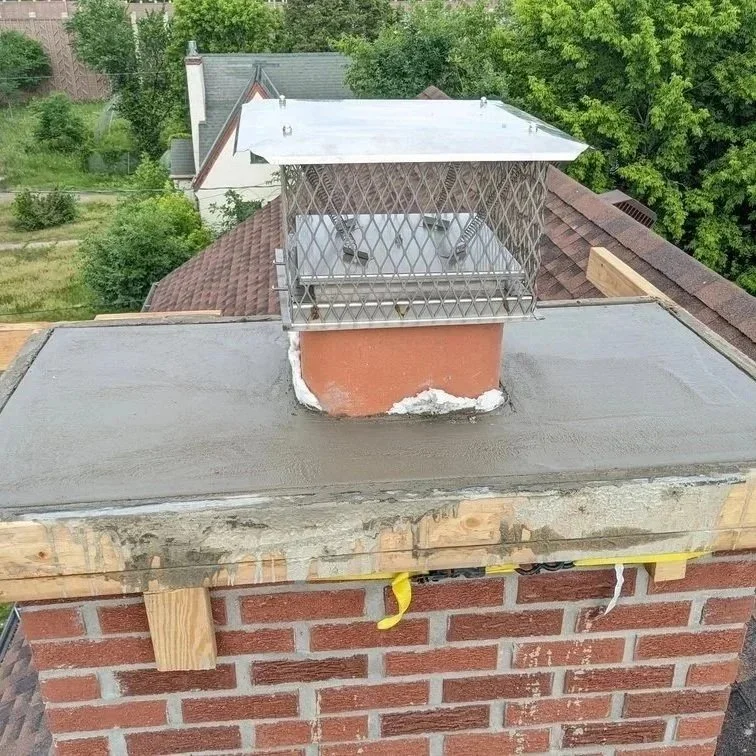
Regular chimney inspections and fireplace maintenance protect St. Paul homes from fires, smoke damage, and carbon monoxide hazards.
Understanding Fireplace and Chimney Safety in St. Paul, MN
Why Fireplace Safety Matters in a Cold-Weather City
Fireplace and chimney safety carries extra weight in a city like St. Paul, where winter is long, cold, and often unforgiving. Many homes rely on fireplaces, wood stoves, or supplemental heating appliances for months at a time. That increased use means greater stress on the chimney system and more opportunities for problems such as creosote buildup, carbon monoxide intrusion, and structural wear. In Minnesota’s climate, minor issues rarely stay small for long. Freeze-thaw cycles, moisture, and sustained heat can turn a minor crack or blockage into a serious safety hazard in a single season.
Neglected fireplace safety can have real consequences. Chimney fires can spread into walls or attics, smoke damage can linger long after an incident, and carbon monoxide exposure can cause serious health problems or worse. Structural damage from moisture intrusion often leads to costly emergency repairs. Fireplace safety is not just about staying warm or cozy; it is about protecting your home, your family, and a significant financial investment. With the right knowledge and routine care, most of these risks are preventable.
Common Fireplace and Chimney Types in St. Paul Homes
St. Paul homes feature a wide range of fireplace and chimney systems. Many older and historic houses still have traditional masonry fireplaces with brick chimneys. Newer homes often use prefabricated, factory-built fireplaces with metal flue systems. Wood-burning inserts, gas fireplaces, and pellet stoves are also common upgrades, especially for homeowners seeking better efficiency or convenience.
Each system has its own safety considerations. Masonry chimneys are durable but vulnerable to moisture and liner deterioration. Factory-built systems rely on specific components that must remain intact and properly installed. Gas units eliminate creosote but introduce venting and combustion risks if not maintained. Knowing exactly what type of fireplace and chimney you have is essential before planning maintenance or upgrades. Clues like a visible metal chimney, glass-fronted units, gas lines, or a brick firebox can help identify your setup, but when in doubt, a professional inspection provides clarity.
Key Risks: Chimney Fires, Carbon Monoxide, and Structural Damage
The three biggest fireplace and chimney risks are chimney fires, carbon monoxide exposure, and structural deterioration. Chimney fires typically start when creosote, a flammable byproduct of wood burning, builds up inside the flue and ignites. Carbon monoxide problems develop when exhaust gases are not vented properly, often due to blockages, damaged liners, or poor draft. Structural damage usually stems from moisture entering the chimney, leading to spalling bricks, cracked mortar, and compromised flue liners.
These dangers often develop quietly. Warning signs include loud popping or roaring noises during fires, soot stains, smoke backing into the room, unexplained headaches or nausea, and visible brick deterioration outside. Understanding these risks helps homeowners recognize why annual inspections, timely repairs, and safe daily use matter so much in St. Paul’s climate.
How Minnesota’s Climate Affects Fireplace and Chimney Safety
St. Paul’s extreme temperature swings are tough on chimneys. Water seeps into tiny cracks, freezes, expands, and slowly breaks masonry apart. Snow and ice add weight and stress chimney caps, crowns, and flashing. Over time, these forces loosen bricks, widen cracks, and allow even more moisture inside.
Cold air also affects draft. An uninsulated or exterior chimney can remain cold, making it harder for smoke to rise and increasing the risk of smoke entering the home. Strong winter winds and very dry indoor air further complicate combustion and airflow. These climate realities make preventive maintenance and proper weatherproofing especially important for safe, reliable fireplace operation in St. Paul.
Local Codes and Regulations in St. Paul, MN
Fireplaces and chimneys in St. Paul must meet Minnesota State Building Code requirements and often NFPA standards. Permits may be required for new installations, relining, conversions, or major repairs. Codes address clearances to combustibles, venting requirements for gas appliances, chimney liner standards, and carbon monoxide detector placement.
Homeowners should confirm current requirements with the city, the local fire marshal, or a certified chimney professional. Code compliance is not optional. It protects safety, ensures legal use, and avoids problems with insurance claims or home sales.
Scheduling and Preparing for Annual Chimney Inspections
Why Annual Inspections Are Non-Negotiable
Annual chimney inspections are recommended by the NFPA and CSIA regardless of how often you use your fireplace. Inspections catch hidden problems such as creosote buildup, liner damage, blockages, moisture intrusion, and animal nests before they become dangerous.
In St. Paul, annual inspections are especially important because winter use is heavy and weather conditions are harsh. An inspection is far less expensive than repairing fire damage or rebuilding a chimney after years of neglect.
Choosing a Qualified Chimney Professional in St. Paul
Look for certified professionals with CSIA or NFI credentials, proper licensing, and insurance. Local experience matters. A chimney professional familiar with St. Paul homes understands common masonry failures, ice-related damage, and regional code expectations. Reviews, references, and clear explanations of what an inspection includes are good indicators of quality service.
What to Expect During a Professional Chimney Inspection
A professional inspection includes checking the firebox, damper, flue, exterior masonry, crown, cap, and flashing. Inspectors follow NFPA inspection levels, with Level 1 covering routine maintenance and higher levels used when changes or damage are suspected. Many inspectors use cameras to view the flue interior.
You should receive a written report with photos and clear recommendations. A thorough inspection explains what needs attention now versus what can be monitored.
Cleaning and Creosote Control for Safer Burning
Creosote is a sticky, tar-like substance produced by incomplete wood combustion. As it builds up, it becomes increasingly flammable. Burning unseasoned wood, restricting airflow, and low flue temperatures all increase creosote formation, common conditions during long St. Paul winters.
Chimneys should be cleaned when creosote reaches about 1/8 inch or at least annually for regular users. Heavy-use systems may need more frequent cleaning. While homeowners can safely remove ashes and clean glass, flue cleaning is best left to professionals with the right tools and training.
Ashes should always be handled carefully. Use metal tools and containers, store ashes outside on non-combustible surfaces, and never assume they are cold right away. Improper ash disposal is a common cause of house fires.
Fuel Choices and Safe Operation
Burn only seasoned hardwoods, such as oak or maple. Wet or green wood creates excess smoke and creosote. Never burn treated lumber, trash, cardboard, or plastics. Manufactured logs and fire starters should be used only as directed.
Gas and pellet systems reduce creosote but require their own maintenance. Gas fireplaces still produce carbon monoxide and need proper venting and inspections. Pellet stoves rely on mechanical components that must be kept clean and in good working order.
Daily Use and Child Safety
Start fires gradually, keep them controlled, and never leave them unattended. Use fireplace screens or glass doors properly, and be mindful that glass and metal surfaces remain hot long after the flames die down. Establish a safe zone around the hearth, especially in homes with children or pets, and use gates or guards when needed.
Smoke alarms, carbon monoxide detectors, fire extinguishers, and a practiced escape plan are essential components of fireplace safety. Fireplaces should be considered part of the home’s overall fire preparedness strategy.
Chimney Structure and Moisture Management
A safe chimney relies on sound masonry, an intact liner, a properly built crown, a secure cap, and effective flashing. Moisture is the enemy of all these components. Signs like spalling bricks, white staining, rust streaks, or interior wall discoloration indicate water problems that should be addressed promptly.
Waterproofing, cap installation, flashing repair, and timely masonry work all help prevent long-term structural damage and safety issues.
Ventilation, Draft, and Carbon Monoxide Safety
Proper draft keeps smoke and gases moving out of the home. Back-drafting occurs when exhaust flows into living spaces instead, often due to blockages, cold flues, or negative indoor pressure from exhaust fans.
Carbon monoxide detectors should be installed on every level of the home and near sleeping areas. Symptoms of CO exposure include headaches, dizziness, and nausea. If these occur, leave the home immediately and seek help.
Tight homes may need additional combustion air. Opening a window slightly or installing dedicated air supply solutions can improve safety and performance.
Seasonal Maintenance in St. Paul
Before winter, schedule inspections, test alarms, and check visible chimney components. During winter, monitor draft and creosote buildup. After the season, clean the firebox, remove ashes, and address repairs when weather and contractor availability are better.
Year-round attention prevents moisture problems, odors, and pest intrusion during off-season months.
Repairs, Upgrades, and When to Call a Professional
Stop using the fireplace immediately if you notice loud cracking sounds, strong smoke odors, falling debris, water leaks, or soot stains. Common St. Paul repairs include tuckpointing, liner replacement, crown repair, and cap installation. Efficiency upgrades, such as inserts or liners, can also improve safety when installed correctly.
Conversions from wood to gas should always involve licensed professionals and proper permitting.
Conclusion: Making Fireplace and Chimney Safety a Year-Round Priority
Fireplace and chimney safety in St. Paul, MN, depends on regular inspections, proper cleaning, smart fuel choices, and safe daily habits. The region’s harsh winters and freeze-thaw cycles demand extra attention to moisture control, structural integrity, and creosote management. Safety is not a one-time task but an ongoing routine that protects your home and family.
With seasonal planning, professional support, and consistent care, a fireplace can remain a safe, efficient, and welcoming feature of your St. Paul home for many winters to come.
Fireplace & Chimney FAQs in St. Paul
At least once a year, with more frequent cleaning for heavily used systems.
Smoke backup, strong odors, visible masonry damage, falling debris, or unusual noises during fires.
Both can be safe when properly installed and maintained. Each has different risks and maintenance needs.
Yes, if it is properly inspected and maintained, but never improvise unsafe heating methods indoors.
Trust Golden Stone Masonry in St. Paul, MN, for professional chimney repair, foundation masonry repair, tuckpointing & mortar joint repair, and brick repair & restoration services. Our team works hard to restore strength and prevent moisture intrusion. Ours is a licensed and insured company offering a 10-year warranty. Get your free estimate today.
