
Benefits of Upgrading to a Stainless Steel Chimney Liner in St. Paul
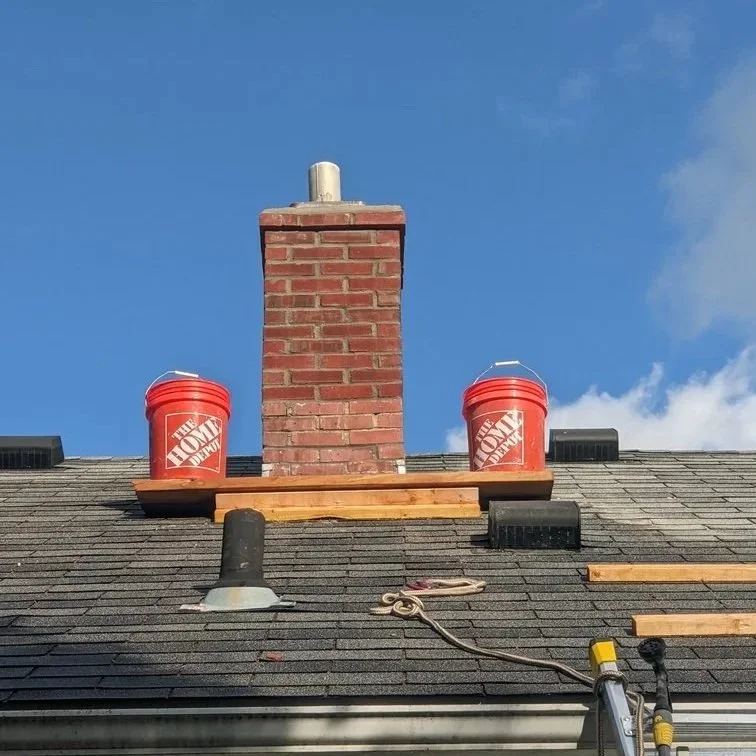
Upgrading to a stainless steel chimney liner ensures safer, cleaner fires while enhancing efficiency and protecting St. Paul homes.
Introduction: Why Chimney Liners Matter in St. Paul Homes
A chimney liner is one of those home components most people never see, yet it plays a critical role in keeping a house safe and comfortable. Inside the chimney, the liner forms a protective channel that carries smoke, exhaust gases, and combustion byproducts from a fireplace, stove, or furnace safely out of the home. In many older St. Paul houses, chimneys were built decades ago with clay liners that have since cracked, deteriorated, or, in some cases, were never properly lined. That makes the question of upgrading especially relevant for homeowners today.
When a liner is working correctly, everyday use improves in noticeable ways. Fires burn cleaner, draft is more consistent, odors are reduced, and smoke is far less likely to spill back into the room. Indoor air quality benefits as well, since combustion byproducts are directed out instead of leaking into walls or living spaces. Over time, stainless steel has become the leading material choice for upgrades because it combines durability, safety, and modern code compliance that older materials often cannot match.
Unique Challenges of Chimneys in St. Paul’s Climate
St. Paul’s climate is demanding on chimneys. Long, cold winters mean heating appliances run for months at a time. Freeze-thaw cycles force moisture in masonry to expand and contract, causing bricks and mortar to crack. Periods of high humidity followed by deep freezes accelerate deterioration. This places constant stress on chimney structures, especially those built long before modern materials and standards were common. The liner acts as the first line of defense, protecting the chimney itself from heat, moisture, and corrosive exhaust.
Stainless steel performs particularly well under these conditions. It resists corrosion from acidic condensation and tolerates rapid temperature changes without cracking or spalling. In a climate like St. Paul’s, this resilience translates directly into a longer-lasting chimney system and fewer major repairs over time. Upgrading the liner is often one of the most effective ways to extend the life of the chimney while reducing future maintenance headaches.
Overview of the Benefits You’ll Learn in This Guide
Upgrading to a stainless steel chimney liner offers several clear advantages. Safety improves through better containment of heat and combustion gases, including carbon monoxide. Heating efficiency increases as draft stabilizes and appliances operate closer to their intended performance. Long-term maintenance costs often drop, and code compliance becomes easier, especially during inspections or home sales in St. Paul.
This article is meant as a practical guide for homeowners considering an upgrade, whether prompted by a failing inspection, an appliance replacement, or ongoing chimney problems. The goal is to explain not only why stainless steel liners are beneficial, but also how the upgrade process works and what decisions matter most along the way.
Who Should Consider Upgrading Their Chimney Liner
Many St. Paul homeowners are good candidates for a stainless steel liner upgrade. Older masonry homes, properties converting from oil to gas, households adding a wood stove or fireplace insert, and anyone dealing with draft issues or smoke backup all fall into this category. These situations often expose weaknesses in older liner systems that may have gone unnoticed for years.
Warning signs include crumbling clay tiles, pieces of liner found in the firebox, water staining around the chimney, persistent odors, or a failed home inspection citing flue damage. Even when a chimney appears to be functioning, an upgrade can still deliver safety and efficiency benefits that justify the investment, especially in homes that rely heavily on heating throughout winter.
Understanding Chimney Liners: Basics Every St. Paul Homeowner Should Know
There are three main liner categories: clay tile, metal, and cast-in-place. Clay tiles were once standard but are prone to cracking in freeze-thaw climates and are difficult to repair once damaged. Cast-in-place liners use poured materials to create a new flue and reinforce masonry, but they are specialized and often more expensive.
Metal liners include aluminum and stainless steel. Aluminum is limited to certain low-temperature gas applications and is generally not ideal for Minnesota’s climate. Stainless steel, by contrast, is compatible with a wide range of fuels and is considered the modern standard for durability and long-term performance.
A liner protects the home in three key ways. It contains heat and sparks, directs combustion gases safely outside, and shields chimney masonry from corrosive byproducts. When a liner fails, heat can reach surrounding framing, gases can leak into living spaces, and masonry can slowly deteriorate from the inside. A properly functioning liner provides peace of mind similar to good electrical insulation or sound plumbing.
Different appliances place different demands on liners. Open fireplaces, wood stoves, gas inserts, and furnaces all require specific venting solutions. Stainless steel liners are adaptable enough to meet these varied requirements, which is why they are so commonly recommended during appliance upgrades in St. Paul.
Local codes and insurance expectations also matter. Minnesota follows national standards such as NFPA 211, and insurers may flag unlined or damaged chimneys as risks. A stainless steel liner often simplifies compliance, supports insurance coverage, and helps avoid complications during resale inspections.
Why Stainless Steel? Key Advantages Over Other Materials
Stainless steel is exceptionally durable. Unlike clay, it does not crack from thermal shock or spall under freeze-thaw stress. High-quality stainless liners often come with extended warranties and can last decades when properly installed and maintained. For St. Paul homeowners, that durability means fewer disruptive repairs during years of heavy winter use.
Corrosion resistance is another major benefit. Gas and oil exhaust contains moisture and acids that quickly attack masonry and lesser metals. Stainless steel’s alloy composition resists this corrosion, even in chimneys where condensation is common due to cold exterior walls.
Modern appliances benefit from stainless steel’s precise sizing options. Liners can be matched precisely to appliance requirements, improving draft and reducing condensation. This is especially important for high-efficiency gas systems that produce cooler exhaust.
Stainless steel is also lighter and easier to retrofit than rebuilding clay liners. Flexible versions can navigate older, offset chimneys common in historic St. Paul neighborhoods, allowing upgrades without major demolition. Many systems are UL-listed and tested, providing documented safety performance that inspectors and insurers recognize.
Enhanced Fire Safety and Peace of Mind
Chimney fires occur when creosote ignites in the flue, leading to extreme temperatures. Cracked clay liners and unlined chimneys allow that heat to reach the surrounding framing. A continuous stainless steel liner creates a sealed, smooth pathway that reduces creosote buildup and better contains high heat events.
Insulation further improves safety by keeping flue gases hot, reducing creosote formation, and protecting nearby materials. Improved draft also means cleaner startups, fewer smoky odors, and less back-puffing. For families who rely on their fireplaces or stoves throughout winter, this translates into real peace of mind.
Better Heating Efficiency and Comfort
Proper liner sizing improves draft and combustion efficiency. Oversized or damaged flues waste heat and fuel. Stainless steel liners reduce heat loss up the chimney, keeping more warmth inside the home. Over long St. Paul winters, these gains can add up to noticeable comfort improvements and lower utility costs.
Cleaner combustion also means less soot and fewer odors. Many homeowners notice easier fire-starting, more consistent flames, and less staining around fireplace openings after upgrading to a stainless liner.
Protection Against Moisture and Masonry Damage
Moisture enters chimneys through rain, snow, and condensation. Freeze-thaw cycles then break down bricks and mortar. A stainless steel liner reduces condensation inside the flue and creates a barrier between acidic byproducts and masonry. Over time, this protection helps prevent costly tuckpointing or full chimney rebuilds.
By controlling moisture, liners also protect adjacent framing, insulation, and interior finishes from rot, mold, and staining. Extending chimney life often means extending the life of related roof and structural components as well.
Improved Carbon Monoxide Venting and Indoor Air Quality
Carbon monoxide is colorless, odorless, and dangerous. Poorly vented appliances allow CO to leak into living spaces, especially in older chimneys with cracks or gaps. A stainless steel liner creates a continuous, sealed path for exhaust, reducing leakage and stabilizing draft.
Better venting improves overall indoor air quality by removing smoke, particulates, and odors more effectively. While CO detectors remain essential, a modern liner is a critical part of a layered safety approach.
Cost Savings and Long-Term Value
While the upfront cost of a stainless steel liner can be significant, it often replaces years of recurring repairs and patchwork fixes. Improved efficiency can reduce fuel usage, and smoother liner surfaces typically require less frequent cleaning.
Perhaps most importantly, the upgrade reduces the risk of catastrophic events such as chimney fires or structural collapse, which can incur enormous repair costs. A documented stainless steel liner can also boost resale value by addressing a common inspection concern in St. Paul homes.
When to Upgrade and How to Choose
Visible liner damage, inspection recommendations, appliance upgrades, chronic draft issues, or post-fire evaluations all point toward the need for relining. Choosing the right system involves selecting the appropriate stainless grade, deciding between rigid and flexible liners, ensuring correct sizing, and determining whether insulation is needed.
Working with certified chimney professionals familiar with St. Paul codes and climate is essential. Proper planning, permitting, installation, and documentation ensure the upgrade delivers its full benefits.
Conclusion: Is a Stainless Steel Chimney Liner Upgrade Right for Your St. Paul Home?
Upgrading to a stainless steel chimney liner offers meaningful benefits in safety, efficiency, durability, and long-term value. In St. Paul’s harsh climate, these liners are particularly well-suited to handle freeze-thaw cycles, heavy winter use, and modern appliance demands. For homeowners dealing with aging chimneys, performance issues, or upcoming appliance upgrades, stainless steel relining is often the most comprehensive and reliable solution.
Seen as a long-term investment rather than a short-term repair, a stainless steel liner supports safer heating, better comfort, and stronger resale confidence. With proper installation and regular maintenance, it can help ensure that your chimney system serves your home reliably through many St. Paul winters ahead.
Stainless Steel Chimney Liner FAQs in St. Paul, MN
With proper installation and maintenance, high-quality stainless steel liners often last several decades and may carry long-term warranties.
Requirements vary by appliance and situation, but many modern installations effectively require a listed liner system. A local professional can confirm what applies in St. Paul.
Professional installation is strongly recommended for safety, code, and warranty reasons.
Costs vary based on chimney height, liner size, steel grade, insulation, and needed repairs. Multiple detailed quotes from local professionals provide the most accurate picture.
Golden Stones Masonry is a licensed and insured expert, offering chimney repair, chimney rebuild, and foundation masonry repair solutions to St. Paul, MN, residents. Our professionals deliver reliable and long-lasting results that come with a 10-year warranty. We take pride in our transparent process and fair and honest pricing. Call now to book a service appointment.
