
Common Fireplace Hazards and How to Avoid Them in Minnesota Homes
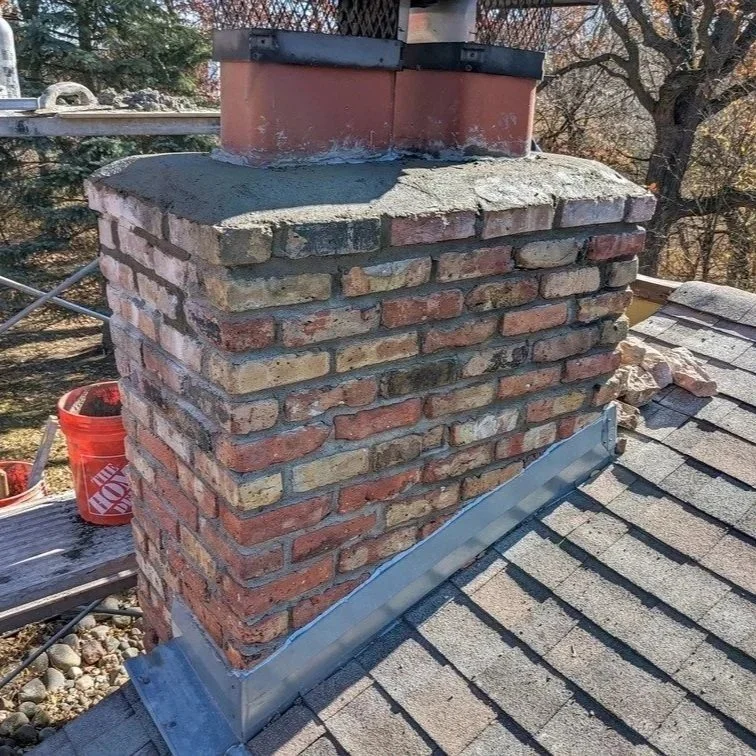
Fireplace in a Minnesota home with protective measures, showing chimney inspection and safety precautions against winter hazards.
Understanding Fireplace Risks in Minnesota Homes
Why Minnesota Homes Face Unique Fireplace Hazards
Fireplaces play a much bigger role in Minnesota homes than they do in milder climates. Long winters, subzero temperatures, and extended heating seasons mean fireplaces, wood stoves, and inserts often run hard for months at a time. That sustained use accelerates wear, increases buildup inside chimneys, and exposes weaknesses in venting, masonry, and clearances that might never surface in warmer regions.
Minnesota’s freeze-thaw cycles add another layer of risk. Moisture seeps into small cracks, freezes, expands, and slowly damages chimneys from the inside out. Many homes also rely on mixed heating systems, using fireplaces alongside furnaces or boilers, which can complicate airflow and pressure balance. Add in older housing stock, cabins used seasonally, and the temptation to burn longer and hotter during extreme cold, and you have a perfect storm for fireplace hazards. Recognizing these regional realities is the foundation of a safety plan that actually works for Minnesota homes.
Types of Fireplaces Commonly Found in Minnesota
Minnesota homes feature a wide range of fireplace systems. Traditional open masonry fireplaces are common in older houses and cabins. Factory-built fireplaces with metal chimneys are typical in newer construction. Wood stoves and inserts are popular for supplemental or primary heat, while pellet stoves offer controlled, efficient burning. Gas fireplaces and inserts appeal to homeowners seeking convenience and lower visible maintenance.
Each system comes with different risks. Open fireplaces allow sparks and embers into living spaces. Wood stoves generate intense heat that can threaten nearby combustibles if clearances are wrong. Pellet stoves depend on mechanical components and electricity. Gas fireplaces eliminate creosote but introduce risks of carbon monoxide and gas leaks. Understanding the type of system you have is essential because the hazards and prevention strategies vary.
Key Safety Standards and Codes in Minnesota
Building codes, fire codes, and national standards such as NFPA guidelines and the International Residential Code guide fireplace safety. In Minnesota, these rules are enforced locally but share common principles: proper clearances, safe venting, approved materials, and correct installation.
Even older homes should meet basic safety standards. Permits, licensed contractors, and code-compliant upgrades reduce risk and often enhance insurance coverage and resale value. Homeowners should not assume that age or past use guarantees safety. Verifying compliance is part of responsible fireplace ownership in Minnesota.
How to Assess Your Own Fireplace Risk Level
A simple self-check can help homeowners gauge risk. Consider the age of the fireplace and chimney, how often they are used, when they were last inspected, what fuel is burned, and whether smoke, odors, or draft issues have occurred. High-risk signs include never having had a professional inspection, visible cracks or staining, frequent smoke spillage, or heavy creosote buildup.
This is not a replacement for a professional inspection, but it helps prioritize action. If multiple red flags appear, stop using the fireplace until it can be evaluated. Awareness now prevents emergencies later.
Hazard #1: Creosote Buildup and Chimney Fires
Creosote is a tar-like residue formed when wood smoke cools and condenses inside the chimney. It develops in stages, from loose soot to flaky deposits to a hard, extremely flammable glaze. Cold Minnesota chimneys accelerate condensation, making creosote buildup more aggressive during winter.
When creosote ignites, chimney fires can occur. These may be loud and dramatic or slow and hidden. Either way, they can crack liners, damage masonry, and ignite surrounding materials. Signs of buildup include strong odors, poor draft, excessive soot, and visible deposits. Burning seasoned wood, maintaining adequate airflow, and avoiding smoldering fires all reduce creosote. Professional inspections and cleanings remain the most reliable defense, especially for heavily used systems.
Hazard #2: Carbon Monoxide Poisoning
Carbon monoxide is an invisible, odorless gas produced by incomplete combustion. Fireplaces, stoves, and gas appliances can all generate CO if venting fails. Cold chimneys, blockages, and negative pressure from exhaust fans can force exhaust back into the home.
Symptoms include headaches, dizziness, nausea, and confusion. CO detectors are essential on every level of the home and near sleeping areas. Alarms should be tested regularly, especially before winter. Any alarm activation or suspected exposure requires immediate evacuation and professional evaluation.
Hazard #3: Smoke Damage and Indoor Air Quality
Smoke entering the living space is more than a nuisance. It indicates poor draft, blockages, user error, or design flaws. Minnesota’s cold flues often resist draft at startup, causing initial smoke puffs. Persistent smoke suggests deeper issues.
Long-term smoke exposure affects respiratory health, particularly for children, older adults, and those with asthma or heart conditions. Cleaner-burning practices, proper fire-building techniques, and adequate airflow reduce smoke. A professional should always evaluate chronic problems.
Hazard #4: Structural Damage to Chimneys and Fireplaces
Freeze-thaw cycles, snow, and moisture cause masonry deterioration in Minnesota. Common issues include spalling bricks, cracked mortar, damaged crowns, and leaning chimneys. Water intrusion weakens structures and allows heat and gases to reach combustible framing.
Warning signs include cracks in the firebox, white exterior staining, rust streaks, and interior water damage. Protective components like caps, crowns, flashing, and waterproofing treatments play a critical role in preventing long-term damage. Structural issues should be addressed early by qualified professionals.
Hazard #5: Flammable Surroundings and Clearance Issues
Fireplaces and stoves require specific clearances from combustible materials. Furniture, rugs, curtains, décor, and firewood stacks placed too close can ignite from radiant heat or stray embers. Minnesota’s long heating season increases the risk of gradual overheating.
Maintaining a clear safety zone around the fireplace, using non-combustible hearth materials, and following manufacturer and code requirements are essential. Screens and glass doors help contain sparks, but do not eliminate clearance rules.
Hazard #6: Improper Fuel and Burning Materials
Only seasoned firewood should be burned. Wet or green wood creates smoke, creosote, and poor combustion. Treated lumber, trash, cardboard, and plastics release toxic fumes and damage chimneys.
Manufactured logs and pellets must be used according to instructions. Using the wrong fuel or mixing products increases fire and air quality risks. Planning for properly seasoned fuel is essential in Minnesota’s long winters.
Hazard #7: Faulty Dampers, Flues, and Liners
Dampers control airflow and seal the chimney when not in use. Corrosion and soot can impair proper operation, leading to smoke and energy loss. Flue liners protect the chimney and home from heat and gases. Many older Minnesota chimneys have damaged or missing liners.
Signs of flue problems include poor draft, smoke odors, and soot buildup. Repairs may involve damper replacement or relining with modern systems. These are safety-critical components that require professional attention.
Hazard #8: Gas Fireplaces and Invisible Risks
Gas fireplaces eliminate sparks and creosote but carry risks of gas leaks and carbon monoxide. Problems may arise from aging components, improper installation, or blocked vents. Vent-free units pose additional air quality concerns in tightly sealed homes.
Routine inspections, prompt response to gas odors, and professional servicing are essential. Gas systems are not maintenance-free, despite their clean appearance.
Hazard #9: Children, Pets, and Burn Injuries
Fireplace surfaces can cause severe burns within seconds. Glass fronts, metal frames, and stone surrounds retain heat long after flames are out. Safety gates, screens, and clear no-go zones help protect children and pets.
Education matters as much as barriers. Teaching family members about fireplace hazards and modeling safe behavior reduces accidents significantly.
Hazard #10: Ash Handling, Storage, and Disposal
Ashes can contain live embers days after a fire. Improper disposal causes many house and garage fires. Ashes should be removed with metal tools, stored in metal containers with tight lids, and kept outside on non-combustible surfaces.
Only fully cooled ashes should be disposed of or reused. Careful handling is a simple but critical safety practice.
Hazard #11: Neglected Inspections and DIY Repairs
Annual professional inspections identify hidden hazards that homeowners cannot see. Skipping inspections allows minor problems to become dangerous. DIY repairs often miss critical issues and may violate safety codes.
Certified chimney professionals bring training, tools, and experience specific to Minnesota conditions. Maintaining records of inspections and repairs supports insurance claims and home sales.
Hazard #12: Power Outages and Emergency Use
Winter power outages often increase fireplace use. Emergency conditions tempt homeowners to overload fireboxes or burn unsafe fuels. Fireplaces should be prepared before winter, not relied on as improvised heat sources.
Outdoor grills, ovens, and portable heaters should never be used indoors. Planning with safe fuel, working detectors, and realistic expectations prevents emergency hazards.
Creating a Year-Round Fireplace Safety Plan
Fireplace safety works best as a year-round routine. Seasonal checklists, professional inspections, smart fuel choices, and safe daily habits all play a role. Budgeting for critical upgrades and building relationships with trusted professionals make safety manageable and predictable.
Conclusion
Fireplaces are a valued part of Minnesota homes, providing warmth and comfort through long winters. That same heavy use and harsh climate also create unique hazards, including creosote, carbon monoxide, structural damage, and burn risks. These dangers are manageable when understood and addressed proactively.
By respecting fuel limits, maintaining clearances, managing ventilation and ashes carefully, and relying on qualified professionals, homeowners can enjoy their fireplaces with confidence. A thoughtful, year-round safety plan turns a potential hazard into a reliable, comforting feature of the home.
Chimney & Fireplace FAQs Minnesota
At least annually, with more frequent cleaning for heavily used wood-burning systems.
Smoke spillage, strong odors, visible cracks, loose bricks, water stains, heavy creosote, or detector alarms.
Yes, if it has been properly inspected and used correctly, but never improvise unsafe heating methods.
Both can be safe when properly installed and maintained. Each has different risks that must be managed.
Golden Stones Masonry is a licensed and insured expert, offering chimney repair, chimney rebuild, and foundation masonry repair solutions to St. Paul, MN, residents. Our professionals deliver reliable and long-lasting results that come with a 10-year warranty. We take pride in our transparent process and fair and honest pricing. Call now to book a service appointment.
