
The Role of Smoke Detectors and Carbon Monoxide Alarms with St. Paul Chimneys
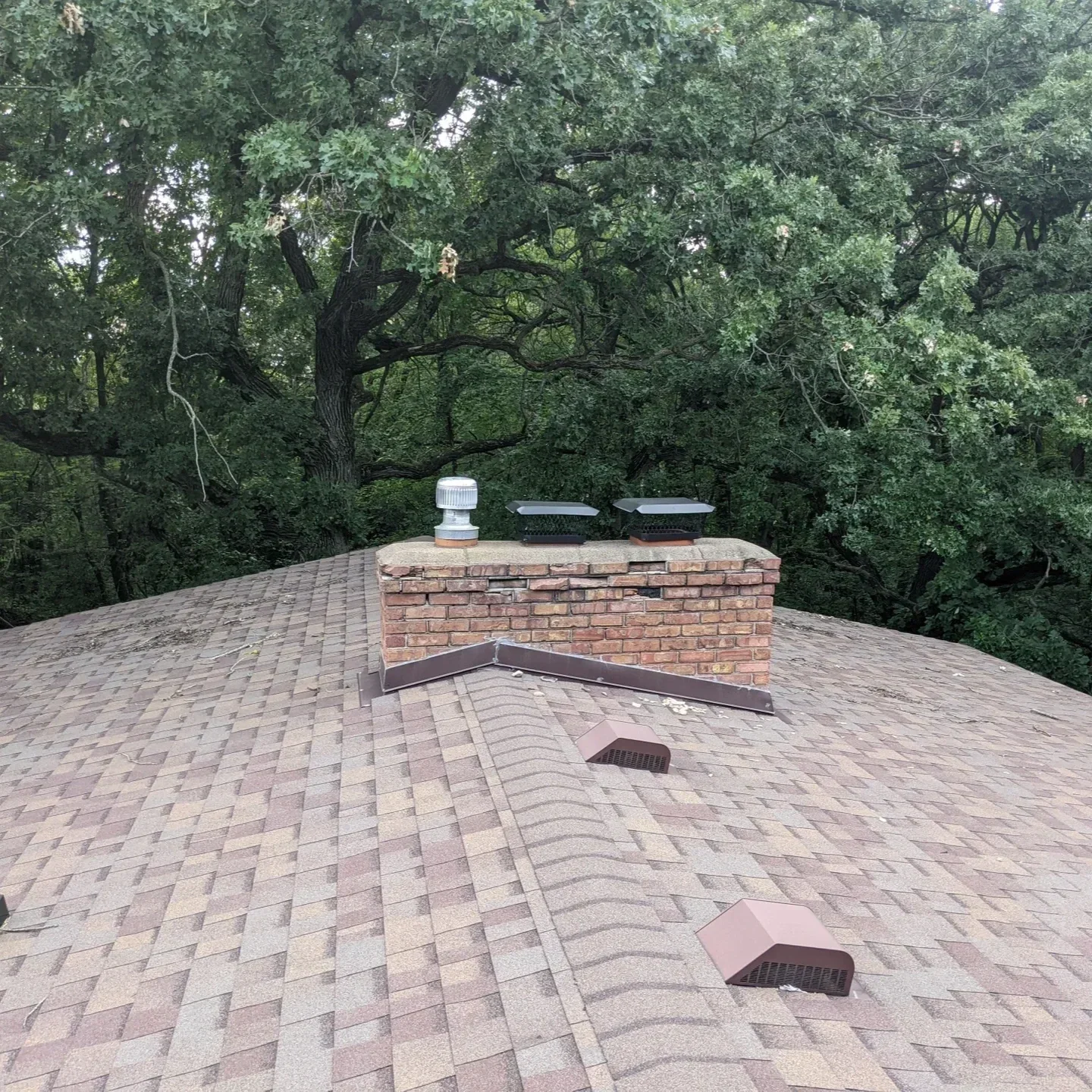
Proper smoke and carbon monoxide alarms provide critical protection in homes using chimneys, preventing fires and toxic gas exposure.
Understanding Fire and Carbon Monoxide Risks in St. Paul Homes
Why Chimney-Using Homes Face Unique Safety Challenges
Homes that rely on fireplaces, wood stoves, gas inserts, and other chimney-connected appliances face risks that all-electric homes do not. Any system that burns fuel produces smoke, heat, and combustion gases that must be safely vented out of the home. When everything works correctly, the chimney carries those byproducts outside. When something goes wrong, smoke and carbon monoxide can move back into living spaces.
In St. Paul, this risk is magnified by older housing stock and long winters. Historic homes often have aging masonry chimneys, outdated liners, or multiple appliances tied into the same flue. Fireplaces and stoves are also used more frequently and for longer periods during cold months. Small issues such as a cracked flue tile, a loose damper, or a bird nest in the chimney may not cause immediate problems but can slowly change airflow and create dangerous conditions. That is why smoke detectors and carbon monoxide alarms are not optional accessories. They are a critical second line of defense when chimney systems fail or behave unpredictably.
Common Causes of House Fires Linked to Chimneys and Heating Appliances
Many house fires connected to chimneys start with creosote buildup. As wood burns, sticky residues collect inside the flue and can ignite during a fire. Other scenarios include sparks escaping through damaged liners, embers landing on nearby combustibles, or prolonged heat transfer igniting framing materials. Improper burning practices, such as using green wood, overfiring, or burning trash, dramatically increase these risks. In St. Paul, chimney fire incidents rise during severe cold snaps, when heating systems run continuously.
Installation issues also play a role. Stoves or inserts installed without proper clearances, DIY modifications, and aging components can create hidden hazards. While regular chimney inspections and cleanings reduce risk, no system is immune to failure. Smoke detectors provide immediate warning when something goes wrong, buying time to react. True safety comes from combining well-maintained chimneys with reliable detection.
The Invisible Danger: How Carbon Monoxide Forms and Spreads
Carbon monoxide is a colorless, odorless, tasteless gas produced by incomplete combustion. Wood, natural gas, propane, and oil all generate CO under certain conditions. A fireplace, furnace, boiler, or water heater that vents through a chimney can produce dangerous CO levels if airflow is restricted, equipment is malfunctioning, or venting is improperly designed.
Once produced, CO does not stay in one place. It can move from basements or fireplace rooms into upper floors, carried by warm air and natural air currents. Bedrooms are often affected hours after the source begins producing gas. During St. Paul winters, windows stay closed, and homes are tightly sealed for energy efficiency, allowing CO to accumulate more easily. Because humans cannot detect CO, dedicated alarms are the only reliable warning system.
Local Climate and Housing Factors Specific to St. Paul
St. Paul’s climate encourages heavy use of fireplaces and heating appliances. Cold weather increases demand, while sealed homes reduce ventilation. Snow and ice can block chimney caps, and strong winter winds can cause downdrafts that push exhaust back into the house.
Housing diversity adds complexity. Older brick chimneys may suffer from deteriorated mortar or missing liners. Newer homes often use high-efficiency appliances that require more sensitive venting. Each situation affects how smoke and CO move through the home. Detector placement must account for both chimney design and local climate realities.
Health and Safety Consequences of Inadequate Detection
Smoke exposure can cause coughing, eye irritation, and breathing difficulties. Carbon monoxide exposure can lead to headaches, dizziness, confusion, nausea, loss of consciousness, and death. Children, older adults, and people with heart or lung conditions are particularly vulnerable.
Beyond health effects, late detection increases property damage, medical costs, and emotional trauma. Working smoke detectors and CO alarms are among the most effective and affordable safety measures available. When paired with proper chimney care, they drastically reduce fatalities and severe injuries.
Types of Smoke Detectors: Choosing the Right Technology
Ionization vs. Photoelectric Smoke Detectors
Ionization detectors react quickly to fast-flaming fires, while photoelectric detectors respond better to smoldering, smoky fires often associated with furniture or chimney-related events. Many fireplace incidents begin as slow, smoky problems rather than explosive flames.
For this reason, photoelectric or dual-sensor detectors are often recommended near fireplaces and stoves. Using a combination of technologies provides broader protection, and local fire departments or chimney professionals can help tailor choices to specific layouts.
Hardwired vs. Battery-Operated Systems
Hardwired smoke detectors connect to household power and usually include battery backup. They are reliable and often required in new construction. Battery-only units are easier to install in older St. Paul homes where running new wiring is impractical.
The right choice depends on the home’s age, budget, and renovation plans. Hardwired interconnected systems offer the highest level of protection, while quality battery units provide strong supplemental coverage when installed and maintained correctly.
Standalone, Interconnected, and Smart Smoke Detectors
Standalone alarms sound only where they are installed. Interconnected alarms trigger all units at once, a major advantage in multi-story homes. Smart detectors add mobile alerts, self-testing, and system integration, which can be valuable when fireplaces are in use and occupants move throughout the home.
Placement Considerations Near Chimneys and Fireplaces
Smoke alarms should not be installed directly above fireplaces, where normal smoke or heat may cause nuisance alarms. They should be placed nearby, following manufacturer guidelines, and positioned along paths to sleeping areas. Avoid corners, dead air spaces, and locations near vents that disrupt airflow. Coordination with the heart design helps maintain both safety and appearance.
Specialized Detectors for Wood-Burning vs. Gas Appliances
Wood-burning systems benefit from detectors sensitive to smoldering smoke. Gas appliances require robust CO detection, as combustion problems may not produce visible smoke. Combination smoke and CO units work well in many locations, though separate devices may be preferable in certain layouts.
Understanding Carbon Monoxide Alarms and Their Features
How Carbon Monoxide Alarms Work
CO alarms typically use electrochemical sensors that measure gas concentration over time. They are designed to sound before levels become life-threatening, based on established safety thresholds.
Alarms respond to both concentration and exposure duration, preventing nuisance alerts while still providing timely warnings. Understanding this behavior helps homeowners respond appropriately.
Standalone vs. Combination Smoke/CO Units
Combination units reduce clutter and simplify installation, especially in hallways near bedrooms. Separate units may be needed when placement requirements differ for smoke and CO detection. Always follow the manufacturer's instructions.
Power Sources: Plug-In, Battery, and Hardwired CO Alarms
Plug-in alarms with battery backup are convenient near fireplaces and basements. Battery-only units work well in bedrooms. Hardwired systems offer long-term reliability. Backup power is essential in St. Paul winters when outages occur.
Display, Memory, and Smart Features
Digital displays show current and peak CO levels, aiding diagnostics. Memory functions and smart alerts help track recurring issues. Voice alerts reduce confusion during nighttime alarms.
End-of-Life Signals and Replacement Timelines
CO alarms typically last 5–10 years. End-of-life chirps mean replacement, not battery changes. Checking expiration dates and scheduling replacements is critical during heating season.
Local Codes, Regulations, and Insurance Requirements in St. Paul
Minnesota and St. Paul require smoke alarms on every level, inside bedrooms, and near sleeping areas. CO alarms are required in homes with fuel-burning appliances or attached garages. Older homes may have different requirements, but exceeding minimum standards is wise.
Insurance companies often expect working alarms and documented chimney maintenance. Some offer discounts for enhanced safety measures. New fireplace or chimney installations usually require permits and inspections, including verification of alarms.
Assessing Your Home’s Current Protection Level
Homeowners should inventory all smoke and CO alarms, noting locations, power sources, and expiration dates. Testing each unit and identifying gaps is the first step toward improvement.
Rooms with fireplaces or chimney-connected appliances are a high priority. Professional chimney evaluations can reveal hidden risks and inform better alarm placement.
Planning an Integrated Detection Strategy with Your Chimney System
Mapping alarms along likely smoke and CO pathways ensures early warning. Balancing coverage, redundancy, and cost allows phased upgrades. Detector choices should match the appliance type and venting configuration.
Alarms should integrate with broader safety measures, including chimney sweeping, inspections, fire extinguishers, and escape planning. Annual reviews keep systems aligned with how the home is actually used.
Developing a Family Emergency Response Plan
Everyone in the home should recognize alarm sounds and know how to respond. Escape routes should account for fireplace locations, and meeting points should be clearly defined. Practicing drills before heating season builds confidence and speed.
Conclusion: Creating a Safer Home with Chimneys, Smoke Detectors, and CO Alarms
Fireplaces and chimneys add warmth and character to St. Paul homes, but they also introduce real fire and carbon monoxide risks. Smoke detectors and CO alarms are essential partners to a properly maintained chimney system, providing early warnings that protect lives and property.
True safety comes from layering protection. Choose the right detectors, install them correctly, maintain them diligently, and coordinate detection strategies with professional chimney inspections and safe operating habits. By working with experienced chimney professionals and staying proactive, homeowners can enjoy the comfort of their fireplaces with confidence throughout Minnesota’s long heating seasons.
Fireplace & Smoke/CO Alarm Safety FAQs
Install smoke alarms near but not directly above fireplaces, along paths to bedrooms, and on every level. CO alarms should be near sleeping areas and on levels with fuel-burning appliances.
At least annually. Alarms are a backup, not a substitute for professional chimney inspections and cleanings.
Battery and plug-in units are often homeowner-installable. Hardwired or interconnected systems usually require a licensed electrician.
Move everyone to fresh air immediately, call emergency services, and do not re-enter until professionals confirm it is safe.
Trust Golden Stone Masonry in St. Paul, MN, for professional chimney repair, foundation masonry repair, tuckpointing & mortar joint repair, and brick repair & restoration services. Our team works hard to restore strength and prevent moisture intrusion. Ours is a licensed and insured company offering a 10-year warranty. Get your free estimate today.
