
Garden Beds with Stone-Cold Personality
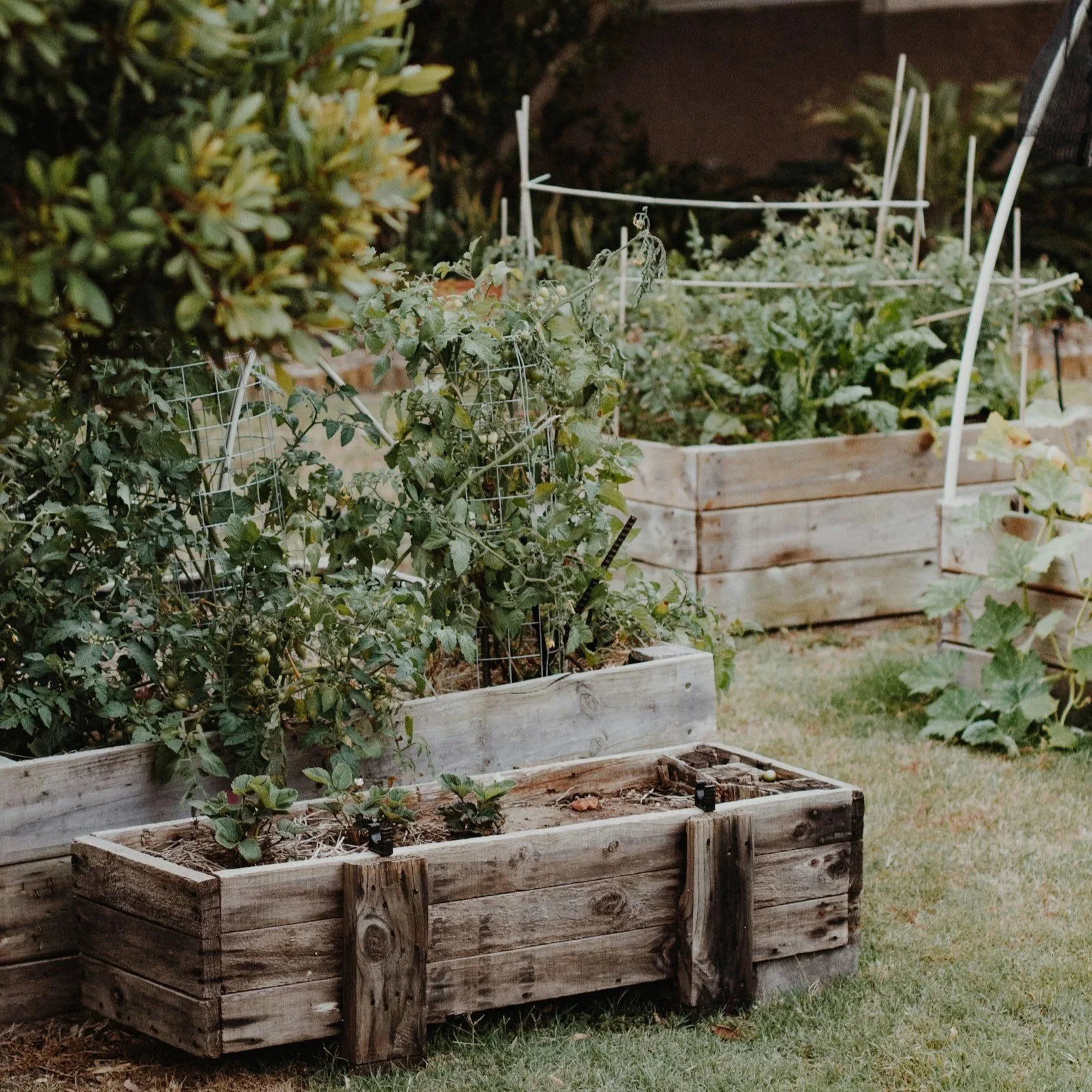
Pros approach planter construction with attention to proportion, elevation, and traffic flow.
Planning the Layout for Character and Function
Great garden beds don’t just show up—they’re mapped out with as much precision as a kitchen remodel. Pros approach planter construction with attention to proportion, elevation, and traffic flow. Too high, and you’re climbing to reach the marigolds. Too low, and the design flattens into the lawn.
When planned correctly, brick and block planters provide both visual structure and accessibility. They frame the landscape, create levels, and even offer casual seating. Professionals measure site grade, anticipate drainage routes, and look at how sunlight moves throughout the day. Nothing is slapped together or stacked on impulse.
Choosing Materials with Personality
Color, texture, and pattern all play a role in defining personality, and brick and block have options for days. Classic red brick adds warmth and charm, while concrete blocks can lean modern, especially when paired with sleek caps or minimalist lines. Reclaimed brick? Rustic and full of stories. Split-face block? Tough with a rough edge—in a good way.
Professionals help clients choose a material that complements the home’s architectural style and the surrounding hardscape. The goal is always to build something that belongs there—not something that looks like it wandered over from another yard.
Elevating Style with Smart Stone Placement
Flat garden beds can feel like an afterthought, but vertical elements bring drama. Staggered wall heights, step-down designs, and wraparound corners create more interest than a boxy rectangle. Professionals layer beds in ways that allow plants to spill, climb, and interact with the structure.
They also play with contrast—dark bricks with pale grout or smooth caps on rough blocks. It’s all about making sure the planter doesn’t just support the plants but joins them in the spotlight.
Proper Footings for Long-Term Loyalty
Even the most beautiful planter will start to lean and crack if the foundation isn’t right. Professionals dig frost lines below and compact the base to prevent shifting. Mortared units rely on concrete footings, while dry-stacked styles may use gravel and geogrid.
Drainage gets serious attention, too. Without it, pressure builds, and the wall becomes a water balloon in slow motion. Weep holes, crushed stone backfill, and smart slope engineering keep moisture where it belongs—away from the wall and down into the soil.
Mortar and Masonry That Moves with the Weather
Brick-and-block planter beds live outside 24/7, taking heat, cold, rain, and whatever else the sky throws at them. Mortar needs to be flexible and durable. Professionals use mixes designed for freeze-thaw cycles and often blend in additives to resist cracking and moisture absorption.
Where necessary, expansion joints are added to allow for movement without fracture. From the outside, all you see is a clean, solid planter. Behind the scenes, there’s a whole strategy for staying upright and gorgeous through the seasons.
Form Meets Function in Seating Walls
Some of the best garden walls double as seating. With the right height and capstone finish, planters become hangout zones. That low wall around your herb bed? Perfect perch for sipping iced tea or inspecting your tomato crop.
Professionals work these features into the original design, not as afterthoughts. They select capstones that stay cool to the touch, shed water gracefully, and won’t snag the seat of your pants. The result is a planter that works twice as hard without showing it.
Mixing Stone with Steel and Wood
Brick and block don’t have to fly solo. Many modern gardens use a mix of materials for added personality. Think brick planters with cedar benches. Concrete block beds with steel trellises. The hard edges of masonry pair beautifully with natural grain or sleek metal lines.
Professionals coordinate these combos with care, selecting finishes that age at the same pace and withstand the same weather. It’s less about variety for its own sake and more about harmony that holds up under real-world use.
Built-In Irrigation for Stress-Free Gardening
Stone planters may be solid, but the plants inside still need regular hydration. Tucking in an irrigation system saves time and reduces water waste. Pros install drip lines beneath the top layer of soil, sometimes integrating smart controllers that adjust based on weather conditions.
No dragging hoses around. No guessing when the petunias are parched. With professional help, your garden beds do their thing without daily oversight—and they look great doing it.
Low Walls, Big Impact in Small Spaces
Not every garden needs towering planters. Sometimes a simple knee-high brick border brings all the polish without overpowering a courtyard or patio. Professionals understand scale and use low walls to edge patios, frame walkways, or create divisions between turf and beds.
These subtle features often become the most used and photographed parts of a landscape. They guide the eye, support lush plantings, and give tired feet a spot to pause. When done right, they pack a punch far above their size.
Curves That Flow, Not Fight
Curved planter beds soften the rigid lines of patios and fences. They encourage movement, lead the eye, and often work better with organic garden layouts. Building them takes more finesse than straight edges, but professionals embrace the challenge.
Cutting a block or a brick to follow a radius means measuring angles, controlling spacing, and managing alignment at every joint. The finished product looks effortless—but only because someone sweated the geometry behind the scenes.
Lighting That Highlights Without Overkill
A great planter shouldn’t disappear after sunset. Integrated lighting helps garden beds perform double duty as ambient mood setters. Professionals embed low-voltage LEDs under capstones, tuck spotlights behind vines, and even light steps built into multi-level beds.
These lights don’t just illuminate plants—they turn the masonry into a sculptural element. At night, the contrast between light and shadow brings out texture and adds depth. It’s where function meets showmanship in the best way.
Structural Integrity for Raised Beds
When a bed rises more than a foot or two, structure becomes critical. Professionals reinforce with rebar, anchor into footings, and sometimes add geogrid layers behind taller retaining sections. There’s also consideration for soil pressure and water buildup.
Drainage layers, filter fabric, and landscape tie-ins keep everything solid. No bowing. No leaks. No plant casualties because the wall forgot how to hold back dirt. Everything stays in place—and the plants thrive because of it.
Planters That Work Year-Round
Professionally installed garden beds are more than seasonal statements. With evergreen shrubs, perennial herbs, and winter-hardy ornamentals, they become focal points in every season.
The masonry also holds visual interest even when plants are dormant. A brick or block structure doesn’t fade when the foliage takes a break. Instead, it offers shape, color, and order to the landscape—even in January.
Repairs That Don’t Ruin the Look
Even with the best materials and planning, life happens. A mower bumps a corner. A freeze pops a joint. When repairs are needed, professionals match bricks, tuck mortar joints, and blend seamlessly.
A skilled mason doesn’t just fix what’s broken. They preserve what works and bring everything back into alignment. The result is continuity—like nothing ever went wrong.
Style That Stays Strong
Brick and block garden beds strike the perfect balance between style and durability. They age gracefully, stand up to the elements, and always bring a sense of presence to the garden. With the help of professionals, the layout feels intentional, the construction holds firm, and the plants have a place to thrive.
No two yards are alike, and no two planters should be either. When stone and soil meet under a mason’s watchful eye, the results are charming, useful, and anything but basic. It’s personality, permanence, and planting space all rolled into one.
Trust Golden Stone Masonry in St. Paul, MN, for professional chimney repair, foundation masonry repair, tuckpointing & mortar joint repair, and brick repair & restoration services. Our team works hard to restore strength and prevent moisture intrusion. Ours is a licensed and insured company offering a 10-year warranty. Get your free estimate today.
