
Laying the Groundwork for a Beautiful Finish
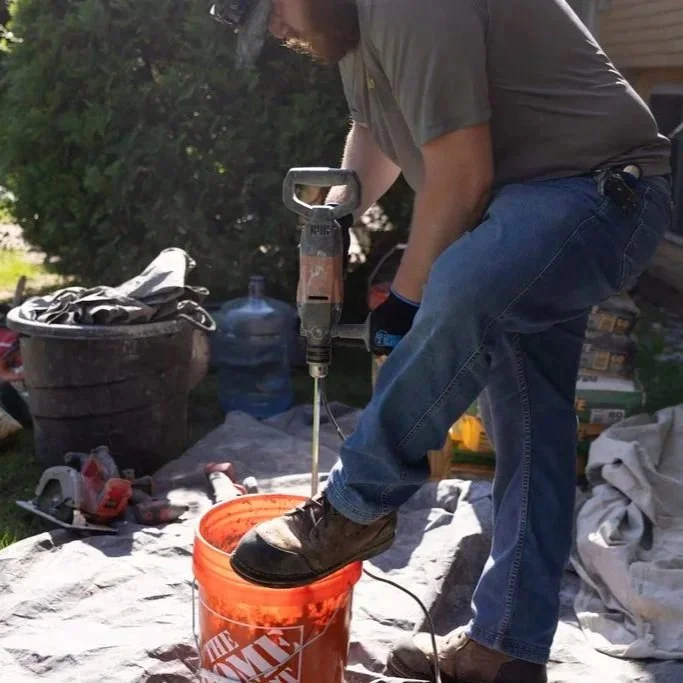
Professionals know that long-term beauty begins underground, and a rushed foundation is an open invitation to cracks, settling, and regret.
It All Starts With The Base
Brick installation projects don't begin with bricks. They start with questions. How much weight will the structure hold? Will water have a place to go? What kind of soil are we working with, and is it as cooperative as it looks? Professionals know that long-term beauty begins underground, and a rushed foundation is an open invitation to cracks, settling, and regret.
Preparing a solid base involves excavation, grading, and compacting materials in layers. Gravel or crushed stone provides water with a place to drain. Sand levels things out and adds cushion. Edge restraints keep everything where it belongs. It's part science, part art—and professionals measure twice before they even think about placing that first brick.
Grading for Drainage Without Turning the Yard Into a Slip' n Slide
One of the most important steps in laying brick involves managing water. Bricks love to soak up moisture, and when puddles form, problems follow. Professionals design subtle slopes that let water drain away without tipping walkways into amusement park territory.
Pitching a surface that is too flat traps moisture, while too steep creates runoff that wears away your joints. Professional masons calculate optimal slope—often about a quarter inch per foot—so water flows in the right direction without anyone noticing. It's the invisible brilliance that separates flawless finishes from those growing moss by spring.
Choosing the Right Brick for the Right Job
All bricks are not created equal. Some are made to support walls, while others are used to pave patios. Some soak up water like a sponge, while others practically shrug it off. Professionals match brick types to the job instead of rolling the dice and hoping for the best.
For walkways and driveways, clay pavers or concrete bricks rated for freeze-thaw cycles stand up to traffic and weather. Retaining walls call for bricks that interlock and resist pressure from soil. Decorative features may lean on reclaimed brick or color-matched patterns that complement the surroundings. Material selection isn't just about color—it's about lasting performance.
Patterns That Add Strength And Character
Brickwork patterns do more than decorate. They distribute load, reduce shifting, and frame the layout visually. Herringbone patterns resist movement from every direction, making them perfect for driveways. Running bond adds traditional elegance and stretches smaller spaces. Basketweave, stack bond, and Flemish bond each bring their own mix of visual rhythm and strength.
Professionals study layout for scale and fit. No one wants tiny slivers at the edges or awkward cuts at corners. Joints align with intention, not accident. What may look like a charming curve or classic grid is usually the result of precise math and some trial layouts behind the scenes.
Mortar Mixing With Just the Right Consistency
The unsung hero of any brick project? Mortar. It holds everything together but only performs its magic when mixed and applied correctly. Professionals mix mortar in small, workable batches so it stays fresh, consistent, and strong. Ratios of cement, sand, and water are measured like a baker preparing the perfect dough.
Too dry, and the bond weakens. Too wet, and joints sag or smear. The sweet spot varies depending on temperature, humidity, and the brick itself. Once applied, professionals strike or tool the joints for both appearance and durability. Joint profiles affect more than looks—they influence how well water runs off and whether winter freezes cause future cracks.
Walls That Don't Wobble
Vertical brickwork calls for even more attention to structural support. Whether the job is a garden wall, outdoor fireplace, or seating feature, professionals plan for movement, weight, and long-term settling. Proper footing depth, reinforced cores, and weep holes for drainage all factor into the design.
Laying brick for walls also involves staggered courses, bond patterns, and header bricks that tie everything together. Professionals anticipate stress points and work around obstacles like lighting, plumbing, and grade changes without turning the layout into a jigsaw puzzle of leftovers.
Walkways That Feel Solid From the First Step
A brick walkway should invite strolling, not stumbling. Professionals lay pavers tightly and evenly, with a flat but well-draining surface. Edge restraints hold everything snug. Polymeric sand locks joints in place and resists weeds, insects, and erosion better than loose sand.
Transitions matter, too. Steps, thresholds, and curves require clean cuts and patient positioning. Professionals cut bricks using diamond blades for crisp edges that fit seamlessly. The result? A path that never feels like an afterthought.
Blending Bricks for a Natural Look
When working with multiple pallets or reclaimed materials, color variation becomes a feature—not a flaw. Professionals blend bricks from several sources to avoid blotchy color blocks. They lay out bricks ahead of time to visualize the final look, mixing subtle shades into a cohesive tapestry.
Masonry professionals also accommodate natural quirks like uneven texture or chipped corners by adjusting layout on the fly. A rustic finish shouldn't look chaotic. Done right, it feels intentional—like it has always belonged.
Steps That Lead With Confidence
Brick steps require exact calculations. Each riser and tread needs consistency to avoid trips and awkward pacing. Professionals build step forms with matching measurements down to the quarter inch. The underlying structure might involve poured concrete, rebar, and compacted base material—all hidden beneath those handsome bricks.
Rounded edges, bullnose brick, and contrasting borders increase safety and visual clarity. Professionals choose materials with good traction, especially for outdoor installations that need to perform in rain or frost. The final product feels as solid as it looks—and doesn't squeak or shift when someone drops a little extra weight on that top step.
Cleaning and Sealing for That Picture-Perfect Finish
After the last brick slides into place, it's not time to pack up. Professionals wash the surface carefully to remove mortar haze and reveal true color. Acid-based cleaners or specialty soaps, used in moderation, give the project a fresh, polished look.
Some installations benefit from sealing. Sealants protect against moisture, staining, and fading, especially in high-traffic areas or freeze-prone climates. Professionals apply sealers evenly, with the right curing time and slip resistance, so the protection is effective without making surfaces slick or sticky.
The cleanup phase also includes site detail: brushing out joints, resetting stray bricks, trimming edges, and sweeping away every trace of construction mess. That final walkthrough reflects pride in workmanship—and clients always notice.
Matching Brickwork to the Landscape
Brick may be the star, but it shouldn't upstage the entire yard. Professionals take the broader setting into account—matching materials to home siding, balancing hardscape with greenery, and designing flow between features like patios, fire pits, and walkways.
Borders, steps, and low retaining walls help frame spaces without crowding them. Planting beds benefit from clean brick edges that hold mulch in place. Even utility zones—like hose bibs or meter boxes—can be dressed up with thoughtful brick placement that feels built-in, not tacked on.
Adding Flair Without Compromising Strength
Details matter. Inlays, circular patterns, soldier courses, and brick mosaics add personality without sacrificing performance. Professionals incorporate accents that reflect the client's style while honoring the structure's needs. A custom emblem in the patio or a decorative arch over a gate turns functional masonry into visual storytelling.
Every flourish serves a dual role—beauty and durability. Professionals strike the right balance between timeless design and creative expression, never leaning too far into trendiness or ornamentation that won't stand up to wear.
Weathering and Maintenance Considerations
No matter how perfect the installation, bricks live outdoors—and outdoor life can be rough. Professionals advise on brick types and finishes that weather gracefully. Clay bricks tend to hold color better. Concrete bricks offer more design flexibility. Some sealers repel moisture. Others enhance tone.
Routine maintenance is minimal but not nonexistent. Professionals recommend occasional resealing, light pressure washing, and prompt repairs for cracked joints or shifting pavers. When built right from the start, maintenance becomes about preservation, not patching up mistakes.
Workmanship That Speaks for Itself
No two brick projects are alike, and that's the charm. Each one reflects a mix of materials, site conditions, personal taste, and hands-on craftsmanship. Professionals approach every build as a fresh canvas—using lessons from past jobs, modern tools, and a respect for time-honored methods.
There's something satisfying about a project that doesn't just look beautiful—it performs. Laying the groundwork for a beautiful finish means sweating the small stuff, thinking ahead, and never rushing the parts no one sees. And that's where professionals quietly build their reputation—brick by brick, joint by joint, from the bottom up.
Trust Golden Stone Masonry in St. Paul, MN, for professional chimney repair services, foundation masonry repair, tuckpointing & mortar joint repair, and brick repair & restoration services. Our team works hard to restore strength and prevent moisture intrusion. Ours is a licensed and insured company offering a 10-year warranty. Get your free estimate today.
