
The Art of Laying It Down One Stone at a Time
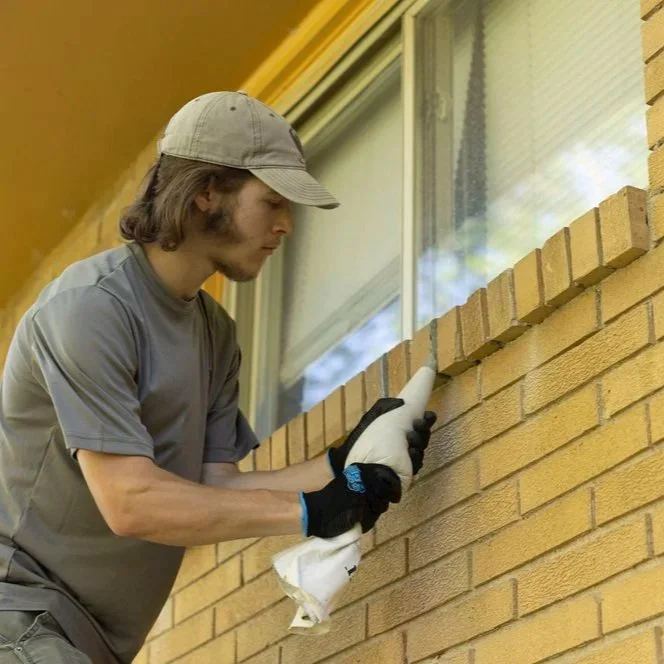
Every successful masonry project relies on careful planning.
Solid Masonry Begins With A Strong Game Plan
Before the first stone meets mortar, the real work begins behind the scenes. Every successful masonry project relies on careful planning. Professionals don’t wing it with a tape measure and good intentions—they consider soil conditions, drainage, load-bearing requirements, and environmental stressors long before laying a single brick.
Without a proper base, even the prettiest patio will buckle like a bad soufflé. Professionals calculate slope, runoff, and sub-base stabilization because long-term performance depends on far more than surface-level charm. Good masonry always starts from the ground up, literally and figuratively.
The art lies in translating technical specs into structures that look natural and effortless. Whether it’s a winding stone path or a structurally sound garden wall, it all stems from smart preparation and professional oversight.
Materials Make All The Difference
Stone isn’t just stone, and concrete isn’t just… well, cement mix and wishful thinking. Professionals select materials with a purpose. The type of stone, brick, block, or paver used affects not only appearance but also functionality, longevity, and maintenance needs.
Limestone loves dry climates but doesn’t enjoy freeze-thaw cycles. Clay brick ages gracefully but needs a firm foundation. Flagstone dazzles in patios but can shift like a dance floor if improperly installed. Each material has a story, and professionals know how to match those stories to real-world applications.
Durability also depends on what lies between and beneath. Mortar composition, joint spacing, and reinforcement materials all influence how well a masonry structure holds up under pressure—from both nature and the neighbors.
Layout Isn’t Just Visual—It’s Structural
A haphazard stone walkway might feel whimsical in theory, but if the joints don’t allow for proper expansion or if load paths aren’t balanced, the whimsy becomes a warranty call. Professionals approach layout with both artistry and intention.
Joint patterns aren’t just decorative. They affect how weight transfers across a wall or how pressure moves through a patio slab. A running bond might look clean, but a herringbone pattern offers more strength under foot traffic. Each decision plays a structural and stylistic role.
Professionals keep form and function in lockstep, designing for both the client’s vision and the earth’s reality. Uneven terrain, drainage zones, and surrounding architecture all feed into the final layout. No two jobs are identical—and that’s where the craft really comes into play.
Mortar Is More Than Just Glue
Mortar may not be glamorous, but it’s the unsung hero of masonry work. Too soft and it crumbles. Too rigid and it cracks. The right blend allows for movement, cures with strength, and bonds each stone or brick with lasting integrity.
Professionals tailor the mix based on climate, material type, and joint thickness. They also apply it with skill—neat, consistent joints resist water intrusion and look sharp for decades. Sloppy joints, on the other hand, invite trouble and mildew.
Tuckpointing, repointing, and decorative mortar finishing also fall under the umbrella of expertise. When done right, the joints themselves become a design feature—subtle but significant.
Stone Features That Steal The Spotlight
Retaining walls, accent walls, pillars, fire pits—masonry’s showpieces often play double duty. They provide both aesthetic and structural function, and professionals design them to hold their ground while turning heads.
A curved seating wall with integrated lighting. A dry-stack garden border that weaves through native landscaping. A natural stone fireplace that acts as the anchor for an outdoor living space. These elements don’t just happen—they’re built with vision, experience, and a solid understanding of pressure loads and joint stability.
Professionals also make room for the human element. A wall at seating height, a step with just the right rise, a walkway that guides people naturally around a corner—these details elevate a project from decent to delightful.
Drainage Keeps The Dream Alive
No amount of expert stonework will hold up if water collects underneath. Moisture is a silent saboteur, and professionals treat it like the high-maintenance frenemy it is.
Proper slope, sub-drains, gravel layers, and weep holes aren’t extras—they’re part of the package. Whether working on a raised planter or a backyard retaining wall, the ability to direct water away from structures makes the difference between annual repairs and decades of solid performance.
Professionals think about freeze-thaw movement, hydrostatic pressure, and capillary action. Homeowners never need to know what those terms mean—but they’ll appreciate the benefits when the walls stand tall and dry through every season.
Masonry Doesn’t End At The Wall
Pathways, patios, stairs, outdoor kitchens, mailbox columns—masonry extends far beyond basic walls. Professionals bring cohesion to a property by using hardscaping to connect outdoor zones and frame the home’s architecture.
A stone staircase that transitions from lawn to deck. A brick planter that mirrors the home’s façade. A paver landing that ties into the driveway curves. These are the elements that quietly elevate a property’s curb appeal.
Professionals also consider long-term use. A patio that drains correctly, a walkway that remains slip-resistant, a wall that can handle rowdy family barbecues without budging an inch—all contribute to a space that serves function and form equally.
Historic Restoration Calls For Nuance
Restoring old masonry is part detective work, part skilled craftsmanship. Professionals don’t simply slap on new mortar or try to match stone by color. They examine historical methods, original materials, and the building’s structural intent.
In older homes, mismatched repairs stick out like a sore thumb—or worse, compromise structural balance. Professionals restore with a light hand, blending new work with the old so the result looks seamless, not patched.
Historic restoration often means sourcing specialty materials or replicating century-old finishes. It’s meticulous work—but done right, it extends the life of a structure while honoring its story.
Crack Repair Requires More Than Caulk
Not all cracks are equal. Some are superficial. Some signal serious trouble. Professionals don’t just fill them and walk away—they assess the cause before prescribing a solution.
Foundation movement, water infiltration, root expansion, and thermal cycling can all create cracking. Without addressing the root problem, repairs fail quickly. Professionals stabilize shifting bases, relieve pressure points, and then repair the masonry in a way that blends in and holds firm. Crack repair, like all masonry, isn’t about covering up the issue—it’s about correcting the cause and reinforcing the solution.
Seasonal Maintenance Keeps Things Sharp
Even well-built masonry benefits from occasional touchups. Professionals recommend seasonal checks to remove plant overgrowth, clean joints, reseal pavers, and inspect for water pooling or mortar wear.
Preventive maintenance keeps small issues from snowballing. A bit of weeding, a fresh coat of sealant, or a quick patch can extend the life of a patio or wall by years. Professionals often offer maintenance services as part of the original installation. It’s not about creating repeat business—it’s about standing behind the work and helping clients protect their investment.
Why Pros Don’t Cut Corners
Good masonry takes time. Corners don’t align themselves. Joints don’t magically stay level. Base prep doesn’t happen in fast-forward. Professionals follow a methodical pace because speed sacrifices quality.
That doesn’t mean dragging out projects. It means respecting the process—from excavation and base compaction to final clean-up and sealant. Every stage sets the next one up for success. Skipping one usually means circling back later with a chisel and regret. Clients who invest in professional work enjoy the comfort that comes from knowing their structure won’t sag, shift, or self-destruct by the next spring thaw.
A Solid Investment That Speaks For Itself
Masonry may not always shout, but it makes a strong impression. A beautiful stone wall doesn’t beg for attention—it quietly suggests quality. A precise walkway doesn’t scream luxury—it whispers, “somebody cared about doing this right.”
Professionals approach every project—big or small—with pride and precision. Whether it’s a garden path, an outdoor fireplace, or a backyard retaining system, the result is a structure built to last and designed to belong.
No gimmicks. No shortcuts. Just solid craftsmanship, laid down one stone at a time.
Homeowners in St. Paul, MN, looking for a reliable contractor for chimney repair and masonry services can rely on Golden Stone Masonry. As a leading licensed and insured company, our team offers interior basement tuckpointing & leak prevention and custom tile installation (interior & exterior). We have a strong reputation for clear communication and expert craftsmanship. Benefit from our decades of experience. Call today.
