
The Telltale Signs of Stone Fatigue
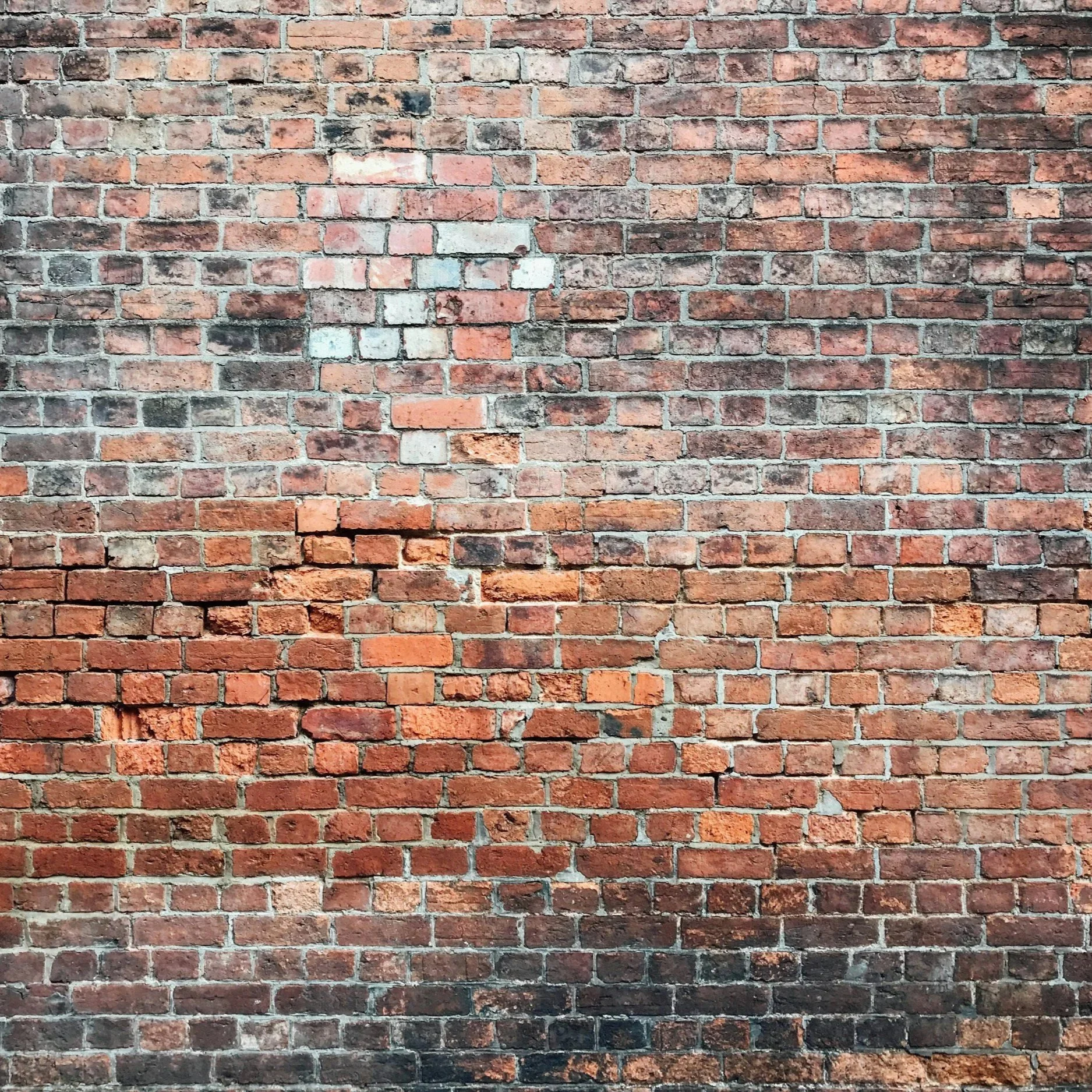
When stone features start looking tired or lose their structural confidence, professionals know where to look first.
Stone can take a beating—wind, water, sun, and time all leave their mark. Faded joints, shifting slabs, and chipped corners are often dismissed as character, but behind the charm could be deeper damage. When stone features start looking tired or lose their structural confidence, professionals know where to look first. Movement in a wall, uneven walkways, or crumbling mortar are signals that time has pushed too far.
Trained masons don't rush to cover flaws. They examine settlement patterns, moisture exposure, and previous repair attempts. That crack might trace back to an overloaded footing or improper drainage. Fixing the problem right means respecting the clues left behind.
Matching Stone Is a Craft, Not a Coincidence
Replacing damaged stones isn't about grabbing the closest match and hoping for the best. Natural stone varies in color, texture, and density—even within the same quarry. Professionals consider geological source, exposure to the elements, and historical construction techniques when choosing replacements. They know how to blend new with old without creating an awkward patchwork.
Sometimes it means tracking down salvaged materials or custom-cutting pieces to mimic age and wear. The result? A flawless repair that doesn't shout, "Hi, I'm new here."
Mortar That Bonds Without Bullying
Stone and mortar are partners. One offers strength and identity; the other provides support and flexibility. When mortar starts to crack, pull away, or crumble, it's more than a cosmetic issue. Weak joints let in water, shift under pressure, and eventually cause stones to loosen. Professionals step in with techniques like tuckpointing or repointing, restoring joints with careful attention to original mortar style, color, and depth.
The right mortar mix matters. Too hard, and it stresses the stone. Too soft, and it won't hold up. Professionals match mortar type to stone material and environmental conditions, always keeping breathability and bond in mind. Tidy joints and solid fills are the hallmarks of repairs that stay put.
Stone Paths That Don't Wobble
Loose pavers and lopsided walkways aren't just an ankle hazard—they're evidence that something underneath has shifted. Tree roots, water runoff, or compacted sub-base can all wreak havoc over time. A simple re-leveling job rarely lasts long without correcting the underlying cause.
Professional repair teams lift the affected area, inspect and reset the base, and relay each stone with precise spacing and pitch for drainage. Edge restraints often need to be rebuilt or reinforced to keep things stable. With every step accounted for, the new surface feels as solid as it looks.
Retaining Walls That Actually Retain
Retaining walls built with natural stone or block can shift when faced with hydrostatic pressure or insufficient support. Bulging, leaning, and bowing are signs that gravity is winning. Rather than rebuilding from scratch, many walls can be rescued with smart reinforcement and selective stone replacement.
Professionals might add weep holes for drainage, reset dislodged stones with structural ties, or even rebuild sections using improved footing techniques. They also look for signs of erosion, poor grading, or neglected backfill that can cause failure. A wall that's been brought back from the brink doesn't just hold soil—it adds curb appeal without compromise.
Steps That Don't Crack Under Pressure
Stone stairs are both functional and architectural features. When they sink, crack, or shift, the problem isn't just tripping hazards—it's a total loss of confidence. Repaired incorrectly, steps continue to fail. Repaired professionally, they invite confident foot traffic for decades.
Repairing stone steps means examining riser heights, tread depth, and handrail integration. The foundation is rebuilt or reinforced where necessary, and each stone is reset for alignment and safety. Materials are selected not just for match, but for slip resistance and strength under pressure. When repaired correctly, every step feels like it belongs.
Outdoor Features That Age Gracefully
From stone benches and planters to patio fireplaces and fountains, outdoor masonry elements often fall victim to weather and wear. Freeze-thaw cycles crack surfaces, moss overtakes joints, and poor drainage contributes to erosion. Professional stone masons don't treat these features as throwaways—they treat them as part of a living landscape.
They clean with care, using gentle techniques to avoid etching or discoloration. Repairs focus on restoring the original design, not just filling voids. Where pieces are missing or cracked beyond use, custom replacements are shaped on-site. The goal is to return that wow factor without removing the soul of the original work.
Restoration Without Renovation
There's an art to knowing when to replace and when to restore. Too often, stonework is torn down and rebuilt when a skilled mason could have rescued it with less disruption. Restoration focuses on retaining as much original material as possible while strengthening and repairing where necessary.
Professionals use techniques like epoxy injection for minor cracks, carbon fiber mesh for reinforcement, and soft chemical washes to clean without stripping. Every repair is made with respect for the original build, whether it's decades or centuries old. The result is longevity without losing legacy.
Fixing the Hidden Water Villains
Moisture plays the long game. It seeps in slowly, freezes overnight, and expands with force. Eventually, water causes surface flaking, internal swelling, or structural fractures in stonework. But the damage rarely stops where it starts. Professionals go beyond the visible signs, tracing water's path through mortar joints, behind retaining walls, and under patios.
Drainage improvements include hidden French drains, redirected downspouts, or regraded surfaces. They might also treat or seal the stone—never with plastic-like coatings that trap moisture, but with breathable products designed for masonry. The result? Dry, stable stonework that doesn't fall apart each spring.
Chimneys with Charm and Stability
Stone chimneys are like the exclamation points of masonry homes—and like most punctuation, they're easy to overlook until things go wrong. Leaning stacks, cracked crowns, and eroded joints can lead to leaks, carbon monoxide concerns, or outright collapse.
Professionals assess stone chimneys from top to bottom, addressing both structural soundness and aesthetic preservation. Repairs often involve flashing, crown sealing, repointing, and replacing stone elements compromised by age or fire exposure. A strong chimney becomes more than a vent—it becomes an architectural feature that holds its own.
Design Updates with Structural Smarts
Sometimes clients want more than repairs. They want updates—new colors, better layouts, or expanded spaces. Professionals work with existing stonework to integrate upgrades without making it look like a patch job. Think expanded patios that tie into older walkways, new retaining walls that match existing textures, or reworked steps that add both safety and flair.
The trick lies in honoring what's already there. That might mean sourcing matching stone, using compatible mortar blends, or hand-finishing new pieces to blend with weathered surfaces. The final result feels like a seamless continuation of something timeless—not a renovation that forgot its roots.
Safety Isn't Just a Bonus
When cracks widen, stones loosen, or walls lean, safety concerns sneak in alongside aesthetic ones. Masonry may feel indestructible, but when stability's compromised, accidents aren't far behind. Professional masons consider fall hazards, loose materials, structural failure, and pedestrian traffic in every repair strategy.
They fix not just for looks but for liability. Each repair strengthens weak points and removes threats, creating a space that not only invites admiration but also welcomes safe use every day. When masonry does its job right, no one notices—because everything works exactly as it should.
Elevating Curb Appeal Without Overhauling
It doesn't always take a full rebuild to wow passersby. Stone repairs done right refresh the look of a property, enhance resale value, and breathe new life into tired spaces. Whether it's a front porch re-tuckpointed with crisp joints or a walkway lifted back to level, the effect is instant and impressive.
Buyers and guests notice fresh masonry even if they can't say why. It signals care, quality, and long-term thinking. Professional repairs turn "meh" into memorable without starting from scratch. And because the work holds up, the wow factor doesn't fade by next season.
Your Stone Deserves a Second Chance
Stone features don't ask for much—just a little attention after decades of duty. When handled by pros who love the craft, worn-out surfaces find new purpose. They function better, last longer, and look like they belong in a magazine spread. Whether the job calls for subtle restoration or full-on structural rescue, professional masons deliver results that turn everyday stone into something worth stopping to admire.
Trust Golden Stone Masonry in St. Paul, MN, for professional chimney repair, foundation masonry repair, tuckpointing & mortar joint repair, and brick repair & restoration services. Our team works hard to restore strength and prevent moisture intrusion. Ours is a licensed and insured company offering a 10-year warranty. Get your free estimate today.
