
Different Types of Chimney Liners Explained for Minnesota Homes
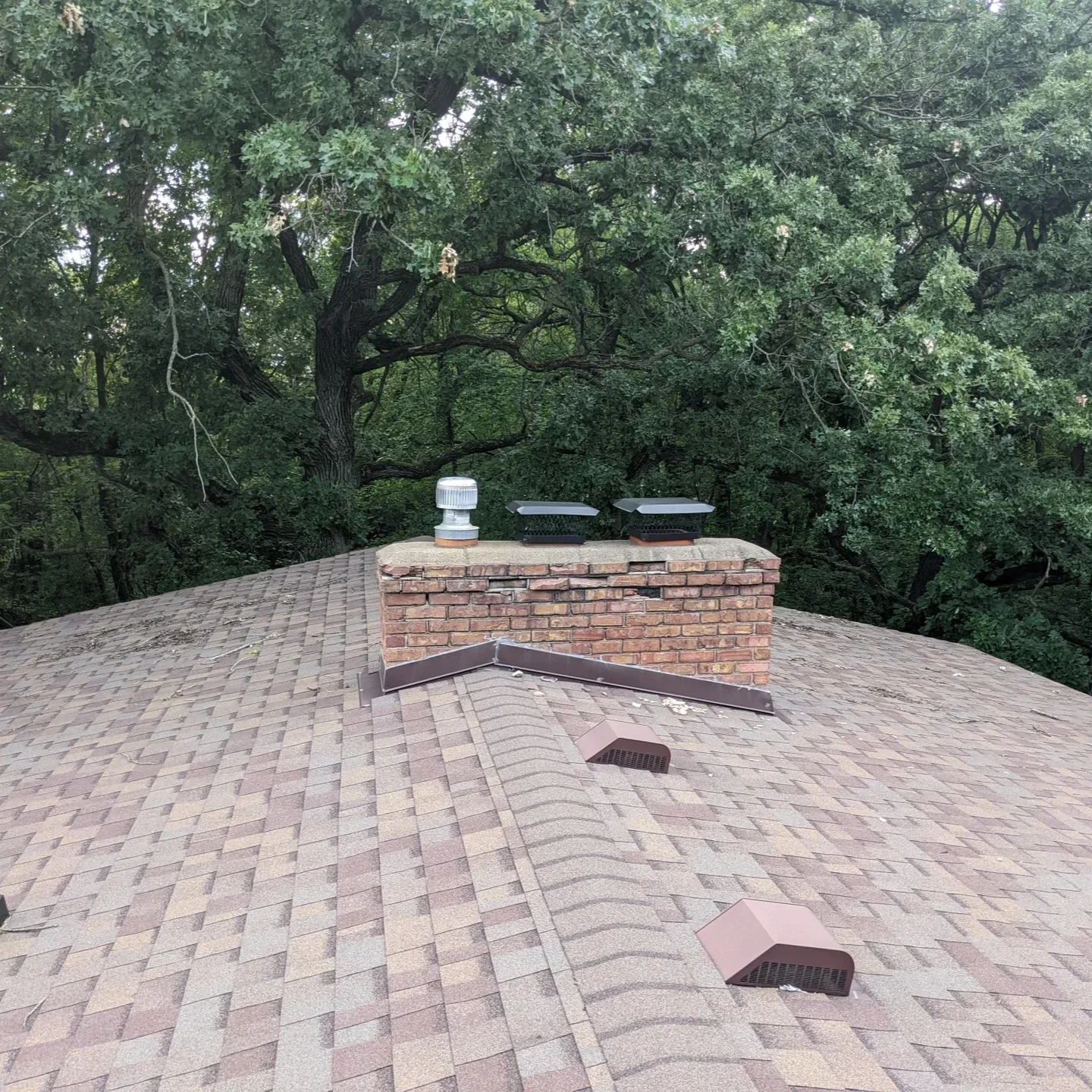
Choosing the right liner material is essential in Minnesota to withstand cold, moisture, and seasonal temperature swings safely.
Introduction: Why Chimney Liners Matter in Minnesota Homes
Chimney liners rarely get much attention until something goes wrong, but in Minnesota homes, they are one of the most critical safety and performance components of any heating system. Whether your home has a wood-burning fireplace, a stove insert, or a gas or oil furnace venting through a chimney, the liner is what allows that system to operate safely in a climate known for long winters, deep freezes, and constant freeze-thaw cycles.
A chimney liner is the protective passage that runs inside the chimney structure. It creates a sealed pathway that carries smoke, exhaust gases, heat, and combustion byproducts from the appliance out of the home. Modern building codes require liners because bare brick or block chimneys are not designed to safely handle heat, corrosive gases, and moisture over time. Without a proper liner, chimneys become fire hazards, carbon monoxide risks, and long-term structural problems waiting to happen.
In Minnesota, liners face additional challenges. Cold chimney walls affect draft, moisture condenses quickly inside flues, and seasonal temperature swings accelerate wear. Some liner materials handle these conditions better than others. This guide explains the main types of chimney liners, how they work, where they are best used, and what Minnesota homeowners should consider when deciding whether their current liner is still safe or needs to be upgraded.
Understanding How Chimney Systems Work
Every chimney system starts with an appliance, such as a fireplace, wood stove, furnace, boiler, or water heater. From there, exhaust gases move into the flue, which is the vertical passage inside the chimney. The liner sits inside that flue, forming a continuous protective channel that keeps heat and gases contained until they exit above the roof. Around the liner is the chimney structure itself, which may be masonry or factory-built metal, along with components like the smoke chamber, damper, crown, and cap.
Draft is what makes the system work. Hot exhaust gases rise, creating a pressure difference that pulls fresh air into the fire and pushes smoke upward. In Minnesota, draft can be unpredictable. Cold outdoor temperatures can improve draft once the flue is warm, but very cold chimney walls at startup often cause smoke rollout or backdrafting. Proper liner sizing and insulation help keep exhaust gases warm, reduce condensation, and stabilize draft throughout the long heating season.
Unlined or damaged chimneys are dangerous because heat and gases can escape into surrounding framing or hidden cavities. Over time, acidic moisture eats away at mortar and brick, weakening the chimney. Minnesota’s moisture and freezing conditions accelerate this damage once a liner system fails, which is why liner condition should never be ignored.
Clay Tile Chimney Liners
Clay tile liners are the traditional option found in many older Minnesota homes. They consist of rigid terra-cotta tiles stacked vertically inside masonry chimneys and mortared together as the chimney is built. For decades, this was the standard approach because clay is non-combustible and handles direct flame reasonably well.
When intact, clay liners can last many years and continue to perform adequately in occasionally used open fireplaces. Many homeowners already have them, so there is no immediate installation cost. For a fireplace used a few times a year for ambiance, a sound clay liner may still be acceptable if it passes inspection.
The problem is how clay reacts to Minnesota winters. Moisture enters small cracks and mortar joints, freezes, expands, and slowly breaks tiles apart. Over time, tiles crack, shift, or spall, creating gaps that allow heat and gases to escape. Broken tiles also trap creosote, making the flue harder to clean and more prone to chimney fires.
Once significant damage is present, repairing clay liners is difficult. Spot repairs may be possible, but full replacement usually means installing a different liner system inside the existing chimney. For most Minnesota homes that upgrade appliances or rely heavily on their heating systems, clay liners alone are rarely the best long-term solution.
Stainless Steel Chimney Liners
Stainless steel liners are the most common modern choice for Minnesota homes. They are widely used to reline existing chimneys with damaged clay tiles or to vent newer appliances properly. Stainless liners come in rigid sections for straight flues or flexible versions that can navigate offsets and irregular chimneys.
One of the biggest advantages of stainless steel in Minnesota is corrosion resistance. When paired with proper insulation, stainless liners stay warmer, reduce condensation, and improve draft. This is especially important for exterior chimneys that are exposed to freezing air all winter long. Insulated stainless liners also reduce creosote buildup for wood systems and moisture damage for gas appliances.
Different grades of stainless steel are used depending on the fuel. Wood-only systems often use 304 stainless, while gas and oil appliances usually require 316 or similar alloys that resist acidic condensate. Because many Minnesota homes replace appliances over time, choosing a higher-grade liner can provide greater flexibility and a longer service life.
Stainless steel liners typically last decades when properly installed and maintained. They do require regular sweeping and inspection, but compared to aging clay liners, they offer a strong balance of safety, durability, and cost for Minnesota conditions.
Aluminum Chimney Liners
Aluminum liners exist, but their role in Minnesota homes is limited. They are lightweight and flexible, usually used for certain low-temperature gas appliances. Aluminum is not suitable for wood, coal, or oil-burning systems and performs poorly in cold, moisture-heavy environments.
In Minnesota’s long heating season, aluminum liners are prone to corrosion from acidic condensation, especially when flues are cold. Their lifespan is often much shorter than stainless steel, and many modern codes and manufacturers discourage their use. Aluminum should be considered a specialized, narrow option only when specifically permitted and recommended by a professional.
Cast-in-Place Chimney Liners
Cast-in-place liners are a different approach. Instead of inserting a metal tube, a cement-like or insulating compound is poured or pumped into the chimney around a temporary form. Once cured, it creates a smooth, continuous, insulated flue that bonds to the existing masonry.
These systems are particularly valuable for older Minnesota chimneys with severe internal damage. Cast-in-place liners can seal cracks, reshape irregular flues, and reinforce weakened masonry from the inside. Their insulation properties help improve draft and reduce condensation in cold weather.
Cast-in-place liners are more expensive than basic stainless steel installations but can be more cost-effective than rebuilding a failing chimney. They are often chosen for historic homes or chimneys with structural issues where preserving the exterior is important.
Ceramic Resurfacing and Coating Systems
Ceramic or refractory resurfacing systems involve applying a coating to the interior of an existing clay liner. These coatings fill small cracks and smooth rough surfaces, extending the life of a liner that is still structurally sound.
For Minnesota homes with moderate clay liner wear but no major structural damage, resurfacing can be a cost-effective intermediate solution. However, coatings are relatively thin and cannot fix severely cracked, missing, or misaligned tiles. A thorough camera inspection is essential to determine whether resurfacing is appropriate.
Sizing and Insulating Liners for Minnesota Conditions
Correct liner sizing is critical. Oversized liners cool exhaust too quickly, leading to condensation and creosote buildup. Undersized liners restrict flow and create draft problems. Many older Minnesota chimneys are oversized relative to modern appliances, which is why relining is often necessary after upgrades.
Insulation is especially important in cold climates. Insulated liners keep exhaust gases warm, improve draft, reduce moisture problems, and enhance fire safety. Skipping insulation to save money often leads to poor performance and premature liner failure.
Liners for Wood-Burning Systems
Wood-burning fireplaces and stoves place heavy demands on liners due to high temperatures and creosote production. In Minnesota, where wood systems may run continuously for months, liners must be high-temperature-rated and easy to clean.
Insulated stainless steel liners are the most common and reliable choice for wood systems. Cast-in-place liners and certain ceramic systems may also work in specific situations. Aluminum is never appropriate for wood.
When installing wood stove inserts, a full-length liner from the stove to the chimney top is essential for safety and performance. Short connections within oversized chimneys cause draft problems and excessive creosote buildup, especially in cold weather.
Liners for Gas Appliances
Gas exhaust is cooler but moisture-heavy and acidic. In Minnesota, condensation inside cold chimneys is a major issue for gas appliances. Properly sized and insulated stainless steel liners help keep exhaust warm and moving, protecting masonry and preventing corrosion.
Upgrading gas appliances often changes venting requirements. When a furnace is replaced or removed, the remaining appliances may need new liners to vent safely. These situations are common and should always trigger a chimney evaluation.
Codes, Safety Standards, and Professional Installation
National codes and local Minnesota regulations govern chimney liners. These rules address materials, sizing, insulation, clearances, and inspection requirements. Homeowners do not need to know the code language, but they should work with professionals who do.
Certified chimney professionals understand how Minnesota’s climate affects liner performance and safety. Proper permits, inspections, and documentation protect homeowners during insurance claims and home sales.
Choosing the Right Liner for Your Minnesota Home
The right liner depends on your chimney condition, fuel type, appliance usage, and long-term plans. Safety comes first, followed by performance and durability. In Minnesota, stainless steel liners with insulation are often the best choice for most upgrades, while cast-in-place or resurfacing systems serve more specialized needs.
A professional inspection with a camera is the best starting point. From there, homeowners can compare options, ask informed questions, and choose a solution that balances cost with long-term reliability.
Maintenance and Longevity
All liners require maintenance. Annual inspections, regular cleaning, and prompt attention to warning signs extend liner life and reduce risk. Managing moisture through good caps, crowns, and flashing is just as important as managing heat.
Conclusion
Chimney liners are essential for safety, efficiency, and durability, especially in Minnesota’s demanding climate. Clay, stainless steel, aluminum, cast-in-place, and resurfacing systems each have their place, but not all perform equally under long winters and heavy use. Correct sizing, insulation, and professional installation matter just as much as material choice.
With regular inspections and informed decisions, Minnesota homeowners can rely on their chimneys for warmth and comfort through many winters without compromising safety or structural integrity.
Chimney Liner FAQs in Minnesota
At least once a year, with more frequent inspections for heavy wood use or known issues.
Liner installation involves safety-critical decisions, code compliance, and working at height. Professional installation is strongly recommended.
A professional camera inspection provides the most accurate identification and assessment.
Clay repairs are generally lower cost; stainless steel liners fall in the mid-range; aluminum is limited and usually lower cost; while cast-in-place and resurfacing systems are higher cost but serve specialized needs.
Golden Stones Masonry is a licensed and insured expert, offering chimney repair, chimney rebuild, and foundation masonry repair solutions to St. Paul, MN, residents. Our professionals deliver reliable and long-lasting results that come with a 10-year warranty. We take pride in our transparent process and fair and honest pricing. Call now to book a service appointment.
