
How to Tell If Your Chimney Liner Needs Replacement in St. Paul
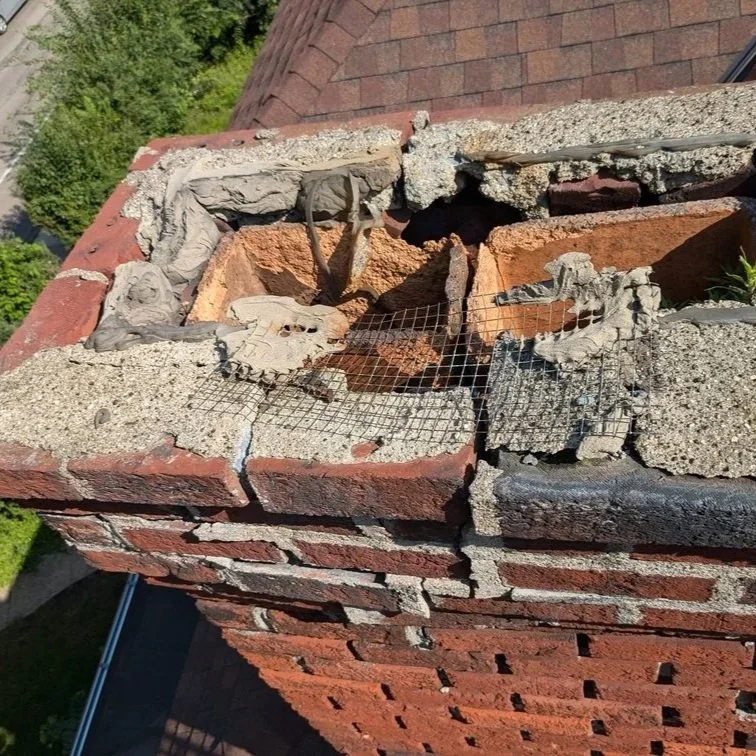
A damaged chimney liner can compromise safety and efficiency; timely inspection prevents smoke, moisture, and fire hazards in St. Paul homes.
Introduction: Why Your Chimney Liner Matters in St. Paul Homes
In St. Paul, chimneys work hard. Long winters, frequent fires, and wide temperature swings mean your chimney system is under stress for months at a time. At the center of that system is the chimney liner. It is hidden from view, but it plays one of the most critical roles in keeping your home safe, comfortable, and efficient.
A chimney liner is the protective passage that runs from the appliance or fireplace to the top of the chimney. Its job is to contain heat and combustion gases, protect the surrounding masonry and framing, and guide smoke and exhaust safely out of the home. When the liner is intact and properly sized, fires burn cleaner, drafts work correctly, and the risk of fire or carbon monoxide exposure stays low.
When a liner is cracked, corroded, missing, or no longer compatible with the appliance it serves, the entire system is compromised. Problems often start subtly. Smoke issues, odors, moisture damage, or performance changes may appear long before a serious incident occurs. This guide explains how to recognize the warning signs that your chimney liner may need replacement, with a focus on the climate, housing stock, and usage patterns common in St. Paul homes.
Understanding Chimney Liners: Types, Functions, and Lifespan
Many St. Paul homes still rely on older chimney liners, while others have been updated over the years. Clay tile liners are common in early- and mid-20th-century masonry chimneys, especially in bungalows and older brick homes. These liners consist of stacked ceramic tiles and can last a long time, but they are vulnerable to cracking from heat, moisture, and freeze-thaw cycles.
Metal liners, most often stainless steel, are widely used to reline older chimneys or vent newer appliances. Aluminum liners exist as well, though they are limited to specific low-heat applications and tend to have shorter lifespans. Cast-in-place liners are less common but are sometimes used to reinforce older chimneys by forming a continuous liner inside the flue.
Regardless of material, all chimney liners serve the same core functions. They contain extreme heat, so it does not reach nearby combustible framing. They seal combustion gases, including carbon monoxide, so they exit the home rather than leaking into walls or living spaces. They also protect masonry from acidic byproducts, moisture, and soot that can erode brick and mortar over time.
Liner lifespan depends on material, usage, and maintenance. Clay liners can last decades under ideal conditions, but often crack after years of heavy use. Stainless steel liners are durable and long-lasting when properly installed and maintained. Aluminum liners wear out faster, especially in moisture-heavy environments. Cast-in-place systems are designed for longevity, but still age and require inspection.
Fuel type matters as well. Wood fires produce creosote, which is both flammable and corrosive. Gas appliances produce moisture and acidic condensate that can attack liners not designed for that environment. Converting from wood to gas without upgrading the liner is a common cause of premature liner failure in St. Paul homes.
Visual Signs Your Chimney Liner May Need Replacement
Some liner problems show themselves indirectly. Cracked or missing clay tiles are rarely visible without a camera inspection, but tile fragments in the firebox or cleanout are a clear warning sign. Even small gaps between tiles allow heat and embers to escape the flue.
Metal liners may show corrosion, rust streaks, pitting, or warping. Homeowners sometimes notice rust staining near the fireplace opening or at the chimney exterior, which can indicate internal deterioration. Once corrosion is present, liner integrity is already compromised.
Exterior chimney damage can also point to liner issues. Spalling bricks, crumbling mortar joints, white efflorescence, or dark staining often indicate moisture moving through the chimney system. In St. Paul’s freeze-thaw climate, liner failure and masonry deterioration often go hand in hand.
Another red flag is debris in the firebox or cleanout. Pieces of mortar, tile, or metal that appear repeatedly suggest internal breakdown higher in the flue and should prompt a professional inspection.
Performance Signs Something Is Wrong
Your fireplace or appliance often provides early clues. Poor draft is one of the most common symptoms. Smoke that lingers, rolls into the room, or makes it hard to start a fire may indicate a damaged, obstructed, or improperly sized liner.
Excessive creosote buildup despite regular cleaning is another warning sign. A deteriorated or rough liner surface encourages creosote accumulation, increasing fire risk and shortening cleaning intervals. In St. Paul’s long heating season, this pattern is especially concerning.
Soot staining around the fireplace opening, on nearby walls, or on ceilings can signal smoke leakage. While occasional staining can happen, recurring or worsening discoloration suggests the flue gases are not staying contained.
Odors matter too. Smoky, acidic, or damp chimney smells that intensify during use often point to liner leakage or saturation. In tightly sealed St. Paul homes, these odors can linger and affect indoor air quality.
Sound and Smell Clues You Should Not Ignore
Some warning signs are subtle. Dripping or trickling sounds in the flue after rain or snow melt can indicate water entering through cracks and traveling along the liner. While caps and crowns are often involved, liner damage is usually a factor.
Persistent smoky odors when the fireplace is not in use can suggest that creosote and soot have penetrated masonry due to liner failure. These smells often worsen in humid conditions or during furnace operation.
For gas appliances, sharp or chemical odors are especially serious. Gas exhaust should be nearly odorless. Strong smells may indicate improper venting, condensation problems, or corrosion interacting with a failing liner.
Unusual noises during use can also signal trouble. Sharp cracking, popping, or metallic pinging sounds beyond normal fire noise may come from damaged liners expanding, shifting, or flexing under heat.
Why St. Paul Chimney Liners Fail Sooner
Freeze-thaw cycles are a major factor. Water enters small cracks, freezes, expands, and slowly destroys liner materials. St. Paul’s climate creates repeated cycles that accelerate this process.
Snow, ice, and wind-driven rain increase moisture exposure, especially when caps, crowns, or flashing are compromised. Ice forming inside the flue can worsen existing cracks or separations.
Age plays a role as well. Many St. Paul homes still rely on original liners that were never designed to meet modern safety standards or endure today’s usage patterns. Long winters mean longer burn times, more heat cycles, and more exposure to corrosive byproducts.
Safety Risks of a Failing Chimney Liner
A damaged liner significantly increases the risk of chimney fires. Cracks and rough surfaces allow creosote to build up more easily, and once ignited, fires can damage the chimney structure and nearby framing.
Carbon monoxide leakage is another serious concern. Gaps in the liner allow gases to seep into walls and living spaces, where they may go undetected without working CO alarms.
Structural damage follows over time. Heat and moisture penetrating unprotected masonry cause brick failure, mortar loss, and weakened chimneys that require extensive repair.
There are also insurance and code compliance concerns. Unsafe liners can complicate claims, affect home sales, and require correction to meet modern safety standards.
Professional Inspections Are the First Step
Chimney inspections range from basic visual checks to camera-based internal scans. For liner evaluation, a Level 2 inspection using video equipment is usually appropriate. It allows professionals to see cracks, gaps, corrosion, and heat damage throughout the flue.
Inspections are best scheduled before the heating season, though any serious warning sign should prompt immediate evaluation. Changes in fuel type, appliance upgrades, chimney fires, or home purchases are all reasons to request a thorough inspection.
Choosing a qualified St. Paul chimney professional matters. Look for proper certifications, local experience, insurance, and clear documentation. Written reports with photos or video help you understand the condition of your liner and the reasoning behind repair or replacement recommendations.
DIY Checks You Can Safely Perform
Homeowners can perform limited checks without climbing on the roof. Look inside the firebox for debris, cracked bricks, or rusted dampers. Observe smoke behavior during a small test fire and note any unusual odors or noises.
Walk around the exterior and look for damaged caps, cracked crowns, spalling bricks, or leaning chimneys. Exterior damage often signals interior liner problems as well.
If smoke enters living spaces, strong odors persist, or structural damage is visible, stop using the system and call a professional. DIY observation has limits, and many liner problems are hidden from view.
Repair or Full Replacement
Minor liner defects can sometimes be repaired, but the liner must remain continuous and fully protective to be considered safe. Widespread cracking, missing sections, severe corrosion, or heat damage usually require full replacement.
Future plans matter. Appliance upgrades or fuel changes may make replacement the smarter long-term choice, even if repair is possible. Cost should be weighed against longevity, safety, and the likelihood of repeated repairs.
Replacement Options
Stainless steel liners are the most common modern solution, offering durability and compatibility with many fuels. Cast-in-place liners can reinforce older chimneys. Clay tile replacement is sometimes chosen for historic preservation, but it has limitations in cold climates. Insulation around liners is especially important in St. Paul to improve draft and reduce condensation.
What Replacement Involves
The process starts with inspection and planning, followed by installation that may take a day or more, depending on complexity. Reputable contractors protect your home, test the system after installation, and provide documentation and warranties.
Maintenance After Replacement
Even new liners need care. Annual inspections, proper burning practices, monitoring for early warning signs, and maintaining the chimney exterior all help extend the liner's life and protect your investment.
Conclusion
In St. Paul, chimney liners face harsh conditions and heavy use. Visual clues, performance changes, sounds, and odors often provide early warnings that replacement may be needed. Addressing liner issues early protects your home from fire, carbon monoxide exposure, and structural damage.
Regular inspections, informed decisions, and working with qualified local professionals help keep your chimney system safe and reliable through many Minnesota winters. Treat chimney liner care as a core part of home maintenance, and you gain peace of mind along with dependable warmth.
Chimney Liner FAQs for St. Paul, MN
At least once a year for active systems, with Level 2 inspections recommended when problems are suspected, or conditions change.
If strong warning signs are present, stop using the system and schedule an inspection. Safety should always come first.
Stainless steel liners can last decades with proper maintenance, while other materials may have shorter lifespans depending on use and conditions.
No. Liner replacement involves safety-critical sizing, code compliance, and specialized installation and should be handled by certified professionals.
Trust Golden Stone Masonry in St. Paul, MN, for professional chimney repair, foundation masonry repair, tuckpointing & mortar joint repair, and brick repair & restoration services. Our team works hard to restore strength and prevent moisture intrusion. Ours is a licensed and insured company offering a 10-year warranty. Get your free estimate today.
