
Signs That a Simple Chimney Repair Is No Longer Enough
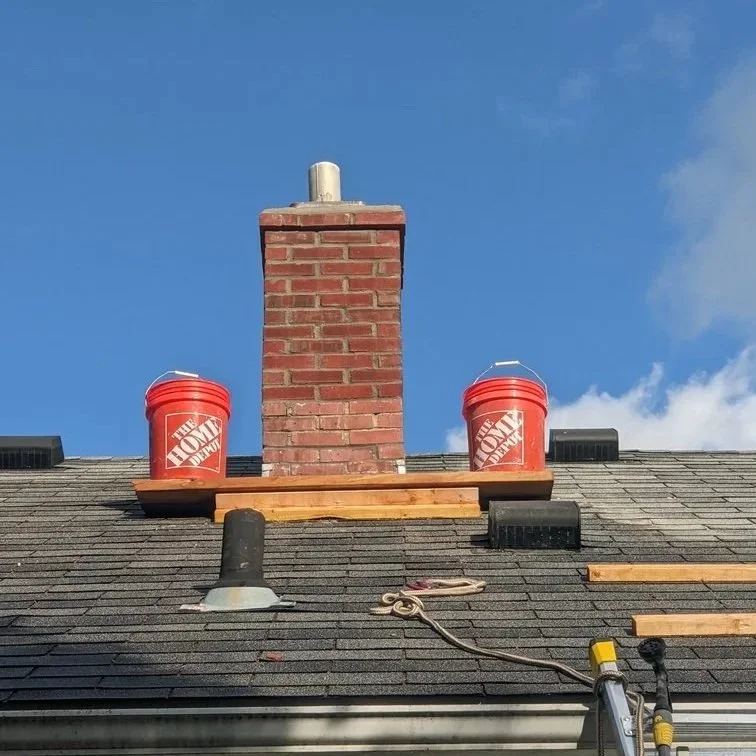
Recognizing warning signs early prevents costly chimney failures and protects your home from fire, smoke, or structural hazards.
Why Knowing These Chimney Warning Signs Matters
Most chimney problems do not start as emergencies. Homeowners usually begin with small fixes like repointing a few mortar joints, replacing a chimney cap, or sealing minor crown cracks. Those repairs are often appropriate at first. The problem is that chimneys are constantly exposed to heat, moisture, weather, and time, and over the years, that exposure adds up. Eventually, the structure itself can deteriorate to a point where simple repairs are no longer safe or effective.
This matters because continuing to rely on patch jobs when a chimney is fundamentally failing can increase long-term costs and introduce serious safety risks. Advanced chimney deterioration can lead to chimney fires, falling masonry, smoke spillage, and carbon monoxide exposure. Many of these dangers are not obvious at first glance. The purpose of this article is to help homeowners recognize when a chimney has crossed the line from “repairable” to needing major repair, restoration, or rebuilding, so they can make decisions before a minor issue turns into a costly or dangerous failure.
This guide focuses on helping you identify visible warning signs, performance problems, moisture and structural issues, and professional assessment triggers that indicate deeper chimney failure. It also addresses common misconceptions, such as assuming another round of repointing or a new cap will fix everything. While this article does not replace an on-site professional inspection, it is designed to help you understand what you are seeing and ask better questions when speaking with a chimney professional.
Understanding the Difference Between Simple Repair and Major Chimney Work
A simple chimney repair typically addresses a localized problem. This might include replacing a damaged chimney cap, resealing flashing, repointing a limited number of mortar joints, patching small crown cracks, or replacing a short section of flue liner. These repairs are usually quick, relatively affordable, and appropriate when the chimney is still structurally sound, plumb, and largely intact.
Major chimney work is different in scope and intent. It includes partial or full chimney rebuilds, complete crown replacement, full flue relining, rebuilding damaged smoke chambers, or stabilizing a leaning chimney. These projects address widespread deterioration, structural instability, or serious safety issues. They often involve dismantling sections of the chimney, using scaffolding, and rebuilding components to meet modern safety and code requirements.
The line between repair and rebuild matters because once the chimney can no longer reliably contain heat, smoke, and gases or safely support its own weight, patching individual symptoms is no longer responsible. Professionals determine this by assessing how much of the chimney is damaged, whether problems are recurring, and whether multiple systems are failing simultaneously.
Visible Exterior Red Flags That Signal Deeper Problems
Severe brick spalling and crumbling masonry are among the clearest signs that a chimney has moved beyond simple repair. When brick faces flake, chip, or crumble across large sections of the chimney, moisture has penetrated deeply into the masonry. While replacing a few damaged bricks can be reasonable, widespread spalling weakens the entire structure and usually requires more comprehensive restoration or rebuilding.
Large cracks, gaps, and missing mortar joints tell a similar story. Mortar holds the chimney together and helps distribute structural loads. Small cracks can often be repointed, but deep gaps, missing mortar, or erosion across much of the chimney allow water intrusion and reduce structural stability. When a significant percentage of joints are compromised, simple repointing often will not last.
A leaning or out-of-plumb chimney is a serious warning sign. Chimneys should stand straight. If the stack appears to tilt, bow, or pull away from the house, it indicates structural movement caused by foundation issues, mortar failure, or long-term water damage. Cosmetic fixes cannot correct this kind of instability. Leaning chimneys typically require major structural repair or rebuilding.
Chimney crown failure is another critical indicator. The crown protects the chimney from water intrusion. Hairline cracks can sometimes be sealed, but large cracks, missing sections, or crowns that repeatedly fail after repairs suggest deeper structural or moisture problems. At that point, rebuilding the crown alone may not be enough if the masonry beneath is already compromised.
Rust stains, efflorescence, and dark moisture patterns on the chimney exterior also point to chronic water intrusion. While isolated staining can sometimes be addressed with targeted repairs, extensive or long-standing moisture patterns often indicate that water management has failed throughout the system, requiring more comprehensive solutions.
Interior Warning Signs You Should Not Ignore
Persistent smoke spillage is more than an inconvenience. If smoke regularly enters the room during normal use, it often indicates flue damage, internal obstructions, or design flaws that prevent proper draft. When smoke problems persist despite cleanings or minor adjustments, they often require significant corrective work rather than another small fix.
Strong, lingering odors from the fireplace or chimney can signal moisture-saturated masonry, heavy creosote buildup, or failing flue components. Odors that return quickly after cleaning or worsen over time suggest underlying structural or moisture issues that simple cleaning or sealing will not resolve.
Cracks, gaps, or crumbling materials inside the firebox and smoke chamber are serious safety concerns. These components are designed to contain intense heat. While minor surface repairs are sometimes possible, widespread damage often requires rebuilding or relining to restore safe clearances and heat containment.
Soot stains on walls or ceilings near the chimney indicate smoke leakage. Repainting without addressing the cause does nothing to fix the problem. When soot extends beyond the immediate firebox area, it often indicates internal breaches that require major repairs or reconstruction.
Structural Instability and Active Failure Signs
Gaps forming between the chimney and the house at the roofline or exterior walls show that the chimney is moving independently of the structure. Filling these gaps with caulk or mortar does not address the underlying issue. Structural movement usually demands comprehensive evaluation and repair.
Finding falling debris such as brick fragments, mortar chunks, or flue tile pieces on the roof or ground is a clear sign of active deterioration. This indicates the chimney is shedding material and may be at risk of partial collapse, which goes far beyond simple repair.
Foundation and footing problems also push a chimney out of the repair category. Cracks or settlement at the base of the chimney undermine its ability to support itself safely. Once the foundation is compromised, rebuilding is often the only durable solution.
A history of chimney fires is another major red flag. High temperatures during a fire can crack liners and damage masonry in ways that are not always visible. After a fire, inspections often reveal damage extensive enough to require relining, rebuilding, or both.
Flue and Liner Failures With Serious Consequences
Cracked, missing, or shifted clay flue tiles compromise the chimney’s ability to vent heat and gases safely. Spot repairs are rarely effective once tiles are significantly damaged. Full relining or reconstruction is usually required.
Corroded or deteriorated metal liners present similar risks. Rust, joint separation, or warping means the liner can no longer reliably contain combustion gases. Replacement is typically necessary, and surrounding masonry may also need repair.
Unlined chimneys serving modern appliances are another issue. While adding a liner can sometimes solve the problem, severely deteriorated masonry may not be able to support a liner safely, requiring major restoration in addition to lining.
Recurring blockages caused by falling tiles or debris indicate an internal failure. Cleaning alone treats the symptom, not the cause, and repeated blockages usually lead to more invasive repairs.
When Performance Problems Keep Coming Back
Repairs that fail within a season or two are a clear signal that the underlying issue has not been addressed. Reopening cracks, returning leaks, and recurring draft issues point to systemic problems rather than bad luck.
Worsening draft issues despite cleanings and adjustments often reflect design or structural flaws. At that point, resizing or replacing the liner, altering chimney height, or rebuilding sections may be required.
When multiple problems appear at once, such as exterior damage, interior staining, and draft issues, it usually means the chimney system as a whole is failing. Addressing one issue at a time with minor repairs rarely restores overall health.
Safety Indicators That Require Immediate Attention
Carbon monoxide alarms, unexplained illness symptoms, evidence of chimney fires, excessive creosote buildup, and heat or smoke damage to nearby combustibles are all urgent warning signs. These issues often involve hidden damage and require significant repair or rebuilding to correct safely.
Code violations discovered during inspections or home sales also indicate that a chimney is no longer acceptable in its current state. Bringing a non-compliant chimney up to code often involves major work rather than minor fixes.
When Professionals Say Repair Is Not Enough
Higher-level inspections often uncover hidden damage that explains why simple repairs have failed. When experienced chimney professionals consistently recommend major restoration or rebuilding based on documented findings, it usually reflects real safety and structural concerns, not upselling.
Cost-Benefit Reality
Repeated small repairs on a failing chimney often cost more over time than one well-planned major project. Major work typically improves safety, performance, efficiency, and home value while reducing ongoing maintenance. Planning this work proactively also allows better scheduling and cost control.
Conclusion: Knowing When to Move Beyond Simple Repairs
Recognizing when a simple chimney repair is no longer enough protects both safety and finances. Widespread masonry damage, structural movement, flue failure, chronic moisture issues, recurring problems, and safety warnings all point toward the need for major repair or rebuilding. Addressing these issues early, with qualified professionals, helps ensure the chimney remains a safe and reliable part of the home rather than an ongoing liability.
Chimney Repair & Safety FAQs
If damage is minor, localized, and the chimney is structurally sound, simple repairs may be appropriate. A professional inspection is the best way to confirm this.
Some signs require immediate cessation of use, especially carbon monoxide alarms, chimney fire evidence, or structural instability. Always follow professional guidance.
Yes, depending on safety needs, heating use, and home value considerations. In some cases, rebuilding or restoring is the best long-term solution.
Chimneys in regular use should be inspected at least annually. Changes in appliance type or performance issues warrant additional inspections.
Trust Golden Stone Masonry in St. Paul, MN, for professional chimney repair, foundation masonry repair, tuckpointing & mortar joint repair, and brick repair & restoration services. Our team works hard to restore strength and prevent moisture intrusion. Ours is a licensed and insured company offering a 10-year warranty. Get your free estimate today.
