
How to Prevent Future Chimney Leaks in St. Paul, MN
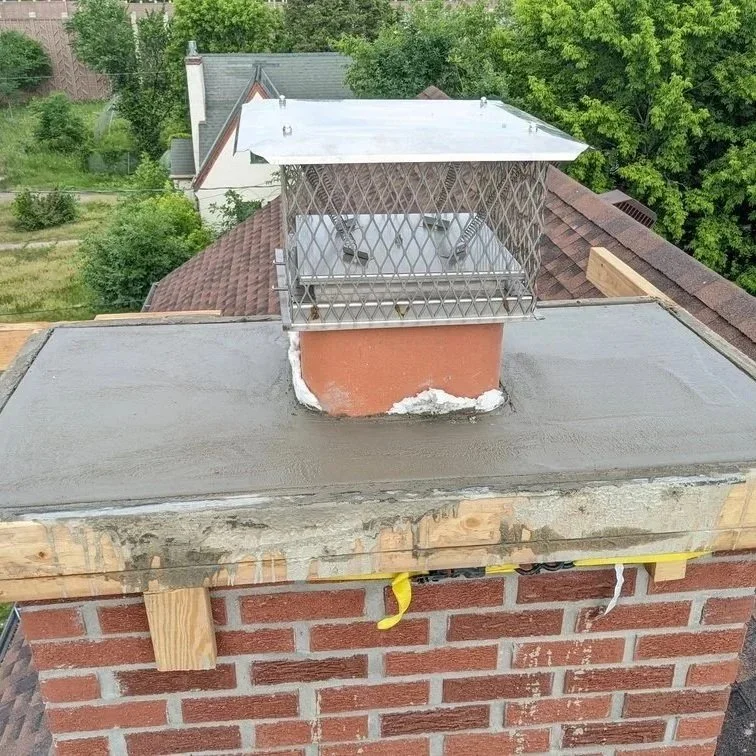
Preventing chimney leaks in St. Paul requires addressing crowns, flashing, and masonry to withstand harsh winters and freeze-thaw cycles.
Understanding Why Chimney Leaks Are So Common in St. Paul, MN
How St. Paul’s Climate Affects Your Chimney
St. Paul’s climate is harsh on masonry chimneys. Long, cold winters combined with frequent freeze-thaw cycles create ideal conditions for water-related damage. Moisture seeps into tiny pores and cracks in brick, mortar, and concrete, then freezes and expands, slowly widening those openings over time. Late winter and early spring are especially damaging, when sub-freezing nights alternate with quick daytime thaws that repeatedly stress chimney materials.
Heavy snow loads add another layer of pressure. Snow can sit on crowns, shoulders, and flashing for weeks, keeping masonry saturated. Strong winds, ice storms, and sharp temperature swings can loosen flashing, shift caps, and fatigue metal components. Even a well-built chimney in St. Paul will age faster than one in a milder climate, which is why proactive leak prevention is far more critical here than in many other parts of the country.
Typical Entry Points for Water in St. Paul Chimneys
Most chimney leaks in St. Paul start at predictable weak points. The chimney crown at the top often cracks or deteriorates first. Flashing where the chimney meets the roof can loosen or separate. Mortar joints may crack or wash out; bricks can spall; caps can rust or go missing; and gaps can form around flue liners. Water entering at any of these locations can travel downward through the chimney system before finally appearing as stains, odors, or damaged walls inside the home.
One of the most frustrating aspects of chimney leaks is how deceptive they can be. Water may enter near the top but show up much lower, sometimes several feet away from the actual source. Thinking of the chimney as a complete system rather than a single structure helps explain why true prevention requires more than just patching visible interior damage.
Signs You May Already Have a Chimney Leak
St. Paul homeowners should watch for warning signs such as water stains on ceilings or walls near the chimney, peeling paint, damp or musty smells, efflorescence on brick surfaces, rusted dampers or fireplace doors, and crumbling firebox mortar. Some people hear dripping in the flue during rain or notice dark, damp-looking areas on the exterior of the chimney.
Early detection matters. Small leaks are usually far easier and less expensive to correct than long-standing water intrusion. Even occasional moisture indicates vulnerabilities that will almost certainly worsen under St. Paul’s severe weather conditions if left unaddressed.
Risks of Ignoring or Delaying Chimney Leak Repairs
Ignoring minor chimney leaks can lead to serious long-term consequences. Structurally, water weakens mortar, loosens bricks, rusts metal components, and can rot roof framing or attic materials near the chimney. Over time, this can create falling masonry hazards, blocked flues, or compromised venting, affecting indoor air quality.
Financially, delayed repairs often snowball into major reconstruction, interior drywall replacement, roofing repairs, and potential insurance disputes if routine maintenance has been neglected. Preventive care is almost always far less costly than correcting widespread damage after years of exposure.
Planning a Preventive Maintenance Strategy for Your Chimney
Setting a Seasonal Inspection Schedule for St. Paul Weather
A consistent inspection schedule is essential in St. Paul’s climate. Most homes benefit from at least one professional chimney inspection each year, ideally in late summer or early fall before heating season begins. A second, simpler self-check in spring helps identify damage caused by snow and ice.
Integrating chimney inspections into a broader home maintenance calendar alongside roof, gutter, and furnace checks keeps things manageable. Treating chimney care as routine rather than reactive also helps maintain resale value and demonstrates responsible upkeep to insurers.
Prioritizing High-Risk Chimney Components
Certain chimney components deserve priority in any preventive plan. The crown, flashing, cap, masonry joints, and interior flue system are the most exposed to moisture and the most vulnerable to St. Paul’s weather extremes. Focusing attention and budget on these elements delivers the greatest return in leak prevention.
Prevention does not require fixing everything at once. Addressing failing flashing before cosmetic brick work, or installing a quality cap before decorative upgrades, allows homeowners to make smart, phased decisions over multiple seasons.
Budgeting for Ongoing Chimney Leak Prevention
Planning a realistic maintenance budget helps avoid surprise expenses. Typical preventive costs in St. Paul may include an annual inspection, occasional crown repair or replacement, flashing maintenance, cap installation, and periodic masonry waterproofing. Spread over several years, these costs are far more manageable than emergency repairs.
Viewing chimney care as a long-term investment helps shift perspective. Preventing leaks extends chimney life and protects the roof and interior. Setting aside a modest yearly maintenance fund and getting multiple quotes from reputable local professionals helps homeowners plan confidently.
Choosing Between DIY Maintenance and Professional Service
Homeowners can safely handle some preventive tasks, such as ground-level visual inspections, attic moisture checks, and monitoring interior signs. Jobs involving roof access, crown work, flashing replacement, liner repair, or specialized waterproofing generally require professional expertise and safety equipment.
DIY mistakes in a harsh climate can make leaks worse by trapping moisture or missing structural issues. Safety is also a major concern on icy roofs and fragile masonry. Balancing cost savings with durable, code-compliant work is especially important in St. Paul.
Importance of Annual Chimney Inspections in St. Paul
What a Professional Chimney Inspection Should Include
A thorough inspection evaluates exterior masonry, crown, flashing, and cap, as well as the interior flue liner, firebox, and damper. Inspectors look for moisture intrusion, cracking, movement, and early signs of deterioration. Cameras and moisture meters may be used to detect hidden problems.
A quality inspection includes a written report outlining current issues, future risks, and prioritized recommendations. In St. Paul’s freeze-thaw climate, identifying potential leak sources before they fail is one of the most valuable aspects of an inspection.
Understanding Inspection Levels
Level 1 inspections cover basic visual checks for systems in normal use. Level 2 inspections are more comprehensive and often include video scanning, commonly required after system changes, severe weather, or property sales. Level 3 inspections are invasive and reserved for suspected serious hazards.
St. Paul homeowners typically rely on Level 1 for routine maintenance, with Level 2 warranted after leaks, chimney fires, or major storms. Choosing the right level helps ensure water entry paths are not overlooked.
How Often to Schedule Inspections
Annual inspections are the minimum recommendation in St. Paul. Older chimneys, high-use fireplaces, or chimneys with a history of leaks may benefit from additional checks every few years. After major wind, ice, or snow events, a visual review is wise, with a professional visit if anything appears damaged.
Questions to Ask Your Chimney Inspector
Homeowners should ask whether any signs of water intrusion were found, the condition of the crown and flashing, whether masonry cracks could worsen in winter, and if preventive waterproofing is recommended. Requesting photos, video footage, and clear estimates helps with planning and comparison.
Protecting the Chimney Crown from Water Damage
What the Chimney Crown Does and Why It Matters
The chimney crown sheds water away from the flue and brickwork, acting like an umbrella for the chimney. Proper slope, overhang, and durable materials are essential, especially in St. Paul, where freeze-thaw cycles are intense.
Common Crown Problems in St. Paul Homes
Older homes often have cracked, crumbling, or poorly sloped crowns made from basic mortar rather than proper concrete. Standing water accelerates damage. Visible cracks or missing pieces are common clues.
Repairing Versus Replacing a Damaged Chimney Crown
Minor cracks may be sealed with specialized crown coatings, while severely damaged crowns usually need full replacement. A well-built new crown offers far better long-term protection in St. Paul’s climate.
Using Crown Sealants and Coatings
Modern sealants add flexible protection to sound crowns. Proper preparation and warm, dry application conditions are essential. Professional installation often yields the most durable results.
Ensuring Chimney Flashing Is Watertight
What Chimney Flashing Is and How It Prevents Leaks
Flashing seals the joint between the chimney and the roof, using step and counter flashing to channel water away. This area sees heavy stress from snow and ice in St. Paul.
How Harsh Winters Impact Flashing
Ice dams, metal expansion, and backing water loosen flashing and degrade sealants. Interior stains near the chimney often trace back to flashing issues.
Repair Options for Failing Flashing
Minor resealing may help temporarily, but proper repairs often involve replacing partial or full flashing, integrated with roofing materials.
Why Professional Flashing Installation Is Critical
Flashing requires roofing and masonry expertise. Poor installation is a leading cause of recurring leaks. Professional work saves money long term.
Installing and Maintaining a Quality Chimney Cap
Role of a Chimney Cap in Leak Prevention
Caps block rain, snow, debris, and animals from entering the flue. In St. Paul, they significantly reduce exposure to internal moisture.
Choosing the Right Chimney Cap
Stainless steel and copper perform best in snowy climates. Proper sizing and design matter for full coverage and durability.
Ensuring Proper Cap Installation
Caps must be securely mounted without trapping water or cracking masonry. Professional fitting ensures stability during high winds and storms.
Regular Cap Maintenance
Annual checks for rust, debris, or damage keep caps functioning properly and extend their lifespan.
Waterproofing and Sealing Masonry Chimneys
Why Masonry Chimneys Need Waterproofing
Brick absorbs moisture, which freeze-thaw cycles then exploit. Breathable waterproofing slows this process significantly.
Types of Waterproofing Products
Silane and siloxane-based products repel water while allowing vapor escape. Paints and non-breathable sealers should be avoided.
Proper Application and Timing
Surfaces must be clean, repaired, and dry. Late spring through early fall offers ideal conditions in St. Paul.
Common Waterproofing Mistakes
Sealing damaged or wet masonry traps moisture, worsening deterioration. Professional guidance helps avoid costly errors.
Maintaining Mortar Joints and Brickwork
How Deteriorating Mortar Leads to Leaks
Cracked or missing mortar allows direct water entry and weakens the structure.
Spotting Early Damage
Cracks, gaps, spalled bricks, and efflorescence are key warning signs.
The Tuckpointing Process
Removing failed mortar and replacing it with compatible material restores strength and water resistance.
When to Call a Professional
Extensive damage, loose bricks, or structural concerns warrant expert evaluation, especially in St. Paul’s climate.
Addressing Chimney Liner and Interior Moisture Issues
How Liners Relate to Leak Prevention
Sound liners protect masonry from moisture and acidic condensate.
Signs of Interior Moisture
Rust, damp smells, flaking tiles, and condensation point to liner or cap issues.
Repair and Relining Options
Stainless steel or cast-in-place liners improve safety, draft, and moisture control.
Reducing Condensation
Proper sizing, insulation, and venting keep flues warmer and drier.
Preventing Ice and Snow-Related Chimney Leaks
Understanding Ice Dams
Ice dams trap water that backs up around flashing, causing leaks near chimneys.
Snow Load and Structural Stress
Heavy snow adds weight and pressure, worsening cracks and movement.
Safe Snow Management
Roof rakes from the ground are safest. Avoid chipping ice near masonry.
Long-Term Ice Dam Reduction
Better insulation, air sealing, ventilation, and proper roof details reduce risk.
Managing Attic and Roof-Side Moisture
Checking the Attic
Look for damp insulation, stains, mold, or frost near the chimney.
Sealing Air Leaks
Proper fire-safe sealing reduces condensation and ice dams.
Improving Ventilation
Balanced intake and exhaust vents stabilize attic conditions.
Coordinating Roof and Chimney Work
Joint planning improves flashing, waterproofing, and durability.
Selecting a Reputable Chimney Professional in St. Paul, MN
Credentials and Experience
Look for proper certification, insurance, and local experience.
References and Reviews
Local success over multiple winters is a strong indicator of quality.
Questions to Ask
Ask about diagnosis methods, materials, warranties, and climate-specific solutions.
Understanding Estimates and Warranties
Clear scopes, realistic pricing, and written warranties matter.
Seasonal Chimney Maintenance Checklist
Spring
Inspect for winter damage and plan repairs early.
Fall
Complete inspections, cleanings, and repairs before freezing weather.
Winter
Monitor safely for new leaks or changes.
Year-Round Habits
Maintain gutters, trim branches, and keep maintenance records.
Conclusion: Building a Long-Term Strategy to Prevent Chimney Leaks in St. Paul, MN
St. Paul’s cold winters, heavy snow, and freeze-thaw cycles make chimney leak prevention essential. Understanding how water enters through crowns, flashing, caps, masonry, and liners allows homeowners to act proactively. Regular inspections, quality repairs, breathable waterproofing, and coordination with roofing and attic maintenance provide lasting protection.
A thoughtful, consistent maintenance strategy costs less than reactive repairs and protects the chimney, roof, and interior. By staying observant, following seasonal routines, and working with experienced local professionals, St. Paul homeowners can enjoy safe, efficient chimneys while minimizing the risk of future leaks.
FAQs
In St. Paul’s climate, a professional chimney inspection should be scheduled at least once a year. The combination of heavy snow, freeze-thaw cycles, and long heating seasons puts more stress on chimneys than in milder regions. Annual inspections, ideally in late summer or early fall, allow issues to be identified and repaired before winter use begins. Homes with older masonry chimneys, frequent fireplace or wood stove use, or a history of leaks may benefit from additional inspections every few years or after severe storms, ice dam events, or unusually heavy snowfall.
In older St. Paul homes, chimney leaks most often stem from aging construction details that were not designed for decades of extreme weather exposure. Common causes include cracked or deteriorated chimney crowns, worn or missing flashing, failing mortar joints, spalled bricks, and missing or rusted chimney caps. Many older chimneys also have original clay flue liners that crack over time, allowing moisture to migrate into the masonry. Freeze-thaw cycles accelerate all of these issues, turning small defects into significant leak pathways if they are not addressed early.
While some homeowners attempt DIY chimney waterproofing, professional evaluation and application are usually the safer and more effective option in St. Paul’s climate. Waterproofing should only be applied after all cracks, damaged mortar, and structural issues are repaired. Applying sealer over compromised masonry can trap moisture and worsen freeze-thaw damage. Professionals use breathable, vapor-permeable products designed for masonry and know how to prepare surfaces correctly and apply them under the right weather conditions. DIY efforts may be suitable only for minor, well-understood situations and should follow manufacturer guidelines very carefully.
Distinguishing between chimney leaks and roof leaks often depends on patterns and timing. Chimney-related stains typically appear near the fireplace, along the chimney chase, or on walls and ceilings directly adjacent to the chimney, and they often worsen after snowmelt or wind-driven rain. Roof leaks may show up farther from the chimney or along roof valleys and exterior walls. Checking the attic around the chimney during or after rain or thaw conditions can provide valuable clues. Because water can travel along framing before becoming visible, professional inspections using attic evaluations, moisture tracing, or controlled water testing are often needed to identify the true source accurately.
Trust Golden Stone Masonry in St. Paul, MN, for professional chimney repair, foundation masonry repair, tuckpointing & mortar joint repair, and brick repair & restoration services. Our team works hard to restore strength and prevent moisture intrusion. Ours is a licensed and insured company offering a 10-year warranty. Get your free estimate today.
