

Why Local Experience Matters When Hiring for Chimney Rebuilds
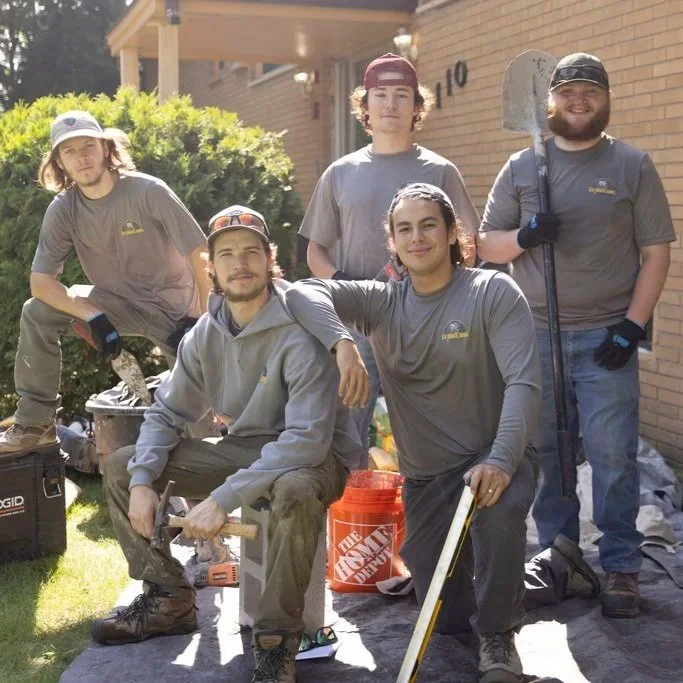
Local experience matters—experienced professionals ensure chimney rebuilds are safe, durable, and suited to St. Paul’s climate conditions.
Understanding Chimney Rebuilds: What’s Really Involved
Defining a Chimney Rebuild vs. Repair
A chimney rebuild is very different from routine chimney repairs, even though the terms are often used interchangeably. Repairs typically address isolated problems such as deteriorated mortar joints through tuckpointing, a cracked crown, damaged flashing, or replacing a flue liner. These solutions work when the chimney’s overall structure is still sound. A rebuild, on the other hand, involves dismantling and reconstructing part or all of the chimney because the masonry has lost its structural integrity. In many cases, this means rebuilding from the roofline up, where weather damage is most severe. In more extreme situations, rebuilding may extend from the firebox upward. A rebuild is a structural project that affects safety, venting performance, and the home itself, not a cosmetic upgrade.
Rebuilds are typically triggered by serious conditions such as extensive brick spalling, deep cracks running through the masonry, chimneys that lean or shift, fire damage, or years of unchecked water intrusion. Once a chimney reaches this point, patchwork repairs no longer solve the underlying problems. Because rebuilds are complex and safety-critical, they demand a professional who understands not only masonry construction but also local climate stresses, building codes, and inspection requirements. This is where local experience becomes a defining factor.
Key Components of a Chimney System
A chimney rebuild usually involves more than replacing visible bricks. The system includes masonry units and mortar joints that provide strength, a flue liner that safely vents combustion gases, a chimney crown that sheds water, flashing that seals the joint between chimney and roof, and a cap that keeps rain, debris, and animals out. In some cases, interior components like the smoke chamber or firebox also require attention. Each part plays a role in structural stability, draft performance, fire safety, and moisture control.
Local conditions heavily influence how these components perform over time. Freeze-thaw cycles can crack mortar and brick, heavy rain can overwhelm poorly designed crowns, snow loads stress masonry, and high winds affect both stability and draft. A contractor with local experience understands how these forces interact with each chimney component and can design a rebuild that stands the test of time, long after the scaffolding comes down.
Common Reasons Homeowners Need a Chimney Rebuild
Homeowners often consider a rebuild after dealing with chronic leaks, interior water stains, crumbling bricks, missing masonry, smoke entering the home, or visible chimney movement. Structural causes include foundation settlement, poor original construction, exposure to de-icing salts, and failed past repairs that trapped moisture instead of stopping it. An older brick chimney in a cold climate that has endured decades of freeze-thaw damage is a classic example.
Local expertise matters because patterns repeat themselves. Contractors who work in the same region recognize common builder shortcuts from certain eras, neighborhood-specific construction habits, and climate-driven failure points. This familiarity allows them to diagnose root causes accurately and recommend rebuild strategies that resolve long-term issues rather than masking symptoms.
Risks of Treating a Rebuild as a Simple Masonry Job
A chimney is not just another brick structure. It is load-bearing, penetrates the roof, vents combustion gases, and must meet strict fire safety and draft requirements. Treating a rebuild like generic masonry work introduces serious risks, including carbon monoxide intrusion, chimney fires, water damage, and even collapse if the structure is improperly supported or anchored.
Lack of local experience can amplify these dangers. A contractor unfamiliar with the area may underestimate wind loads, snow accumulation, or typical roof designs, resulting in incorrect chimney height, inadequate flashing, or weak anchoring. Local expertise goes beyond laying brick correctly; it directly affects safety and long-term performance.
How Chimney Rebuilds Impact Home Value and Safety
A properly rebuilt chimney restores structural integrity, improves draft and appliance performance, and reduces smoke, odor, and fire risks. Modern rebuilds can incorporate better liners, crowns, and caps that enhance efficiency and durability. These improvements directly affect how safe and comfortable the home feels.
Local experience also influences perceived value. Home inspectors, appraisers, and buyers are reassured by rebuilds performed by reputable local chimney companies known in the community. In contrast, work completed by unfamiliar or out-of-area contractors may raise questions, even if it looks acceptable on the surface.
Why Local Building Codes and Permits Matter for Chimney Rebuilds
Local Code Requirements for Chimneys
Chimney construction is governed by building and fire codes, but those codes are often locally amended and interpreted. Requirements commonly address chimney height relative to the roof, clearances from combustibles, flue sizing, and sometimes wind or seismic considerations. These details are not universal.
A contractor with local experience understands how your municipality enforces these rules in practice. They know what inspectors focus on, which details trigger corrections, and what documentation is expected. This familiarity reduces delays and avoids costly mid-project changes.
Permit Processes and Inspection Timelines
Most chimney rebuilds require permits, drawings, fees, and scheduled inspections. Each jurisdiction handles these steps differently, with varying approval timelines and inspection backlogs.
Local contractors know how to navigate this system efficiently. They understand which forms are required, how long approvals typically take, and how to schedule inspections without stalling the project. Contractors unfamiliar with the process often cause delays or miss requirements entirely.
Consequences of Ignoring Local Codes
Non-compliant rebuilds can result in failed inspections, stop-work orders, fines, insurance issues, and complications during home sales. Correcting violations after the fact is often far more expensive than doing the job right the first time.
Contractors who work locally every day know where homeowners typically get tripped up and build to local expectations from the start, protecting you from legal and financial problems.
Local Amendments and Historical District Rules
Historic districts and certain neighborhoods often impose additional rules governing exterior appearance, materials, and design. Chimney height, color, and brick type may require special approval.
Local contractors experienced in these areas know how to balance historical aesthetics with modern safety requirements and how to work with review boards to avoid delays or rejections.
Working With Local Inspectors and Officials
Inspectors often exercise discretion, especially in older homes. Contractors who regularly work in the area understand how inspectors interpret codes and what they expect to see on-site.
This familiarity leads to clearer communication, fewer misunderstandings, and more practical solutions when unusual conditions arise, all without cutting corners.
Climate and Weather: How Local Conditions Shape Chimney Design
Freeze-Thaw Cycles and Masonry Damage
Freeze-thaw cycles occur when moisture enters masonry, freezes, expands, and eventually breaks the material apart. The result is spalling bricks, cracked mortar, and eventual structural failure.
Local contractors in cold climates select freeze-resistant bricks, appropriate mortar mixes, and design details like well-built crowns and proper overhangs. These choices reflect years of seeing what survives local winters and what does not.
Rainfall, Humidity, and Water Penetration
Frequent rain and high humidity accelerate water intrusion, leading to rusted metal components, liner deterioration, mold, and interior damage. Even in moderate climates, crowns and flashing can suffer if they are poorly detailed.
Local professionals understand storm patterns and exposure. They know which sides of homes take the most abuse and can tailor flashing, caps, and water management accordingly.
Wind, Storms, and Draft Performance
Wind patterns affect chimney stability and draft. Poorly designed chimneys may experience downdrafts, smoke backflow, or cap damage.
Contractors with local experience account for prevailing winds, roof geometry, and storm frequency when determining chimney height, cap selection, and reinforcement.
Seismic, Coastal, and Regional Hazards
Certain regions face earthquakes, salt air, wildfires, or heavy snow loads. Each hazard demands specific materials and construction techniques.
Local contractors are accustomed to these conditions and know what reinforcements, corrosion-resistant materials, or spark-control measures are required to pass inspection and perform reliably.
Adapting to Local Energy Efficiency and Venting Needs
Regional building practices affect chimney design. Airtight homes in cold climates behave differently from older, drafty houses.
Local contractors understand typical construction in the area and can recommend liners, venting strategies, and make-up air solutions that work with local housing stock.
Local Materials and Sourcing: Matching Your Home and Environment
Choosing Masonry Materials That Suit the Local Climate
Brick and mortar performance varies by climate. Some materials absorb more moisture and fail faster in freeze-thaw conditions.
Contractors with local experience know which materials have proven durable over decades and maintain relationships with suppliers who stock reliable options.
Matching Existing Home Aesthetics and Neighborhood Style
A rebuilt chimney should blend with the home and neighborhood. Poorly matched masonry can detract from curb appeal.
Local contractors understand prevailing architectural styles and are better at sourcing matching or complementary materials that make the rebuild look original.
Working With Local Suppliers and Lead Times
Material availability affects scheduling. Local contractors know which products are readily available and which require long lead times.
This knowledge helps avoid delays and allows for practical substitutions that meet performance and aesthetic goals.
Regional Best Practices for Crowns, Caps, and Flashing
Design details vary by region. Some crown designs, cap styles, and flashing methods work better in certain climates.
Local contractors apply proven regional practices that protect the chimney long term.
Understanding Local Availability of Liners and Accessories
Liner types and accessories vary by region depending on common fuel types and appliances.
Local professionals recommend products that are easy to service and replace locally, simplifying future maintenance.
Knowledge of Local Housing Stock and Construction Practices
Common Chimney Issues in Local Home Ages and Styles
Different eras produce different problems. Older homes may have unlined chimneys or outdated clearances, while newer homes may have factory-built systems that can fail in unique ways.
Local contractors recognize these patterns and plan rebuilds accordingly.
Integration With Local Roof Designs and Materials
Roof pitch and materials affect flashing and water management.
Contractors familiar with local roofs know how to integrate chimneys without creating leaks or aesthetic issues.
Historical Construction Quirks and Retrofits
Older homes often contain unusual framing or past modifications.
Local contractors have seen these quirks repeatedly and know which solutions work.
Coordinating With Local Trades and Services
Rebuilds may involve roofers, HVAC professionals, or engineers.
Local contractors have established networks that streamline coordination.
Adapting to Local Renovation Trends
Fireplace usage trends vary by region.
Local contractors understand how homeowners actually use their chimneys and design rebuilds accordingly.
Local Reputation, Reviews, and Community Trust
The Value of Word-of-Mouth
Local word-of-mouth matters in specialized trades.
Community recommendations reflect real performance under local conditions.
Reading Reviews With Local Context
Reviews from nearby homeowners are more relevant than generic ratings.
They reflect local codes, climate, and expectations.
Local Case Studies and Examples
Seeing nearby rebuilds demonstrates real-world capability.
Local portfolios show consistent performance.
Community Involvement and Longevity
Long-standing local businesses are more likely to honor warranties.
Community roots signal accountability.
Working With Local Real Estate and Insurance Professionals
Local professionals know which contractors’ work passes scrutiny.
Their informal endorsements add credibility.
Cost, Pricing, and Value: How Local Experience Affects Your Budget
Understanding Local Price Ranges
Costs vary by region due to labor, materials, and demand.
Local contractors estimate more accurately based on experience.
Balancing Upfront Cost With Durability
Low bids often reflect shortcuts.
Local experience leads to designs that last longer.
Avoiding Hidden Costs
Misjudging local conditions leads to expensive fixes.
Local knowledge reduces these risks.
Seasonal Timing and Scheduling
Weather affects masonry work.
Local contractors advise on optimal timing.
Insurance, Liability, and Licensing Costs
Proper licensing and insurance vary by region.
Local contractors factor this correctly into bids.
How Local Contractors Handle Permits and Documentation
Local professionals streamline permits and inspections.
They provide documentation that supports resale and insurance needs.
Communication, Responsiveness, and Aftercare
Proximity allows faster visits and follow-up.
Local relationships support long-term maintenance.
Safety, Liability, and Insurance: Local Experience as Risk Protection
Local contractors understand regional safety enforcement.
They reduce risks of fire, gas intrusion, and structural failure.
Environmental and Regulatory Considerations
Local air quality, wildfire rules, historic preservation, and waste disposal all affect chimney work.
Local contractors stay updated with these regulations.
How to Evaluate and Choose a Local Chimney Rebuild Contractor
Verify licenses, ask local-specific questions, review local references, and compare detailed bids.
Prioritize transparency and local accountability.
Conclusion: Why Local Experience Should Guide Your Chimney Rebuild Decision
Chimney rebuilds are complex, safety-critical projects shaped by local codes, climate, housing styles, and materials. Contractors with local experience are uniquely equipped to navigate these variables, delivering safer, longer-lasting results. From smoother permitting to materials proven in local conditions, local expertise reduces risk and improves performance.
Choosing a locally experienced chimney professional means better communication, realistic pricing, reliable scheduling, and accessible aftercare. Rather than focusing on the lowest bid, homeowners are best served by prioritizing local knowledge and proven track records to protect both their home and investment.
FAQs About Hiring Locally Experienced Chimney Rebuild Contractors
Lower prices often reflect a lack of familiarity with local codes and climate, leading to shortcuts and future repairs that cost more overall.
Ask for local references, nearby project examples, and details about permits and inspections completed in your municipality.
Ask about local code requirements, climate-related material choices, common regional failure points, and permit timelines.
Yes. Even simple-looking rebuilds are affected by local weather, codes, and housing practices that determine long-term safety and durability.
Golden Stones Masonry is a licensed and insured expert, offering chimney repair, chimney rebuild, and foundation masonry repair solutions to St. Paul, MN, residents. Our professionals deliver reliable and long-lasting results that come with a 10-year warranty. We take pride in our transparent process and fair and honest pricing. Call now to book a service appointment.