
The Role of Chimney Crowns: Why Repairs Matter in St. Paul
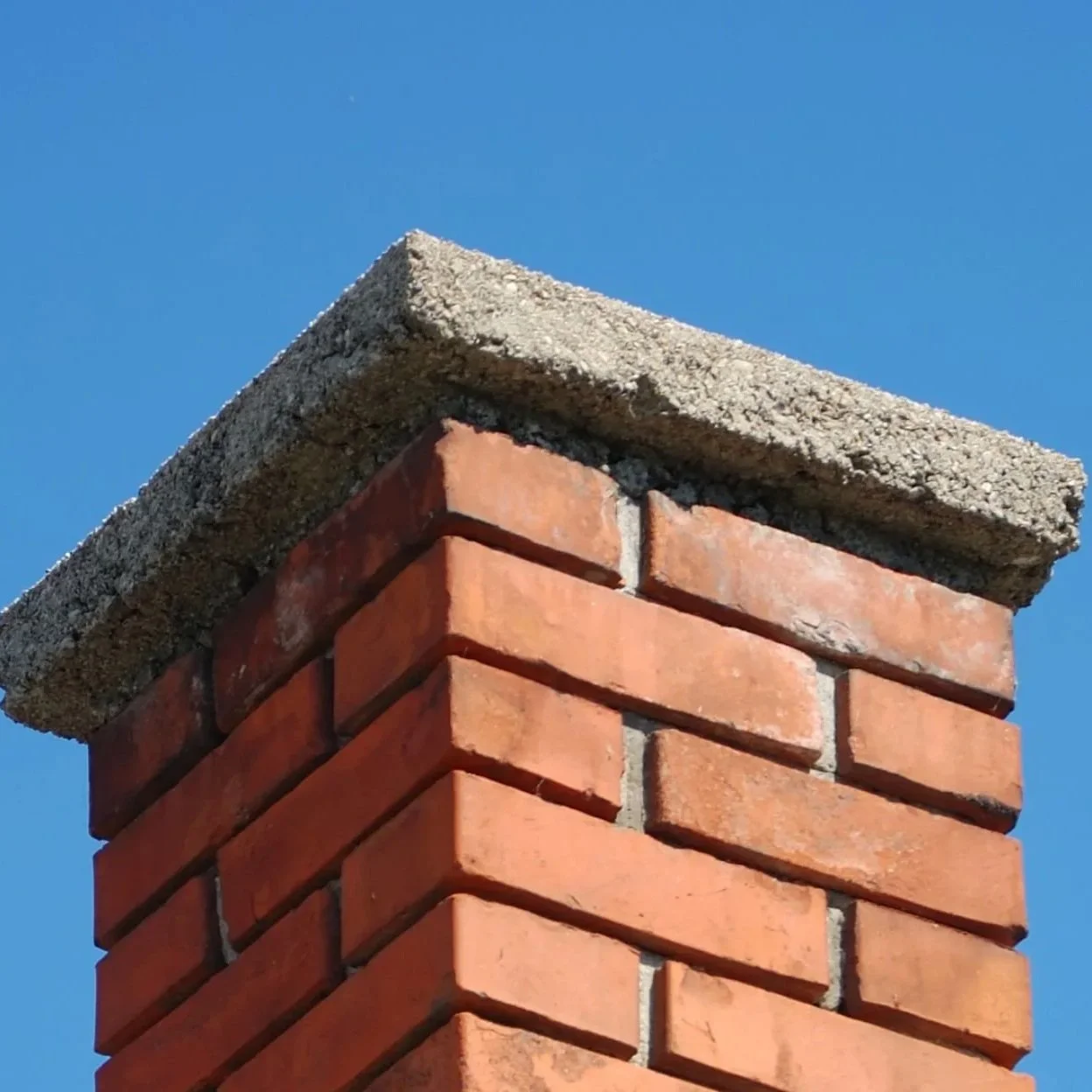
Repairing chimney crowns protects homes from water damage and structural deterioration caused by St. Paul’s freeze-thaw cycles.
Introduction: Understanding Chimney Crowns in St. Paul
This guide is designed to give St. Paul homeowners a clear, practical understanding of chimney crowns and why they deserve more attention than they usually get. You will learn what a chimney crown does, how to recognize early warning signs of damage, why delays can lead to costly problems, and what typically happens during a professional inspection or repair. The focus is on real-world “how it works” knowledge rather than technical jargon, so homeowners without construction or masonry backgrounds can confidently follow along and apply what they learn.
Chimney crowns are often overlooked because they sit at the very top of the chimney and are challenging to see from the ground. Many homeowners focus on the fireplace, flue, or roof and assume that if those areas seem fine, the chimney as a whole is fine. Unfortunately, crown problems often go unnoticed until water damage appears inside the home or the chimney structure begins to fail. In St. Paul, where freeze-thaw cycles, heavy snow, and ice are routine, a neglected chimney crown can deteriorate quickly and trigger far more expensive repairs than a timely fix would have required.
What Is a Chimney Crown?
A chimney crown is the sloped masonry surface that seals the top of a masonry chimney. It typically surrounds the flue liner and covers the entire top course of brick or stone. Its purpose is simple but critical: to shed water away from the flue opening and off the chimney edges so moisture does not soak into the masonry below. A properly built crown has sufficient thickness, a noticeable slope, and a slight overhang or drip edge that directs water clear of the chimney sides.
Homeowners often confuse chimney crowns with chimney caps or flashing. A chimney cap is a metal cover placed over the flue opening to keep out rain, animals, and debris. Flashing is installed where the chimney meets the roof to prevent leaks at that joint. The crown is different. It is part of the chimney’s masonry structure itself and serves as the primary shield against water entering from above. On factory-built chimneys, a metal chase cover may replace a traditional crown, but masonry chimneys rely heavily on a well-constructed crown for long-term durability.
In St. Paul homes, chimney crowns are commonly made from mortar, poured concrete, or precast concrete. Older chimneys frequently have simple mortar crowns, which are more vulnerable to cracking and spalling under Minnesota weather conditions. Better-quality crowns use reinforced concrete or specialized crown mixes that resist moisture penetration and freeze-thaw stress. Some modern repair methods also incorporate flexible crown coatings designed to seal small cracks and extend service life.
Why Chimney Crowns Matter for Chimney Health
The chimney crown is the first line of defense against water intrusion. Rain, melting snow, and ice all hit the top of the chimney before any other part of the structure. When the crown is intact and properly sloped, water is quickly directed away from the flue and masonry. When it fails, water seeps through cracks or gaps and runs directly into the chimney.
Once water gets inside, it can saturate bricks and mortar joints, weaken the structure, and corrode metal components such as dampers or liners. Over time, moisture trapped in masonry leads to efflorescence, cracking, loose bricks, and spalling. The crown functions like a roof for the chimney. When that roof leaks, everything below it is at risk.
A sound crown also protects flue liners and interior chimney components. Clay tile liners are especially vulnerable to moisture combined with temperature changes, which can cause cracking or displacement. Metal liners can rust. Dampers and smoke shelves may stain or corrode. Crown-related leaks are sometimes mistaken for roof leaks because water can travel downward and appear inside the home far from its point of entry. Maintaining a solid crown is essential to protecting the entire chimney system.
How St. Paul’s Climate Impacts Chimney Crowns
St. Paul’s climate is harsh on chimney crowns because of frequent freeze-thaw cycles. Water that enters even tiny cracks in the crown freezes, expands, and forces those cracks wider. When temperatures rise, the ice melts, allowing more water in, and the cycle repeats. This process turns hairline cracks into severe structural damage much faster than in milder climates.
Heavy snowfall compounds the problem. Snow can sit on a flat or poorly sloped crown for extended periods, slowly melting and soaking into weak areas. Ice dams near the chimney can cause water to back up and pool around the crown and upper brickwork. Strong winds and driving rain, common to Midwestern storms, can push moisture into cracks that would otherwise shed water.
Over time, these conditions cause crowns made of simple mortar to crack, flake, and crumble. Reinforced concrete crowns and properly sealed surfaces perform much better, but even they require regular inspection in St. Paul to catch early damage before winter accelerates deterioration.
Common Types of Chimney Crown Damage
Hairline cracks are often the first visible sign of trouble. These fine lines may seem harmless, but they allow water to enter the crown. In St. Paul, ignoring hairline cracks almost guarantees they will worsen through freeze-thaw cycles. When caught early, these cracks can often be sealed or coated to prevent further damage.
Larger cracks, gaps, or separations between the crown and flue liner indicate more serious problems. These openings allow significant water entry and may signal poor original construction or chimney movement. At this stage, surface sealing alone is rarely sufficient, and more extensive repair or replacement may be required.
Spalling and flaking occur when pieces of the crown surface break away, leaving rough, pitted areas. This is a sign that moisture has repeatedly penetrated and frozen within the material. Severely spalled crowns often cannot be saved with simple repairs and may require rebuilding.
Some crowns fail because they were never built correctly. Flat crowns, crowns without overhang, or crowns that are too thin allow water to pond and infiltrate. In these cases, patching does not fix the underlying design flaw, and full reconstruction is usually the most reliable solution.
How to Spot Early Signs of Chimney Crown Problems
Homeowners can perform basic visual checks from the ground using binoculars. Look for visible cracks, missing chunks, uneven surfaces, dark staining, or vegetation growing near the flue. Gaps around the flue liner are especially concerning. While ground-level views are limited, they can provide valuable early warnings.
Interior signs can also point to crown problems. Water stains on ceilings or walls near the chimney, musty odors around the fireplace, or rust on metal fireplace components may indicate moisture entering from above. Changes in draft or unexplained smoke issues after rain or snow can also be clues.
Seasonal checks are essential in St. Paul. Spring inspections after winter and follow-ups after major storms help catch new damage early. Taking photos year to year can reveal gradual changes that might otherwise go unnoticed.
Risks of Ignoring Chimney Crown Repairs
The most immediate risk is water damage. Moisture entering through a damaged crown can weaken masonry, cause interior leaks, and lead to mold or rot in surrounding structures. Interior repairs often cost far more than timely crown maintenance.
Structural instability is another serious concern. Saturated masonry loses strength, and bricks near the top of the chimney may loosen or shift. In severe cases, sections of the chimney can collapse, creating safety hazards for the roof and anyone below.
There are also fire and carbon monoxide risks. Crown-related moisture damage can compromise flue liners and disrupt proper venting. Cracked or misaligned liners allow heat and gases to escape into unsafe areas. These hazards often develop slowly and may go unnoticed until a serious incident occurs.
Professional Chimney Crown Inspections in St. Paul
A professional inspection typically includes a roof-level examination of the crown’s surface, edges, and connection to the flue. The inspector looks for cracks, spalling, improper slope, and previous poor repairs. They may also inspect the cap, flashing, and upper masonry and provide photos and a written report.
Because of St. Paul’s harsh climate, annual inspections are recommended for most homeowners, ideally in late spring after winter stress. Older chimneys or those with prior water issues may benefit from more frequent checks.
Homeowners should ask clear questions about the crown's condition, repair options, expected lifespan, and warranties. A professional should be able to explain why a particular repair is recommended and how it addresses local climate challenges.
Types of Chimney Crown Repairs
Minor cracking can often be addressed with specialized crown sealants or elastomeric coatings that flex with temperature changes. These treatments extend the life of an otherwise sound crown when applied correctly.
Moderately damaged but structurally sound crowns may be resurfaced with compatible materials to restore a smooth, sloped surface. This option corrects surface defects without full demolition.
Extensive cracking, crumbling, or poor original design usually calls for complete crown replacement. This involves removing the old crown and building a new, reinforced crown with proper slope and overhang. While more expensive, it offers the best long-term protection.
When crown failure is part of broader chimney deterioration, partial or full chimney rebuilding may be necessary to restore safety and stability.
Costs of Chimney Crown Repairs in St. Paul
Crown repair costs vary based on damage severity, chimney height, roof access, and materials used. Simple sealing or coating is the least expensive option, resurfacing falls in the middle, and full replacement or rebuilds represent larger investments. Early repairs are always more cost-effective than waiting for major deterioration and interior damage.
Choosing a Chimney Crown Repair Specialist
Homeowners should look for licensed, insured professionals with recognized certifications and experience in St. Paul’s climate. Contractors should provide written estimates, explain repair methods clearly, and offer warranties. Vague proposals, pressure tactics, or unusually low bids are red flags.
Preventive Maintenance for Long-Lasting Chimney Crowns
Annual inspections, routine visual checks, trimming nearby vegetation, and keeping gutters clear all help reduce moisture exposure. Breathable masonry waterproofing on chimney sides complements a sound crown but does not replace it. Addressing minor issues before winter is one of the most effective ways to extend crown life in St. Paul.
DIY vs. Professional Crown Repair
Crown work involves working at height and handling masonry materials, which present serious safety risks. Store-bought patch kits rarely provide lasting results in freeze-thaw climates. Homeowners are best served by monitoring conditions and leaving repairs to trained professionals equipped for the work.
Conclusion
The chimney crown is the chimney’s roof, and in St. Paul’s climate, its condition directly affects the safety, durability, and performance of the entire chimney system. Small cracks or design flaws at the top can quickly lead to water damage, structural problems, and safety risks if ignored. Regular inspections, timely repairs, and professional care ensure homeowners can address problems early and protect their homes for many winters to come.
Chimney Crown FAQs in St. Paul
Most homeowners should schedule a professional inspection once a year, especially after winter.
Temporary measures may be possible, but lasting repairs are best done in milder weather.
Repair addresses surface damage on a sound crown, while replacement rebuilds a severely damaged or poorly designed crown.
Water stains, odors, or rust near the chimney can indicate crown-related leaks, but a professional inspection is needed to confirm the source.
Golden Stones Masonry is a licensed and insured expert, offering chimney repair, chimney rebuild, and foundation masonry repair solutions to St. Paul, MN, residents. Our professionals deliver reliable and long-lasting results that come with a 10-year warranty. We take pride in our transparent process and fair and honest pricing. Call now to book a service appointment.
