

Restoring Strength Where the Sun Doesn’t Shine
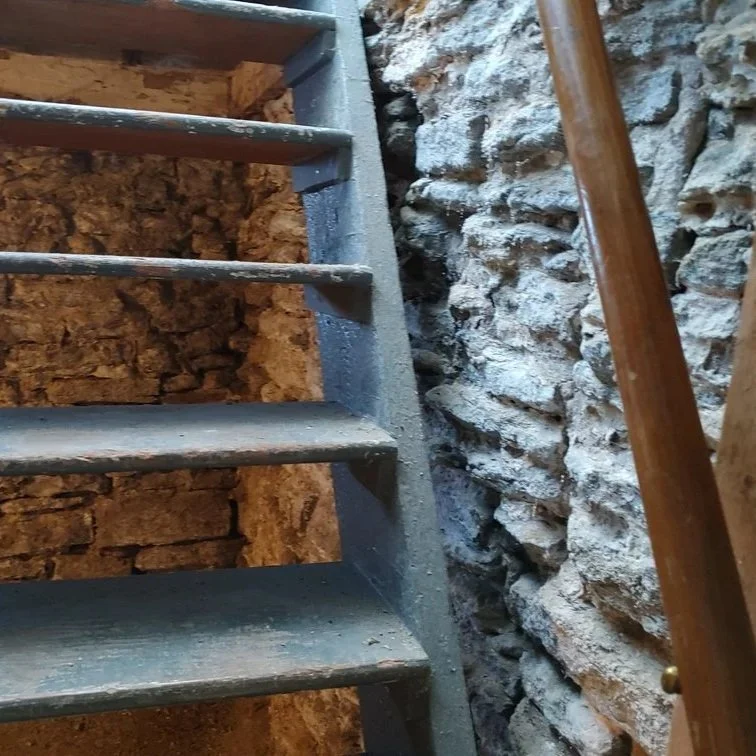
When bricks start losing their grip or mortar begins crumbling like overcooked pie crust, a professional touch is the only way to bring it all back together.
The Basement’s Hidden Brick Crisis
Basements rarely earn their place in the spotlight. They’re the behind-the-scenes workhorses, holding up everything above while absorbing the occasional storm, temperature swing, and ground shift. And while most people worry about squeaky stairs or a scuffed wall upstairs, it’s the brick and mortar below that often suffers in silence.
Basement tuckpointing doesn’t sound glamorous. But when bricks start losing their grip or mortar begins crumbling like overcooked pie crust, a professional touch is the only way to bring it all back together. That quiet work below ground is what keeps a home standing strong.
What Tuckpointing Really Means
Tuckpointing is the surgical art of removing deteriorated mortar joints and replacing them with fresh mortar that bonds tightly with existing bricks. It’s not just slapping some mix in a crack—it’s a precise, time-honored craft that requires matching materials, colors, and strength to restore both form and function.
In a basement, it’s even more crucial. The walls support heavy loads, handle soil pressure, and fight off moisture on a regular basis. Weak mortar leaves gaps—literally and figuratively—in your home’s support system. Tuckpointing seals those openings and restores the solid wall that was meant to be there all along.
Why Mortar Fails in the First Place
Mortar isn’t supposed to last forever. Most joints have a life expectancy of 20 to 30 years, depending on exposure. In basements, they’re subjected to damp air, soil contact, and shifting ground. Over time, water seeps in, freezes, thaws, and expands, leading to cracking and disintegration.
Older homes are especially susceptible. Many were built with softer lime-based mortars that weren’t designed to withstand decades of moisture and movement. When those joints break down, bricks start shifting. And when bricks shift, structural problems are never far behind.
Spotting the Early Warnings
Basements don’t shout for help—they whisper. Hairline cracks in mortar, powdery residue on brick surfaces (efflorescence), or tiny bits of sand falling along the floor are your clues. Sometimes, it’s the faint outline of a joint disappearing into the wall like it’s being erased by time.
If the mortar is visibly recessed from the brick face or crumbles when touched, it’s tuckpointing time. Discoloration, mold growth, or a musty smell might also point to water entering through weak mortar joints. Waiting too long only leads to more aggressive—and expensive—interventions later.
How Professionals Handle the Fix
Basement tuckpointing starts with a good set of eyes and ears. Professionals inspect every inch of the masonry to locate worn or failing joints. The damaged mortar is then carefully ground out or chiseled away without disturbing the bricks themselves. It’s delicate work done with deliberate precision.
Next, the new mortar is mixed to match the original as closely as possible. Texture, color, and composition all matter—not just for aesthetics, but for proper adhesion and performance. The new mix is packed tightly into the cleaned joints, compacted, and tooled for a seamless finish.
Not All Mortars Are Created Equal
Basement walls require specific mortar types based on structural needs and material age. Using a high-strength mix on a soft brick wall can do more harm than good—it forces the wall to crack under stress rather than flex naturally. The wrong mortar also traps moisture and accelerates decay.
Professionals understand the mortar hierarchy, from Type N to Type S to specialized historic blends. They pick the one that balances compressive strength with breathability, durability, and compatibility. It’s science and art, mixed into a trowel and pressed into your wall.
Why DIY Tuckpointing Goes South Quickly
There’s no shame in wanting to fix things yourself, but basement tuckpointing isn’t the place to experiment. Improper grinding techniques can chip or crack bricks. Mismatched mortar can stain walls and trap moisture. Overfilling or underfilling joints leaves weak spots behind.
And the deeper problem? Most DIY jobs skip diagnostics entirely. Professionals don’t just replace bad mortar—they investigate why it failed. They test for moisture infiltration, structural shifting, and foundation stress. Without that knowledge, you’re patching symptoms while the root problem turns worse.
Structural Perks That Come with Strong Mortar
Tuckpointing is more than a cosmetic upgrade. It actually redistributes load forces evenly across the wall, preventing bricks from cracking or bowing under pressure. Solid joints resist soil pressure from the outside and prevent water seepage during rainy spells.
Properly maintained mortar also improves insulation. Air gaps in deteriorated joints allow temperature swings that affect your basement comfort and energy bills. Fresh mortar closes those gaps and stabilizes interior conditions—even when the weather outside goes rogue.
Moisture Control Begins with the Right Seal
Water is always trying to sneak in. It doesn’t care whether your basement is finished, unfinished, or museum-worthy. Weak mortar acts like an open invitation. Once water infiltrates, it brings friends: mold, mildew, and wall stains.
Tuckpointing blocks that access point. Some professionals also apply breathable sealants to allow vapor to escape while repelling exterior moisture. It’s the perfect partnership—like a raincoat that lets you sweat but keeps you dry.
Aesthetics Matter, Even Underground
Not all basements are dark dungeons. Whether you use yours as a home gym, laundry area, workshop, or retreat from daily chaos, having walls that look like they’re crumbling doesn’t inspire confidence. Tuckpointing brings visual polish back to neglected spaces.
Professionals match mortar tone and tooling style so the repairs blend in rather than stand out. The goal isn’t to make your basement look “new”—it’s to make it look like it’s always been strong and steady. That kind of quiet pride shows, even if only you see it.
Preserving Property Value from the Bottom Up
When a home inspection reveals deteriorating basement mortar, buyers see dollar signs—for the wrong reasons. They picture structural instability, foundation repairs, or hidden water damage. Tuckpointing done proactively sends the opposite message: this house is cared for.
It’s one of the most cost-effective ways to maintain long-term value. By addressing masonry before it becomes a crisis, homeowners avoid large-scale rebuilds, interior water damage, and lost equity. It’s a quiet investment that pays off every day the house stands straight.
Foundation First, Always
Sometimes the root cause of deteriorating mortar isn’t just age—it’s a foundation issue. Shifting footings or soil settlement can cause vertical cracks or bowed walls, especially in older homes. Tuckpointing alone won’t fix those deeper problems.
Professionals look beyond the brick surface. If there’s evidence of movement or instability, they bring in reinforcements first. That might mean installing carbon fiber straps, adjusting grading around the foundation, or stabilizing footings. Once the base is solid, then tuckpointing has a lasting foundation to support.
The Timeline You Can Actually Live With
Tuckpointing a basement doesn’t take weeks of disruption. Most projects wrap up in a few days, depending on the size of the space and how much mortar needs replacing. Crews work in sections, using dust control and cleanup tools to keep the rest of the house livable.
You won’t have to move out or relocate your entire basement inventory. Professionals plan carefully to minimize disruption and keep things clean. It’s low drama, high return—all in the name of quiet, unseen strength.
Mortar That Works Just as Hard as You Do
Your basement doesn’t ask for much. A few solid bricks, reliable mortar, and protection from the elements. It’s not fussy—it just wants to hold the house up without drama. Tuckpointing gives it the tools to do that job year after year.
A well-tuckpointed basement doesn’t scream for attention. It just does its thing, quietly and reliably, holding up your life from below. And in the world of masonry, there’s no higher compliment than strength that doesn’t quit—even where the sun doesn’t shine.
Golden Stones Masonry offers reliable and professional tuckpointing & mortar joint repair, brick repair & restoration services, and interior basement tuckpointing & leak prevention services to homeowners in St. Paul, MN, and surrounding areas. Our team uses proven techniques to deliver long-lasting results. Licensed and insured. Call today.