
How to Prepare for a Chimney Rebuild Project in St. Paul, MN
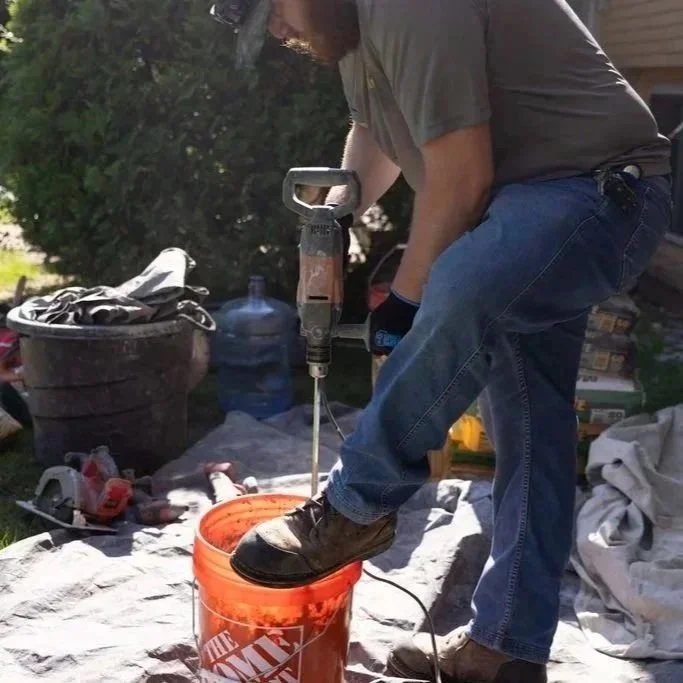
Contractor rebuilding a chimney on a St. Paul, MN home, carefully reconstructing masonry to restore structural safety and integrity.
Understanding What a Chimney Rebuild Involves
A chimney rebuild is very different from routine chimney repairs. Minor repairs usually involve targeted fixes such as tuckpointing deteriorated mortar joints, sealing a cracked crown, replacing flashing, or installing a new flue liner. A rebuild, on the other hand, means dismantling part or all of the chimney structure and reconstructing it with new materials to restore structural integrity and safety.
In most cases, a rebuild involves tearing down the chimney from the roofline up and rebuilding it course by course. In more severe situations, reconstruction may extend lower, sometimes all the way to the firebox. A rebuild is typically recommended when the chimney is structurally compromised, has extensive water damage, shows signs of instability, or no longer meets modern safety or venting standards. Because it affects both the exterior masonry and the internal venting system, a chimney rebuild is a major construction project that benefits greatly from thoughtful preparation.
Common Reasons Chimneys Need Rebuilding in St. Paul
St. Paul’s climate is tough on chimneys. Repeated freeze-thaw cycles force water deeper into brick and mortar, heavy snowfall and ice dams keep masonry saturated, and strong winds increase stress on tall chimney stacks. Many homes in St. Paul are older, and their original chimneys may have been built with materials or methods that struggle to withstand decades of harsh winters.
Over time, minor problems such as cracked mortar, spalling bricks, or a damaged crown can progress to structural failure. Chimney fires, poor-quality past repairs, lack of regular maintenance, and foundation settling also contribute. Clear rebuild warning signs include leaning or bulging stacks, missing bricks, chunks of masonry on the roof or ground, chronic leaks around the chimney, and visible separation from the house.
Full vs. Partial Rebuilds
A full rebuild typically means reconstructing the chimney from the roofline up or, in extreme cases, from the firebox upward. A partial rebuild focuses on only the damaged sections, such as the top few feet, the shoulders, or the crown area. Contractors recommend one approach or the other based on structural assessments, the extent of damage, and whether lower sections remain sound.
Partial rebuilds can be more budget-friendly and less disruptive when damage is localized. Full rebuilds offer a longer lifespan and the opportunity to modernize design and materials fully. Homeowners should carefully review inspection findings and consider home plans when deciding between the two.
How a Rebuild Improves Safety and Performance
A properly rebuilt chimney restores structural stability and eliminates pathways for heat, smoke, and gases to escape into the home. Rebuilding allows for correcting liner damage, improving draft through proper height and flue sizing, and installing well-designed crowns, caps, and flashing that control moisture.
A rebuild also provides an opportunity to adopt modern best practices, such as improved waterproofing, higher-quality mortar, and durable caps that prevent animal entry. The result should be a safer, more efficient chimney that performs reliably and protects the home from fire and water damage.
Evaluating the Condition of Your Chimney
Homeowners can spot early warning signs by observing the chimney from the ground. Leaning, missing, or loose bricks, crumbling mortar, large cracks, spalling faces, and damaged crowns all signal trouble. White powdery staining, rust on caps or flashing, and dark streaks on masonry often point to moisture problems.
Inside the home, water stains near the chimney, musty odors, peeling paint, or draft issues can indicate severe exterior damage. While these observations are useful, they do not replace a professional inspection.
When to Call a Professional
A professional chimney inspection is critical if the chimney appears unstable, masonry is falling, there has been a fire, or maintenance has been neglected for years. In St. Paul, winter damage can escalate quickly, so delays are risky. Level 2 or Level 3 inspections may include video scans of the flue and detailed structural assessments, forming the basis for rebuild decisions and accurate estimates.
Understanding Inspection Reports
Inspection reports typically include photos, descriptions of damage, and safety recommendations. Terms like spalling, efflorescence, delamination, and flue liner cracks are common. Homeowners should ask inspectors to explain findings in plain language and clarify whether repairs are temporary or long-term solutions.
Reports are invaluable for comparing contractor proposals and prioritizing work if budget constraints exist.
Documenting Damage
Photographing the chimney from multiple angles and keeping inspection reports and estimates helps with insurance claims, future planning, and resale. Well-organized records demonstrate responsible maintenance and make future evaluations easier.
Planning Your Budget
Labor rates, material prices, roof accessibility, chimney height, and seasonal conditions influence costs in St. Paul. Winter work may require enclosures and heating, increasing costs. Local codes can also affect scope and materials.
Homeowners should obtain multiple detailed quotes and include a contingency buffer for hidden issues uncovered during demolition. Understanding where money is being spent reduces stress and helps prevent mid-project surprises.
Financing and Payments
Chimney rebuilds usually involve a deposit, progress payments, and a final payment after completion and inspection. Large upfront payments should raise concerns. Financing options include home equity loans, personal loans, or contractor financing, each with different tradeoffs.
Balancing Cost and Durability
Saving money by cutting corners often leads to premature failure. Investing in quality masonry, liners, flashing, and waterproofing pays off in longevity, especially in St. Paul’s climate. Cosmetic features are one place modest savings may be acceptable, but structural and moisture-control elements are not.
Codes, Permits, and Regulations
St. Paul follows state and national building codes with local amendments governing chimney height, clearances, flue sizing, and materials. Chimney rebuilds usually require permits, and reputable contractors typically handle the process, though homeowners remain responsible for compliance.
Inspections during and after construction ensure the chimney meets safety standards. In historic districts or HOA communities, additional approvals may be required, particularly for exterior appearance.
Selecting the Right Contractor
Homeowners should verify licensing, insurance, and certifications, and prioritize contractors experienced with masonry rebuilds in St. Paul’s climate. Detailed bids with clear scopes of work are essential. Vague or unusually low bids often omit critical steps.
Checking local references and reviews helps confirm reliability. Contracts should clearly outline scope, timeline, payment terms, warranties, and cleanup expectations.
Choosing Materials and Design
Durable, freeze-thaw-rated brick and compatible mortar are critical in St. Paul. Crowns, caps, and flashing play major roles in moisture control and should be built with long-term performance in mind.
Rebuilds are also the right time to address flue liner compatibility with current or future appliances. Aesthetically, the chimney should complement the home’s architecture while remaining practical and maintainable.
Scheduling Around the Seasons
Late spring through early fall offers ideal masonry conditions. Cold-weather work is possible but more complex and costly. Planning ensures better workmanship and avoids rushing before heating season.
Homeowners should also factor in permit timelines, inspections, and weather delays when scheduling.
Preparing Your Home
Interior spaces near the chimney should be protected from dust and vibration. Outside, clear access for scaffolding and equipment is essential. Landscaping and roofing should be protected, and cleanup expectations should be clear in the contract.
Noise, parking, and neighbor communication are practical considerations, especially in dense St. Paul neighborhoods.
Safety Preparations
Define work zones and restrict access, especially for children and pets. Confirm that contractors follow proper safety protocols and carry appropriate insurance. All appliances venting through the chimney must be shut down during construction.
Temporary Loss of Chimney Use
Homeowners should plan for alternative heating if the chimney serves as a primary heat source. Temporary heaters, comfort adjustments, and indoor air quality management help minimize disruption.
Coordinating With Other Projects
If roofing, siding, or fireplace upgrades are planned, coordinating them with the chimney rebuild can improve results and reduce rework. Rebuilds are also an ideal time to upgrade fireplaces or stoves for efficiency and safety.
What to Expect During the Rebuild
A typical rebuild includes setup, demolition, reconstruction, liner and component installation, flashing, and cleanup. Demolition is the noisiest phase and may uncover hidden issues requiring adjustments.
Reconstruction requires careful workmanship and weather protection. Liners, caps, and flashing must be installed correctly to ensure safety and waterproofing.
After Completion
Homeowners should participate in a final walkthrough and ensure all inspections are approved. Cleanup should restore the property to the agreed conditions. Collect all documentation, warranties, and maintenance recommendations.
Ongoing Care
Even a new chimney needs regular inspections and cleanings. Annual checkups and prompt attention to minor issues protect the investment and ensure safe performance.
Conclusion
Preparing for a chimney rebuild in St. Paul requires understanding the scope of work, evaluating chimney condition, budgeting realistically, and ensuring compliance with local codes. Choosing qualified contractors, durable materials, and appropriate timing all contribute to a smoother project.
Homeowners who plan, protect their property, and stay engaged throughout the process are rewarded with a safer, more efficient chimney that performs reliably in Minnesota’s demanding climate for years to come.
Chimney Rebuild FAQs in St. Paul, MN
Most chimney rebuilds take anywhere from several days to a couple of weeks, depending on size, complexity, weather conditions, and inspection timing.
No. Any appliance venting through the chimney must be shut down for safety until the rebuild is complete and approved.
Insurance may cover sudden damage from events like storms or fires, but not long-term wear or neglect. Homeowners should review policies and consult their insurer.
Annual inspections are recommended, with cleanings based on usage and fuel type. Regular maintenance preserves safety, efficiency, and warranties.
Golden Stones Masonry is a licensed and insured expert, offering chimney repair, chimney rebuild, and foundation masonry repair solutions to St. Paul, MN, residents. Our professionals deliver reliable and long-lasting results that come with a 10-year warranty. We take pride in our transparent process and fair and honest pricing. Call now to book a service appointment.
