
How to Identify When Your Chimney Needs to Be Rebuilt in St. Paul, MN
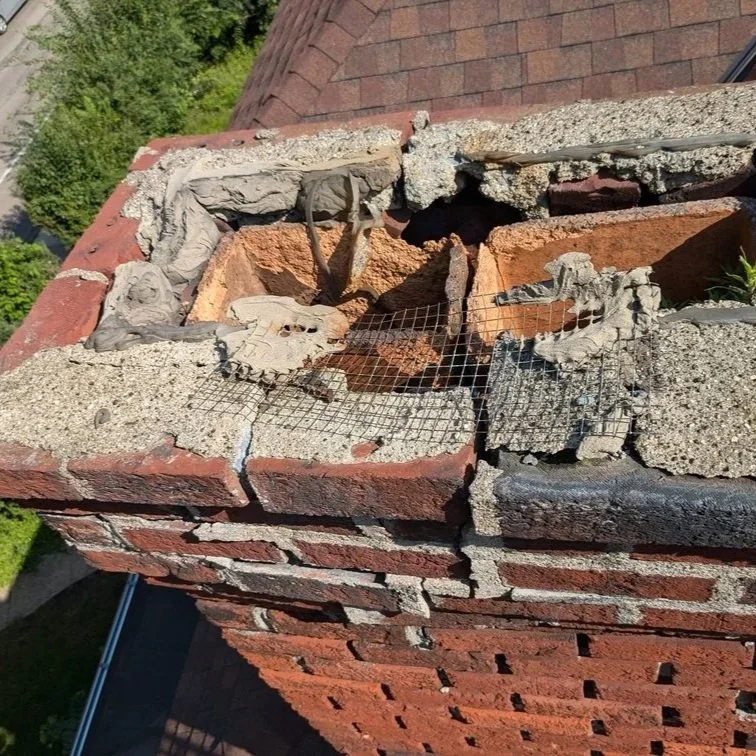
Identifying early signs of chimney damage helps St. Paul homeowners prevent fire hazards, water damage, and structural issues.
Introduction: Why Chimney Rebuilds Matter in St. Paul, MN
The chimney is one of the most critical safety systems in your home, even though it often blends into the background as just another exterior feature. Its real job is to safely carry smoke, combustion gases, and moisture out of your house. When a chimney begins to fail, the risks extend well beyond appearance. Fire hazards, carbon monoxide exposure, interior water damage, and even structural instability can all stem from a compromised chimney.
Many St. Paul homeowners don’t think about their chimneys until stains show up on ceilings, bricks start falling off, or smoke begins backing into the home. By that point, the damage is often advanced. This guide is designed to help you recognize earlier warning signs that your chimney may need to be rebuilt, not just patched. It will also clarify what “rebuilding” actually means, from rebuilding only the top portion to full teardown and reconstruction.
St. Paul’s Climate and Its Impact on Masonry Chimneys
St. Paul’s long winters, frequent freeze–thaw cycles, heavy snow, ice dams, and strong winds are tough on masonry chimneys. Water seeps into tiny cracks in bricks and mortar, freezes, expands, and then thaws repeatedly. Over time, this process forces masonry apart, cracks crowns, loosens bricks, and weakens the overall structure.
Because chimneys rise above the roofline and are exposed on all sides, they absorb more weather stress than most parts of the home. In this climate, what might be a minor repair elsewhere can escalate quickly. That’s why chimneys in St. Paul often deteriorate faster than homeowners expect and why timely inspections and decisions about rebuilding matter.
What This Guide Will Help You Do
This article will help you identify common visual, interior, and performance-related signs that suggest a chimney rebuild may be necessary. It will explain how to tell the difference between issues that can usually be repaired and those that often require rebuilding. It will also cover inspections, costs, timelines, and how local chimney professionals approach rebuild projects in St. Paul.
This information is meant to educate, not replace a professional inspection. By the end, you should feel more confident knowing when your own observations justify calling in an expert for a deeper evaluation.
Understanding What a Chimney Rebuild Really Means
Chimney Repair vs. Rebuilding
Chimney repairs address localized issues while preserving the main structure. Examples include tuckpointing mortar joints, sealing small cracks, repairing flashing, resurfacing a crown, or installing a new liner. These repairs work well when damage is limited and the chimney is still structurally sound.
Rebuilding goes further. It involves removing and reconstructing part or all of the chimney because the masonry is no longer stable. This may mean rebuilding from the roofline up, replacing the top third, or tearing down the entire chimney to the foundation. Rebuilding becomes necessary when the structure itself is compromised, not just the surface.
Types of Chimney Rebuilds
Top-only or top-third rebuilds replace the upper portion of the chimney, which is often the most severely damaged by weather. Roofline-up rebuilds involve everything above the roof deck. Full rebuilds extend down to the firebox or foundation and are typically needed when the chimney is leaning, unstable, or deteriorated throughout.
In St. Paul, roofline-up rebuilds are common because freeze–thaw damage is most severe above the roof. The correct scope depends on safety, stability, and code requirements.
Key Components Addressed During a Rebuild
A rebuild often includes new masonry, a properly constructed crown, upgraded flue liners, improved flashing, and a chimney cap. These components work together to control moisture and protect the structure. Many rebuilds also include liners and caps to extend the life of the new masonry in Minnesota’s climate.
When Codes and Safety Standards Require Rebuilding
Local codes may require rebuilding if a chimney is structurally unsafe, out of plumb, improperly lined, or too close to combustibles. Home inspections during a sale often uncover these issues. In some cases, rebuilding isn’t optional; it’s required to meet safety and code standards.
Visual Exterior Signs Your Chimney May Need to Be Rebuilt
Cracked, Missing, or Crumbling Masonry
From the ground, look for large cracks, missing bricks, deeply eroded mortar, or uneven sections. Isolated cracks can often be repaired, but widespread deterioration across large areas usually indicates deeper structural problems.
Spalling Bricks
Spalling occurs when brick faces flake or pop off, leaving rough, pitted surfaces. A few damaged bricks can be replaced, but widespread spalling, especially near the top, often signals long-term moisture saturation. In those cases, rebuilding is usually safer and more durable than spot repairs.
Leaning or Tilting Chimney
A chimney that visibly leans away from the house is a serious concern. Leaning indicates foundation or structural failure and creates a collapse risk under snow and wind loads. Simple repairs rarely correct this problem. Rebuilding, sometimes with foundation work, is usually required.
Flashing Failure with Long-Term Water Damage
Damaged or separated flashing alone doesn’t always mean rebuilding is needed. However, long-term flashing failure often allows water to saturate masonry and framing. When this leads to extensive brick and mortar decay, rebuilding may be more practical than repeated patching.
Severely Damaged Chimney Crown
The crown sheds water away from the chimney. Small cracks can be sealed, but large cracks, missing sections, or crumbling crowns allow water to enter for years. When severe crown damage is paired with extensive brick deterioration below, rebuilding the top courses is often necessary.
Interior and Attic Warning Signs
Interior Water Stains
Recurring water stains, peeling paint, or damaged drywall near the chimney often indicate chronic leaks. If roof repairs don’t solve the issue, chimney masonry failure may be the root cause, pointing toward rebuild-level work.
Efflorescence and Musty Odors
White, powdery efflorescence on interior masonry shows active moisture movement. Musty odors near the fireplace suggest damp masonry. In St. Paul’s climate, ongoing moisture combined with freezing conditions accelerates deterioration, sometimes beyond what repairs can address.
Firebox and Interior Masonry Cracks
Small firebox cracks can often be repaired, but extensive cracking or loose masonry, especially combined with exterior damage, may indicate a compromised structure that needs rebuilding.
Attic Inspection Clues
In the attic, look for crumbling mortar, water-stained wood, mold, or gaps around the chimney. Significant deterioration here often indicates that damage is advanced, and repairs alone may not be sufficient.
Performance Issues That Suggest Structural Problems
Smoke Backing Into the Home
Chronic smoke backup may signal flue collapse, shifting masonry, or internal damage. If blockages are ruled out and structural issues are found, rebuilding and relining may be required.
Debris or Flue Tile Pieces in the Firebox
Finding chunks of tile or masonry inside the firebox indicates liner failure. This often coincides with broader chimney deterioration and may necessitate rebuilding to install a new liner safely.
Ongoing Draft and Odor Problems
Persistent downdrafts, summer odors, or draft reversal during cold weather can point to structural or design issues. In older St. Paul chimneys, rebuilding may be the best way to permanently correct these problems.
Repeated Repairs in the Same Areas
When the same sections fail repeatedly, the underlying structure is likely compromised. Over time, rebuilding can be more cost-effective and safer than constant repairs.
St. Paul–Specific Factors That Accelerate Damage
Freeze–thaw cycles, snow loads, wind exposure, road salt spray, and the age of many local homes all contribute to faster chimney deterioration. Older chimneys often lack liners or modern moisture protection, making rebuilding a more practical long-term solution.
When Is Repair Enough, and When Is Rebuild Necessary?
Repairs are often sufficient when damage is limited, the chimney is plumb, moisture intrusion is minimal, and the liner is intact. Rebuilding is usually the safer choice when there is leaning, extensive spalling, major water damage, severe crown failure, widespread liner collapse, or repeated repair failures.
Weighing Cost, Longevity, and Safety
A rebuild costs more upfront but often provides decades of safe service. In a climate where heating systems run heavily for months, safety and longevity should outweigh short-term savings.
Professional Structural Assessment
Only a qualified chimney professional can make the final call. Inspections may include attic and roof evaluations, video flue inspections, and measurements of chimney alignment. A written report should clearly explain why rebuilding is recommended.
How Chimney Inspections Work in St. Paul
Level 1 inspections are basic visual checks. Level 2 inspections include video and attic access and are common when structural issues are suspected. Level 3 inspections are invasive and used when serious hazards are found.
In St. Paul, annual inspections are strongly recommended, especially after harsh winters or major storms.
What to Expect During a Chimney Rebuild
The process includes inspection, planning, permits, demolition of damaged sections, rebuilding with appropriate materials, installation of liners, crowns, caps, and flashing, and final inspections. Most rebuilds are scheduled for warmer months to allow proper curing.
Costs, Timing, and Budgeting
Costs vary based on scope, height, materials, and liners. Partial rebuilds cost less than full rebuilds. Planning ahead for spring or summer often improves scheduling and results.
Preventing Future Damage After a Rebuild
Annual inspections, proper waterproofing, quality crowns and caps, good roof drainage, and safe burning practices all help extend the life of a rebuilt chimney.
Working with Local St. Paul Professionals
Look for licensed, insured, certified chimney professionals with rebuild experience in St. Paul. Clear proposals, strong communication, and written warranties are essential.
Conclusion: Protecting Your St. Paul Home with a Sound Chimney
A healthy chimney is essential for safety, comfort, and energy efficiency in St. Paul’s demanding climate. Warning signs such as extensive masonry damage, leaning, chronic leaks, interior deterioration, smoke issues, and repeated repairs often indicate the need for rebuilding rather than patchwork fixes. With a thorough inspection, a well-planned rebuild, and ongoing maintenance, homeowners can enjoy decades of reliable, safe chimney performance through many Minnesota winters.
Chimney Repair & Rebuild FAQs in St. Paul, MN
Widespread damage, leaning, severe spalling, liner failure, and repeated repairs often indicate the need for rebuilding. A professional inspection is the best way to confirm.
At least annually, and after major storms or noticeable changes.
Insurance may cover sudden damage from storms or impacts, but not gradual deterioration. Check your policy.
Most rebuilds take several days to a couple of weeks. Late spring through early fall is ideal for St. Paul conditions.
Golden Stones Masonry is a licensed and insured expert, offering chimney repair, chimney rebuild, and foundation masonry repair solutions to St. Paul, MN, residents. Our professionals deliver reliable and long-lasting results that come with a 10-year warranty. We take pride in our transparent process and fair and honest pricing. Call now to book a service appointment.
