
Early Warning Signs of Chimney Damage in Minnesota Homes
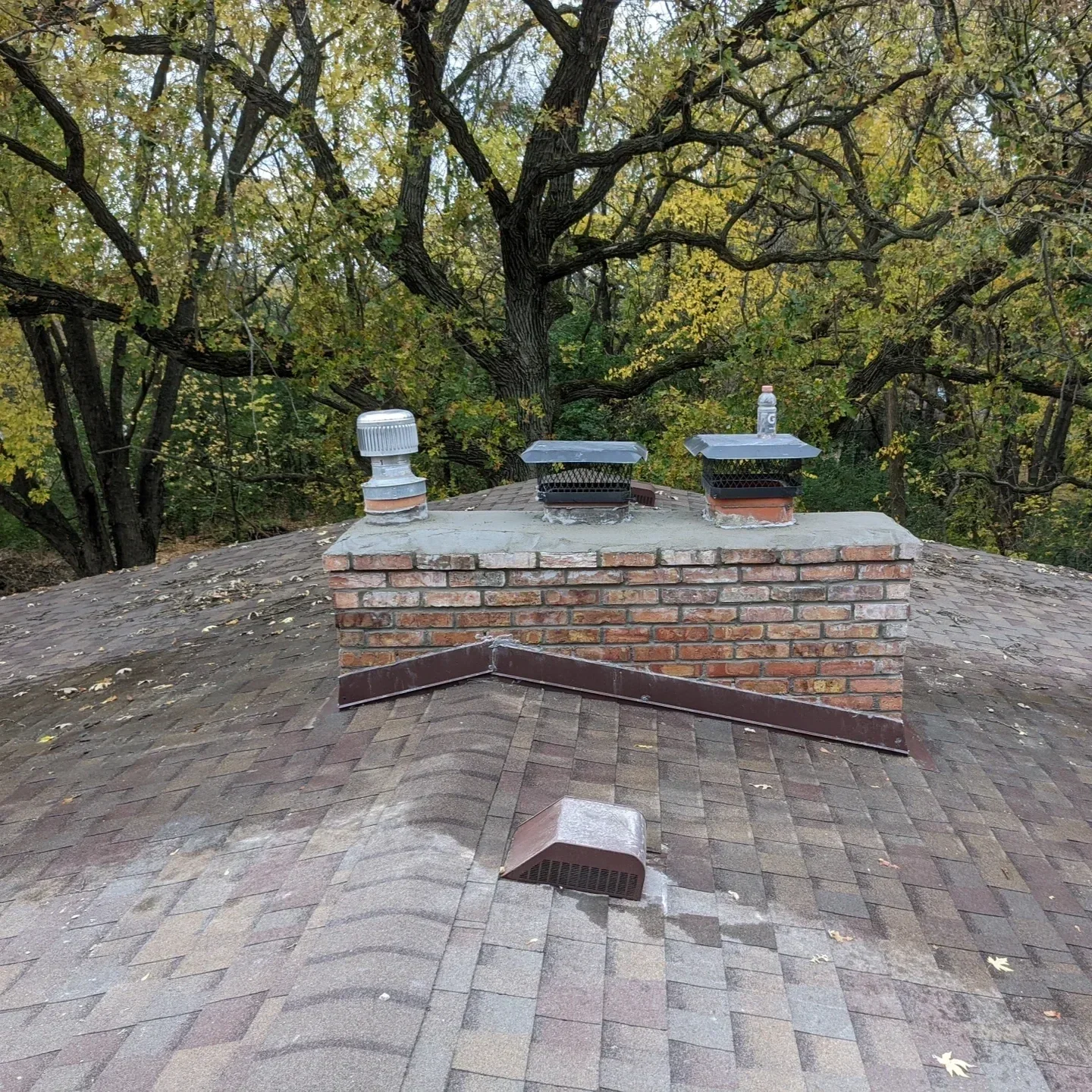
Early detection of chimney damage prevents costly repairs and safety hazards in Minnesota’s harsh winter climate.
Understanding Chimney Damage in Minnesota Homes
How Minnesota’s Climate Affects Your Chimney
Minnesota’s climate is among the toughest in the country for chimneys. Long winters, frequent freeze-thaw cycles, heavy snowfall, ice buildup, and sharp temperature swings all take a toll on masonry and metal components. Water enters tiny cracks in brick, mortar, or metal seams, freezes, and expands. Over time, those hairline openings widen, weakening the structure and accelerating deterioration far faster than in warmer regions.
Wind-driven rain, ice dams, and prolonged subzero temperatures further increase moisture intrusion. Bricks can begin to spall, mortar joints can crumble, and metal components can rust or warp. On top of that, Minnesota homes rely heavily on fireplaces, furnaces, and stoves for months at a time. Extended use places added stress on flue liners and smoke chambers, making early detection of damage especially important.
Common Types of Chimney Systems in Minnesota Homes
Most Minnesota homes fall into three chimney categories. Traditional masonry chimneys are built of brick, block, or stone and include components like the crown, cap, flue, liner, smoke chamber, and firebox. Prefabricated or factory-built chimneys are metal systems with double- or triple-wall construction, often paired with metal caps and flashing. Many homes also use wood stove or pellet stove venting systems that may tie into masonry chimneys or exit through dedicated metal flues.
Older homes often have unlined chimneys or clay-tile liners, while newer systems typically use stainless steel liners or all-metal chimneys. Chimneys may vent fireplaces, wood stoves, gas inserts, furnaces, or boilers. Knowing which type you have helps you interpret warning signs correctly and communicate clearly with a chimney professional.
Why Catching Chimney Damage Early Matters
Chimney problems rarely stay small. Minor cracks, small leaks, or slight shifting tend to worsen as moisture, heat, and weather continue to work against the structure. Ignoring early signs increases the risk of chimney fires, carbon monoxide leaks, interior water damage, and structural instability.
Early intervention is also far more cost-effective. Addressing issues when they first appear can prevent the need for major rebuilds, extensive masonry replacement, or costly interior repairs. Regular inspections and prompt maintenance extend chimney life, protect home value, and help heating systems run safely and efficiently. In Minnesota, chimney care should be viewed as preventive maintenance, not an emergency-only service.
Safety and Health Risks Linked to Chimney Problems
A damaged chimney can compromise draft, allowing smoke and combustion gases, including carbon monoxide, to spill into living spaces. Symptoms of exposure can include headaches, dizziness, nausea, and fatigue. Children, older adults, and pets are particularly vulnerable, turning chimney issues into a serious health concern.
Fire risk is another major factor. Cracked liners, heavy creosote buildup, and missing components allow extreme heat to reach the surrounding framing. Chimney fires inside compromised flues can spread quickly to roofs and attics. Recognizing early warning signs is one of the most effective ways to reduce both fire risk and indoor air quality problems.
How Often Minnesota Homeowners Should Inspect Chimneys
Industry standards recommend annual chimney inspections, with more frequent checks for heavily used wood-burning systems. Minnesota’s harsh winters and extended heating seasons make seasonal checks especially valuable, both before heating season and after winter.
Homeowners can safely perform basic visual checks from the ground and inside the firebox, but professional inspections go further. Certified chimney professionals perform Level 1, 2, or 3 inspections, depending on circumstances, using tools such as cameras to examine hidden areas. After storms, chimney fires, or renovations, professional inspections are essential.
Exterior Masonry Warning Signs
Cracked, Crumbling, or Missing Mortar Joints
Mortar joints bind bricks or stone together. Early signs of trouble include hairline cracks, sandy or powdery mortar, gaps, or missing sections. In Minnesota’s freeze-thaw climate, deteriorated mortar accelerates water entry, worsening damage each season. Left unchecked, mortar failure leads to loose bricks, leaks, and structural instability. Early tuckpointing is far less invasive than major masonry repair.
Spalling Bricks
Spalling occurs when brick faces flake or break off due to moisture and freezing. It appears as pitted, rough surfaces or brick fragments on the roof or ground. While early spalling may affect only a few bricks, widespread spalling weakens the chimney and often leads to rebuild-level repairs. Early professional evaluation can prevent extensive damage.
Leaning or Out-of-Plumb Chimneys
A chimney that tilts or leans is a serious warning sign. Even slight movement can indicate foundation issues, soil settlement, or severe masonry deterioration. Gaps near flashing or siding are red flags. Leaning chimneys pose collapse risks and require immediate professional evaluation.
Discoloration and Staining
White efflorescence signals moisture movement through masonry. Dark stains may indicate soot or creosote escaping through cracks. Green growth suggests persistent dampness. Rust-colored streaks point to metal corrosion. While staining may seem cosmetic, it often reveals deeper moisture or venting problems.
Missing or Loose Bricks
Loose, shifting, or missing bricks indicate advanced failure. Falling debris creates safety hazards and accelerates water intrusion. Once bricks begin to move, simple repairs may not be enough, and partial reconstruction or rebuilding may be required.
Chimney Crown and Cap Red Flags
Cracked or Broken Chimney Crown
The crown sheds water away from the chimney. Cracks, broken sections, or sunken areas allow water to saturate masonry below. Small cracks may be sealed, but severe damage often requires full crown replacement to prevent ongoing deterioration.
Missing or Damaged Chimney Caps
Caps keep rain, snow, animals, and debris out of the flue. Missing, bent, rusted, or loose caps are common after storms. Without a proper cap, moisture and blockages become likely, increasing fire and carbon monoxide risks.
Rust and Corrosion
Rust streaks or corroded caps, chase covers, and storm collars indicate ongoing water exposure. Corrosion eventually leads to holes and loss of protection. Early replacement with quality materials helps prevent larger problems.
Flashing and Roof Intersection Issues
Loose or Damaged Flashing
Flashing seals the joint between the chimney and the roof. Lifted, wrinkled, or missing flashing allows water to enter the roof structures. Even small gaps can cause significant leaks over time.
Interior Water Stains Near the Chimney
Stains, bubbling paint, or soft drywall near the chimney often indicate hidden leaks. These signs typically appear after snowmelt or heavy rain and should prompt immediate investigation.
Ice Dams Around Chimneys
Ice dams trap melting snow, forcing water back under shingles and around chimneys. Repeated ice damming increases leak risk and accelerates the deterioration of flashing and masonry.
Improper Sealants and DIY Patches
Excessive caulk or roofing cement around chimneys often hides deeper problems. In Minnesota’s temperature extremes, many sealants fail quickly. Persistent DIY patching is a red flag that professional repairs are needed.
Interior Fireplace and Firebox Clues
Cracked Firebrick or Panels
Firebrick protects surrounding materials from heat. Small cracks may be repairable, but missing mortar or broken panels expose unsafe surfaces. Regular inspection before heating season is essential.
Damper Problems
Rusty, warped, or stuck dampers affect safety and efficiency. In cold climates, stuck-open dampers increase heat loss and drafts. Dampers should move smoothly and seal fully.
Excessive Soot and Smoke Spillage
Heavy soot buildup or smoke spilling into the room indicates draft or blockage problems. Chronic smoke issues raise carbon monoxide risk and should not be ignored.
Flue and Chimney Liner Warning Signs
Cracked Clay Flue Tiles
Clay tiles can crack from freeze-thaw cycles or chimney fires. Tile fragments in the firebox are a serious warning sign requiring professional inspection.
Missing Mortar Between Flue Tiles
Gaps disrupt draft and allow gases to escape into the chimney structure. Widespread gaps often require relining rather than patching.
Metal Liner Corrosion
Rust flakes, deformation, or rattling metal indicate liner deterioration. Corroded liners may leak gases and often require replacement.
Evidence of Chimney Fires
Warped liners, cracked tiles, and puffed creosote indicate past chimney fires. After any suspected fire, a professional inspection is mandatory.
Water Intrusion and Moisture Damage Signs
Musty Odors and Efflorescence
Persistent odors and white powdery deposits signal moisture movement. Cleaning alone won’t solve the problem; water entry points must be addressed.
Mold Near Chimney Chase
Mold growth near chimneys indicates chronic moisture and poses health risks. Moisture sources must be fixed alongside remediation.
Rusting Interior Components
Rust on doors and dampers points to excess moisture and condensation. Stopping water intrusion is key to preventing further damage.
Structural and Settlement Warning Signs
Interior Cracks Near Chimney
New or widening cracks near the chimney may indicate movement. These should be evaluated alongside the exterior chimney condition.
Gaps Between Chimney and House
Visible separation allows water and pests in and often signals structural movement. Caulking alone is not a long-term fix.
Footing or Foundation Issues
Settlement or erosion around the chimney base can cause tilting and major cracking. These issues require professional attention.
Seasonal and Weather-Related Clues
Post-Winter Checks
After winter, inspect for new cracks, spalling, crown damage, missing caps, and interior stains. Document changes from fall to spring.
Storm Damage
High winds and storms can dislodge caps, crack crowns, or shift masonry. Chimneys should be checked after severe weather.
Freeze-Thaw Effects Over Time
Small cracks grow over multiple winters. Addressing defects before winter helps prevent major deterioration.
When to Call a Professional vs. DIY Monitoring
Immediate Red Flags
Leaning chimneys, large cracks, chimney fires, strong smoke spillage, carbon monoxide alarms, major leaks, or fallen bricks require immediate professional help.
Safe Homeowner Checks
Homeowners can safely observe from the ground and inside the firebox. Binoculars and good lighting help without risking ladders or roofs.
Preventive Maintenance Planning
Annual inspections, cleanings, and minor repairs should be budgeted as routine maintenance in Minnesota’s climate.
Conclusion: Protecting Minnesota Homes Through Early Detection
Minnesota’s harsh climate makes chimneys especially vulnerable to damage, from exterior masonry failure to interior liner problems and moisture intrusion. Early warning signs often start small, including hairline cracks, slight staining, subtle odors, or draft changes. Recognizing these clues across all chimney components allows homeowners to act before problems escalate into major safety hazards.
Combining regular homeowner monitoring with professional inspections protects families from fire and carbon monoxide risks, prevents structural and water damage, and extends the chimney's life. Preventive chimney care is an investment in safety, comfort, and peace of mind for Minnesota homeowners.
Chimney Inspection & Safety FAQs in Minnesota
At least once a year, and more often for heavily used wood-burning systems.
Leaning chimneys, carbon monoxide alarms, chimney fire evidence, major cracks, and smoke spillage.
Minor issues may be repairable, but continued use should wait until a professional confirms safety.
Freeze-thaw cycles, snow, ice, and long heating seasons accelerate moisture damage, cracking, and wear compared to milder climates.
Trust Golden Stone Masonry in St. Paul, MN, for professional chimney repair, foundation masonry repair, tuckpointing & mortar joint repair, and brick repair & restoration services. Our team works hard to restore strength and prevent moisture intrusion. Ours is a licensed and insured company offering a 10-year warranty. Get your free estimate today.
