
How to Choose Materials for Your Chimney Rebuild in St. Paul
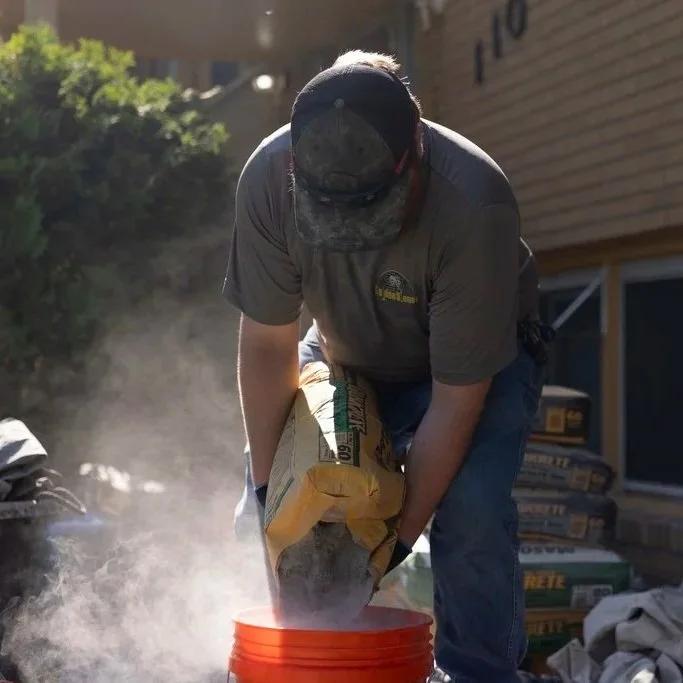
Construction worker selecting durable bricks and materials for a St. Paul chimney rebuild, ensuring safety, performance, and longevity.
Understanding the Goals of a Chimney Rebuild in St. Paul
Before selecting materials for a chimney rebuild, it helps to be clear about what you are trying to achieve. Every rebuild balances several priorities: safety, performance, durability, appearance, and budget. These goals do not always align perfectly. A lower upfront material cost can mean higher maintenance or earlier replacement, while higher-quality materials often reduce long-term problems and expenses.
In St. Paul, safety and structural integrity should always come first. Chimneys must handle high heat, combustion gases, moisture, and severe winter weather without allowing fire hazards or carbon monoxide leaks. Material choices directly affect draft performance, resistance to moisture and creosote buildup, and the chimney’s ability to survive decades of freeze–thaw cycles. Once safety and performance needs are met, homeowners can weigh aesthetics and budget with a clearer perspective.
How St. Paul’s Climate Influences Material Choices
St. Paul’s climate is demanding on chimney systems. Long winters, heavy snowfall, repeated freeze–thaw cycles, and periods of wind-driven rain all stress masonry and metal components. Water absorbed into brick or mortar expands when frozen, leading to cracking, spalling, and accelerated deterioration if materials are not well-suited to these conditions.
This makes freeze–thaw resistance, moisture management, and heat tolerance essential criteria when choosing materials. Brick with low water absorption, mortar designed to flex slightly under temperature changes, durable crowns that shed water, and corrosion-resistant flashing and caps all play a role. Climate-appropriate materials also improve energy efficiency by helping the chimney draft properly and reducing unwanted heat loss from the home during winter.
Balancing Budget With Long-Term Value
Budget is a real consideration for any chimney rebuild, but focusing only on upfront cost can be misleading. In St. Paul’s weather, cheaper materials often fail sooner, leading to repeat repairs or partial rebuilds years earlier than expected. Thinking in terms of lifecycle cost helps put material choices in context.
There are areas where modest savings may be reasonable, such as purely decorative elements. There are also areas where cutting corners is risky, including liners, structural masonry, crowns, and flashing. These components protect the home from fire and water damage and are expensive to redo. Getting multiple bids that specify comparable materials allows homeowners to see how material quality affects pricing and long-term value.
Working With Local Chimney Professionals
Local experience matters when choosing chimney materials. Licensed, insured chimney professionals who work regularly in St. Paul understand local building codes, common failure patterns, and which materials have proven durable in Minnesota winters. They can also advise on what inspectors expect to see and how to avoid designs that struggle in this climate.
Homeowners should ask contractors why they recommend specific brick types, liners, caps, or flashing materials, and what alternatives exist. A qualified professional should be able to explain the pros and cons clearly, discuss warranty coverage, and provide examples of similar projects. Good communication at this stage leads to better material decisions and fewer surprises later.
Local Codes, Permits, and Safety Standards in St. Paul
Chimney rebuilds in St. Paul must comply with the Minnesota State Building Code, local amendments, and fire safety standards such as NFPA 211. These regulations govern clearances to combustibles, chimney height above the roofline, approved liner materials, and construction methods.
Material choices must align with these requirements. For example, certain fuel types require specific liner materials, and masonry thickness and firestopping details must meet minimum standards. Permits are typically required for rebuilds, and inspections verify that the materials and installation meet code requirements. Working without permits can create safety risks and cause issues during insurance claims or home resale.
In some cases, especially with very tall chimneys, older homes, or visible structural movement, a structural engineer may be involved. Engineering input helps determine appropriate masonry units, reinforcement, and footing design based on soil conditions and building loads.
Assessing Your Existing Chimney Before Choosing Materials
A thorough chimney inspection should come before finalizing material choices. Inspections may include exterior and interior visual checks, attic inspections, and video scans of the flue. These evaluations identify whether damage is cosmetic or structural and whether a partial or full rebuild is required.
Common issues in St. Paul include cracked flue tiles, spalled brick from freeze–thaw damage, deteriorated mortar joints, rusted metal components, and failed crowns. Moisture-related damage is especially important, as it often drives material selection toward lower-absorption masonry, upgraded liners, and improved waterproofing strategies.
Structural damage may require stronger masonry units, reinforced construction, or liner replacement, while cosmetic issues may allow reuse of some existing materials. Understanding what can safely remain helps avoid unnecessary costs or inadequate repairs.
Choosing Masonry Materials: Brick, Block, and Stone
Brick is the most common exterior chimney material in St. Paul. Not all brick is suitable for chimney use, especially in harsh climates. Look for brick with low water absorption, high compressive strength, and proven freeze–thaw durability. Decorative or soft bricks may look appealing, but can deteriorate quickly when exposed above the roofline.
Concrete masonry units are often used as structural cores or backup masonry behind brick veneers. They provide strength and cost efficiency, but must be protected from weather exposure. Any block used above the roofline should be properly faced or detailed to resist moisture and freezing temperatures.
Natural stone and manufactured stone veneers offer distinctive aesthetics and can complement historic or high-end homes. However, stone selection matters. Some stones are more porous and prone to freeze–thaw damage. Manufactured stone requires careful installation, flashing, and drainage detailing. In most cases, stone veneers are installed over masonry backup, so underlying material choices remain critical.
Selecting the Right Mortar Mix
Mortar plays a major role in chimney durability. Common mortar types vary in strength and flexibility. In freeze–thaw climates like St. Paul, mortar must be compatible with the masonry units and flexible enough to accommodate movement without damaging brick or stone.
Using mortar that is too strong can cause masonry units to crack instead of allowing joints to absorb stress. Using mortar that is too weak can lead to premature erosion. Proper joint tooling and curing practices are also essential. Mortar selection should always be based on the masonry type, exposure conditions, and structural requirements.
Flue Liner Materials: Clay, Metal, and Beyond
Clay tile liners are traditional and still found in many St. Paul homes. They handle high heat well and are cost-effective in new masonry construction. However, they can crack from thermal shock and are difficult to retrofit in existing chimneys. Freeze–thaw damage and moisture intrusion can worsen these issues over time.
Stainless steel liners are widely used in chimney rebuilds and relining projects. They are corrosion-resistant, adaptable to many fuel types, and easier to install in existing chimneys. Choosing the correct grade of stainless steel and proper insulation is essential, especially for gas appliances that produce cooler, moisture-laden exhaust.
Cast-in-place or poured liner systems combine insulation and structural reinforcement. They can be useful when existing masonry is sound, but the flue is damaged or unlined. These systems perform well in cold climates but have higher upfront costs and require specialized installers.
The correct liner depends on the fuel type and appliance. Wood, gas, oil, and pellet appliances all have different venting requirements. Incorrect liner selection can lead to condensation, poor draft, creosote buildup, or appliance warranty issues.
Chimney Crown and Cap Materials
The chimney crown is a critical water-shedding component. In St. Paul’s climate, a well-built concrete crown with proper slope, overhang, and drip edge is essential. Thin mortar washes or poorly reinforced crowns often crack, allowing water intrusion.
Pre-cast crowns or specialty crown mixes can improve durability. Metal crowns or shrouds are sometimes used in specific designs or factory-built systems, offering lighter weight and corrosion resistance when properly specified.
Chimney caps protect against rain, snow, animals, and debris. Stainless steel is often preferred in harsh climates due to its corrosion resistance. Caps should be sized correctly for the flue, compatible with the fuel type, and robust enough to withstand snow loads and wind. Proper mesh design prevents animals without restricting the draft.
Flashing and Waterproofing Materials
Flashing, which seals the joint between the chimney and the roof, is a common failure point. A complete flashing system includes step flashing, counter flashing, and, on wider chimneys, a cricket on the uphill side. Material choice matters in snowy climates.
Aluminum is affordable but less durable. Galvanized steel is sturdy but can corrode over time. Copper offers long life and aesthetics at a higher cost. Stainless steel provides excellent corrosion resistance and strength. High-quality flashing materials and correct installation prevent chronic leaks that damage both the chimney and interior finishes.
Breathable masonry water repellents may be applied after rebuilding to reduce water absorption while allowing vapor to escape. These products supplement good construction but do not replace proper crowns, flashing, and caps.
Insulation and Energy-Efficiency Considerations
Insulating chimney liners improve draft, reduce condensation, and protect masonry. Exterior chimneys in St. Paul are especially vulnerable to cold air cooling flue gases, making insulation even more important. Interior chimneys benefit as well, but experience fewer extreme temperature swings.
Air sealing around the chimney, especially in attics, reduces heat loss and drafts. High-performance dampers and insulated liners can limit warm air loss when the fireplace is not in use. Material choices should support safe venting while improving comfort and energy efficiency.
Aesthetic and Architectural Considerations
Material selection should complement the home’s architectural style, whether historic or modern. Brick size, color, texture, joint style, and stone choices all influence curb appeal. Decorative details should enhance the chimney without compromising durability or maintenance.
Matching chimney materials with roofing, siding, and trim creates a cohesive exterior appearance. Decorative features like corbeling or custom caps should be evaluated for both visual impact and long-term performance in snow and ice.
Budgeting and Comparing Material Options
Material costs vary widely. Masonry labor and liners often represent the largest portion of the budget, while caps and sealants are relatively small but critical investments. Itemized estimates help homeowners understand trade-offs and compare bids accurately.
Long-term maintenance and replacement costs should be considered alongside initial pricing. Durable materials often cost more upfront but deliver better value over time in St. Paul’s climate. Comparing bids requires looking closely at material specifications, not just bottom-line numbers.
Coordinating With Other Home Upgrades
Chimney rebuilds often pair well with roof replacements, fireplace upgrades, or exterior renovations. Coordinating these projects can improve flashing integration, reduce disruption, and ensure materials work together. Planning appliance upgrades before finalizing chimney materials avoids costly rework.
Working With St. Paul–Area Chimney Specialists
Choosing experienced local professionals helps ensure material recommendations are grounded in real-world performance. Homeowners should ask detailed questions about materials, warranties, and past projects. Clear proposals that specify materials protect expectations and outcomes.
Conclusion: Making Confident Material Choices for Your St. Paul Chimney Rebuild
Choosing materials for a chimney rebuild in St. Paul requires balancing safety, climate performance, durability, aesthetics, and budget. Masonry, liners, crowns, flashing, insulation, and caps must work together as a system designed to handle Minnesota’s harsh winters and moisture challenges.
By starting with a thorough inspection, understanding local conditions and codes, and working closely with experienced professionals, homeowners can make confident material choices. Thoughtful planning and quality materials result in a chimney that vents safely, resists weather damage, complements the home, and delivers reliable performance for many winters to come.
FAQs About Choosing Materials for a Chimney Rebuild in St. Paul
Low-absorption, freeze–thaw-rated brick, compatible mortar, stainless steel liners, well-built concrete crowns, and corrosion-resistant flashing and caps typically perform best.
In many cases, yes. Stainless steel liners offer versatility, corrosion resistance, and compatibility with modern appliances, making them a strong choice in cold, moisture-prone climates.
Costs vary widely based on scope and materials. Higher-quality masonry, liners, and flashing increase upfront cost but often reduce long-term maintenance and repair expenses.
Some existing masonry may be reused if it is structurally sound, but liners, crowns, flashing, and severely weathered materials are often replaced to ensure safety and longevity.
Golden Stones Masonry is a licensed and insured expert, offering chimney repair, chimney rebuild, and foundation masonry repair solutions to St. Paul, MN, residents. Our professionals deliver reliable and long-lasting results that come with a 10-year warranty. We take pride in our transparent process and fair and honest pricing. Call now to book a service appointment.
